
You want your tees and dresses to look like they came from a boutique, not a makeshift studio. Finishing knits well makes a huge difference. The right hems, seams, and tools turn a good garment into a great one. Think of this as your short, sharp roadmap for finishing knits with confidence.
Start with preparation: pre-washing and testing scraps so nothing surprises you after the first wash. Use the needle types and machines that match the fabric. Ballpoint or stretch needles, a walking foot for fussy jerseys, and a serger or coverstitch when you need professional knit finishes.
Control stretch, curl, and puckering with stabilizers, correct stitch choices, and a steady sewing rhythm. Small habits — like dialing in tension on a scrap or using clear elastic on a shoulder seam — save time. They give you cleaner results when you tackle knit hemming and finishing knit garments.
Key Takeaways
- Pre-wash and test scraps before you sew to prevent surprises.
- Choose ballpoint or stretch needles and match your thread to the knit.
- Use a walking foot, serger, or coverstitch to get professional knit finishes.
- Stabilize edges and adjust tension to avoid puckering and skipped stitches.
- Practice consistent rhythm and technique to improve your knit hemming results.
For a compact, practical guide to tools and methods that make finishing knit garments easier, check this resource for expanded tips and step-by-step techniques: sew knit fabric like a pro.
Why finishing knits matters for professional-looking garments
You want your clothes to last and look great. Finishing touches make knit clothes stand out. Small details at the hem and seams improve durability and quality.
The role of finishes in garment durability and wear
Finishing helps prevent stretched seams and popped stitches. The right stitch and seam allowance help knit seams stay strong. Serger seams and coverstitch hems make clothes last longer and look better.
How neat edges and seams change perceived quality
Neat stitching and tidy seams look professional. Clean edges make clothes seem high-end. Buyers notice quality fast, which can mean more sales.
Mindful finishing: slowing down to speed up long-term results
Mindful finishing means taking your time. Choose the right needle and check tension. This patience saves time and effort in the long run.
| Finish | Benefit | When to use |
|---|---|---|
| Serger four-thread seam | High knit seam strength, trims and secures edges | Activewear, heavy-use garments |
| Coverstitch hem | Professional finishes, stretch-friendly hems | T-shirts, dresses, knit skirts |
| Clear elastic stabilizing | Improves fit retention and reduces seam stretching | Shoulders, waistlines, necklines |
| Steam pressing and blocking | Restores shape, flattens bulk, extends garment durability | Post-construction finishing for almost all knits |
Know your knit fabrics before you finish
Before you start altering your fabric, get to know it first. Testing a small piece can show you how it behaves. This includes how jersey knit rolls, interlock knit lies flat, and rib knit stretches.
Trying out different stitches, needles, and presser feet can save you time. It helps avoid any issues later on.
Jersey, rib, interlock, double knit — how behavior affects finishing choices
Jersey knit is light and curls at the edges. You’ll need special techniques or a narrow hem to fix this. Rib knit is great for bands and cuffs but needs stretch-friendly stitches.
Interlock knit stays flat and is forgiving for beginners. It also takes a clean press well. Double knit is thicker and less stretchy, so use longer stitches and avoid harsh trimming.
Direction of greatest stretch (DOGS) and why it matters for edges
To find the DOGS, stretch the fabric both ways. Most knits stretch more across the grain than along it. Place pattern pieces so the stretch goes around the body, not across seams.
Ignoring DOGS can lead to gaping necklines and misshapen hems. It’s important for a good fit.
Fiber content and its impact on hem techniques and pressing
The type of fiber in your knit fabric affects how you handle it. Cotton is soft but shrinks, so pre-wash it. Polyester holds its shape well, allowing for firm pressing.
Rayon is silky and drapey, so press it gently. Don’t forget about blends, like polyester-cotton, which balance shrinkage and breathability.
Do small tests to learn how your knit fabric behaves. Pre-wash scraps, lay them flat, then try hems and pressing. This hands-on approach teaches you about knit behavior and fiber content.
For project ideas and pet-sized patterns, check out knitting patterns for pets. Adapt techniques based on the fabric’s stretch and recovery.
Essential tools and supplies for flawless finishes
You want clean edges and seams that stretch without drama. The right tools make that possible. Choose equipment that matches your fabric and your goal, and you’ll save time and salvage fewer garments.
Needles and threads: ballpoint needles, stretch needles, polyester and woolly nylon
For most jerseys and rib knits, use ballpoint needles. They slip between fibers instead of cutting them. Stretch needles are best for high-elasticity fabrics to avoid skipped stitches and broken threads.
Polyester thread is great for stretchy fabrics because it holds elasticity and resists moisture better than cotton. Use woolly nylon in serger loopers or the bobbin for soft, elastic seams that feel good next to skin.
Presser feet and machines: walking foot, serger, coverstitch vs. regular machine
Your domestic machine can handle knits with stretch stitches. But a serger gives tidy, stretch-friendly seams in one pass. A coverstitch machine produces professional hems and necklines you see on store-bought tees.
Use a walking foot when two layers try to shift. It feeds the top and bottom evenly so hems stay flat. Reduce presser foot pressure on slippery or delicate knits to avoid puckering.
Stabilizers, magnets, and accessories that prevent distortion
Thin stabilizers like tissue paper or wash-away options under seams prevent stretching and tunneling. Use fine ballpoint pins or clips to avoid fabric snags during assembly.
For embroidery on knits, try the MaggieFrame magnetic hoop to hold fabric without hoop marks. A rotary cutter and mat keep pieces neat at the cutting stage and reduce rolling edges.
| Tool | Best for | Quick tip |
|---|---|---|
| Ballpoint needles | Jersey, rib, interlock | Use sizes 70/10–90/14 to match fabric weight |
| Stretch needles | High-elasticity fabrics, swimwear | Prevents skipped stitches on Lycra blends |
| Polyester thread | All knit seams and topstitching | Gives stretch and strength; avoid cotton |
| Woolly nylon | Serger loopers, bobbin for soft seams | Creates plush, elastic seams good for cuffs |
| Walking foot | Layered knits, slippery jerseys | Feeds layers evenly to prevent stretch |
| Serger | Seam finishing, trimming, and stretch seams | Use 3- or 4-thread seams for durability |
| Coverstitch | Hems, necklines, professional topstitching | Mimics commercial T-shirt finishes |
| Stabilizers | Slippery knits, embroidered areas | Use wash-away for delicate knits to avoid marks |
| MaggieFrame | Embroidery on knits | Holds fabric without hoop tension or marks |
Preparing knits for finishing
Begin with a calm, deliberate prep routine for your garment. Treat pre-wash knits like you’ll wear them. Wash with similar colors and tumble dry low if possible, or lay flat to dry for stability. Let knits rest for at least 24 hours after washing to settle fibers and avoid surprises at the final fitting.
When cutting knits, use a clean mat and a sharp rotary cutter. Use pattern weights instead of pins to keep fabric flat and avoid stretching. A steady rotary cutter glide gives truer edges on rib, interlock, and jersey than scissors, even when you tame rolling edges first with a light starch spray or a narrow fusible stabilizer.
Be mindful about stabilizing hems and seams before you stitch. Lay tissue paper or a wash-away stabilizer under delicate areas to stop the feed dogs from pulling. Use the right needle and relaxed tension when you sew; a stretch needle and gentle presser foot pressure make a huge difference to seam recovery and appearance.
Always test stitch scraps before committing to a full seam. Try different stitch options — narrow zigzag, three-step zigzag, or a lightning bolt/stretch stitch — and use test stitch scraps to dial in stitch length (2.0–2.5 mm is a good starting point) and tension. Check how the seam stretches and recovers, then adjust presser foot pressure until seams look smooth without popped threads.
Keep a short checklist nearby: machine needle, thread type, presser foot pressure, and stitch choice. If you want extra tips on knit handling and stitch choices, see this practical guide at knitting techniques and tips for ideas you can adapt to sewing. These steps reduce rework and make your finishing feel professional.
Sewing seams that stretch and survive
You want seams that move with the fabric and last long. Start by matching knit seam types to fabric behavior. Use a straight stitch for stable knits and a zigzag stitch or stretch stitch for areas that need to stretch.
Small changes like shorter stitch length and lighter presser foot pressure help seams recover without popping.
Choosing the best stitch for each area
For openings and curved edges, use a narrow zigzag stitch. This lets the seam stretch and snap back. For low-stretch jerseys, a straight stitch at 2.0–2.5 mm keeps the line clean and prevents distortion.
Test on scraps and adjust until seams sit flat and the fabric recovers after a tug.
Serger setups for strong, flexible construction
For professional results, use a four-thread serger. This combines two needles and two loopers for strength and elasticity. Increase stitch width slightly for bulky layers and lengthen stitch length for thicker seams.
Use the differential feed to stop accidental stretching or puckering while sewing.
Managing bulky knit seams and final pressing
Bulky knit seams need special handling. Trim or grade seam allowances, press them toward one side, and baste tricky assemblies before stitching to prevent shifting. Steam pressing will flatten and set seams without crushing stretch.
Use short bursts of steam and a pressing cloth to protect delicate fibers.
For quick references on stretch stitch types and recovery, consult a practical guide such as stretch stitch recommendations. This guide shows examples and methods you can try on your next project.
| Challenge | Recommended seam | Machine tip |
|---|---|---|
| Curved necklines | narrow zigzag stitch | shorten stitch length; lower presser foot pressure |
| High-stretch areas | stretch stitch or zigzag stitch | use four-thread serger or twin-needle topstitch |
| Layered bulky knit seams | graded allowances and reinforced overlock | increase stitch width and use steam pressing |
| Slippery or unstable pieces | baste, then overlock | support large pieces; adjust differential feed |
Hemming like a pro: hems that stretch and look ready-to-wear
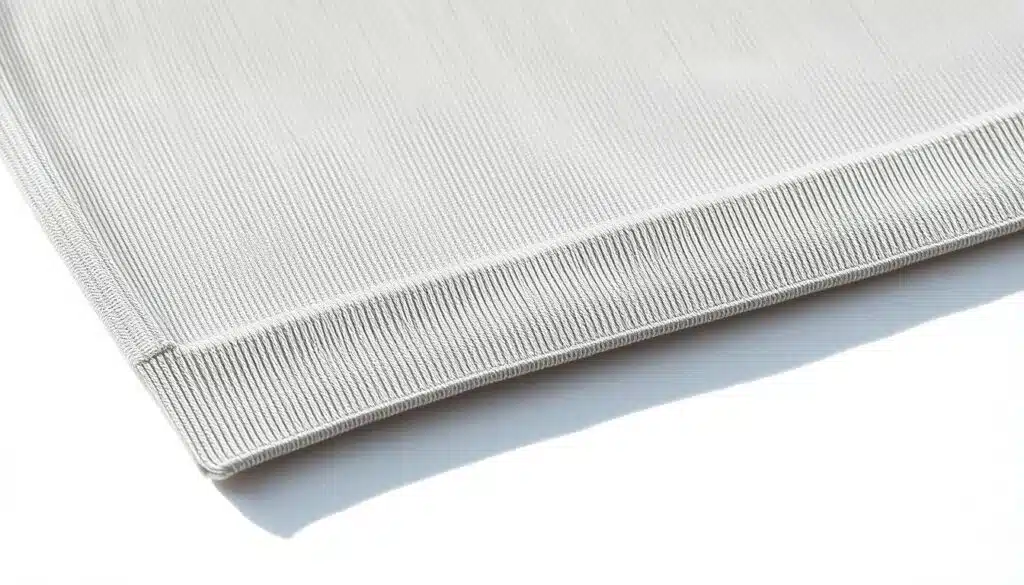
You want hems that move with the body and look high-end. Start by testing scraps, pick the right needle and stabilizer, and choose a hem based on fabric weight and desired finish. Small tests save time and keep your tee or dress from turning into a learning exercise on the wearer.
Coverstitch machines give you the industry-standard look: twin rows on the right side and a looper on the back that lets the hem stretch and recover. If you aim for professional-ready seams on tees and activewear, a coverstitch hem is the gold standard.
Coverstitch hems: why pros use them and how to mimic the look
Pros use a coverstitch hem because it combines durability with a polished face and a stretchy back. You can mimic the effect on a home machine by adjusting tension and testing until the looper-like recovery feels right. For more step-by-step tips on settings and stabilizing, consult a focused how-to guide like Five Easy Ways to Hem Knit.
Twin-needle hems and narrow zigzag alternatives on a regular machine
If you don’t own a coverstitch, a twin needle hem is your closest match. It sews two parallel lines on top with a zigzag below for stretch. Tweak stitch length and tension on scrap until the bobbin zigzag sits neatly without pulling.
A narrow zigzag hem works when a twin needle isn’t available. Use a narrow zigzag hem with small width (0.5–1.5 mm) and modest length (around 2–2.5 mm) for reliable stretch and a clean edge. This option is forgiving for beginners and reduces bulk.
Single-fold, lettuce, and applied hems: when to choose each
Use a single-fold hem for lightweight jerseys to cut bulk and keep hems lying flat. When you want playful edges, a lettuce hem suits lightweight, highly elastic knits but demands careful tension control and short stitch length.
Choose an applied hem when you need structure or must hide uneven cuts. An applied hem or binding lets you add stability, reinforce weak edges, and finish heavier fabrics without bulky folds.
| Hemming Method | Best For | Pros | Quick Settings |
|---|---|---|---|
| Coverstitch hem | Tees, activewear, professional finishes | Stretch recovery, polished right side, durable | Coverstitch machine; test tension for looper balance |
| Twin needle hem | Home sewing, knit garments | Double topstitch look, stretch friendly | Use twin/double needle; moderate length; test bobbin tension |
| Narrow zigzag hem | Beginners, limited equipment | Flexible, low bulk, easy adjustments | Width 0.5–1.5 mm; length 2–2.5 mm; test on scrap |
| Lettuce hem | Lightweight, highly elastic knits | Decorative, ruffled edge | Short stitch length; high differential or slight stretch while sewing |
| Applied hem | Uneven edges, added structure | Conceals flaws, reinforces openings | Attach binding; press and topstitch; stabilize with stay tape if needed |
Necklines, armholes, and bands that sit flat
Getting a neckline or armhole to sit flat is mostly about technique. Start with accurate cutting and sew at a calm pace. Test on scraps first to see how the fabric behaves.
Rib bands and neck finishes: cutting, attaching, and basting for fit
Cut your rib bands a bit shorter than the opening. This way, they stretch to fit and lie flat. Use a grain-aligned strip from stable rib to avoid twisting.
For neckband attachment, baste the band first and try the garment on. Adjust the length if it pulls or gaps. Then, finish with your chosen stitch.
Understitching, stay-stitching, and using clear elastic to control stretch
Understitch at the seam allowance to keep facings from rolling out. Add stay-stitching along curves to stabilize the opening. This helps preserve shape during wear.
Apply clear elastic along shoulder seams and waistlines to stop stretch-induced distortion. Clear elastic works well on slippery jerseys for discreet, steady reinforcement.
Tips to prevent gaping, rolling, and puckering at openings
To prevent gaping, reduce top tension and use a ballpoint or stretch needle. Support the fabric; don’t stretch the band while sewing. If puckering appears, relax stitch length and check feed settings.
Press gently with steam after stitching to encourage the band to settle flat.
Preventing and fixing common finishing problems
Ever had a moment when a seam looks wrong or an edge curls? It can turn your project from perfect to panic. But, there are calm steps to fix these issues, saving time and keeping your knitwear looking great.
Skipped stitches fix often starts with the needle. Try using a ballpoint or stretch needle. Also, swap a dull needle for a new one. Use polyester thread for stretchy areas and avoid cotton in seams that move a lot. If threads break, try lowering top tension and test on a scrap before sewing the garment again.
For skipped stitches that won’t stop, check the feed dogs and presser foot alignment. Simple adjustments can fix the problem without ripping the seam.
Skips and broken threads: needle, thread, and tension troubleshooting
Begin with the basics: a new needle, the right type, and matching thread. If stitches are skipping, try lowering top tension a bit and making the stitch slightly longer. Use a stretch stitch or a three-step zigzag for seams that need to stretch.
Wavy seams, puckering, and tunneling: adjustments and quick fixes
Wavy seams and puckering often mean uneven feeding. A walking foot can help even layers and reduce distortion. On a serger, adjust differential feed to control layers. If tunneling happens, widen or shorten the stitch and lower tension to flatten the ridge.
For tricky seams, use tissue paper under lightweight jerseys. Baste first if unsure; it lets you test without committing.
Dealing with curling edges using starch, stay-stitches, and blocking
Curling edges can be fixed with a mix of temporary and permanent solutions. Light spray starch helps control while sewing. Stay-stitch along curves to keep shape and add narrow fusible interfacing where edges need stability.
For long-term shape, use blocking knits: soak, shape, and lay flat to dry or pin with blocking wires. Steam pressing after blocking sets the edge. Always test methods on scraps to avoid surprises.
| Problem | Immediate Fix | Best Tool | Long-term Fix |
|---|---|---|---|
| Skipped stitches | Replace needle; loosen top tension | Ballpoint/stretch needle | Polyester thread and stitch test on scraps |
| Wavy seams | Lower presser foot pressure; use walking foot | Walking foot or tissue paper | Adjust differential feed on serger |
| Puckering | Loosen tension; lengthen stitch | Stretch stitch or three-step zigzag | Test settings and baste before final seam |
| Tunneling | Widen or shorten stitch; lower tension | Three-step zigzag or coverstitch | Re-stitch with adjusted settings and press flat |
| Curling edges | Light spray starch; stay-stitch | Fusible interfacing strips | Blocking knits and steam press to set shape |
For step-by-step guides and common-sense fixes you can try right now, see this helpful primer on mastering stitch mistakes at mastering your crochet. Use these techniques and you’ll spend less time fixing and more time finishing with confidence.
Advanced finishing tricks for difficult knits
Working with lightweight jerseys or slippery rayon can be tricky. Small changes can make your project look great and feel good. Start with simple steps to keep things in place and choose stabilizers that work well with stretchy fabrics.
Working with slippery rayon and lightweight jersey without distortion
Use a rotary cutter and pattern weights to keep the fabric steady. A light spray of starch helps guide your needle without making the fabric stiff.
Place tissue paper or a thin stabilizer under seams. First, baste, then sew with a walking foot to avoid puckers and skipped stitches.
Stabilizing shoulder seams and waistlines with clear elastic and fusible strips
To strengthen knits at stress points, sew clear elastic into seams. Stretch it a bit as you sew to keep edges flat and comfy.
Fusible strips on the wrong side act like hidden bones for waistlines and shoulders. Choose a low-bulk interfacing to keep the garment’s drape.
Embroidery-friendly finishes and hooping knits without stretch marks
For embroidery on knits, test your stitch density on scraps first. Use tear-away or wash-away stabilizers under your design to protect loops and prevent sagging.
MaggieFrame magnetic hoops make hooping faster and safer for knits. Their textured magnetic surface adjusts to fabric thickness and keeps it steady while stitching.
- Prep: test, baste, then final stitch.
- Tools: walking foot, rotary cutter, pattern weights, and quality stabilizers.
- Finishes: clear elastic for control, fusible strips for shape, and gentle pressing to set seams.
Tool-specific workflows: serger and coverstitch best practices
You want your knits to look and feel like they’re from a store. Start by using the same serger settings every time. Always test small pieces first to see if they work well.
Adjusting the differential feed and stitch length a bit can save you a lot of time. It helps keep hems smooth instead of wavy.

For bulky knits, use a higher differential feed to prevent stretching. Try 1.4–1.6. For slippery jersey, lower it to under 1.0 to stop gathering.
For thick fabrics, increase stitch width and length. This reduces bulk and tunneling.
Need a quick checklist? Use the table below to match fabric types to basic serger settings and a coverstitch note.
| Fabric Type | Serger Settings | Coverstitch Best Practice |
|---|---|---|
| Lightweight jersey | Differential feed 0.8–1.0; short stitch length; fine needles | Shorter stitch length; tighten looper threading for neat top cover |
| Medium knit (T-shirt) | Differential feed 1.0–1.3; standard stitch width; polyester thread | Match stitch length to garment hem; balance looper tension |
| Bulky interlock | Differential feed 1.4–1.6; longer stitch; wider stitch width | Longer stitch length on coverstitch; increase needle tension slightly |
| Rib and stretch bands | Differential feed 1.2–1.5; woolly nylon in loopers helps elasticity | Use looper threading adjustments to mimic commercial hems |
Looper threading is key for soft, elastic seams. Use woolly nylon in the loopers. Make sure threading follows the manual path and secure tails to avoid slips.
Needles should be sharp for smooth sewing. Replace dull ones before starting a big project. This prevents skipped stitches and frayed thread.
Adjust needle and looper tensions carefully. If stitches skip or the seam folds, ease off looper tension a bit. If the seam puckers, lower stitch length or reduce needle tension. Keep the same brand thread in needles and a matching looper thread for consistent results.
Post-serging tips help your garment last. Trim allowances close but leave enough to reinforce. Press seams with steam to flatten allowances and set elastic fibers.
At stress points like underarms and crotch, add a bar tack or short zigzag stitch. Or topstitch through the seam for extra strength.
While serging, support the fabric instead of letting it hang. Use a free-arm or a rolled towel to prevent gravity stretch. After finishing, inspect edges and give a final press so hems sit flat and masks of puckering disappear. These small moves make your work feel like store-bought quality.
Creative finishing ideas to elevate your knits
Make your knits stand out with a unique look that lasts. Start with small, thoughtful choices to elevate your work. Use threads that stretch well and test them on scraps to keep your designs neat.
Contrast bindings add both style and protection. A vibrant bound edge can highlight a piece and hide any raw seams. Use a narrow zigzag or stretch stitch to make sure the binding moves with the fabric. This is great for t-shirts and kids’ clothes where durability is key.
See exposed seams as a design choice, not a mistake. Clean them up, then press them flat for a crisp look. Use woolly nylon for seams that are soft yet strong. Exposed seams can frame panels and show off patterns on casual dresses and sportswear.
Decorative topstitching adds a touch of craftsmanship. Choose a coverstitch, twin-needle lines, or a narrow zigzag for hems and pockets. Use polyester for strength or woolly nylon for texture. Always match stitch length to fabric stretch to avoid puckering.
Introduce rib for stability in key areas. Rib cuffs, waistbands, or panels give shape and prevent sagging. Cut ribs to spring back after wear. Pair rib bands with contrast bindings for extra detail on jackets and sweaters.
Interlock projects are perfect for keeping shapes. Interlock holds its shape better than single jersey, making it great for fitted dresses and waistbands. Use it sparingly; its natural body often means less need for heavy stabilizers.
Match finish to function with these project ideas:
- T-shirts: neat neck bindings and decorative topstitching to resist stretching.
- Activewear: exposed seams and reinforced waistbands for strength and style.
- Leggings: interlock projects for waist stability and clean, flat seams.
- Children’s clothing: contrast bindings and durable seams to survive play.
| Finish | Best For | Recommended Thread | Design Impact |
|---|---|---|---|
| Contrast bindings | Necks, cuffs, hems | Polyester or woolly nylon | High contrast, polished edge |
| Exposed seams | Casual tops, outer layers | Woolly nylon in loopers | Raw, modern aesthetic |
| Decorative topstitching | Hems, pockets, seams | Woolly nylon or polyester | Tailored, eye-catching detail |
| Rib structure | Cuffs, waistbands, panels | Polyester for strength | Added shape and recovery |
| Interlock projects | Fitted garments, stable panels | Polyester or cotton-poly blends | Clean drape and lasting form |
Keep trying new things. Small changes in stitch, thread, and fabric can make a big difference. Your customers will see the quality in fit and durability.
Conclusion
For the best results, slow down and choose the right tools. Building a smooth rhythm is key. This summary reminds us patience and the right tools are as important as seam choice.
Don’t forget to treat pressing and blocking as essential steps. They make your garments last longer and look great. This way, your clothes will fit and look like they came from a store.
Remember, knowing your fabric is the first step. Always pre-wash and stabilize it. Test on scraps and match needles and stitches to the task. Use coverstitch or twin-needle hems for stretchy parts, and straight seams for stable areas.
These steps will turn your hobby projects into pieces you’ll wear often. They’ll look polished and professional.
To get a pro finish, add advanced habits to your routine. Learn to use serger and coverstitch settings well. Use accessories like a walking foot or embroidery frame for tough tasks. Always press to set the shape of your garments.
With the right preparation, tools, and techniques, you’ll make knits that look and feel like store-bought ones. Follow the professional tips in this article to achieve this.
FAQ
Why does finishing knits matter for professional-looking garments?
Finishing knits controls stretch, shape, and durability. It makes seams and hems neat, preventing them from stretching out. This keeps garments looking professional and lasting longer.
It also makes children’s clothes, activewear, and tees withstand washing and wear. If you sell your work, proper finishing raises the perceived value.
How do finishes affect garment durability and wear?
The right seam and stabilization methods are key. Clear elastic in shoulder seams, four-thread serger seams, or coverstitch hems let seams recover after stretching. This prevents popped stitches, wavy seams, and sagging.
Pressing and blocking after construction set the shape and relieve residual distortion. This extends the life of the garment.
Can slowing down really improve my finishes?
Yes, slowing down improves your finishes. A mindful, steady approach reduces skipped and dropped stitches and split yarn or fabric distortion. Take posture breaks and develop a comfortable rhythm.
Test before committing. Slowing down saves time on rework later.
How do jersey, rib, interlock, and double knit behave differently?
Jersey is lightweight and tends to curl at edges; it needs stabilizing and careful hemming. Rib is very stretchy and perfect for cuffs and neckbands.
Interlock is stable, lies flat, and is forgiving for beginners. Double knit is thicker with less stretch and holds structure. Choose seams and hems based on those behaviors.
What is DOGS and why should I test it?
DOGS means Direction Of Greatest Stretch. Knits usually stretch more crosswise than lengthwise. Testing scrap pieces tells you which way to lay pattern pieces so the greatest stretch wraps around the body.
This prevents misshapen garments and saggy hems.
How does fiber content change finishing choices?
Fiber matters: cotton can shrink and may need pre-washing and stabilizing; polyester adds stability and resists wrinkles; rayon is slippery and drapey, requiring tissue or wash-away stabilizers. Adjust pressing, stitch choice, and stabilization methods by fiber to avoid surprises.
What needles and threads should I stock for knits?
Use ballpoint/jersey needles for most knits and stretch needles for highly elastic fabrics. Needle sizes 70/10–90/14 match fabric weight. Polyester thread is best for stretch—avoid cotton for seams.
Use woolly nylon in serger loopers or the bobbin for soft, elastic seams.
When should I use a walking foot, serger, or coverstitch machine?
A walking foot helps feed layers evenly and prevents stretching on a regular machine. A serger gives clean, durable, stretchy seam finishes—use four-thread seams for strength. A coverstitch is ideal for professional hems and necklines; if you don’t have one, use a twin needle or narrow zigzag.
Which stabilizers and accessories prevent distortion?
Tissue paper or wash-away stabilizer under seams keeps slippery knits from pulling into the machine. Clear elastic or fusible interfacing stabilizes shoulders and waistlines. For embroidery, the MaggieFrame magnetic hoop holds knits without hoop marks.
Pattern weights, a rotary cutter, and a cutting mat reduce shifting when cutting.
Should I pre-wash knit fabrics?
Always pre-wash as you will launder the finished garment. Some knits shrink or bleed dye. Lay fabrics flat to dry for at least 24 hours to stabilize.
Pre-washing reduces post-construction surprises and helps you choose final seam and hem lengths.
How do I cut knits without causing distortion?
Use a rotary cutter, mat, and pattern weights instead of pins to avoid stretching. For rolling edges, spray starch or apply temporary fusible stabilizer. Cut with the grain aligned to DOGS.
Keep pieces flat and don’t tug while cutting.
How should I test machine settings before sewing a garment?
Always sew on large scraps of your exact fabric: try ballpoint or stretch needles, stitch types (narrow zigzag, three-step zigzag, lightning bolt), stitch length (2.0–2.5 mm typical), presser foot pressure, and tension. Adjust until the seam stretches and recovers without popping.
Which seam should I use for stretchy areas?
Use zigzag or stretch stitches for high-elasticity zones; straight stitch is fine for stable knits. On a serger, use four-thread seams for durable stretch. For heavy knits, widen stitch width and length to reduce tunneling.
Always test and baste tricky seams first.
How do I handle bulky seams so they lie flat?
Grade or trim seam allowances, press with steam, and consider understitching or clipping curves to reduce bulk. For very bulky layers, press allowances to one side or use single-fold hems to minimize thickness.
Support the fabric while sewing to avoid gravity-induced stretching.
Why do pros use coverstitch hems and how can I replicate them?
Coverstitch machines make twin rows on the right side with a stretchy looper stitch on the back for professional stretch recovery. If you don’t have one, use a twin needle on a regular machine or a narrow zigzag underneath to mimic the look and function.
When should I pick a twin-needle hem vs. lettuce or applied hems?
Use twin-needle hems for a classic double-row finish on medium-weight jerseys. Lettuce hems suit lightweight, highly elastic knits for a decorative edge but need careful tension. Applied hems or bindings suit uneven edges or when you need extra structure.
How do I attach rib bands that lie flat and don’t gape?
Cut rib bands slightly shorter than the opening so they stretch to fit. Baste the band to the garment first, try it on, adjust length, then finish. Use narrow zigzag or coverstitch and reduce presser foot pressure.
Understitch and press gently after attaching.
What prevents gaping, rolling, and puckering at necklines and armholes?
Stay-stitch curved openings, use clear elastic or fusible strips along shoulder seams, and baste slippery knits before final stitching. Use ballpoint/stretch needles, reduce top tension, and press with steam to set finishes.
Test on scraps to dial settings.
Why am I getting skipped stitches or broken threads?
Skipped stitches often come from the wrong needle type or a dull needle. Replace needles regularly and use ballpoint or stretch needles. Use polyester thread, check bobbin and looper threading, and loosen top tension if threads break.
On a serger, ensure looper threads are properly seated and consider woolly nylon for loopers.
How do I fix wavy seams, puckering, and tunneling?
Try a walking foot, lower presser foot pressure, adjust differential feed on a serger, and test stitch length and tension on scraps. For tunneling, widen or shorten stitches and lower tension. Tissue stabilizers under seams can help until you’ve dialed settings.
What’s the best way to deal with curling edges?
Temporary fixes include spray starch or fusible interfacing strips. Long-term solutions are blocking (soak, shape, lay flat to dry), stay-stitching, and finished hems like coverstitch or applied bindings. Test methods on scraps to avoid damage.
How do I sew slippery rayon and lightweight jersey without distortion?
Pre-stabilize with starch spray and use tissue paper or wash-away stabilizer under the sewing line. Cut with a rotary cutter and use pattern weights. Sew with a walking foot, baste before final seams, and use narrow zigzag or three-step zigzag as needed.
How can I stabilize shoulders and waistlines so they don’t stretch out?
Sew clear elastic into shoulder seams and waistlines or apply fusible interfacing strips to the wrong side. Stay-stitch curves and use understitching where appropriate. These methods keep shape while preserving comfort and stretch.
How do I hoop knits for embroidery without stretch marks?
Use a magnetic hoop like the MaggieFrame or textured magnetic surfaces to hold fabric without hoop burns. Hoop with tear-away or wash-away stabilizers and test stitch density on scraps so embroidery won’t distort the knit.
What serger settings help different knits feed correctly?
Adjust differential feed—raise it for bulky knits (around 1.3–1.5) and lower it for slippery fabrics. Increase stitch width and length for bulky knits to avoid tunneling. Always test on scraps and tweak until seams stretch and recover.
Any tips for threading and looper management to avoid seam failures?
Follow manufacturer threading paths carefully, keep loopers threaded with woolly nylon for soft stretch, and balance tensions between needles and loopers. Replace dull needles and check that looper threads are secured; test on scraps before final seams.
What post-serging steps make seams look and perform better?
Trim seam allowances appropriately, press with steam to flatten and set, and reinforce stress points with bar tacks or short zigzags. Topstitch high-wear areas and support fabric while sewing to avoid gravity-induced stretch.
How can I use contrast bindings, exposed seams, or topstitching without losing stretch?
Use stretch-friendly threads (polyester, woolly nylon), choose stitch types that allow recovery (narrow zigzag or coverstitch), and stabilize attachment points lightly. Exposed overlock seams can be a design feature if trimmed cleanly and sewn consistently.
Which projects benefit most from polished finishes?
T-shirts, activewear, leggings, dresses, and children’s clothing show the biggest difference. Clean hems and stable necklines increase wearability and perceived value—important when you sell garments or gift them with pride.
What final steps ensure a store-ready knit garment?
Block or steam-press finished pieces, check seam recovery, trim loose threads, and reinforce stress points. A final press and inspection for even hems and flat necklines turn a homemade piece into something you’d happily display on a rack.