If you’ve ever looked at a pattern starting with MR 6 and felt unsure, this tutorial is here to help. You’ll learn to crochet a magic ring step by step. This way, your amigurumi start and other round projects will have a neat center without any holes.
The magic circle crochet method is perfect for round projects like hats, granny squares, cushions, or stuffed toys. Instagram has short clips that show the steps, but this guide offers a clear, funny walkthrough you can start using right away.
There are many techniques, but using one method consistently will give you reliable results. You’ll learn how to make, tighten, and secure the loop. This way, your project will look like a pro’s—no need for a double magic circle unless you want extra security.
Key Takeaways
- The magic ring crochet prevents a hole at the center of round projects.
- You can master the magic circle crochet with a few focused practice rounds.
- This crochet tutorial for beginners covers the basics needed for an amigurumi start.
- Instagram short clips are great visual supplements to written steps.
- Consistency in method yields neater, more predictable crochet in the round.
What is a Magic Ring and Why You’ll Love It
Ever wondered about the magic ring? It’s a loop you crochet into and then tighten. This makes a neat start without a hole. It’s better than starting with a chain.
Definition and alternate names
This technique is known by many names. Some call it the magic loop crochet, others magic ring or circle. Each name refers to the same idea: a neat start that keeps your first round tidy.
Benefits over other starting methods
Using the magic ring gives you a cleaner finish. It’s better than a chain start, which can leave a gap. This method closes the center completely, making your projects look professional.
Common project types that use the magic ring
Many projects use the magic ring. These include amigurumi, hats, granny motifs, cushions, and small motifs. It’s great for making shapes even from the start.
For a step-by-step guide, check out this tutorial. It’s perfect for visual learners.
| Feature | Magic Ring | Chain-and-Join |
|---|---|---|
| Center appearance | Tight, no hole | Visible gap possible |
| Security | Secure when tail is woven | Secure after joining and weaving |
| Best for | Amigurumi, hats, round motifs | Flat rounds, simple circles |
| Learning curve | Beginner-friendly with practice | Very easy to start |
| Alternate names | Magic circle, magic loop crochet | Chained ring, chain-and-join |
Tools, yarn, and gauge recommendations for beginners
Getting the right kit makes the magic ring feel… well, magical. Pick yarn and hooks that show your stitches clearly. Start with materials that reduce frustration and boost progress.
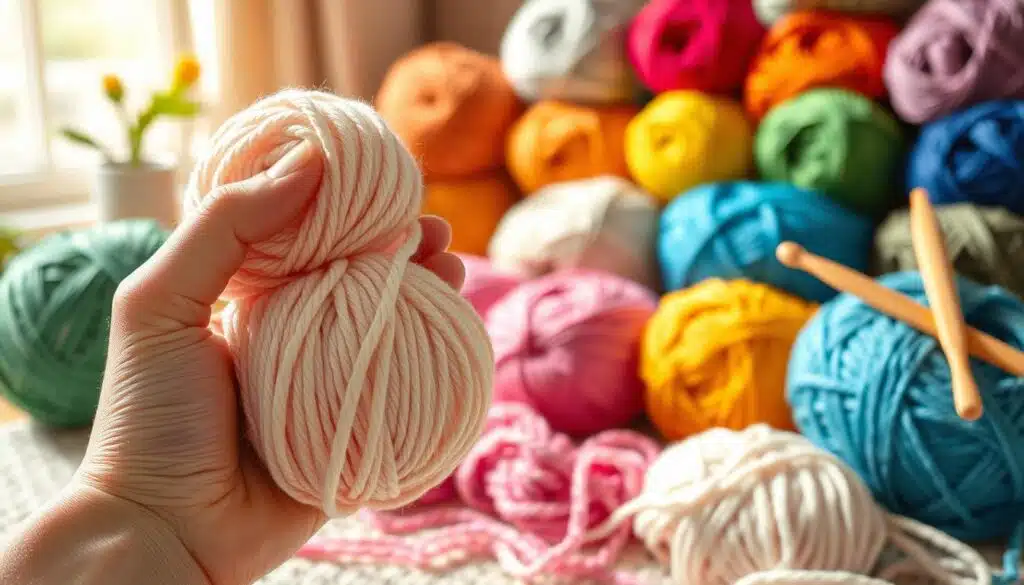
Suggested yarn and hook choices
Start with a worsted weight #4 yarn like Red Heart Super Saver. It’s easy to see and forgiving for learning. For the demo, a 3.5mm Rose Gold Odyssey crochet hook from Furls pairs well with it to create neat, readable stitches.
For amigurumi, patterns often call for a smaller hook relative to the yarn to tighten stitches. Many makers pair firm single crochet with a smaller hook so stuffing doesn’t peek through. If you plan to make toys, test a few hook sizes until you get the dense fabric you need.
Optional tools to make it easier
Simple extras save time and headaches. A comfortable ergonomic hook like the Furls Rose Gold Odyssey reduces hand strain during practice. Use stitch markers to mark rounds and a tapestry needle for weaving tails into the center after you pull the ring closed.
Scissors are a must. Keep Instagram or YouTube handy for short demos that show hand position and tension in action. Those channels pair well with tactile tools and speed up learning.
Gauge and tension tips
Start with your first single crochet and following stitches slightly loose before you tighten the ring. Overly tight first stitches make the next round hard to work into and can ruin your gauge. If the ring closes too tight, use a yarn needle to ease the first stitch until you can insert your hook.
Practice consistent tension and check gauge when following patterns. Amigurumi benefits from tighter tension so stuffing doesn’t show. Keep these gauge tips in mind as you swap yarns or adjust hook sizes.
| Item | Recommendation | Why it helps |
|---|---|---|
| Practice yarn | Red Heart Super Saver, worsted #4 | Clear stitch definition, budget friendly, easy to handle for beginners |
| Crochet hook for beginners | 3.5mm Furls Rose Gold Odyssey (ergonomic) | Comfortable grip, smooth hook head, good balance for learning |
| Amigurumi setup | Worsted yarn + smaller hook than usual | Tighter single crochet fabric prevents stuffing from showing |
| Tools for crochet beginners | Stitch markers, tapestry needle, scissors | Markers track rounds, needle secures tails, scissors finish projects cleanly |
| Tension for magic ring | Moderately loose on first round, tighten when comfortable | Makes rounds easier to work and maintains consistent gauge |
| Gauge tips | Swatch and adjust hook size as needed | Ensures finished size matches pattern and stuffing coverage for toys |
Step-by-step magic ring crochet tutorial with clear actions
Want to make a magic ring that’s neat and secure? This guide is short and funny. It shows you how to crochet a magic circle with easy steps. Each step is simple, so your first round will look great.
Step: Forming the initial loop
Place your yarn flat and make a loop like a slip-knot. Use 5–6″ tail for worsted weight yarn. For bulky yarn, use more. This tail will be woven in to secure the ring.
Step: Insert fingers and grab working yarn
Put your thumb and forefinger through the loop and twist it a bit. Use your hook to grab the yarn through the center. Make sure not to catch the tail. You can also wrap the yarn twice around your finger and insert the hook under the first two loops for more stability.
Step: Pull working yarn through and chain
Pull the yarn through the loop with your hook or fingers. Leave the loop a bit loose. Chain 1 or as your pattern says to secure the loop. Pinch the tail and working yarn together to keep the ring steady.
Step: Work stitches into the ring
Put the hook into the big loop and do the stitches needed. For many amigurumi, you’ll do 6 single crochets. For a quick guide on stitches, check Crochet Stitch Guide.
Step: Close and secure the ring
Join to the first stitch with a slip stitch if needed. Pull the tail to close the hole. Don’t cut the tail yet. Weave it through the center to secure the join. If the first stitch is too tight, use a yarn needle to loosen it before going on.
| Action | What to watch for | Quick tip |
|---|---|---|
| Form loop | Loop too tight or too short tail | Leave 5–6″ tail for worsted weight |
| Insert fingers & grab yarn | Accidentally catch the tail | Use thumb and forefinger to steady the loop |
| Pull through & chain | Ring cinched too soon | Chain 1 to secure without tightening |
| Work stitches (MR 6 tutorial) | Uneven stitch tension | Keep stitches the same height and count |
| Close & secure | Hole left open or tail cut | Weave tail through center, don’t cut |
Visual and video learning aids to speed up mastery
Short visual guides make the magic ring feel less mysterious. You can follow a few clear images, study a clip frame by frame, and then try the motion yourself. Use a mix of both to lock in the sequence of movements.
Using step photos for clarity
Step-by-step pictures let you see loop placement, where the hook should enter, and how stitches sit on the ring. Look for tutorials that label each frame or draw rings and arrows on images to show stitch placement.
When you compare magic circle photos from different creators, you learn common hand positions and small adjustments that make a big difference in tension.
Watching short instructional videos
Short clips on platforms like YouTube and Instagram show timing and hand movement in real time. A focused YouTube magic ring clip can demonstrate the full start in under a minute, which is perfect for quick practice sessions.
Instagram crochet videos are great for repeated viewing. Loop a 15- to 30-second loop to copy the motion until it becomes second nature.
Practicing with close-up angles
A crochet close-up tutorial that uses macro shots helps you see the hook enter the loop and how tension changes as you pull yarn. Close-ups reduce guesswork about which strand to grab and prevent catching the tail by mistake.
Seek slow-motion or repeated-loop clips to break down each motion. Repetition from clear angles speeds up mastery more than long, unfocused demonstrations.
Troubleshooting common beginner mistakes
Don’t worry if your first round seems like a puzzle. Most magic ring problems can be fixed with a few tweaks. Here are steps to fix a ring that won’t close, stitches that are too tight, and how to keep your work secure.
What to do when the ring won’t close
Start by gently pulling each strand of the original loop to find the loose one. Pull that loose strand to start closing the loop. Then, pull the tail to tighten it further. If a hole remains, check if you cut the tail too soon. Always weave in the tail before cutting it.
For a visual guide, check out Crochet Coach. It has a beginner’s guide on handling loops and can help avoid the ring won’t close problem.
Fixing stitches that are too tight
If your first single crochet is too tight, use a yarn or tapestry needle to loosen it. This makes it easier to insert the hook. Loosening the stitch saves yarn and keeps your work neat.
Don’t pull the initial loop too tight until you’ve finished the first round. A gentle close makes it easier to work and avoids the need for a tight magic ring fix later.
Preventing the ring from coming undone
Don’t cut the tail after closing the loop. Weave the entire tail into the center of the ring to secure it. This method is like a double magic circle but simpler.
To make this a habit, weave in the tail as soon as the first few rounds are stable. This creates a secure magic circle that won’t let you down.
| Problem | Quick Fix | When to Use |
|---|---|---|
| Ring won’t close | Identify and pull the loose strand; pull the tail; don’t cut tail | Right after forming the ring and before trimming |
| First stitch too tight | Use a yarn/tapestry needle to loosen stitch; avoid over-tightening when closing | When you can’t insert hook for next round |
| Ring comes undone | Weave the tail into the center fully; consider double wrap method for extra security | After closing ring and working first few rounds |
Variations and advanced tips once you’ve nailed the basics
Once you master the magic ring, you can explore new techniques. These tweaks help fix fit and texture issues without starting over. Choose what fits your project and skill level.
Double wrap and alternative ring techniques
Wrap the yarn twice around your finger for a tighter loop. The double magic circle is great for dense items like amigurumi. For lacy designs, try the chain-and-join method for a seamless look.
Adjusting stitch counts for pattern shaping
Most patterns start with MR 6 for a tight center. Change the count to make the initial circle bigger or smaller. To shape a bowl, reduce increases in one round. For a flat circle, keep increases even.
Combining the magic ring with other stitches
Once you’re confident, add half double crochet, double crochet, or post stitches for texture. Crocheting in the third loop of a hdc creates ridges. Mixing stitches with the magic ring opens up design possibilities.
Try each variation on a small swatch before making a full piece. This lets you see how it looks and feels. With practice, these advanced techniques will become second nature.
Practice patterns to build confidence quickly
Start with simple, fun projects. Look for magic ring patterns that use MR 6, MR 8, and MR 12. These patterns help you understand how stitch count affects size and shape.
Simple samplers to try
Begin with three flat disks. One has 6 single crochets, another 8, and the last 12. Use medium-weight yarn and a 5.5 mm hook for consistent results.
Practice different stitches inside the ring. This will help you feel the tension and how it affects the center. If your disk gaps, tighten the tail and weave it through with a yarn needle.
Top-down hat starter pattern
Many hat patterns start with a magic ring at the crown. This creates a neat, hole-free center. Start with MR 6 for a baby hat, MR 8 for a child, and MR 12 for an adult.
For a visual guide, check out a tutorial that links to video and written instructions. This helps you match stitch counts to head sizes and spot where adjustments are needed.
Where to find free patterns and inspiration
For more projects, search social platforms for short clips and community patterns. Ravelry and Pinterest have many free patterns. Yarn brands like Red Heart publish guides and free patterns for quick practice.
Follow creators on Instagram and watch YouTube tutorials for close-up views. For a detailed guide on making the magic circle, read this helpful guide: how to make the magic circle. For hat tutorials and brim shaping, try this guide: top-down hat tutorial.
| Practice Piece | Starting MR Count | Stitch Types to Try | What You Learn |
|---|---|---|---|
| Small disk | MR 6 | Single crochet, half double | Tension control, tight center for amigurumi |
| Medium disk | MR 8 | Single, double crochet | Even increases, flatter circle shaping |
| Large disk / hat crown | MR 12 | Half double, double | Crown shaping, transition to rounds for top-down hat pattern |
| Mini amigurumi piece | MR 6 or MR 8 | Single crochet | Stuffed shaping, use as a beginner amigurumi pattern starter |
magic ring crochet
Using jargon in patterns can scare off readers. Use simple terms like MR 6 keyword to match what crocheters search for. Also, note different names like magic circle and magic loop to catch more searches.
Your pattern should be easy to find and use. Treat magic ring crochet SEO as part of your pattern, not an extra step. Place the phrase in headings, example rounds, and a short intro. Use simple language in stitch notes for beginners.
Short, visual steps are key. Add step photos and a 30–90 second clip with written rounds. This boosts engagement and helps with crochet tutorial SEO by keeping people on your page longer.
Tags help people find your content. Tag crochet magic ring with hashtags like #magicring, #magiccircle, and #crochettutorial. Share clips on Instagram, full tutorials on YouTube, and pattern cards on Pinterest and Ravelry.
Keep a small keyword table handy for quick reference. This helps you stay consistent in your posts.
| Purpose | Example | Where to Use |
|---|---|---|
| Primary keyword | magic ring crochet SEO | Title, H1, intro paragraph |
| Abbreviation for patterns | MR 6 keyword | Stitch lists, rounds, pattern notes |
| How-to phrase | how to write crochet tutorials | Author notes, blog posts, FAQs |
| Performance phrase | crochet tutorial SEO | Meta tags, marketing copy, newsletters |
| Sharing tag | tag crochet magic ring | Social tags, alt text, image captions |
Conclusion
You’ve learned how a simple magic ring can start projects without holes. This technique is key for making amigurumi, hats, and more with a clean finish. By practicing, you’ll get faster and more confident.
Use videos and photo guides to improve your skills. Keep your tools, like an ergonomic hook and yarn, ready. For more tips, check out magic loop knitting on YouTube.
Remember, don’t cut the yarn tail. Weave it in instead. If stitches are too tight, loosen the first one. Keep your tension even until it feels natural. This will help you master the magic ring and complete projects easily.
FAQ
What is a magic ring (also called a magic circle or magic loop)?
The magic ring is a crochet start where you form an adjustable loop. You work stitches into it and then pull the tail to close the center. It’s the standard beginning for many round projects and amigurumi patterns, often abbreviated as “MR” (for example, MR 6 = 6 single crochet into the ring).
Why should you use a magic ring instead of a chained-ring start?
The magic ring closes tightly, eliminating the visible hole that a chained-ring or chain-and-join start leaves. When you weave the tail around the very center, the ring is as secure as a double magic circle and won’t gape at the crown of hats or the center of amigurumi pieces.
What projects commonly use the magic ring?
You’ll find the magic ring in amigurumi, top-down hats, granny squares started in the round, cushions, and other round motifs. Many amigurumi patterns begin with MR 6, making it a ubiquitous skill for small round starts that expand outward.
What yarn and hook should I use to practice the magic ring?
For practice, use an accessible worsted weight #4 yarn such as Red Heart Super Saver and a medium hook like 3.5mm. For demonstrations, the 3.5mm Rose Gold Odyssey hook from Furls is a popular ergonomic example. For amigurumi, consider using a smaller hook relative to your yarn to tighten stitches.
Are there any optional tools that make the magic ring easier?
Yes. Helpful extras include an ergonomic hook (example: Furls Rose Gold Odyssey), a tapestry needle to weave the tail into the center, stitch markers to mark rounds, and sharp scissors. Short clips on Instagram and YouTube pair well with these tools for visual learning.
How do I manage gauge and tension when starting a magic ring?
Keep your first single crochet and the following stitches moderately loose before tightening the ring. If you pull the ring closed too tightly, loosen the first stitch with a tapestry needle so your hook can fit. Practice consistent tension and check gauge for pattern-specific needs; amigurumi typically benefits from tighter tension.
How do I form the initial loop for a magic ring?
Lay the yarn on a flat surface and make a loop like a loose slip-knot, leaving a 5–6″ tail for worsted weight yarn (longer for bulky yarn). That tail will be woven into the center to secure the ring, so don’t cut it.
What’s the simplest way to grab the working yarn and start stitches in the loop?
Put your thumb and forefinger through the loop, twist, and use the hook to pull the working yarn through the center of the loop while avoiding the tail. An alternative is wrapping the yarn twice around your finger and inserting the hook under the first two loops before pulling through.
Do I chain after pulling the working yarn through the loop?
Yes—pull the working yarn through the center loop and chain 1 (or whatever the pattern requires) to secure the loop on your hook. Pinching the tail and working yarn together helps hold the ring steady while you work.
How many stitches go into the first round of a magic ring?
It depends on the pattern, but MR 6 (six single crochets in the ring) is extremely common for amigurumi and tight-start circles. Other starts like MR 8 or MR 12 are used for larger initial rounds; practice these to see how stitch count affects size.
How do I close and secure the magic ring once the first round is done?
Join to the first stitch with a slip stitch if the pattern calls for it, then gently pull the tail to cinch the loop closed. Don’t cut the tail—weave it around and through the very center of the closed ring with a tapestry needle to secure it; this prevents unraveling and rivals the double magic circle.
Should I use step photos or videos to learn the magic ring?
Yes. Step-by-step picture tutorials help you visualize loop placement and stitch positions; short videos on YouTube and Instagram show hand motion and timing. Instagram is useful for short-form clips and linking quick demonstrations.
What camera angles help when watching tutorials?
Close-up and macro angles make it easier to see the hook entering the loop and the tension in your yarn. Slow-motion or repeated-loop clips are helpful for beginners so you can replicate hand movements without missing the tail.
What do I do when the ring won’t close?
Tug gently on both strands of the original loop to identify the loose strand, then pull that to begin closing. If the hole persists, check that you didn’t cut the tail; you need that tail to pull the ring fully closed and to weave it in afterward.
How can I fix stitches that are too tight after closing the ring?
Use a tapestry or yarn needle to poke through and loosen the first single crochet enough to insert your hook for the next round. In future attempts, avoid cinching the ring too tightly before you finish the first round.
How do I prevent the magic ring from coming undone?
Never cut the tail immediately. Weave the entire tail around and into the center of the ring to lock it in place. This weaving makes the magic ring as secure as a double magic circle without leaving a visible gap.
What are some alternative or double-wrap techniques for starting a ring?
Variations include wrapping the yarn twice around your finger before inserting the hook or using a “double magic circle” for extra security. Crocheters choose different wraps for texture or personal comfort; consistency in your chosen method yields the most reliable results.
How do I adjust stitch counts to shape a project that starts with a magic ring?
Increase evenly around the ring to expand a flat circle, or follow your pattern’s specified counts for shaping. MR 6 is the common starting point for tight circles; from there you can increase by set patterns to shape hats, discs, or amigurumi bodies.
Can I work other stitches into a magic ring beside single crochet?
Absolutely. Once you’re comfortable, work half double crochet, double crochet, or textured stitches (front/post or back/post) into the magic ring for different textures. Start simple and add complexity as your confidence grows.
What simple samplers build confidence with the magic ring?
Try MR 6, MR 8, and MR 12 samplers to see how stitch counts change the diameter. Make flat circles and little disks to practice tension and stitch placement until the motion becomes second nature.
How is the magic ring used in a top-down hat pattern?
Top-down hats often start with a magic ring at the crown to create a neat, hole-free center. The ring provides a tidy foundation for expanding rounds; many free hat patterns use this method as a beginner-friendly starter.
Where can I find free patterns and inspiration that use the magic ring?
Look to YouTube and Instagram for tutorial videos and short clips. Ravelry, Pinterest, and yarn brand libraries like Red Heart host many free patterns that start with the magic ring. Facebook groups and pattern-collecting boards are other good sources.
How should pattern authors label the magic ring in written patterns?
Use clear abbreviations like “MR 6” and note alternate names—magic ring, magic circle, magic loop—so readers find your pattern using varied search terms. Specify stitch counts and any chain that secures the ring for clarity.
What tags and sharing practices help tutorials reach crocheters online?
Share short clips on Instagram and full tutorials on YouTube. Use tags like #magicring, #magiccircle, #amigurumi, and #crochettutorial. Link to Ravelry and Pinterest for pattern collectors and encourage shares to grow reach organically.
Any final practical tips to master the magic ring quickly?
Don’t cut the tail—weave it into the center. Keep first stitches moderately loose, loosen over-tight stitches with a tapestry needle, and practice MR 6 until it feels automatic. Use short videos and close-up photos for reference, and keep an ergonomic hook and worsted yarn like Red Heart Super Saver on hand while you learn.