Double bed knitting machines represent a sophisticated leap in the world of fiber crafts, offering versatility and efficiency that single bed machines simply cannot match. While many crafters are familiar with traditional crochet and knitting methods, double bed machines open up a realm of possibilities for creating complex textures, ribbing, and intricate patterns. Whether you’re exploring machine knitting as a complement to your hand crafting skills or seeking to expand your creative horizons beyond crochet, understanding these remarkable tools can transform your approach to textile creation.
What Is a Double Bed Knitting Machine
A double bed knitting machine features two needle beds positioned at an angle to each other, typically forming a V-shape or inverted V configuration. Unlike single bed machines that produce flat stockinette fabric, double bed machines allow needles from both beds to work together, creating tubular knitting, ribbing, and textured fabrics that would be time-consuming or impossible to achieve by hand.

The basic components include:
- Main bed: The primary needle bed that forms the foundation of your knitting
- Ribber attachment: The second bed that works in conjunction with the main bed
- Carriage system: Moves across both beds to manipulate needles and create stitches
- Tension controls: Regulate yarn feed for consistent fabric quality
- Pattern selection mechanisms: Allow for complex stitch combinations and designs
These machines typically accommodate standard gauge, mid-gauge, or bulky yarns, similar to the variety of thread weights used in crochet projects. The precision and speed offered by double bed machines make them ideal for crafters who want to produce professional-quality garments and accessories efficiently.
Benefits of Double Bed Knitting Machines
The advantages of investing in a double bed knitting machine extend far beyond simple speed improvements. These versatile tools offer unique capabilities that appeal to both hobbyists and professionals in the fiber arts community.

Fabric versatility stands as the primary benefit. Double bed machines create true ribbing with the elasticity needed for cuffs, collars, and waistbands. They produce double-faced fabrics, tuck stitches, and complex colorwork patterns that would challenge even experienced hand knitters. This versatility mirrors the way crocheters use different stitches and techniques to create varied textures in amigurumi and other projects.
Time efficiency cannot be overstated. What might take days to complete by hand can be finished in hours on a double bed machine. For crafters who sell their work or create items for family and friends, this efficiency translates directly into more completed projects and greater creative satisfaction.
Professional results become achievable even for relative beginners. The mechanical precision ensures consistent gauge and tension throughout your projects, eliminating the irregular stitches that often plague hand-knitted items. According to Britannica, knitting machines have revolutionized textile production since their invention, bringing industrial-quality results to home crafters.
Physical comfort matters too, especially for those who spend hours crafting. Machine knitting reduces repetitive hand motions compared to traditional knitting or crochet work. The CDC recommends varying activities to prevent repetitive strain injuries, and alternating between different crafting methods supports long-term crafting health.
Types of Projects Perfect for Double Bed Machines
Double bed knitting machines excel at specific project types where their unique capabilities shine. Understanding these ideal applications helps crafters maximize their machine investment and creative potential.
Sweaters and cardigans represent the quintessential double bed project. The ability to create seamless tubular knitting means you can produce entire sweater bodies without side seams. Ribbed edges integrate naturally into the garment construction, and complex colorwork patterns emerge effortlessly through the machine’s pattern mechanisms.
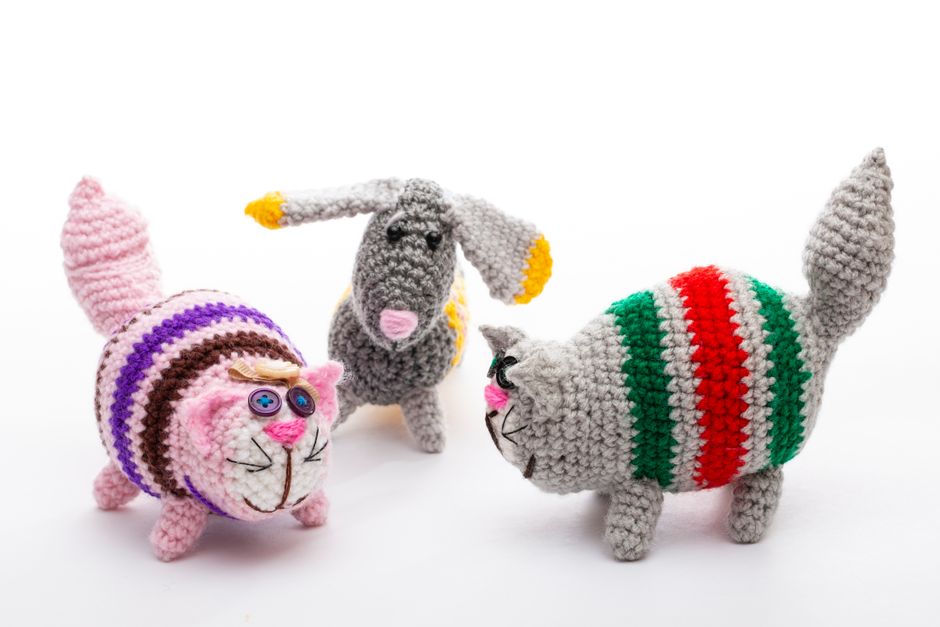
Socks and sleeves benefit enormously from double bed capabilities. The circular knitting function produces seamless tubes perfect for socks, while the ribbing creates the stretch needed for comfortable fit. Many crafters who love creating amigurumi characters also enjoy making coordinating accessories, and machine-knitted socks complement handmade dolls beautifully.
Blankets and afghans work up quickly on double bed machines, especially those featuring textured patterns or ribbed sections. The consistency of machine knitting ensures even tension across large projects, preventing the gauge variations that sometimes plague hand-knitted blankets.
Accessories including scarves, hats, and cowls showcase double bed versatility. Reversible fabrics mean both sides look finished and professional, while ribbing provides the structure and elasticity these items require.
Learning Curve and Skill Development
Transitioning to double bed knitting machines requires patience and practice, but the learning process proves rewarding for dedicated crafters. The mechanical nature differs significantly from the intuitive hand movements of crochet or knitting, demanding a different mindset and skill set.
Initial setup presents the steepest learning curve. Understanding needle configuration, tension settings, and carriage adjustments takes time and experimentation. Most manufacturers provide comprehensive manuals, but hands-on practice remains essential for developing competence.
Tension management challenges even experienced machine knitters. Different yarns require specific tension adjustments, and learning to read your fabric helps you make necessary corrections before completing entire projects. This mirrors the way crocheters learn to gauge their work and adjust hook sizes accordingly.
Pattern reading for machine knitting differs from both written crochet patterns and hand knitting instructions. Machine knitting patterns often use punch cards or electronic programming, requiring crafters to learn a new visual language for their craft.
Problem-solving skills develop through experience. Dropped stitches, carriage jams, and tension issues occur regularly during the learning process. Building troubleshooting capabilities transforms frustration into learning opportunities, ultimately making you a more competent machine knitter.
Just as Sleep Foundation research shows that learning new skills can improve cognitive function and overall wellbeing, mastering double bed knitting machines provides mental stimulation and creative satisfaction that extends beyond the finished projects themselves.
Choosing Your First Double Bed Machine
Selecting the right double bed knitting machine involves balancing budget, space constraints, project goals, and available support resources. The investment represents a significant commitment, so informed decision-making proves essential.
Brand considerations include Brother, Silver Reed, and Passap, each offering distinct advantages. Brother machines often feature the most available parts and robust user communities. Silver Reed provides excellent build quality and modern features. Passap machines, while discontinued, maintain devoted followings for their unique capabilities.
New versus vintage presents another decision point. Vintage machines cost less but may require maintenance and part replacement. New machines offer warranties and modern conveniences like electronic pattern selection, but command premium prices.
Gauge selection depends on your intended projects. Standard gauge machines work with fingering to sport weight yarns, mid-gauge handles worsted weights, and bulky machines accommodate chunkier fibers. Consider which weights align with your creative vision and existing yarn stash.
Space requirements deserve careful consideration. Double bed machines demand dedicated space, ideally a sturdy table or custom stand that won’t flex during operation. Factor in storage for accessories, tools, and yarn when planning your crafting area.
Complementing Your Crochet Practice
For dedicated crocheters, double bed knitting machines offer complementary capabilities rather than replacement technology. The two crafts work beautifully together, each contributing unique strengths to your creative toolkit.
Machine-knitted garment bodies can receive hand-crocheted edgings, adding personal touches and decorative elements that showcase your amigurumi skills. Crochet embellishments transform simple machine-knitted pieces into unique, artisanal creations that combine efficiency with handmade charm.
The structural fabrics produced on double bed machines provide excellent foundations for crochet appliques and surface crochet techniques. Your detailed amigurumi experience translates well to creating three-dimensional embellishments for machine-knitted sweaters and accessories.
Understanding both techniques expands your pattern possibilities exponentially. You can design garments that leverage machine knitting for speed and consistency while incorporating crochet for intricate details, colorwork, and special touches that make each piece truly one-of-a-kind.
Conclusion
Double bed knitting machines represent powerful tools for fiber artists seeking to expand their creative capabilities beyond traditional hand techniques. While the learning curve requires dedication and patience, the rewards include professional-quality results, remarkable versatility, and time efficiency that transforms ambitious projects from dreams into reality. For crocheters already passionate about creating beautiful handmade items, these machines offer complementary technology that enhances rather than replaces hand skills. Whether you’re drawn to seamless sweater construction, perfectly ribbed accessories, or complex textured fabrics, double bed knitting machines open creative doors worth exploring. The investment in equipment and learning pays dividends in expanded capabilities, finished projects, and the deep satisfaction of mastering sophisticated fiber arts technology.