Chunky yarn has revolutionized the world of blanket-making, offering crocheters and knitters alike the ability to create cozy, statement pieces in a fraction of the time traditional yarns require. Whether you’re a beginner looking to complete your first blanket project or an experienced crocheter seeking the perfect fiber for your next masterpiece, choosing the right chunky yarn can make all the difference in your finished product.
The popularity of chunky blankets has soared in recent years, thanks to their luxurious texture, quick completion time, and Instagram-worthy appeal. But with countless options flooding the market, finding the best chunky yarn for your specific project needs can feel overwhelming. This comprehensive guide will walk you through everything you need to know about selecting, working with, and caring for chunky yarn blankets.
Understanding Chunky Yarn Weight Categories
Chunky yarn typically falls into two main categories: bulky (weight 5) and super bulky (weight 6). Some manufacturers also produce jumbo or weight 7 yarns for those seeking an even chunkier aesthetic. The weight category determines not only the look of your finished blanket but also the time investment required and the warmth level you’ll achieve.
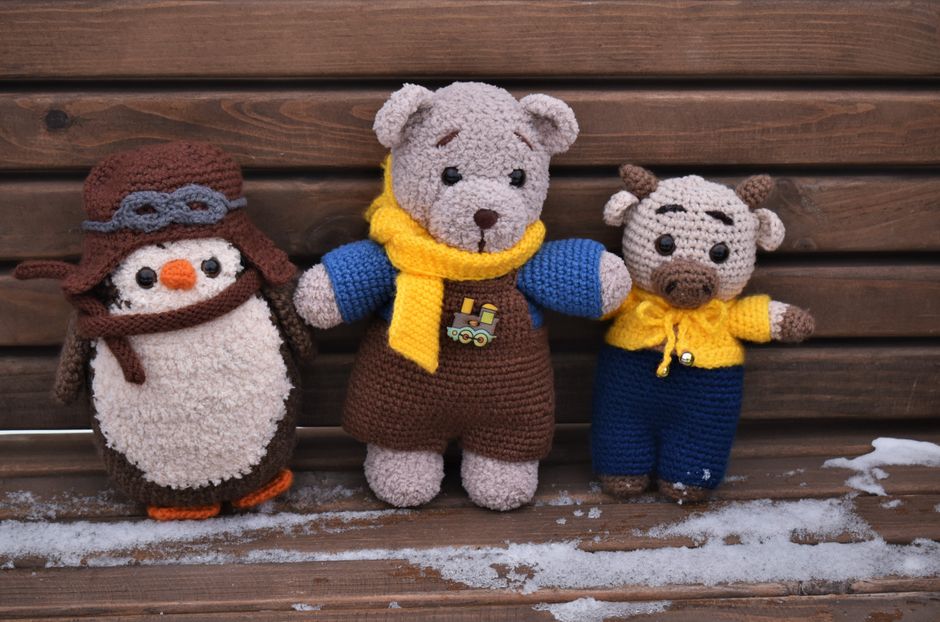
Bulky weight yarns are versatile and work well for blankets that drape nicely while still offering substantial warmth. Super bulky yarns create those Instagram-famous chunky knit blankets with oversized stitches that make a bold visual statement. When selecting your yarn weight, consider the intended use of your blanket—a couch throw might benefit from drape, while a bed blanket might prioritize warmth and coverage.
The hook or needle size you’ll use correlates directly with yarn weight. Bulky yarns typically require hooks sized 6.5mm to 9mm, while super bulky yarns work best with 9mm to 16mm hooks or even larger. Always check the yarn label for recommended hook sizes, though experienced crocheters often adjust based on their tension and desired fabric density.
Top Fiber Types for Chunky Blanket Yarn
The fiber content of your chunky yarn significantly impacts the blanket’s feel, durability, care requirements, and price point. Acrylic yarns dominate the chunky blanket market due to their affordability, easy care, and wide color range. They’re machine washable, hypoallergenic, and hold up well to frequent use—perfect for household blankets that see daily action.

Wool and wool-blend chunky yarns offer superior warmth and natural temperature regulation. Merino wool, in particular, provides incredible softness without the scratchiness associated with traditional wool. According to Britannica, wool fibers have natural crimp that creates air pockets, making them exceptionally warm while remaining breathable—ideal qualities for comfortable blankets.
Cotton chunky yarn creates breathable, hypoallergenic blankets perfect for warmer climates or individuals with sensitivities. Cotton blankets are heavier than their acrylic or wool counterparts and offer excellent durability. Chenille yarns, often made from cotton or polyester, provide ultra-soft, velvety texture that feels luxurious against the skin, though they can be more challenging to work with due to their unique construction.
For those seeking sustainable options, bamboo, organic cotton, and recycled fiber chunky yarns are increasingly available. These eco-friendly choices don’t compromise on quality and often offer unique texture and drape characteristics that set your blanket apart.
Essential Qualities to Look for in Blanket Yarn
Beyond fiber type and weight, several characteristics distinguish exceptional chunky blanket yarn from mediocre options. Consistent thickness throughout the skein is crucial—irregularities can create uneven stitches that disrupt the visual flow of your blanket. Roll the skein between your hands to check for lumps or thin spots before purchasing.
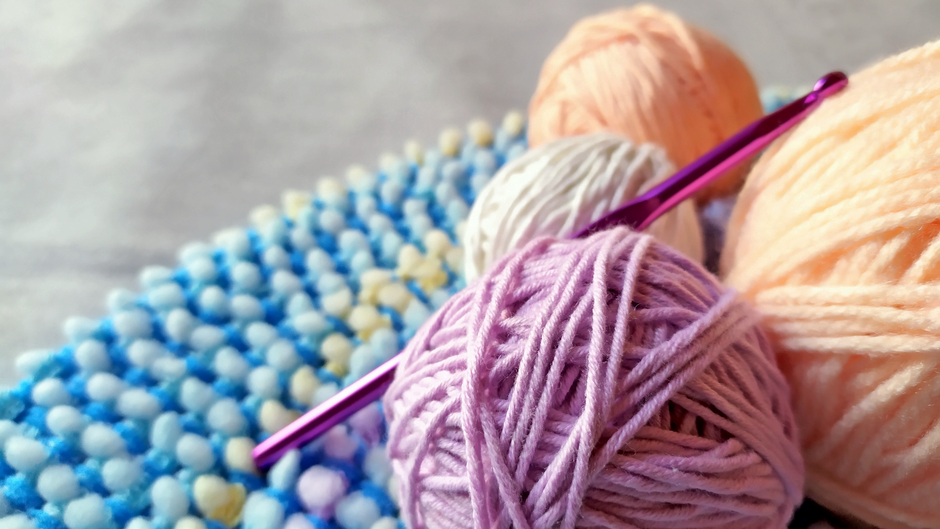
Softness matters tremendously for blankets, which spend considerable time in contact with skin. Test the yarn against your neck or cheek, as these sensitive areas will quickly reveal any scratchiness. Remember that some yarns soften with washing, so check manufacturer information or reviews for insights on how the yarn ages.
Pilling resistance determines how well your blanket maintains its appearance over time. Acrylic yarns generally resist pilling better than natural fibers, though high-quality merino wool also performs well. For blankets that will see heavy use, prioritize yarns specifically marketed as anti-pilling or durable.
Color fastness ensures your blanket won’t bleed or fade with washing. Darker, richly saturated colors are more prone to bleeding, so always check care instructions and consider washing similar colors together initially. The vibrancy and range of available colors might also influence your choice, especially if you’re matching specific decor.
Calculating Yarn Quantities for Blanket Projects
Nothing derails a blanket project faster than running out of yarn mid-project, especially when you need to match dye lots. Chunky yarn blankets consume significant yardage despite working up quickly. A standard throw blanket (50×60 inches) in bulky yarn typically requires 1,200 to 2,000 yards, while super bulky versions might need 600 to 1,000 yards.
Multiple factors affect yarn requirements: your crochet tension, the specific stitch pattern, and desired blanket density. Open, lacy patterns consume less yarn than dense, textured stitches. Creating a gauge swatch is essential—crochet a 6×6 inch square, measure the exact yardage used, then calculate based on your planned blanket dimensions.
Always purchase at least 10-20% more yarn than your calculation suggests. Extra yarn accounts for gauge variations, mistakes requiring frogging, and the reassurance of having matching dye lots for potential repairs. Many yarn retailers accept unopened skeins for return, making it wiser to over-purchase slightly.
Keep all yarn labels from your project, noting the dye lot number. If you do run short, having this information helps retailers locate matching yarn. Some crocheters intentionally plan color-block or striped designs, allowing flexibility to incorporate additional colors if their primary choice becomes unavailable.
Working Techniques for Chunky Yarn Success
Chunky yarn behaves differently than standard weights, requiring some technique adjustments. The bulk can make it challenging to see individual stitches, so working in good lighting and taking breaks helps prevent eye strain. Many crocheters find that working chunky yarn projects provides excellent exercise for hand and arm muscles, though CDC physical activity guidelines remind us to take regular breaks during any repetitive activity to prevent strain.
Tension management becomes more critical with chunky yarns. Too-tight stitches create stiff, board-like fabric that defeats the cozy purpose of a blanket. Too-loose stitches create excessive gaps and poor structure. Practice finding the sweet spot where your fabric has body but remains pliable and soft.
Simple stitch patterns often work best with chunky yarn, allowing the fiber’s texture and color to shine. Single crochet, half double crochet, and simple shells create beautiful texture without becoming overly bulky. Complex stitch patterns can get lost in super bulky yarn or create excessive thickness that feels overwhelming.
Join-as-you-go methods and working in sections can make chunky blankets more manageable, as large projects become heavy quickly. Consider breaking king-sized blankets into panels that you seam together, reducing the weight you’re manipulating during construction.
Care and Maintenance for Longevity
Proper care ensures your chunky yarn blanket remains beautiful for years. Always follow the manufacturer’s care instructions, as different fibers require different approaches. Acrylic and acrylic-blend blankets typically tolerate machine washing on gentle cycles with cool water, making them practical for households with children or pets.
Wool blankets benefit from hand washing or professional cleaning, though some superwash wool varieties accept machine washing. Use wool-specific detergents that won’t strip natural lanolin or cause felting. Never agitate wool vigorously or expose it to temperature extremes, as these cause shrinkage and texture changes.
Cotton chunky blankets can usually handle machine washing but may shrink slightly in hot water. They also take considerably longer to dry than acrylic due to cotton’s absorbent nature. Air drying flat prevents stretching and maintains shape better than hanging or machine drying.
Storage matters for maintaining your blanket’s condition between uses. According to Sleep Foundation, proper textile storage in cool, dry locations prevents mildew and odor development. For chunky blankets, avoid vacuum-sealed bags that can compress and distort the fibers—instead, use breathable cotton storage bags or bins with adequate air circulation.
Conclusion
Selecting the best chunky yarn for your blanket project involves balancing fiber type, weight, softness, durability, and budget considerations. Whether you choose affordable acrylic for a family-friendly throw, luxurious merino wool for a bedroom statement piece, or breathable cotton for year-round comfort, the right yarn transforms your crochet time into a cherished handmade treasure.
Remember that the “best” yarn ultimately depends on your specific needs and preferences. Consider the blanket’s intended use, the recipient’s sensitivities, care requirements you’re willing to undertake, and the aesthetic you want to achieve. Don’t hesitate to purchase single skeins of different options to test before committing to a full blanket’s worth—this small investment saves frustration and ensures satisfaction with your finished project.
As you grow more comfortable working with chunky yarns, you’ll develop personal preferences and discover techniques that work best for your style. The joy of creating a handmade blanket that provides warmth and comfort for years to come makes every stitch worthwhile, regardless of which chunky yarn you ultimately choose.