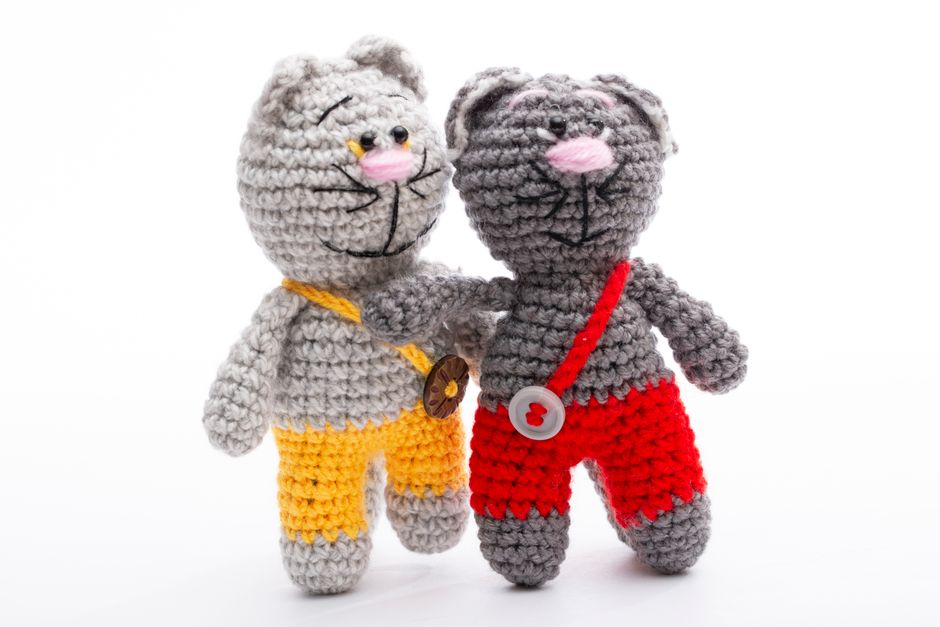
Guided crochet projects offer a structured, supportive approach to learning and mastering the art of amigurumi and other crochet crafts. Whether you’re picking up a crochet hook for the first time or looking to expand your repertoire of techniques, guided projects provide the step-by-step instruction, visual aids, and expert tips needed to create beautiful handmade treasures with confidence.
The beauty of guided crochet lies in its accessibility. Unlike traditional pattern books that assume prior knowledge, guided projects walk you through every stitch, technique, and assembly step, ensuring that you understand not just what to do, but why you’re doing it. This comprehensive approach transforms crochet from a potentially frustrating hobby into an enjoyable, meditative practice that yields tangible results.
What Makes a Crochet Project Truly Guided
A truly guided crochet project goes far beyond a simple pattern. It incorporates multiple learning elements designed to support crafters at every stage of their journey. Quality guided projects include detailed written instructions paired with visual references such as photos or diagrams showing stitch placement, color changes, and assembly techniques.
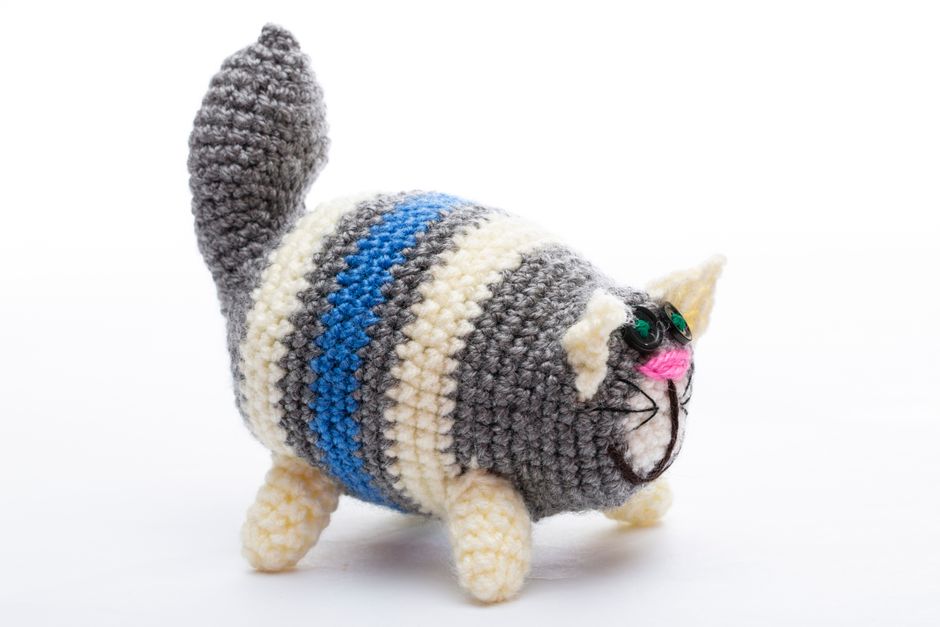
Effective guided projects also anticipate common challenges. They address questions before they arise, offering troubleshooting tips for typical issues like maintaining consistent tension, counting stitches accurately, or achieving symmetrical shaping. The best guides include information about yarn weight, hook size recommendations, and even alternative materials for those who want to experiment.
Progress markers are another hallmark of excellent guided projects. These checkpoints help you verify that you’re on the right track, allowing you to catch and correct mistakes early rather than discovering them after hours of work. This structured approach builds confidence and competence simultaneously, creating a foundation for tackling increasingly complex projects.
Benefits of Following Guided Amigurumi Patterns
Amigurumi, the Japanese art of crocheting small stuffed animals and characters, has exploded in popularity thanks to its adorable results and accessible techniques. Guided amigurumi patterns offer particular advantages for crafters seeking to master this specialized form of crochet.
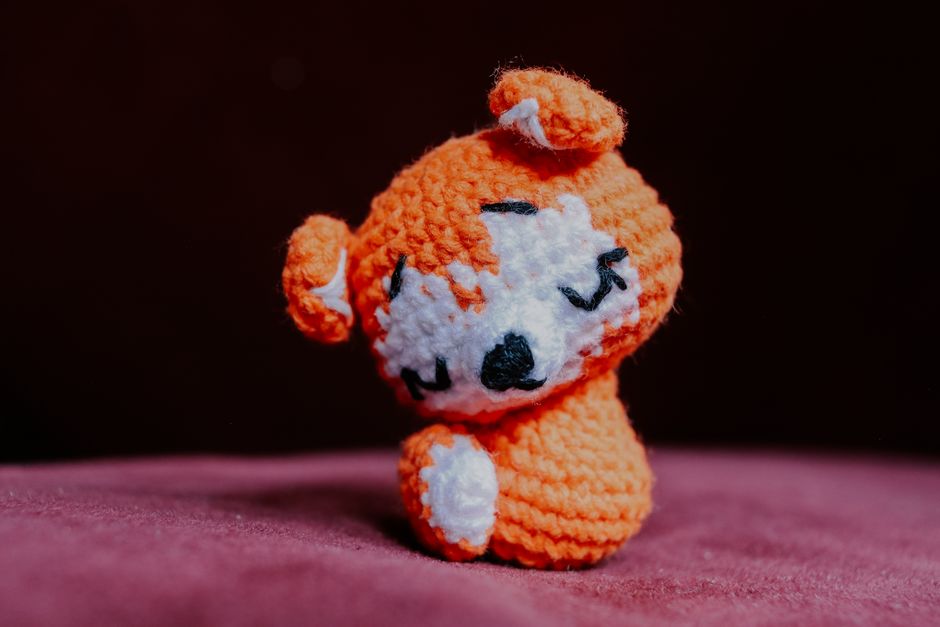
First, guided patterns help you develop muscle memory for fundamental amigurumi techniques like working in the round, creating invisible decreases, and changing colors seamlessly. These skills transfer across projects, making each subsequent creation easier and more enjoyable than the last.
Second, amigurumi crafting offers surprising mental health benefits. The repetitive nature of crochet stitches creates a meditative state that can reduce stress and anxiety, similar to the benefits of other mindful activities. According to research on repetitive activities, engaging in crafts like crochet can promote relaxation and mental clarity, much like the benefits documented for other wellness practices on resources such as Sleep Foundation, which explores how calming activities can improve overall well-being.
Third, guided projects deliver a sense of accomplishment. Completing a tangible object with your own hands provides satisfaction that digital activities simply cannot match. Each finished amigurumi represents not just a cute decoration or gift, but a milestone in your creative journey.
Choosing the Right Guided Project for Your Skill Level
Selecting an appropriately challenging project is crucial for maintaining motivation and building skills progressively. Beginners should seek guided projects labeled as “easy” or “beginner-friendly” that focus on basic shapes and simple assembly. These often include spheres, cylinders, and basic animal shapes that use primarily single crochet stitches.

Intermediate crafters benefit from guided projects that introduce new techniques like surface stitching, working with multiple colors simultaneously, or creating more complex shaping. These projects might include animals with distinct features, characters with clothing or accessories, or pieces that require more intricate assembly.
Advanced crocheters can challenge themselves with guided projects featuring realistic details, complex colorwork, intricate pattern repeats, or unusual construction methods. Even experienced crafters benefit from the structure of guided projects when venturing into unfamiliar territory or attempting ambitious designs.
The key is to choose projects that stretch your abilities slightly without overwhelming you. A project should introduce one or two new techniques while relying primarily on skills you’ve already mastered. This balanced approach prevents frustration while ensuring continuous growth.
Essential Tools and Materials for Success
Having the right supplies transforms a guided crochet project from challenging to enjoyable. The most fundamental tool is, of course, the crochet hook. Most amigurumi projects use smaller hooks, typically ranging from 2.25mm to 3.5mm, to create tight, dense fabric that prevents stuffing from showing through.
Yarn selection significantly impacts your results. Cotton yarn is popular for amigurumi because it’s durable, holds shape well, and comes in countless colors. Acrylic yarn offers affordability and easy care, while wool blends provide warmth and texture. Guided projects typically specify recommended yarn weights and fiber types to help you achieve results matching the designer’s vision.
Beyond hooks and yarn, successful amigurumi crafters maintain a small toolkit including stitch markers to track rounds, tapestry needles for weaving in ends and assembly, scissors, stuffing material (polyester fiberfill is standard), and safety eyes if creating toys for older children or adults. Having these materials organized and accessible streamlines your crafting process.
Many crafters also find row counters helpful for tracking progress, especially in complex patterns. Good lighting prevents eye strain during detailed work, and a comfortable chair with proper support allows you to crochet for extended periods without discomfort, similar to ergonomic considerations highlighted in CDC physical activity guidance regarding proper posture during various activities.
Building Skills Through Progressive Projects
The most effective approach to mastering amigurumi involves working through a series of progressively challenging guided projects. Start with simple shapes to develop basic skills: consistent tension, accurate stitch counting, and neat finishing techniques. A basic sphere or simple animal like a jellyfish or caterpillar makes an excellent first project.
Once comfortable with fundamentals, advance to projects requiring multiple pieces and assembly. Characters with separate heads, bodies, and limbs teach you how to make amigurumi animals, creating cohesive finished pieces from individual components. These projects also introduce important skills like positioning pieces securely and creating stable, well-balanced figures.
Next, explore projects incorporating color changes and surface details. These teach you to manage multiple yarn colors, create stripes or patterns, and add personality through embroidered features or appliqués. The historical development of decorative needlework techniques, documented by sources like Britannica, shows how these skills have been refined across cultures and centuries.
Finally, challenge yourself with complex characters featuring clothing, accessories, or intricate details. These advanced projects combine all previously learned techniques while adding new challenges like creating miniature garments, working with wire armatures for poseable figures, or achieving realistic textures through specialized stitch combinations.
Maximizing Your Learning Experience
To get the most from guided crochet projects, approach them with patience and curiosity rather than rushing toward completion. Take time to understand each instruction before executing it. If something is unclear, review the guidance again or examine accompanying photos or diagrams from multiple angles.
Document your progress through photos or notes. This creates a personal reference library you can consult when tackling similar techniques in future projects. Many crafters maintain project journals recording yarn types used, hook sizes, modifications made, and lessons learned.
Don’t fear mistakes—they’re valuable learning opportunities. When you discover an error, take time to understand what went wrong and how to correct it. This problem-solving process deepens your understanding more effectively than perfect execution ever could.
Engage with crochet communities, whether online forums, social media groups, or local crafting circles. Sharing your work, asking questions, and learning from others’ experiences accelerates your growth and makes the journey more enjoyable. The supportive community surrounding amigurumi is one of its greatest assets.
Conclusion
Guided crochet projects offer an accessible, rewarding pathway to mastering amigurumi and expanding your creative capabilities. By providing comprehensive instruction, anticipating challenges, and supporting skill development at every level, these projects transform crochet from an intimidating craft into an enjoyable, achievable pursuit. Whether you’re creating your first simple shape or tackling an ambitious character design, the structured support of guided projects ensures success while building the confidence and skills needed for a lifetime of creative satisfaction. With patience, practice, and the right guidance, anyone can create beautiful handmade treasures that bring joy to both maker and recipient.