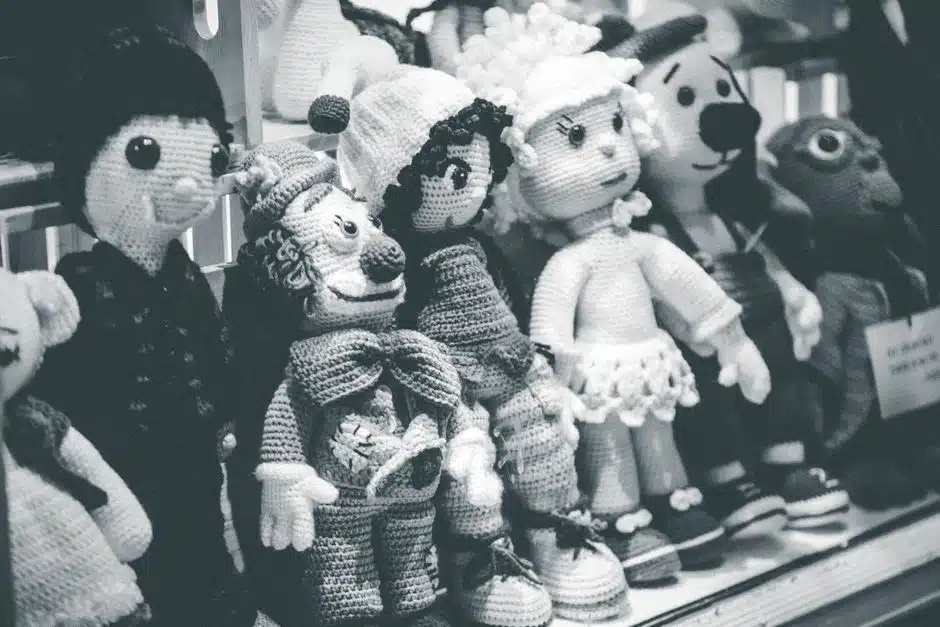
Amigurumi, the Japanese art of crocheting or knitting small stuffed creatures and objects, has captured the hearts of crafters worldwide. These adorable miniature creations range from cute animals to whimsical characters, making them perfect projects for beginners looking to develop their crochet skills. Whether you’re picking up a hook for the first time or expanding your crafting repertoire, amigurumi offers a rewarding and creative journey that combines relaxation with tangible results.
Starting your amigurumi adventure doesn’t require years of experience or complex techniques. With the right patterns, materials, and guidance, beginners can quickly create charming handmade treasures that make wonderful gifts or home decorations. The key is understanding the fundamentals and choosing projects that match your current skill level while gradually building confidence.
Understanding Amigurumi Basics
Amigurumi differs from traditional crochet in several important ways. Most amigurumi projects are worked in continuous rounds rather than joined rows, creating seamless pieces that form the body parts of your creation. The technique typically uses single crochet stitches worked tightly to prevent stuffing from showing through. This tight tension is crucial for achieving the characteristic smooth, firm texture that makes amigurumi so appealing.

The foundation of most amigurumi patterns begins with a magic ring, also called an adjustable ring. This technique creates a tight center that prevents gaps in your work. From there, you’ll increase and decrease stitches to shape spheres, cylinders, and other forms that become heads, bodies, limbs, and accessories. Understanding these basic shapes is essential because nearly every amigurumi creature uses variations of these fundamental forms.
Beginners should familiarize themselves with common amigurumi terminology. Terms like “sc” for single crochet, “inc” for increase, and “dec” for decrease appear frequently in patterns. Most beginner-friendly patterns include detailed instructions and often photographs or diagrams to help visualize each step. Taking time to master these basics will make following patterns significantly easier as you progress.
Essential Materials and Tools
Starting your amigurumi journey requires minimal investment. The most important tool is a crochet hook, typically sized between 2.5mm and 4mm for standard yarn weights. Many beginners find that a 3.5mm hook paired with worsted weight yarn provides a comfortable starting point. The hook should feel comfortable in your hand, as you’ll be working with tight tension throughout your projects.
Yarn selection significantly impacts your finished product. Acrylic yarn is budget-friendly, easy to care for, and comes in endless colors, making it ideal for beginners. Cotton yarn creates a more structured finish and works beautifully for food items or decorative pieces. Choose smooth, uniform yarn without texture or fuzz for your first projects, as it’s easier to see individual stitches and correct mistakes.
Additional supplies include polyester fiberfill for stuffing, safety eyes in various sizes, yarn needles for sewing pieces together, and stitch markers to track your rounds. Scissors and pins are also helpful for assembly. Many craft stores sell beginner amigurumi kits that include these essentials, providing a convenient way to gather everything you need in one purchase.
Choosing Your First Patterns
The best beginner amigurumi patterns feature simple shapes, minimal color changes, and clear instructions. Small projects like balls, cubes, or basic animals with few parts allow you to practice fundamental techniques without becoming overwhelmed. Look for patterns labeled “beginner-friendly” or “easy” that include stitch counts for each round, helping you verify your work as you progress.

Ideal first projects include simple creatures like jellyfish, which often consist of a single rounded body with tentacles, or basic balls that can become anything from fruit to planets. These projects teach you how to create spheres using increases and decreases while keeping the pattern straightforward. Many beginners also enjoy creating small cacti or mushrooms, as these combine simple shapes with minimal assembly.
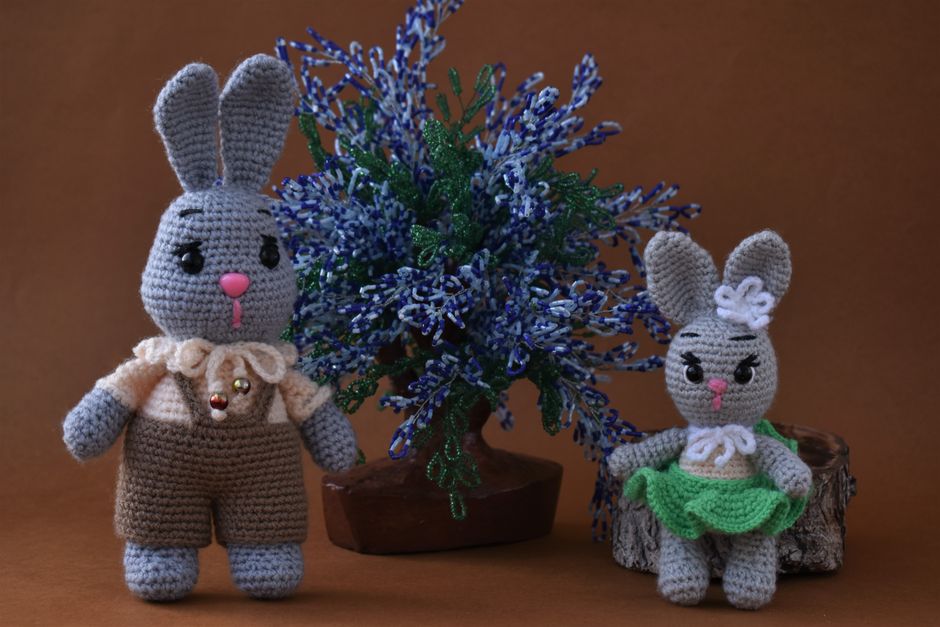
As you gain confidence, gradually progress to patterns with more pieces and slightly complex shaping. A simple teddy bear or bunny with a head, body, four limbs, and ears provides excellent practice in creating multiple components and assembling them into a cohesive figure. Crochet Craze offers thousands of PDF patterns with varying difficulty levels, allowing you to find projects that match your growing skills. If you’re looking for guidance on where to find your next project, read our article on How to Choose the Best Amigurumi Pattern Site.
Common Beginner Challenges and Solutions
New amigurumi crafters often struggle with maintaining consistent tension. Too loose, and your stuffing will show through; too tight, and your fabric becomes stiff and difficult to work with. Practice is the best remedy, but starting with slightly smaller hooks than recommended can help achieve the tight fabric amigurumi requires. According to research on skill development published by Britannica, consistent practice with proper technique forms the foundation for mastering any craft.
Counting stitches presents another common challenge. Using stitch markers at the beginning of each round prevents confusion and helps you catch mistakes early. If you discover an error, don’t hesitate to unravel your work and correct it immediately. Fixing mistakes promptly is far easier than trying to compensate later, and it reinforces proper technique.
Assembly can intimidate beginners, but taking time with this step ensures professional-looking results. Pin pieces in place before sewing to visualize the final appearance and make adjustments. Use the same yarn as your project for nearly invisible seams, and secure all ends thoroughly. Watching video tutorials alongside written instructions can clarify assembly techniques that are difficult to describe in text alone. Considering the potential costs of your hobby? Check out our Crochet Craze Cost Guide for 2026 to plan your budget efficiently.
Like many crafts, amigurumi creation can provide stress relief and mental relaxation. The repetitive nature of crochet stitches creates a meditative rhythm that many crafters find soothing, similar to how regular physical activity benefits mental wellbeing through consistent, focused movement.
Building Skills and Confidence
Progress in amigurumi comes from consistent practice and gradually challenging yourself with more complex patterns. After completing several simple projects, try patterns incorporating color changes, different stitch types, or more intricate assembly. Each new technique expands your capabilities and opens doors to more ambitious creations.
Join online communities where amigurumi enthusiasts share their work, offer advice, and provide encouragement. These supportive spaces help troubleshoot problems, discover new patterns, and stay motivated. Many crafters find that sharing their creations and seeing others’ work inspires new ideas and maintains their enthusiasm for the craft. If you ever need help with a complex project or want to refine your skills, consider exploring How to Choose Professional Crochet Services.
Document your progress by photographing completed projects. Looking back at early creations alongside recent work provides tangible evidence of your improvement and motivates continued learning. Many crafters maintain portfolios or social media accounts dedicated to their amigurumi journey, connecting with others who share their passion.
Establishing a regular crafting routine helps develop skills more quickly. Setting aside dedicated time for amigurumi, even just 15-30 minutes daily, builds muscle memory and reinforces techniques. Similar to how consistent routines benefit sleep quality, regular crafting sessions make the process feel natural and enjoyable rather than forced or stressful. If you ever need specialized help, our guide on How to Choose Local Services for Your Craft can point you in the right direction.
Conclusion
Beginning your amigurumi journey opens a world of creative possibilities. With basic materials, beginner-friendly patterns, and patience, anyone can learn to create adorable handmade treasures. Start with simple projects that build fundamental skills, gradually progressing to more complex designs as your confidence grows. Remember that every expert crafter was once a beginner, and each stitch you make improves your technique.
The beauty of amigurumi lies not only in the finished products but in the meditative, satisfying process of creation. Whether you’re crafting gifts for loved ones, decorating your space, or simply enjoying a relaxing hobby, amigurumi offers endless opportunities for creativity and self-expression. Embrace the learning process, celebrate your successes, and don’t fear mistakes—they’re valuable teachers on your crafting journey.