Selecting the right yarn for amigurumi projects makes all the difference between a professional-looking creation and one that falls flat. Whether you’re crafting adorable animals, fantasy characters, or whimsical decorations, understanding yarn properties and how they interact with your crochet stitches is essential. This comprehensive guide will walk you through everything you need to know about choosing, working with, and optimizing yarn selections for your amigurumi creations.
Understanding Yarn Weight and Texture for Amigurumi
The foundation of successful amigurumi begins with yarn weight. Most amigurumi patterns call for sport weight (size 2) or DK/light worsted weight (size 3) yarn, though worsted weight (size 4) remains the most popular choice for beginners. These medium weights strike the perfect balance between detail definition and workability, allowing your stitches to show clearly while maintaining enough structure to hold stuffing securely.

Texture plays an equally critical role in your finished piece. Smooth, tightly twisted yarns like mercerized cotton or acrylic blends produce the cleanest stitch definition, making them ideal for amigurumi where every detail matters. The tight twist prevents splitting during crocheting and creates a professional appearance that showcases your craftsmanship. Avoid loosely spun or highly textured yarns for your first projects, as they can obscure stitch definition and make counting stitches more challenging.
Consider how your yarn choice affects the final size of your amigurumi. Thicker yarns with larger hooks create bigger projects faster, perfect for huggable toys and decorative pieces. Finer yarns produce miniature amigurumi with intricate details, though they require more time and precision. Always check your pattern recommendations and create a gauge swatch to ensure your finished piece matches the intended dimensions.
Best Yarn Fibers for Different Amigurumi Projects
Acrylic yarn dominates the amigurumi world for good reason. Its durability, affordability, and machine-washable properties make it perfect for toys that will receive heavy handling, especially those intended for children. Modern acrylic yarns have evolved significantly, offering softness that rivals natural fibers while maintaining their shape through countless play sessions and wash cycles. Premium acrylic blends provide excellent stitch definition and come in virtually unlimited color options.

Cotton yarn offers a different set of advantages for specific amigurumi applications. Its natural breathability and hypoallergenic properties make it ideal for baby toys and items that might end up in little mouths. Cotton creates a sturdy fabric with excellent stitch clarity, though it lacks the stretch of acrylic and can be harder on hands during extended crocheting sessions. Mercerized cotton adds a beautiful sheen and enhanced strength, elevating the finished appearance of your amigurumi pieces.
Wool and wool blends bring warmth and natural elasticity to amigurumi projects. Superwash wool combines the best of both worlds, offering the softness and temperature regulation of natural fiber with the convenience of machine washing. However, consider that wool may felt over time with washing and friction, potentially altering the appearance of frequently handled pieces. Reserve wool for decorative amigurumi or items that won’t require frequent cleaning.
Blended yarns increasingly popular in the amigurumi community combine the benefits of multiple fibers. Cotton-acrylic blends offer the stitch definition of cotton with the durability of synthetic fibers. Wool-acrylic combinations provide softness and warmth while maintaining washability. Experimenting with different fiber contents helps you discover which properties matter most for your specific projects and personal preferences.
Color Selection and Planning for Amigurumi
Color choices transform basic patterns into unique creations that reflect your personal style. Building a versatile yarn stash begins with essential neutrals: whites, creams, blacks, browns, and grays form the foundation for countless amigurumi designs. These staples work for eyes, facial features, body parts, and accessories across numerous patterns, making them worthy investments.
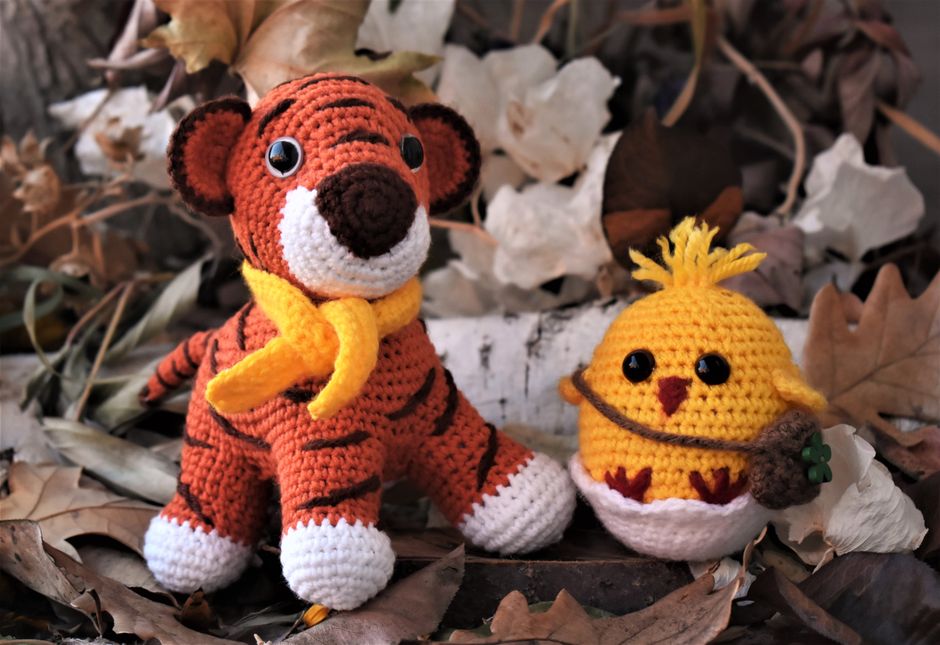
Bright, saturated colors bring amigurumi characters to life, especially for children’s toys and whimsical designs. When selecting colors, consider how they interact with each other in your project. High contrast combinations create visual impact and help features stand out, while analogous colors create harmonious, soothing effects. Many experienced amigurumi crafters maintain color families, collecting multiple shades of popular hues to enable subtle shading and realistic details.
Variegated and self-striping yarns offer exciting possibilities but require careful consideration. These specialty yarns can create unique effects in amigurumi, adding visual interest without changing colors manually. However, they sometimes produce chaotic patterns in small pieces worked in the round. Test variegated yarns with your specific pattern before committing to a full project, as color pooling can either enhance or detract from your finished piece.
Hook Size and Tension for Perfect Amigurumi Fabric
The relationship between yarn weight and hook size determines the fabric density crucial for successful amigurumi. Unlike garments or blankets, amigurumi requires a tighter fabric to contain stuffing and maintain shape. Most amigurumi crafters use a hook one to three sizes smaller than the yarn label recommendation, creating a firm fabric where stuffing won’t show through or escape.
Your personal tension significantly impacts the final result. Tight crocheters may find recommended hook sizes work perfectly, while loose crocheters need to size down further. Working a small test sphere helps you assess whether your fabric density suits amigurumi construction. The fabric should feel firm without being stiff, with no visible gaps between stitches when stretched slightly.
Consistency matters more than absolute tightness. Maintaining even tension throughout your project ensures uniform appearance and proper shaping. Regular breaks help prevent hand fatigue that can alter tension, and just as quality sleep supports overall well-being according to sleep research, adequate rest between crocheting sessions helps maintain the focus needed for consistent stitchwork.
Special Considerations for Safety and Durability
When creating amigurumi for children, safety yarn choices become paramount. Select fibers that withstand frequent washing at appropriate temperatures and avoid yarns with loose fibers that could present choking hazards. Acrylic yarns certified as child-safe offer peace of mind, meeting safety standards for toys while providing the durability needed for active play.
Consider the stuffing visibility through your chosen yarn. Lighter colored yarns may show darker stuffing through the fabric, while darker yarns hide stuffing more effectively. White polyester fiberfill works well with most yarn colors, but matching stuffing color to yarn or choosing darker fill prevents see-through effects that diminish the professional appearance of your work.
Durability testing ensures your amigurumi withstands intended use. Gently stretch your finished fabric to verify stitches hold firmly and stuffing remains concealed. For toys intended for vigorous play, reinforce stress points like limb attachments and use security eyes or embroidered features rather than sewn-on buttons that could detach. The same attention to safety that guides physical activity recommendations applies to creating safe, durable toys.
Yarn Storage and Organization for Amigurumi Crafters
Proper yarn storage preserves fiber quality and makes project planning easier. Organize yarn by weight, then by color within each weight category, creating an at-a-glance inventory of your options. Clear storage containers protect yarn from dust, moisture, and pests while allowing visual confirmation of your stash contents.
Small quantities of yarn go far in amigurumi, making it possible to build an extensive color palette without massive storage requirements. Many crafters organize partial skeins in resealable bags labeled with fiber content and weight, creating a ready-to-use collection for spontaneous projects. This organization method proves especially valuable when testing new patterns or creating color variations.
Consider that the history of textile crafts, as documented by sources like Britannica, shows the importance of proper material care in creating lasting works. Protecting your yarn investment through thoughtful storage ensures quality materials remain ready whenever inspiration strikes.
Conclusion
Choosing the right yarn for amigurumi projects combines technical knowledge with creative vision. From understanding fiber properties and selecting appropriate weights to mastering tension and ensuring safety, each decision contributes to your finished creation’s success. Start with recommended yarns for your skill level, experiment as confidence grows, and remember that the perfect yarn choice balances appearance, functionality, and your personal crafting style. With practice and the guidance available through comprehensive tutorials and patterns, you’ll develop an intuitive understanding of which yarns bring your amigurumi visions to life.