Amigurumi has taken the crafting world by storm, transforming simple yarn and a crochet hook into adorable three-dimensional characters that bring joy to makers and recipients alike. These charming Japanese-inspired creations range from cute animals to beloved fictional characters, fantasy creatures, and everything in between. Whether you’re just starting your crochet journey or you’re an experienced maker looking to expand your repertoire, understanding amigurumi patterns is essential to creating handmade treasures that showcase your creativity and skill.
Understanding Amigurumi Pattern Basics
Amigurumi patterns are specialized crochet instructions designed to create stuffed three-dimensional figures. Unlike flat crochet projects, amigurumi patterns primarily work in the round, creating seamless tubes and spheres that form the body parts of your characters. Most patterns use single crochet stitches as the foundation, making them surprisingly accessible even for beginners who have mastered basic crochet techniques.

A typical amigurumi character pattern includes several key components. The pattern will specify the yarn weight and hook size, though amigurumi often uses smaller hooks than recommended for the yarn to create a tight fabric that prevents stuffing from showing through. You’ll also find stitch counts for each round, essential for maintaining the proper shape and size of your character.
Common abbreviations you’ll encounter include sc (single crochet), inc (increase), dec (decrease), and magic ring (mr). The magic ring is a fundamental amigurumi technique that creates a tight, adjustable starting circle without a visible hole in the center. Mastering this technique is crucial for creating professional-looking amigurumi characters.
Popular Amigurumi Character Categories
The world of amigurumi characters patterns is incredibly diverse, offering patterns for every interest and skill level. Animal amigurumi remains the most popular category, with patterns available for everything from realistic wildlife to kawaii-style creatures with oversized heads and tiny bodies. Bears, bunnies, cats, and dogs dominate this category, but you can find patterns for exotic animals like sloths, axolotls, and dinosaurs as well.

Fantasy and mythical creatures have carved out their own niche in the amigurumi world. Dragons, unicorns, mermaids, and fairies allow crocheters to explore more creative color palettes and embellishments. These patterns often incorporate multiple colors and advanced techniques like color changes and surface details.
Food-themed amigurumi has gained significant popularity, with patterns for everything from smiling fruits and vegetables to elaborate desserts and complete meals. These playful designs make excellent gifts and are particularly popular for children’s play food sets.
Character amigurumi based on pop culture, holidays, and seasonal themes provide endless opportunities for personalization. From Santa Claus and Halloween ghosts to beloved cartoon characters, these patterns allow you to create meaningful gifts tied to special occasions or personal interests.
Essential Techniques for Character Creation
Creating successful amigurumi characters requires mastering several specialized techniques beyond basic crochet skills. Invisible decreases are crucial for maintaining smooth, professional-looking surfaces without the bumps that standard decreases can create. This technique involves working through the front loops only, creating a seamless reduction in stitch count.
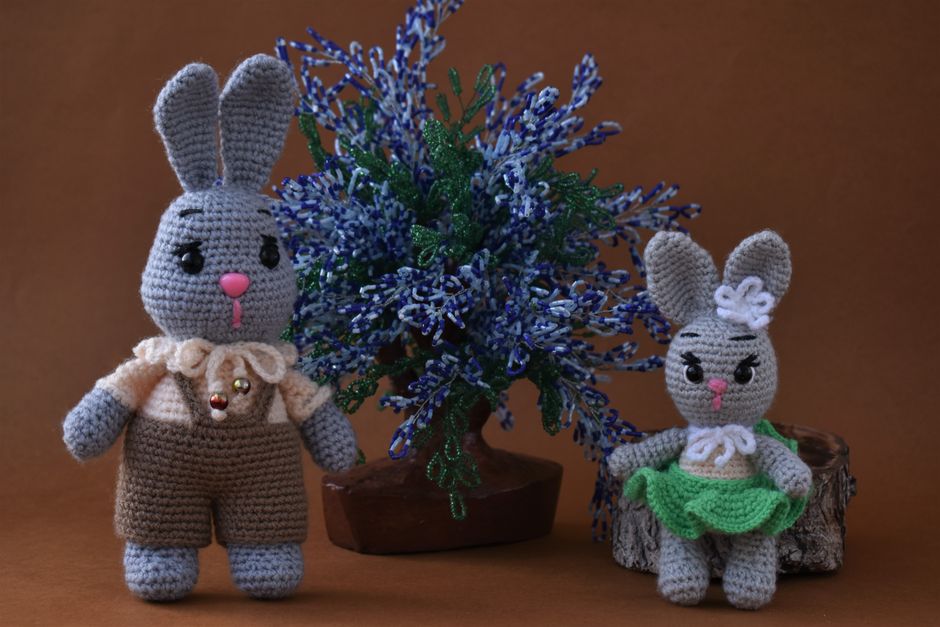
Color changing is another vital skill, especially for characters with multiple colors or detailed features. Clean color transitions can be achieved by completing the final yarn over of the last stitch in the old color with the new color, creating crisp lines between sections.
Stuffing technique significantly impacts the final appearance of your amigurumi. Proper stuffing requires filling your work gradually as you crochet, rather than waiting until the end. This approach allows you to shape your character and ensure even distribution. Understuffed amigurumi appear floppy and lack definition, while overstuffed pieces may distort the stitches and create an uneven surface.
Assembly and finishing bring your character to life. This includes sewing parts together securely, adding safety eyes or embroidered features, and incorporating details like noses, mouths, and embellishments. Taking time with these finishing touches elevates your amigurumi from homemade to handcrafted artistry.
Just as attention to detail matters in crafting, it’s equally important in other aspects of life. According to CDC physical activity guidelines, adults benefit from regular movement breaks, which can easily incorporate crafting sessions into a balanced lifestyle that supports both creativity and wellbeing.
Choosing the Right Materials for Your Projects
Material selection dramatically affects both the crafting process and the finished character. Yarn weight is the first consideration, with most amigurumi patterns calling for worsted weight (medium/4) or DK weight (light/3) yarn. These weights create characters that are substantial enough to hold their shape while remaining manageable to work with.
Yarn fiber content influences both appearance and functionality. Acrylic yarn is budget-friendly, widely available, and easy to care for, making it ideal for beginners and toys intended for frequent washing. Cotton yarn creates a crisp stitch definition and a slightly firmer fabric, perfect for characters with fine details. Blended yarns offer the best of both worlds, combining the softness of acrylic with the structure of cotton.
Hook size should typically be one or two sizes smaller than the yarn manufacturer recommends. This creates the tight tension necessary to prevent stuffing from peeking through stitches. Most amigurumi makers use hooks ranging from 2.5mm to 4mm, depending on their yarn choice and personal tension.
Safety considerations are paramount when creating amigurumi for children. Safety eyes and noses with secure backings are essential for young recipients, though embroidered features are safer for babies and toddlers who might pull plastic components loose. Polyester fiberfill is the standard stuffing choice, being washable, hypoallergenic, and maintaining its shape over time.
Reading and Following Amigurumi Patterns
Successfully interpreting amigurumi patterns is a skill that develops with practice. Patterns are typically written in rows or rounds, with round numbers clearly marked. Each line represents one complete round of stitches, and the number in parentheses or brackets at the end indicates the total stitch count for that round.
Repeat instructions are shown in brackets or parentheses followed by the number of times to repeat. For example, “[sc 2, inc] x 6” means you’ll single crochet in 2 stitches, then increase, and repeat this sequence 6 times around for a total of 18 stitches.
Stitch markers become invaluable tools when working amigurumi patterns. Since you’re crocheting in continuous spirals without joining rounds, a stitch marker in the first stitch of each round helps you track your progress and maintain accurate stitch counts. This simple tool prevents the frustration of losing your place or ending up with too many or too few stitches.
Pattern modifications allow you to personalize your characters. Once comfortable with basic patterns, you can adjust sizes by changing yarn weight and hook size, alter proportions to create different effects, or combine elements from multiple patterns to design unique characters. The historical evolution of crochet shows how crafters have always adapted techniques to create personalized works of art.
Tips for Success and Common Troubleshooting
Achieving professional results with amigurumi characters requires attention to detail and patience with the learning process. Maintaining consistent tension throughout your work ensures uniform stitches and prevents some sections from appearing looser or tighter than others. This skill develops naturally with practice, so don’t be discouraged if early projects show some variation.
Counting stitches at the end of each round prevents errors from compounding. While it may seem tedious initially, this habit saves significant time by catching mistakes before they affect subsequent rounds. Missing or adding a single stitch in early rounds can dramatically distort the final shape of your character.
If you find your amigurumi leaning or appearing lopsided, the issue typically stems from inconsistent increases or decreases. Spacing these evenly around each round creates balanced shaping. Some patterns include specific placement instructions for increases to achieve optimal results.
When pieces don’t align during assembly, blocking can help. Gently misting pieces with water and pinning them to shape before allowing them to dry can improve how parts fit together. This technique is particularly helpful for flat pieces like ears or wings that need to maintain specific shapes.
Taking breaks during longer projects helps maintain focus and prevents hand fatigue. Similar to how adequate rest improves overall functioning, regular pauses during crafting sessions support both physical comfort and creative energy, allowing you to return to your work with fresh perspective and renewed enthusiasm.
Conclusion
Amigurumi character patterns open a world of creative possibilities, allowing you to transform simple materials into beloved handmade treasures. From understanding pattern basics and mastering essential techniques to selecting appropriate materials and troubleshooting common challenges, each aspect of the process contributes to your growth as a crocheter. Whether you’re creating adorable animals, whimsical fantasy creatures, or personalized character designs, the journey of bringing amigurumi to life offers both relaxation and accomplishment. With practice, patience, and access to quality patterns and resources, you’ll develop the skills to create impressive amigurumi characters that bring joy to yourself and others for years to come.