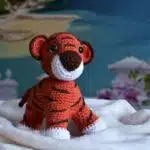
Crochet plushie patterns, also known as amigurumi, have taken the crafting world by storm. These adorable stuffed creations range from tiny keychain charms to huggable companions, offering endless creative possibilities for crocheters of all skill levels. Whether you’re a complete beginner or an experienced yarn artist, understanding the fundamentals of plushie patterns will help you create stunning handmade treasures that bring joy to both makers and recipients.
Understanding Crochet Plushie Basics
Crochet plushies are three-dimensional stuffed figures worked in rounds using basic crochet stitches. The most common stitch is the single crochet, which creates a tight, dense fabric that holds stuffing securely. Unlike traditional crochet projects that work in rows, plushies are typically constructed using a continuous spiral technique or joined rounds, building shape through strategic increases and decreases.
The beauty of crochet plushie patterns lies in their versatility. From simple spheres and cylinders to complex character designs, the basic building blocks remain consistent. Most patterns break down the construction into separate body parts—head, body, arms, legs, and accessories—that are crocheted individually and then assembled. This modular approach makes even intricate designs manageable for beginners willing to follow instructions carefully.
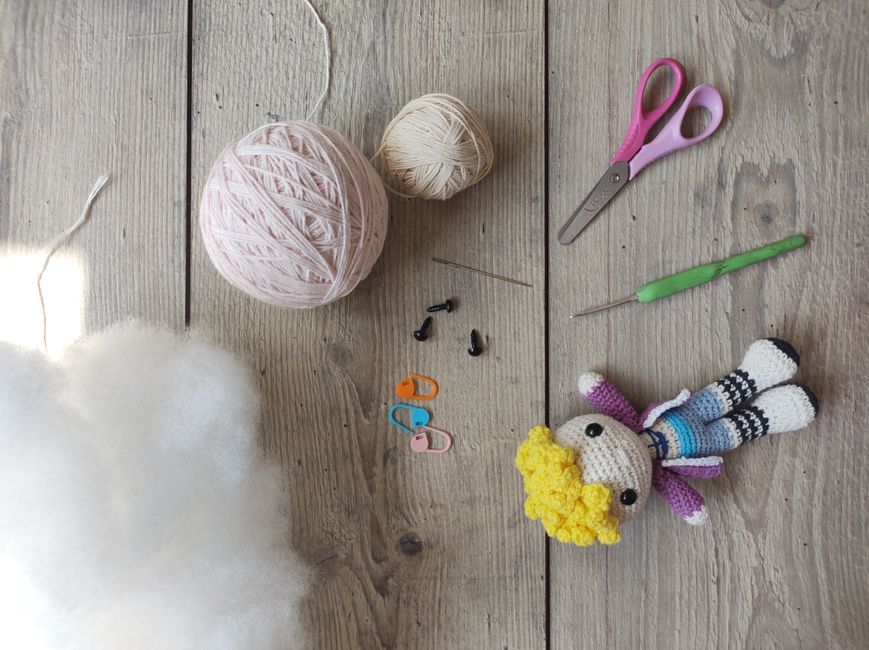
Essential materials for plushie making include yarn (usually worsted weight or DK), an appropriately sized crochet hook (typically 2.5mm to 4mm), polyester fiberfill stuffing, a yarn needle for assembly, and safety eyes or embroidery thread for facial features. Investing in quality materials ensures your finished plushies are durable, washable, and safe for their intended recipients.
Choosing the Right Pattern for Your Skill Level
Selecting an appropriate pattern is crucial for a successful and enjoyable crochet experience. Beginner patterns typically feature simple shapes with minimal color changes and straightforward construction. Classic starter projects include basic animals like bees, octopuses, or simple teddy bears that use primarily single crochet stitches and basic shaping techniques.

Intermediate patterns introduce more complex shaping, multiple color changes, and detailed features. These might include characters with clothing, accessories, or more anatomically detailed animals with distinct facial features and textured elements. At this level, you’ll encounter techniques like surface crochet for adding details, working with multiple yarn strands simultaneously, and creating more intricate assembly processes.
Advanced patterns challenge experienced crocheters with realistic details, complex color work, intricate limb positioning, and innovative construction methods. These patterns might include poseable elements with wire armatures, elaborate costumes with tiny buttons and closures, or life-like creatures requiring precise shaping and detailed embellishment. The time investment increases significantly, but so does the impressive finished result.
Much like choosing the right physical activity for your fitness level, as outlined by the CDC’s physical activity guidelines, selecting patterns matched to your crochet abilities ensures steady progress and maintains motivation without overwhelming frustration.
Essential Techniques for Plushie Success
Mastering the magic ring is foundational to plushie construction. This adjustable starting loop creates a tight center with no visible hole, perfect for beginning heads, bodies, and limbs. While slightly tricky at first, the magic ring quickly becomes second nature and dramatically improves the professional appearance of your finished plushies.

Understanding increases and decreases allows you to shape your work precisely. Increases (working two stitches into one stitch from the previous round) expand the fabric, while decreases (combining two stitches into one) narrow it. Strategic placement of these techniques creates curves, bulges, and tapers that transform simple tubes into recognizable shapes. Most patterns provide stitch counts for each round, making it easy to verify your work stays on track.
Invisible color changes and seamless joining techniques elevate plushie quality significantly. Rather than leaving noticeable jogs where rounds begin and end, invisible joins create smooth color transitions and professional-looking finished edges. Similarly, mattress stitch and whip stitch assembly methods create strong, nearly invisible seams between body parts, giving your plushies a polished, store-bought appearance.
Tension consistency is perhaps the most critical skill for plushie success. Tight, even stitches prevent stuffing from showing through the fabric and create sturdy, durable toys. If your tension tends loose, consider downsizing your hook by half a millimeter or full size to achieve the dense fabric plushies require.
Customizing and Designing Your Own Patterns
Once comfortable following existing patterns, many crocheters feel inspired to customize or create their own designs. Simple modifications include changing colors, adjusting sizes by using different yarn weights and corresponding hooks, or swapping out accessories and facial expressions to create unique variations from a single base pattern.
Understanding basic geometry helps in designing original plushies. Spheres require evenly distributed increases in early rounds followed by straight rounds, then symmetrical decreases. Cylinders maintain consistent stitch counts throughout. Cones gradually decrease from a wide base to a narrow top. By combining these basic shapes in different proportions, you can sketch out nearly any character or creature imaginable.
Creating your own patterns requires careful note-taking and mathematical planning. Start with a gauge swatch to determine how many stitches per inch your yarn and hook combination produces. Sketch your desired proportions, then calculate the necessary stitches and rounds for each component. Test your pattern by creating at least one sample, adjusting as needed before finalizing instructions.
Documentation is essential when designing patterns for personal use or sharing. Record every detail including yarn brand and color, hook size, stitch counts for each round, assembly order, and any special techniques. Clear photography showing multiple angles, detail close-ups, and construction steps helps others successfully recreate your design.
Popular Plushie Pattern Categories in 2026
Animal plushies remain perennially popular, with woodland creatures, farm animals, and ocean life leading current trends. Foxes, bunnies, and deer continue strong, while axolotls, jellyfish, and narwhals have gained significant traction. The appeal lies in their universal charm and the endless variety possible within each species through color and detail variations.
Fantasy and mythical creatures offer imaginative possibilities that captivate both children and adults. Dragons with scales and wings, unicorns with flowing manes and sparkly horns, and whimsical mushroom characters with spotted caps represent this thriving category. These patterns often incorporate multiple textures, techniques, and embellishments that challenge and reward crocheters.
Food-themed plushies bring humor and cuteness to everyday items. Kawaii-style fruits with happy faces, realistic vegetables, desserts with intricate details, and breakfast foods with clever construction techniques appeal to makers seeking fun, quick projects. These smaller designs work excellently as keychains, ornaments, or gift toppers.
Character and people plushies inspired by popular culture, professions, or generic human figures allow personal connection and representation. From tiny doctor dolls to astronauts, teachers, and families, these patterns help celebrate important people and passions. The historical significance of handcrafted dolls and figures, as explored by Britannica, demonstrates the enduring human desire to create meaningful representations through craft.
Benefits of Crochet Plushie Crafting
The meditative nature of crochet provides significant mental health benefits. The repetitive motions and focus required create a mindful state that reduces stress and anxiety. Similar to how quality sleep supports overall wellbeing, as documented by the Sleep Foundation, engaging in calming creative activities like crochet contributes to emotional balance and mental clarity.
Plushie creation offers tangible rewards that boost confidence and provide a sense of accomplishment. Completing a three-dimensional object from simple yarn and a hook demonstrates skill mastery and creative capability. Each finished plushie represents hours of focused effort transformed into something adorable, giftable, and potentially income-generating through craft sales.
The social aspects of plushie crafting connect makers through online communities, local crochet groups, and craft fairs. Sharing finished objects, troubleshooting pattern challenges, participating in crochet-alongs, and celebrating others’ successes create supportive networks that enhance the crafting experience. These connections often extend beyond crochet, forming lasting friendships based on shared creative interests.
Gift-giving becomes more meaningful when presenting handmade plushies. The time, thought, and skill invested in creating a custom toy communicates care and affection in ways store-bought items cannot match. Recipients of handmade plushies often treasure them for years, appreciating the unique, one-of-a-kind nature of their gift.
Conclusion
Crochet plushie patterns offer boundless creative opportunities for crafters at every skill level. From simple beginner-friendly designs to complex masterpieces requiring advanced techniques, the world of amigurumi welcomes all who wish to transform yarn into adorable companions. By mastering fundamental techniques, selecting appropriate patterns, and gradually expanding your skills, you’ll discover the immense satisfaction of creating handmade treasures. Whether crafting for personal enjoyment, gift-giving, or entrepreneurial pursuits, plushie patterns provide a fulfilling creative outlet that combines practical skill development with artistic expression. Start with a simple pattern today, and you’ll soon understand why crochet plushies have captured the hearts of crafters worldwide.