Starting your crochet journey can feel overwhelming with countless stitches, patterns, and techniques to master. But here’s the good news: you don’t need to be an expert to create beautiful, functional pieces. Beginner crochet projects are designed to build your confidence while teaching fundamental skills that will serve you throughout your crafting life. Whether you’re drawn to practical items like dishcloths or adorable amigurumi characters, there’s a perfect starter project waiting for you.
The key to success as a beginner crocheter is selecting projects that match your current skill level while still challenging you to grow. This comprehensive guide will walk you through the best beginner-friendly projects, essential techniques you’ll need, and tips to ensure your first creations turn out beautifully.
Essential Skills Every Beginner Should Master
Before diving into your first project, familiarize yourself with a few foundational techniques. These basic stitches and skills form the backbone of virtually every crochet pattern you’ll encounter.
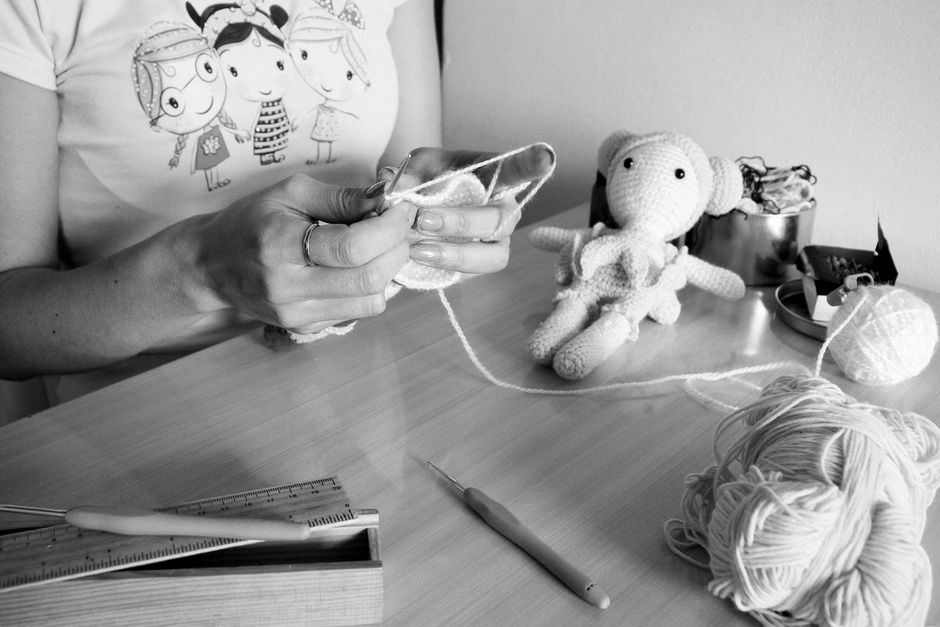
The chain stitch is your starting point for nearly every project. This simple stitch creates the foundation row upon which you’ll build. Next, the single crochet is the most basic stitch that creates a tight, dense fabric perfect for items that need structure. The double crochet works up faster and creates a slightly looser fabric with more drape.
Understanding how to create a slip knot, hold your hook and yarn comfortably, and maintain consistent tension will dramatically improve your finished pieces. Don’t worry if your first attempts look uneven—tension improves naturally with practice. Many beginners find that engaging in creative hobbies like crochet provides a calming, meditative effect similar to other mindful activities that promote wellbeing, as noted in research on relaxation techniques and stress reduction.
Perfect First Projects for New Crocheters
Choosing the right first project sets the tone for your entire crochet experience. Start with these beginner-friendly options that teach valuable skills without overwhelming complexity.

Dishcloths and washcloths top the list for good reason. These small, flat squares require only basic stitches, work up quickly, and give you immediate gratification. They’re also incredibly forgiving—minor tension issues won’t affect functionality. Plus, you’ll create something useful for your home.
Scarves represent another excellent beginner choice. A simple rectangular scarf teaches you to work in rows, maintain consistent width, and develop rhythm in your stitching. Choose a soft, medium-weight yarn in a light color so you can easily see your stitches.
Granny squares introduce you to working in rounds rather than rows. These colorful squares can be used individually as coasters or joined together for blankets, bags, and more. The repetitive pattern helps build muscle memory while creating visually interesting pieces.
Simple amigurumi projects like basic balls, simple animals, or geometric shapes are perfect for beginners interested in three-dimensional crochet. While amigurumi has a reputation for complexity, many patterns are specifically designed for newcomers. Starting with basic shapes teaches you to crochet in the round, increase and decrease stitches, and stuff and finish pieces properly. For more guidance, check out our guide on How to Crochet Amigurumi Step by Step.
Choosing the Right Materials for Success
Your materials significantly impact your experience as a beginner. The right yarn and hook combination can make learning easier, while poor choices can lead to frustration.
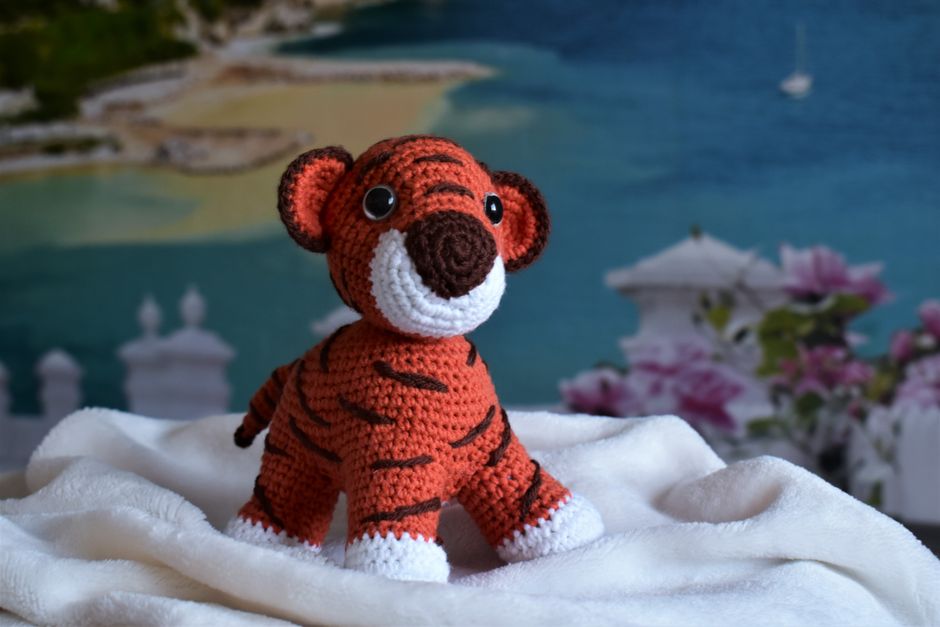
For your first projects, select medium-weight yarn (also called worsted weight or size 4). This weight is easy to handle, widely available, and works well for most beginner patterns. Choose light colors like cream, pale yellow, or light gray—dark yarns make it difficult to see individual stitches, which is crucial when learning.
Opt for smooth, simple yarns without texture or fuzz. Acrylic yarns work beautifully for beginners because they’re affordable, easy to care for, and forgiving of tension inconsistencies. Cotton is another excellent choice, especially for dishcloths and washcloths.
Match your hook size to your yarn weight. Most medium-weight yarns work well with a size G (4.0mm) or H (5.0mm) hook. Aluminum or plastic hooks are good starting points—they’re smooth, affordable, and comfortable for most people. As you develop preferences, you can explore ergonomic handles or different materials. For those embarking on their first projects, acquiring the right tools is crucial, and an Amigurumi Starter Kit can provide a perfect foundation. According to historical textile crafts research, having the proper tools has always been essential for successful handwork.
Reading and Following Crochet Patterns
Crochet patterns use standardized abbreviations and symbols that can look like a foreign language at first glance. Learning to decode these patterns is essential for expanding your project repertoire.
Common abbreviations include ch (chain), sc (single crochet), dc (double crochet), inc (increase), and dec (decrease). Most patterns include an abbreviation key, so keep it handy as you work. Numbers in parentheses typically indicate the total stitch count for that row or round.
When starting a new pattern, read through it entirely before beginning. This helps you understand the overall construction and identify any unfamiliar techniques you might need to practice first. Video tutorials can be invaluable for visual learners—seeing a stitch in action often clarifies written instructions instantly.
For amigurumi patterns specifically, pay attention to whether you’re working in joined rounds (with a slip stitch to close each round) or continuous spirals (working around and around without joining). Using a stitch marker to mark the beginning of each round prevents confusion and miscounting. To explore more ideas, check out these Cute Crochet Patterns to Bring Joy to Life.
Troubleshooting Common Beginner Mistakes
Every crocheter encounters challenges when learning. Recognizing common issues and knowing how to fix them will keep you progressing rather than giving up in frustration.
Pieces that curve or curl usually result from inconsistent tension or accidentally increasing or decreasing stitches. Count your stitches at the end of each row to ensure you have the correct number. If you’re consistently short, you may be missing the last stitch of each row—a very common beginner mistake.
Loose or tight stitches create uneven fabric. This typically improves with practice as your hands develop muscle memory. If your fabric is consistently too loose or tight, try a smaller or larger hook respectively. Remember that consistent tension matters more than whether your tension is loose or tight overall.
Confusion about where to insert your hook affects many beginners. For standard stitches, insert your hook under both loops of the V-shaped stitch from the previous row unless the pattern specifies otherwise (like “back loop only”).
If you need to rip out stitches, don’t panic—every crocheter does this regularly. Gently pull the working yarn to unravel stitches, then reinsert your hook into the last good stitch and continue. Some crocheters find the repetitive motions and problem-solving aspects of crochet provide both mental engagement and physical activity for the hands, contributing to overall wellness as emphasized in guidelines for varied physical activities.
Building Your Skills Progressively
Once you’ve completed a few basic projects, you’re ready to expand your skills strategically. Rather than jumping immediately to complex patterns, build your abilities incrementally.
Try projects that introduce new stitch combinations while still using familiar basic stitches. A simple hat or beanie teaches you to decrease evenly to close the crown. A market bag introduces handles and structural shaping. Each new project should add one or two new techniques rather than overwhelming you with everything at once.
For those interested in amigurumi, progress from simple geometric shapes to basic animals with minimal parts, then to more detailed characters with clothes and accessories. This gradual progression builds confidence and competence simultaneously. Dive into the world of custom creations with our Crochet Plushie Patterns: Complete Guide for endless inspiration.
Join online communities where you can share progress, ask questions, and find encouragement. Seeing other beginners’ work normalizes imperfections and inspires continued practice. Many crafters find that the supportive nature of crochet communities enhances their enjoyment of the hobby.
Conclusion
Beginning your crochet journey with appropriate projects sets the foundation for a lifetime of creative satisfaction. Start with simple patterns using beginner-friendly materials, master the basic stitches, and progressively challenge yourself with new techniques. Remember that every expert crocheter started exactly where you are now—with a hook, some yarn, and the willingness to learn. Your first projects won’t be perfect, and that’s completely normal. What matters is enjoying the process, celebrating small victories, and building skills one stitch at a time. Whether you’re creating practical items for daily use or adorable amigurumi characters, each project teaches valuable lessons that prepare you for the next creative adventure. Pick up your hook, choose a simple pattern, and start creating today—your handmade treasures await.