Amigurumi, the Japanese art of crocheting adorable stuffed toys and creatures, has captured the hearts of crafters worldwide. These charming little creations—from tiny animals to whimsical characters—offer a perfect blend of creativity, relaxation, and accomplishment. Whether you’re picking up a crochet hook for the first time or looking to expand your crafting repertoire, learning amigurumi opens up a world of handmade possibilities.
The beauty of amigurumi lies in its accessibility. With just a few basic stitches, some yarn, and a bit of patience, you can create impressive three-dimensional toys that make wonderful gifts or cherished keepsakes. This comprehensive guide will walk you through everything you need to know to start your amigurumi journey, from gathering supplies to mastering essential techniques.
Essential Supplies for Amigurumi Beginners
Before diving into your first project, assembling the right supplies will set you up for success. Unlike traditional crochet projects that might require specialized tools, amigurumi needs just a handful of basic materials.

The hook you choose matters significantly. For amigurumi, you’ll typically use a smaller hook than the yarn label recommends. This creates a tighter fabric that prevents stuffing from showing through. Most beginners start with a 2.5mm to 3.5mm hook, depending on their yarn weight. Steel hooks work well for tiny projects, while ergonomic handles can reduce hand fatigue during longer crafting sessions.
Yarn selection is equally important. Cotton yarn remains the most popular choice for amigurumi because it holds its shape well, comes in countless colors, and creates a professional finish. Acrylic yarn offers a budget-friendly alternative that’s also machine-washable—perfect for toys intended for children. Start with medium-weight (worsted) yarn as it’s easier to see your stitches while learning.
- Polyester fiberfill for stuffing your creations
- Tapestry needles for sewing pieces together
- Safety eyes or embroidery thread for faces
- Stitch markers to track your rounds
- Sharp scissors for clean cuts
- Pins for holding pieces in place while assembling
Mastering the Fundamental Stitches
The remarkable thing about amigurumi is that you can create incredibly detailed figures using just a few basic stitches. Most patterns rely primarily on single crochet, making this craft far less intimidating than it first appears.

The magic ring (or adjustable ring) forms the foundation of nearly every amigurumi project. This technique creates a tight center circle that you can close completely, preventing any gaps that would show stuffing. While it takes practice to master, the magic ring is essential for professional-looking results. Many beginners find watching video tutorials helpful for understanding the hand movements involved.
Single crochet stitches form the body of amigurumi work. Working in continuous rounds rather than joined rows creates a seamless spiral that gives amigurumi its characteristic smooth appearance. This technique can feel unusual at first, especially if you’re accustomed to traditional crochet patterns, but it quickly becomes second nature.
Increases and decreases shape your amigurumi, transforming flat circles into three-dimensional forms. An increase means working two stitches into one stitch from the previous round, while a decrease (also called invisible decrease) combines two stitches into one. The placement of these increases and decreases determines whether you’re creating a sphere, cone, or more complex shape.
Reading and Following Amigurumi Patterns
Amigurumi patterns use standardized abbreviations and formatting that become intuitive with practice. Understanding how to decode these instructions is crucial for successfully completing projects.
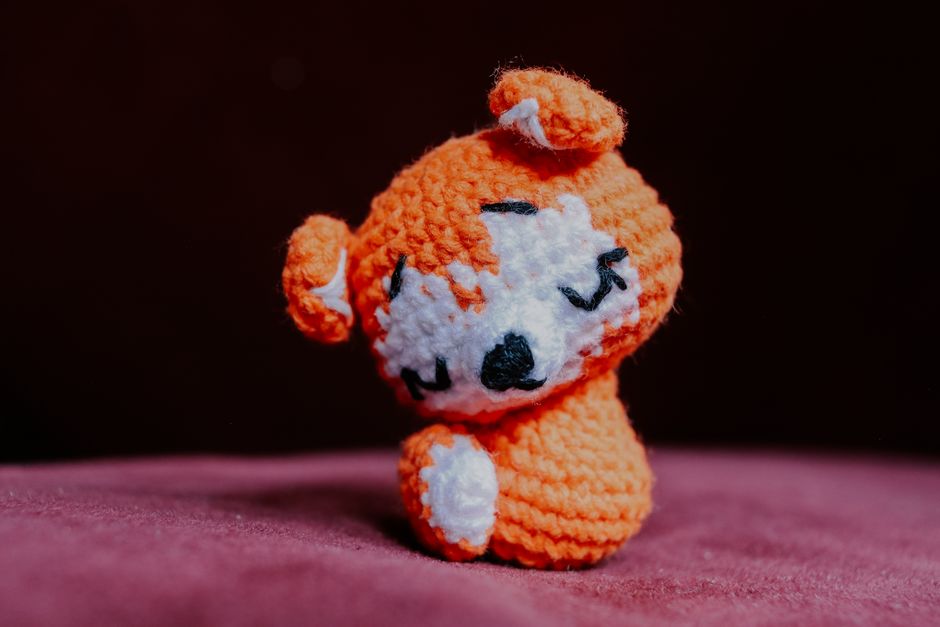
Most patterns list each round separately with the total stitch count in brackets. For example, “Round 3: [sc in next st, inc] x 6 (18)” means you’ll alternate single crochet and increase stitches six times, ending with 18 total stitches. The multiplication sign indicates repetition, while parentheses show your final count—an important checkpoint to ensure you’re on track.
Starting with beginner-friendly patterns builds confidence and teaches fundamental shaping techniques. Simple spheres, basic animals with minimal parts, and geometric shapes provide excellent practice. As you complete each project, you’ll internalize how increases create wider sections while decreases narrow your work, knowledge that eventually allows you to modify patterns or even design your own. For more options, explore our collection of cute crochet patterns.
Pattern terminology can vary slightly between designers. Some use British crochet terms while others follow American conventions. Always check the pattern’s terminology guide, as what Americans call “single crochet” is “double crochet” in British patterns—a confusion that can derail your entire project.
Assembly and Finishing Techniques
Creating beautiful individual pieces is only half the amigurumi process. Professional assembly and thoughtful finishing touches transform separate components into cohesive, polished creations.
Stuffing requires a delicate balance. Too little leaves your amigurumi floppy and shapeless, while overstuffing creates lumpy, distorted forms. Fill pieces firmly but not tightly, using small amounts of fiberfill at a time. A chopstick or similar tool helps push stuffing into narrow areas like limbs or ears. Leave the last few rounds of pieces less firmly stuffed to make sewing them onto the body easier.
Joining pieces securely ensures your amigurumi withstands handling. The whipstitch and ladder stitch both create invisible seams when done carefully. Pin pieces in position before sewing, checking from multiple angles that placement looks balanced. Taking your time with assembly prevents the disappointment of realizing a head sits crooked or arms attach unevenly.
Face embroidery brings personality to your creations. Safety eyes installed before completing the head offer the easiest option, but embroidered faces provide more creative control and are safer for young children. Simple French knots, satin stitches, and backstitch can create surprisingly expressive features. According to Britannica, handicrafts like embroidery have been practiced across cultures for thousands of years, connecting modern crafters to rich artistic traditions.
Health Benefits of Crafting Amigurumi
Beyond creating adorable toys, regular crochet practice offers surprising health advantages that enhance overall wellbeing. These benefits make amigurumi not just a hobby but a form of self-care.
The repetitive motions of crochet induce a meditative state similar to mindfulness practices. This rhythmic activity can lower blood pressure, reduce anxiety, and provide a mental break from daily stressors. Many crafters report that dedicating time to amigurumi projects helps them unwind after long days, creating a peaceful ritual that promotes relaxation. If you’re looking for an ideal starting point, consider these beginner crochet projects to start today.
Cognitive benefits accompany the calming effects. Following patterns strengthens memory and concentration, while counting stitches and tracking rounds keeps the mind sharp. The problem-solving required when patterns don’t work out as expected or when modifying designs exercises creative thinking skills.
While crafting provides mental exercise, remember that physical activity remains essential for overall health. The CDC physical activity guidelines recommend adults get at least 150 minutes of moderate-intensity aerobic activity weekly. Balance your crafting sessions with movement, taking breaks to stretch and walk. Consider your crochet time as a complement to—not replacement for—physical exercise.
Additionally, adequate rest supports both crafting performance and general health. Quality sleep improves focus, helping you follow complex patterns and make fewer mistakes. Resources like Sleep Foundation offer guidance on establishing healthy sleep habits that will keep you energized for both crafting and daily activities.
Growing Your Amigurumi Skills
Once you’ve mastered the basics, the amigurumi world offers endless opportunities for growth and creativity. Advancing your skills keeps the craft engaging while expanding what you can create.
Challenge yourself progressively by selecting patterns slightly beyond your current comfort zone. After completing simple animals, try characters with clothing, creatures with multiple colors, or designs requiring wire armatures for poseable limbs. Each new technique you learn becomes a tool in your crafting arsenal.
Color work transforms amigurumi from simple to spectacular. Techniques like tapestry crochet allow you to create intricate patterns and designs within your fabric. Stripes, color blocking, and gradient effects add visual interest without requiring complex new stitches. Experimenting with yarn texture—fuzzy, sparkly, or variegated—creates unique effects.
Joining crafting communities accelerates learning through shared knowledge and encouragement. Online forums, social media groups, and local crochet circles connect you with fellow enthusiasts who offer advice, troubleshoot problems, and celebrate your successes. These communities often host crochet-alongs where members work on the same pattern simultaneously, providing motivation and support.
Conclusion
Learning to crochet amigurumi opens a rewarding creative outlet accessible to crafters at any skill level. With basic supplies, fundamental stitches, and practice following patterns, you’ll soon be creating charming handmade treasures. To get started quickly, check out our Amigurumi Starter Kit. This guide covers all the essentials to learn to crochet amigurumi step by step. The journey from your first imperfect sphere to complex characters teaches patience, problem-solving, and the satisfaction of making something beautiful with your own hands. Whether you’re crafting gifts for loved ones, building a collection of cute creatures, or simply enjoying the meditative process, amigurumi offers endless possibilities for expression and joy. Pick up your hook, choose your first pattern, and discover the delightful world of crocheted companions waiting to come to life through your stitches.