Amigurumi, the Japanese art of crocheting adorable stuffed animals and characters, has captured the hearts of crafters worldwide. Whether you’re new to crochet or looking to explore this charming craft, an amigurumi starter kit provides everything you need to create your first delightful projects. This comprehensive guide explores what makes an ideal starter kit, essential supplies, techniques to master, and how to choose the right resources for your creative journey.
What Makes a Complete Amigurumi Starter Kit
A quality amigurumi starter kit should include all the fundamental supplies needed to begin your crafting adventure. The best kits typically contain a variety of yarn colors in amigurumi-appropriate weights, multiple crochet hooks in commonly used sizes, stuffing material, safety eyes, stitch markers, yarn needles, and scissors. Beyond physical supplies, access to clear patterns and tutorials separates an excellent kit from a mediocre one.
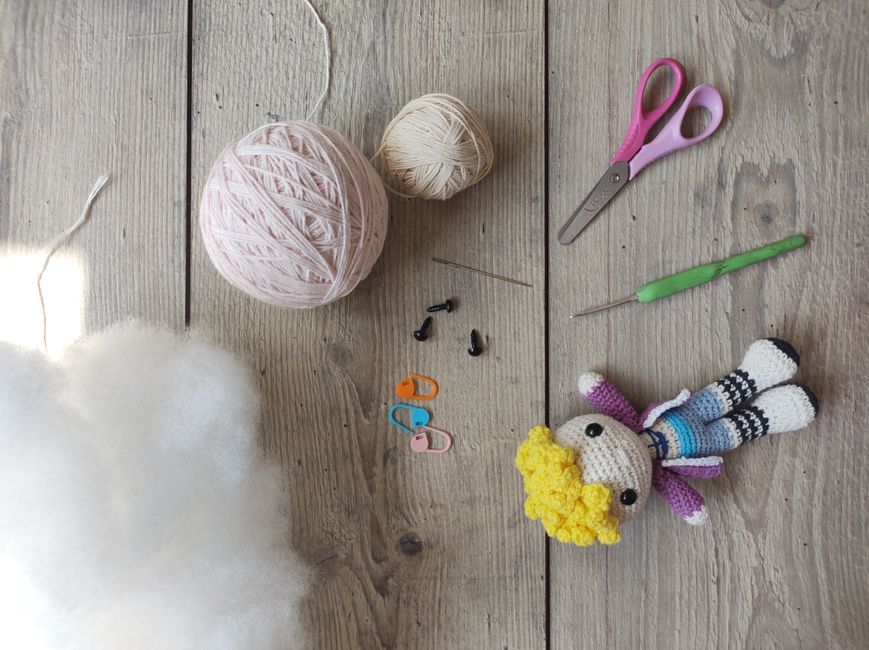
When selecting a starter kit, consider what’s included versus what you’ll need to purchase separately. Some kits focus on basic supplies while others bundle complete project materials. Beginners benefit most from kits that include step-by-step instructions and at least one complete pattern to practice fundamental techniques. The inclusion of multiple hook sizes allows you to experiment with different yarn weights and achieve various finished sizes.
Quality matters significantly in amigurumi supplies. Yarn that splits easily frustrates beginners, while poorly constructed hooks can cause hand fatigue. Look for kits featuring smooth, ergonomic hooks and yarn specifically recommended for amigurumi projects. Cotton and acrylic blends work exceptionally well, holding their shape while remaining soft and durable.
Essential Supplies for Amigurumi Success
Understanding each component in your starter kit helps you make informed purchasing decisions and sets you up for success. Yarn selection forms the foundation of any amigurumi project. Medium weight (worsted) yarn offers the best starting point for beginners, providing enough thickness to see stitches clearly while working at a manageable pace. Cotton yarn creates structured pieces that hold their shape beautifully, while acrylic options offer vibrant colors and machine washability.
Crochet hooks in the 2.5mm to 4mm range suit most beginner amigurumi projects. Many crafters prefer using a hook one size smaller than the yarn label recommends, creating tighter stitches that prevent stuffing from showing through. Ergonomic handles reduce hand strain during longer crafting sessions, making the experience more enjoyable for beginners building their skills.
Safety eyes bring amigurumi characters to life with personality and expression. Starter kits should include various sizes, typically ranging from 6mm to 12mm. These plastic eyes click securely into place, creating professional-looking results without requiring embroidery skills. Alternative options include buttons, beads, or embroidered eyes for projects intended for young children.
Polyester fiberfill provides the perfect stuffing material, remaining lightweight while creating plush, huggable creations. Quality stuffing distributes evenly and doesn’t clump, ensuring smooth, professional-looking finished pieces. Hypoallergenic options provide peace of mind when creating toys for children or those with sensitivities.
Learning Resources and Pattern Access
Physical supplies represent only half the equation for amigurumi success. Access to quality patterns and educational resources transforms a collection of materials into finished masterpieces. Crochet Craze offers thousands of amigurumi PDF patterns designed for various skill levels, ensuring beginners can find appropriate projects while experienced crafters discover new challenges.

Beginner-friendly patterns include detailed stitch counts, clear photographs at each stage, and written explanations of techniques. Look for patterns featuring simple shapes like spheres and cylinders, which form the building blocks of most amigurumi designs. Characters with minimal color changes and straightforward assembly processes help new crafters build confidence without overwhelming complexity.
Video tutorials complement written patterns beautifully, demonstrating hand positioning, tension control, and assembly techniques that photographs alone cannot convey. Many successful amigurumi artists credit video instruction with helping them master challenging concepts like Amigurumi Stitch Tutorials for All Levels and seamless color changes. According to Britannica, crochet has evolved significantly with modern educational resources making traditional crafts more accessible to new generations.
Building a reference library of techniques proves invaluable as you progress. Bookmark tutorials covering magic rings, single crochet stitches, increases, decreases, and finishing techniques. Understanding these fundamentals allows you to tackle virtually any amigurumi pattern with confidence.
Health Benefits of Amigurumi Crafting
Beyond creating adorable handmade treasures, amigurumi offers surprising health benefits that enhance overall wellbeing. The repetitive motions of crochet promote relaxation and stress reduction, providing a meditative activity that quiets racing thoughts and anxiety. Many crafters report improved mood and decreased stress levels after dedicated crafting sessions.
Fine motor skills receive excellent exercise through amigurumi work. The precise movements required for tension control, stitch placement, and assembly improve hand-eye coordination and dexterity. These benefits prove particularly valuable as we age, helping maintain finger flexibility and grip strength. While crafting provides mental and fine motor benefits, remember to balance sedentary activities with regular movement as recommended by the CDC physical activity guidelines.
Cognitive engagement remains high throughout amigurumi projects. Following patterns, counting stitches, and visualizing three-dimensional construction from flat instructions exercises memory, concentration, and problem-solving abilities. This mental stimulation contributes to cognitive health and may help maintain mental sharpness over time.
The sense of accomplishment from completing handmade creations boosts self-esteem and provides tangible evidence of skill development. Sharing finished amigurumi with friends, family, or charitable organizations creates meaningful connections and spreads joy beyond your personal crafting space. Quality sleep also supports the focus and patience required for detailed handwork, as noted by the Sleep Foundation in their research on cognitive function and rest.
Choosing Your First Projects
Selecting appropriate first projects significantly impacts your early amigurumi experience. Simple sphere-based designs like balls, basic animals, or round food items provide excellent starting points. These projects teach fundamental techniques without requiring complex shaping or intricate assembly.
Avoid patterns featuring extensive embroidery, multiple small pieces, or advanced techniques like tapestry crochet for your initial attempts. Save these exciting challenges for after you’ve mastered basic construction and developed consistent tension. Frustration from overly ambitious first projects discourages many potentially talented crafters from continuing their amigurumi journey.
Consider project size when starting out. Smaller amigurumi finish quickly, providing satisfying results that maintain motivation. However, extremely tiny projects can challenge beginners still developing tension control. Medium-sized creations measuring 4-6 inches tall offer the sweet spot between manageability and satisfying completion time.
Building Your Amigurumi Skills
Progression in amigurumi follows natural skill development patterns. Begin with single-color projects to focus on stitch consistency and shaping. Once comfortable, introduce simple color changes, then progress to more complex patterns featuring multiple components and detailed assembly.
Practice tension control consistently, as even stitches create professional-looking results while loose work allows stuffing to peek through. Many beginners crochet too loosely at first, so experiment with hook sizes and grip adjustments until finding your ideal tension. Remember that tension naturally tightens as you gain experience and muscle memory develops.
Join amigurumi communities online or locally to share progress, ask questions, and find inspiration. Crochet Craze provides detailed tutorials and guides alongside their extensive pattern library, offering the support system crucial for skill development. Fellow crafters often provide troubleshooting assistance, alternative techniques, and encouragement during challenging projects.
Document your progress through photographs, noting which patterns you’ve completed and techniques you’ve mastered. This record provides motivation during skill plateaus and helps you appreciate how far you’ve come. Many crafters laugh at their early attempts while celebrating continuous improvement over time.
Conclusion
An Amigurumi starter kit opens the door to a rewarding, creative hobby that combines artistic expression with relaxation and skill development. By selecting quality supplies, accessing clear patterns and tutorials, and choosing appropriate first projects, you’ll set yourself up for success in this charming craft. Remember that every expert crafter started exactly where you are now, and each stitch brings you closer to creating the adorable handmade treasures you’ve envisioned. Whether crafting for yourself, loved ones, or charitable causes, amigurumi offers endless possibilities for creativity and connection. Gather your starter kit, choose your first pattern, and begin your amigurumi journey today.