Starting your crochet journey in 2026 opens up a world of creative possibilities, especially with the growing popularity of handmade crafts and amigurumi designs. Whether you’re looking to create adorable stuffed animals, functional household items, or relaxing craft projects, crochet offers something for everyone. This comprehensive guide will walk you through everything you need to know about beginner-friendly crochet patterns, essential techniques, and how to get started with confidence.
Understanding Basic Crochet Patterns
Crochet patterns for beginners are specifically designed with simplicity and clarity in mind. These patterns typically use basic stitches like single crochet, double crochet, and chain stitches, which form the foundation of all crochet work. When you’re just starting out, look for patterns labeled as “easy” or “beginner-friendly” that include detailed instructions and stitch counts for each row.

The best beginner patterns feature repetitive stitch sequences, allowing you to practice and gain confidence before moving on to more complex designs. Simple projects like dishcloths, scarves, and basic amigurumi shapes provide excellent starting points. These patterns help you develop muscle memory and understand how different stitches work together to create fabric.
Most modern patterns, including those from Crochet Craze, come in PDF format with step-by-step instructions, clear diagrams, and helpful photos. This format allows you to download instantly and reference the pattern on your tablet or print it out for offline crafting. Look for patterns that include both written instructions and visual aids, as this combination helps different learning styles.
Essential Stitches Every Beginner Should Master
Before diving into patterns, familiarizing yourself with fundamental crochet stitches is crucial. The chain stitch forms the foundation of most projects and is typically the first stitch beginners learn. This simple loop-through-loop technique creates the starting row for nearly every crochet piece.
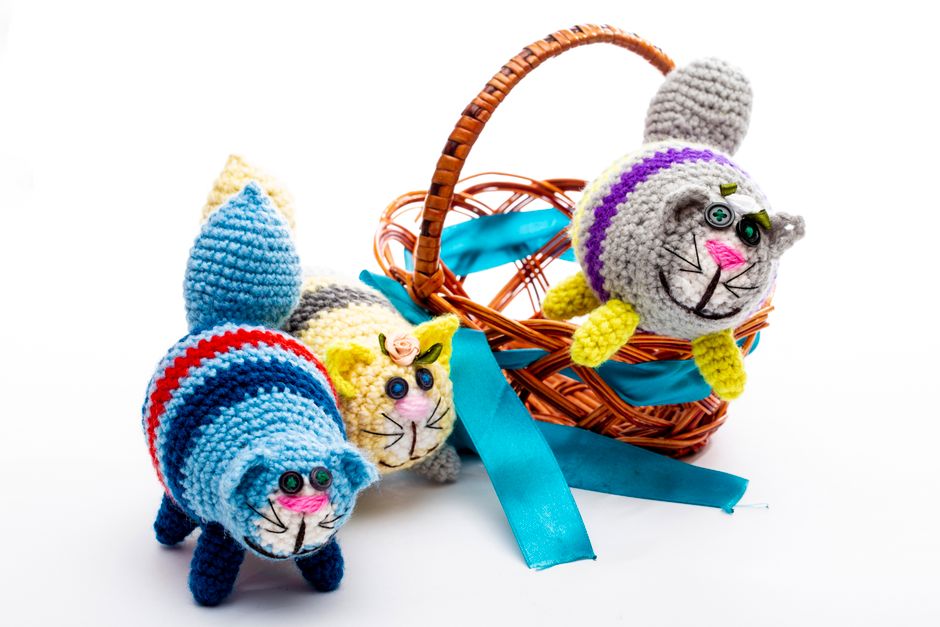
The single crochet stitch is the most basic and versatile stitch in crochet. It creates a tight, dense fabric perfect for amigurumi projects and structural pieces. Once you master single crochet, you’ll find it appears in countless beginner patterns. The double crochet stitch works up faster and creates a looser, more flexible fabric, making it ideal for blankets, scarves, and garments.
Other essential techniques include the slip stitch for joining rounds, increasing stitches to expand your work, and decreasing stitches to shape your projects. Many beginners find that practicing these basics for just 15-20 minutes daily builds proficiency quickly. According to CDC physical activity guidance, engaging in creative activities that involve hand movements can contribute to overall physical wellness and fine motor skill development.
Top Beginner-Friendly Pattern Categories
Starting with the right category of patterns can make or break your crochet experience. Flat patterns worked in rows, such as washcloths, coasters, and simple scarves, are excellent first projects. These allow you to focus on mastering basic stitches without worrying about shaping or working in rounds.

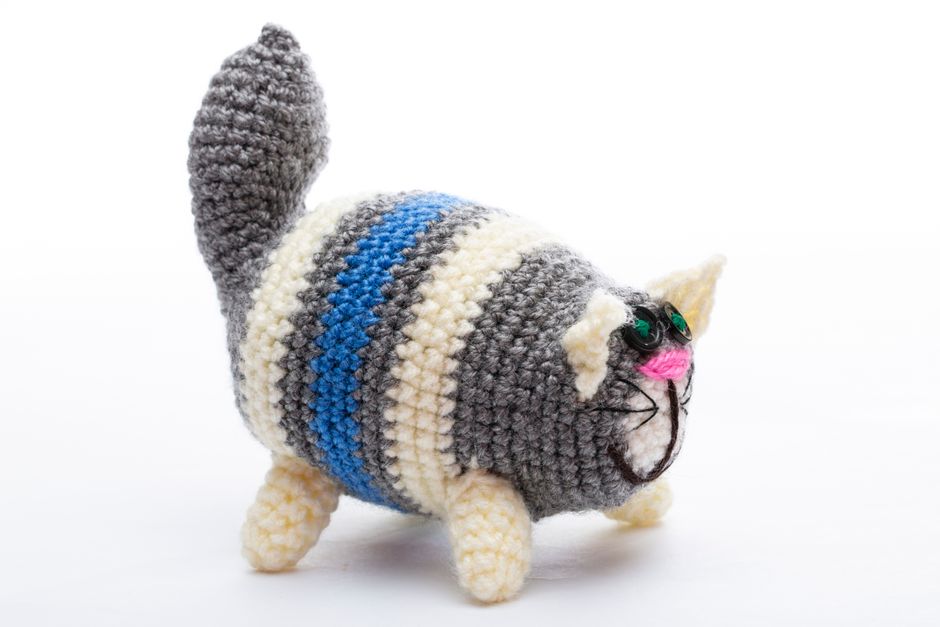
Amigurumi patterns have exploded in popularity and offer wonderful beginner options. Simple amigurumi designs like spheres, basic animals with minimal shaping, and geometric characters teach you how to work in rounds while creating adorable finished products. Crochet Craze specializes in amigurumi patterns with varying difficulty levels, ensuring you can find projects that match your current skill level.
Granny squares represent another beginner-friendly category. These modular pieces teach color changing, joining techniques, and can be combined to create larger projects like blankets or bags. Home decor items such as baskets, plant holders, and pillows also provide practical applications for your new skills while offering relatively simple construction methods.
How to Read and Follow Crochet Patterns
Understanding crochet pattern language is like learning a new shorthand system. Patterns use abbreviations to save space and make instructions clearer once you know the code. Common abbreviations include ch (chain), sc (single crochet), dc (double crochet), inc (increase), and dec (decrease). Most beginner patterns include an abbreviation key at the beginning.
Pattern instructions typically indicate how many times to repeat a sequence using asterisks or parentheses. For example, “*sc 2, inc* repeat around” means you’ll alternate two single crochets with one increase until you complete the round. Stitch counts appear in parentheses at the end of rows or rounds, helping you verify you’re on track.
Reading charts and diagrams becomes easier with practice. Many visual learners prefer symbol-based patterns where each stitch type has a specific symbol. Taking time to familiarize yourself with pattern structure before starting prevents confusion mid-project. Keep a notebook to jot down where you stopped or any modifications you make for future reference.
Materials and Tools for Beginner Patterns
Selecting appropriate materials significantly impacts your beginner experience. Medium-weight yarn, often labeled as worsted weight or size 4, works well for most beginner patterns. This yarn thickness is easy to handle, widely available, and forgiving of tension inconsistencies that naturally occur when learning.
Choose light-colored yarn in solid colors for your first projects. Light colors make it easier to see individual stitches and identify mistakes quickly. Avoid dark colors, variegated yarns, or fuzzy textures initially, as these can obscure your stitches and make learning more challenging.
Hook size matters, and most beginner patterns recommend a 5mm (H) or 5.5mm (I) hook for medium-weight yarn. These sizes feel comfortable in most hands and produce a visible, workable stitch. Additional tools include stitch markers to track your place, scissors, and a yarn needle for weaving in ends and assembling pieces.
Building Skills Through Progressive Patterns
The key to crochet success lies in progressive skill building rather than jumping directly to complex patterns. Start with flat rectangles to practice consistent tension and stitch formation. Once comfortable, move to patterns incorporating simple shaping like triangles or circles. This gradual progression builds confidence without overwhelming frustration.
After mastering flat work, transition to working in rounds with simple tube shapes or basic amigurumi spheres. These projects introduce the concept of spiral rounds versus joined rounds, both fundamental to amigurumi construction. As your skills develop, explore patterns combining multiple shapes or introducing simple color changes.
Engaging in creative hobbies like crochet offers numerous mental health benefits beyond skill acquisition. The repetitive nature of crochet promotes relaxation and mindfulness, similar to meditation. Research documented by Britannica shows that crafting activities can reduce stress and improve overall well-being. Many crocheters find their practice contributes to better sleep quality and relaxation, with benefits comparable to other calming evening routines noted by sleep experts at Sleep Foundation.
Common Beginner Mistakes and How to Avoid Them
Every crocheter makes mistakes while learning, but recognizing common pitfalls helps you progress faster. One frequent issue involves inconsistent tension, where some stitches appear tighter or looser than others. This typically resolves with practice as your hands develop muscle memory. Focus on maintaining a comfortable grip and letting yarn flow smoothly rather than gripping too tightly.
Losing or gaining stitches is another common challenge. This usually happens when accidentally skipping stitches or working into the wrong loops. Using stitch markers at the beginning of rounds or rows helps track your stitch count. Count your stitches at the end of each row initially to catch mistakes early when they’re easier to fix.
Many beginners struggle with identifying where to insert their hook, especially at the end of rows or when working increases and decreases. Taking time to examine the structure of your stitches and understanding how they stack helps tremendously. Don’t hesitate to unravel work that’s gone wrong—ripping out and redoing sections is part of the learning process and ultimately improves your skills faster than pushing forward with mistakes.
Conclusion
Beginning your crochet journey with appropriate patterns sets the foundation for years of creative enjoyment. By starting with simple, well-designed patterns and progressively building your skills, you’ll quickly move from basic stitches to creating impressive amigurumi and other projects. Remember that every expert crocheter started exactly where you are now, with their first chain stitch and simple pattern.
Take advantage of resources like Crochet Craze that offer thousands of patterns designed for various skill levels, ensuring you always have appropriate projects to challenge and inspire you. With instant PDF downloads, detailed tutorials, and a supportive community, you’ll find the guidance needed to transform from beginner to confident crocheter. Pick up your hook, choose your first pattern, and start creating handmade treasures today.