- Technical Specs: Yarn labels provide vital data on weight categories (0-7), fiber composition, and recommended hook/needle sizes to ensure your project has the right drape and fit.
- Color & Quantity: Always match “Dye Lot” numbers to ensure color consistency across your project and buy based on yardage/meters rather than weight to avoid running out of yarn.
- Gauge & Care: Creating a gauge swatch is essential for fitted garments, while following the label’s universal washing symbols protects your handiwork from shrinking or felting.
- Quality Sourcing: Look for certifications like OEKO-TEX or GOTS and premium fibers (like Pima cotton or Merino) to ensure durability, sustainability, and comfort for sensitive skin.
How to Read Yarn Labels Like a Pro
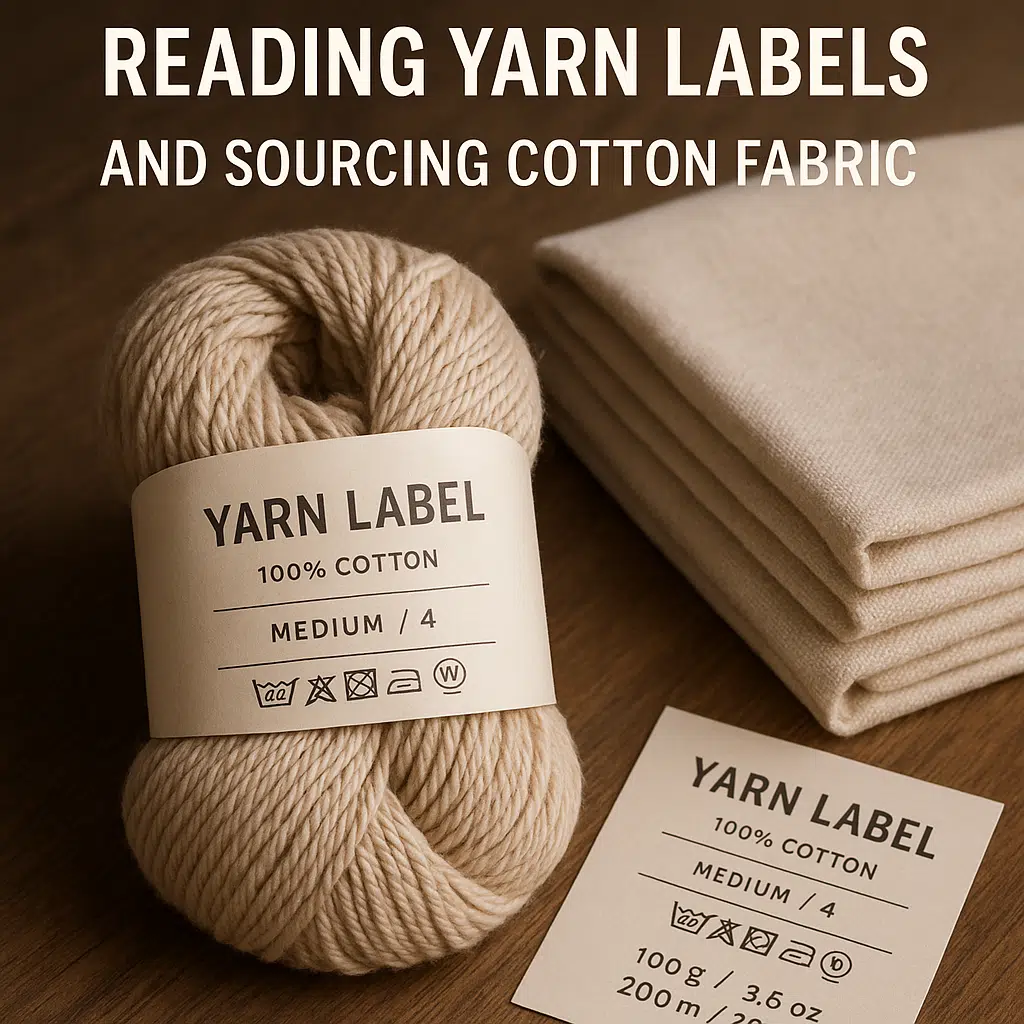
Once you look past the pretty colors, you’ll find that the label is actually your secret weapon for technical success. The most important thing to spot first is the “Weight Category,” usually represented by a small yarn skein icon with a number from 0 to 7 inside. This tells you the thickness of the strand, which dictates which needles or hooks you’ll need to grab from your stash.
Many manufacturers follow standards set by the Craft Yarn Council to ensure weight categories and symbols are uniform across different brands. This industry-wide consistency makes it much easier for you to switch between yarns without losing track of your project’s technical needs.
Many manufacturers follow standards set by the Craft Yarn Council to ensure weight categories and symbols are uniform across different brands. This industry-wide consistency makes it much easier for you to switch between yarns without losing track of your project’s technical needs.
Beyond the thickness, you’ll also find the recommended gauge, that little square symbol that tells you how many stitches should fit into a four-inch area. This is the gold standard for ensuring your finished garment actually fits your body instead of ending up sized for a doll. Isn’t it amazing how much info they cram onto that tiny strip of paper? Plus, understanding reading a yarn label can make a significant difference in your projects.
Understanding Fiber Content and Composition
While the weight tells you the size, the composition represents your yarn’s soul and determines how the finished piece will behave. If you’re looking for something crisp and breathable for a summer tank, you’ll want to hunt for 100% Pima or Egyptian cotton. On the flip side, if you’re craving that iconic, rustic texture for a heavy sweater, you might look for Icelandic Lopi or a bouncy Merino wool blend.
This is also where you can align your crafting with your values. Keep an eye out for “OEKO-TEX” certifications or “GOTS” organic stamps if you want to ensure your cotton was processed without harsh chemicals. Understanding fiber content helps you decide if a yarn has enough “spring” to hold its shape or if it will have that beautiful, heavy drape perfect for a shawl.
Mastering Yardage and Skein Weight
Now that you know what the yarn is made of, you need to make sure you have enough of it. Ever run out of yarn right before finishing a row? It’s the worst! To avoid “yarn chicken,” you have to look at the yardage (or meters) rather than just the physical weight of the ball in grams. Two different brands might both weigh 100 grams, but because of their density, one might offer 200 yards while the other only gives you 150.
Always check your pattern’s total requirement and then do a quick bit of math to see how many skeins you need to clear the shelf. Pro tip: always check the “Dye Lot” number printed near the barcode too. Even if the colors look identical under those bright craft store lights, yarn from different batches can have subtle shifts that show up as stripes in your work once you get it home!
The Mystery of the Dye Lot Number
Ever started a project only to find your colors don’t quite match halfway through? It’s a total headache! Since I just mentioned that sneaky little number near the barcode, let’s talk about why it’s your best friend. These numbers are the manufacturer’s way of telling you exactly which “cook date” that yarn belongs to.
Think of it like baking a batch of cookies; even with the same recipe, one tray might stay in the oven thirty seconds longer than the next. In the yarn world, factors like humidity and water temperature can slightly alter how the fiber absorbs pigment. By grabbing skeins with matching lot numbers, you’re ensuring that the rich teal or soft cream stays consistent from your first stitch to your very last row.
Checking Dye Lot Numbers is a non-negotiable step for professional results. These codes ensure every skein comes from the same dye vat, preventing visible color shifts in your finished fabric.
Recommended Hook Size and Stitch Gauge
Now that you’ve got the right thickness, you might be asking: which hook or needle should I actually grab? Your yarn label acts like a secret map here, usually featuring a small graphic of crossed knitting needles or a crochet hook. This isn’t just a suggestion; it’s the manufacturer’s “sweet spot” for achieving a balanced fabric that isn’t too tight or too loose.
Next to those tool sizes, you’ll see a little square icon representing the stitch gauge. This tells you how many stitches and rows should fit into a four-inch square. If you’re making something where size is critical, like a cozy sweater or a fitted hat, don’t skip making a test swatch first! It only takes a few minutes, but it saves you from the heartbreak of finishing a garment that only fits your cat.
Crocheting projects rely heavily on these labels to determine the best tension and flow. Matching your hook size to the label’s suggestion ensures your stitches remain consistent and professional.
Decoding Care Instructions and Washing Symbols
You’ve put so much love into every single loop, so let’s make sure that hard work lasts for years to come! After you’ve mastered the gauge and finished your masterpiece, the final piece of the label puzzle is the care section. This is where you’ll find those universal symbols for washing, drying, and ironing that tell you exactly how to treat your new creation.
If you see the “Superwash” tag, you’re usually safe for a machine cycle, but delicate fibers like alpaca or silk might require a gentle hand-wash in cool water. Following these specific rules prevents your beautiful work from felting or shrinking down to doll size. After all, you’ve spent hours crafting that perfect drape, doesn’t it make sense to protect it with the right laundry routine?
Sourcing Quality Cotton and Global Trade
Speaking of protecting your work, have you ever wondered where your favorite yarn actually starts its journey? Whether you’re browsing specialized shops on Shopify or curious about global trade shifts, knowing your cotton’s origin is a total game-changer. For instance, did you know that the United States is currently the world’s leading exporter of raw cotton? Understanding these supply chains helps you identify premium long-staple fibers like Pima or Egyptian cotton, which are less likely to pill over time. After all, don’t you deserve the highest quality materials for all those hours of hard work?
Related Video
How to Crochet a Gauge Swatch (Beginner Crochet Tutorial)
Learning how to gauge swatch in crochet can be tricky for beginner crocheters. However, this skill is very important as you grow in your…
Sourcing Quality Cotton and Brand Names
Now that you know how to read the fine print, where should you actually go to find the good stuff? It’s easy to get overwhelmed by the endless aisles of yarn, but focusing on reputable names like Lopi for structure or premium Italian cottons for drape ensures you’re starting with high-quality raw materials.
p id=”p-loops-threads-impeccable-random”>For reliable everyday projects, many crafters turn to Loops & Threads Impeccable, a versatile worsted-weight yarn known for its durability and wide color range. Its label provides clear gauge information, making it a staple for consistent results in blankets and accessories.
Whether you’re browsing a boutique shop on Shopify or visiting your local craft store, keep an eye out for GOTS-certified organic labels. Choosing organic isn’t just about being eco-friendly; it ensures the cotton was processed without harsh chemicals, making it the best choice for sensitive skin and baby blankets. Investing in quality fiber from the start means your finished project will look just as stunning five years from now as it does today!
Dye Lot Number and Color Consistency
Once you’ve calculated how much yarn you need for that substitution, there’s one more tiny number on the label that carries a lot of weight: the dye lot. Have you ever noticed a subtle, horizontal line across a finished scarf where the color seems just a tiny bit “off”? That’s usually the result of switching to a new batch of yarn mid-project.
Even if two skeins look identical under the harsh fluorescent lights of a craft store, subtle differences in water temperature or pH during the dyeing process can create visible shifts in your knitting. To keep your colors seamless, always double-check that the lot numbers match on every single ball you buy. If you’re forced to use different lots, try alternating rows from two different balls to blend the shades together naturally.
Frequently Asked Questions & Expert Insights
Mastering your yarn labels
Still feeling a little bit of “label shock” when you look at all those symbols? You aren’t alone! One of the most common questions I get is whether you can ignore the suggested hook or needle size. The short answer? Absolutely. While the label gives you a starting point, changing your tool size is a pro move to customize the “drape” or flow of your fabric. A larger hook creates a lacy, breezy feel, while a smaller one gives you a sturdy, structured finish.
Another insider tip is to always keep one of your yarn labels tucked away in your project bag until the piece is totally finished. If you run out of yarn unexpectedly, having that specific information handy makes it much easier to track down a close match at the local shop. Isn’t it satisfying when a plan finally comes together? With these tricks up your sleeve, you’re ready to tackle any pattern with total ease.