
You’re about to learn Continental knitting, a left-hand style that cuts down on unnecessary motion. This guide will show you how to learn Continental knitting quickly. You’ll move from simple swatches to complex patterns like colorwork and socks with less strain on your hands.
Get ready for practical tips on tools, tension, and drills to build muscle memory. The guide uses methods from Anna Nikipirowicz and Thread Collective’s tutorials. You’ll get clear, second-person instructions for knitters in the United States looking to switch to left-hand knitting.
Start now and keep your hands relaxed. You’ll see your rows get faster and your colorwork cleaner than you expect. This article covers everything from ergonomics to troubleshooting. Your transition to Continental knitting will be both efficient and fun.
Key Takeaways
- Continental knitting uses the left hand to pick the yarn for faster, more efficient motion.
- Learning the picked method improves Continental knitting speed and reduces hand movement.
- Practical drills and the right tools make switching to left-hand knitting smoother.
- Instructional methods from experts like Anna Nikipirowicz and resources such as Thread Collective inform this guide.
- Focus on relaxed tension and short daily practice to build consistent muscle memory.
Why You Should Learn the Continental Knitting Technique
Switching to Continental changes how you move. The left-hand yarn hold and the picking motion cut down wasted motion. Once your fingers learn the rhythm, you can enjoy the benefits of Continental knitting in both speed and rhythm.
Speed and efficiency
Continental is prized as a faster knitting method. The needle picks the yarn, not the dominant hand. This small change means fewer large gestures and more stitches per minute once muscle memory sets in.
Many knitters report noticeable gains in projects like scarves and sweaters after a few focused sessions. If you love timed rows, this approach lets you shave minutes off long runs without changing patterns.
Ergonomic benefits and reduced hand strain
Ergonomic knitting is more than a buzzword; it can affect how long you knit without pain. Continental’s compact motions place less stress on your wrist and fingers.
If you deal with hand fatigue or mild joint pain, adopting the left-hand tension system can ease strain during long sessions. Try bamboo needles from brands such as Susan Bates or Addi to complement the gentler motion and reduce slipping.
Why colorwork becomes easier with Continental picking
Continental for colorwork shines when you juggle two or more strands. Holding one color in each hand makes switching smooth and reduces dropped floats in stranded patterns.
For Fair Isle or stranded knitting, this split-hands method often yields more even tension and cleaner color changes. Thread Collective and makers of Harrisville Shetland or Ashford Corriedale blends recommend slightly “toothy” yarns to keep multiple strands from sliding during colorwork.
Want the mental-health perks of a steady craft habit while you learn? Read this knitting-for-mental-health piece to see how a faster knitting method can boost mood and focus.
What Is Continental Knitting and How It Differs from Other Styles
Want to know about Continental knitting and how it’s different? This guide explains the main motion and how it compares to English and other styles.
Definition: left-hand yarn hold and the picking motion
In Continental knitting, you hold the yarn in your left hand. You use your fingers to control the yarn, wrapping it around your pinky and other fingers. Your index finger guides the yarn.
The right needle picks up the yarn in a small motion. This method reduces wasted movement and helps maintain a steady pace.
Continental versus English — movement comparison
Continental and English knitting differ in hand movement. English knitting holds the yarn in the right hand and throws it around the needle. This method uses bigger arm and wrist movements.
Continental knitting, on the other hand, uses a smaller picking motion. This makes it easier to knit faster for many people.
Comparison with Portuguese, Russian, and Shetland methods
Portuguese knitting tightens yarn around the neck or a pin for even tension. Russian knitting uses left-hand loop-picking, which can create twisted stitches. Shetland knitting, or pit knitting, uses unique grips that tuck yarn under the chin.
These styles vary in yarn handling, tension creation, and stitch formation. Trying different methods can help you find what works best for you.
Essential Tools for Continental Knitting
Having the right tools makes learning easier and keeps you calm. Start with needles that fit your pace. Bamboo or wood needles offer a soft grip, helping with control.
Brands like Lykke and KnitPro provide warm, tactile options. These help prevent yarn from slipping.
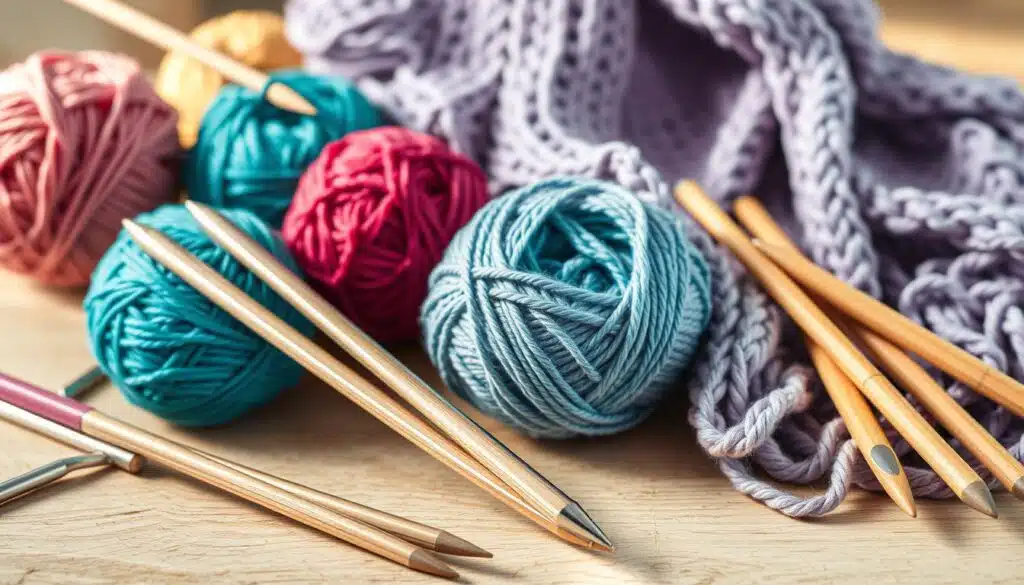
Best needles for learning: bamboo, wood, and smooth metal options
Begin with mid-size needles, US 6–8 (4–5 mm). Bamboo and birch needles have a bit of grip. This stops stitches from slipping off.
Once you’re steady, switch to smooth metal needles. Addi Turbo or HiyaHiya are good for speed. For a quick guide on sizes and types, check this knitting needle guide.
Yarn choices that help you practice: smooth vs. high-tooth yarns
Smooth yarns like Merino DK or Malabrigo Sock are great for early swatches. They show stitch definition and move smoothly.
For colorwork or keeping strands in place, use yarns with a bit of tooth. Harrisville Shetland or Ashford blends are good. They resist slipping and help with strand control.
Helpful accessories: yarn holders, tension guides, and stitch markers
Simple accessories can make a big difference. A yarn bowl or holder keeps balls organized. Tension guides or a consistent finger-wrap setup help with steady gauge.
Small stitch markers and a tape measure make swatching more efficient. Keep a notebook for timed rows and your favorite accessories. These tools reduce practice time, so you can knit more.
How to Hold Yarn and Needles in Continental Style
Learning to hold yarn Continental is like mastering a quick trick. It makes knitting faster and easier. Start by sitting comfortably, with your shoulders relaxed. Hold the yarn so it flows easily from your left hand to the needle.
Left-hand tension methods: finger wraps and common variations
Begin with the yarn around your pinky for base tension. Then, wrap it over your ring and middle fingers. Finish by resting it over your index finger to guide it to the needle tip. Some knitters wrap twice around the pinky for more tension. Others skip the ring finger or use just one loop. Find what works best for you without pinching your skin.
Needle grip options and comfort adjustments
You can hold needles like a pencil or a knife. Try both to see what feels best. Keep your hands relaxed to maintain a smooth rhythm. For better grip, use bamboo or Knitters Pride Harmony needles. But, for speed, smooth metal needles like Addi or Clover work well if you hold them loosely.
Simple drills to find your natural tension and grip
Start with a small garter-stitch scrap. Practice wrapping the yarn and knitting for a few minutes. Then, pause and purl for the same amount of time. Use timed drills to improve your speed and consistency.
Practice sliding the fabric with your pinky while knitting. This helps you learn finger roles. Keep track of your stitch count in one minute to see how comfortable you are.
For a clear guide, check out this tutorial on how to knit Continental. It shows you left-hand tension methods and needle grip in action.
| Drill | Duration | Focus |
|---|---|---|
| Garter stitch warm-up | 5–10 minutes | Find comfortable finger wraps and steady tension |
| Purl practice | 5–10 minutes | Switch motion and balance tension between hands |
| One-minute stitch count | 1 minute × 5 sets | Measure rhythm and consistency |
| Fabric slide drill | 3–5 minutes | Use pinky to move fabric, index guides yarn |
Keep notes as you try different wraps and grips. With practice, your tension and grip will improve. Short, frequent drills are better than long sessions for steady progress.
Step-by-Step Continental Knit and Purl Stitches
Let’s break down the Continental technique into easy steps. Start slow and focus on rhythm. Use short practice sessions to build muscle memory.
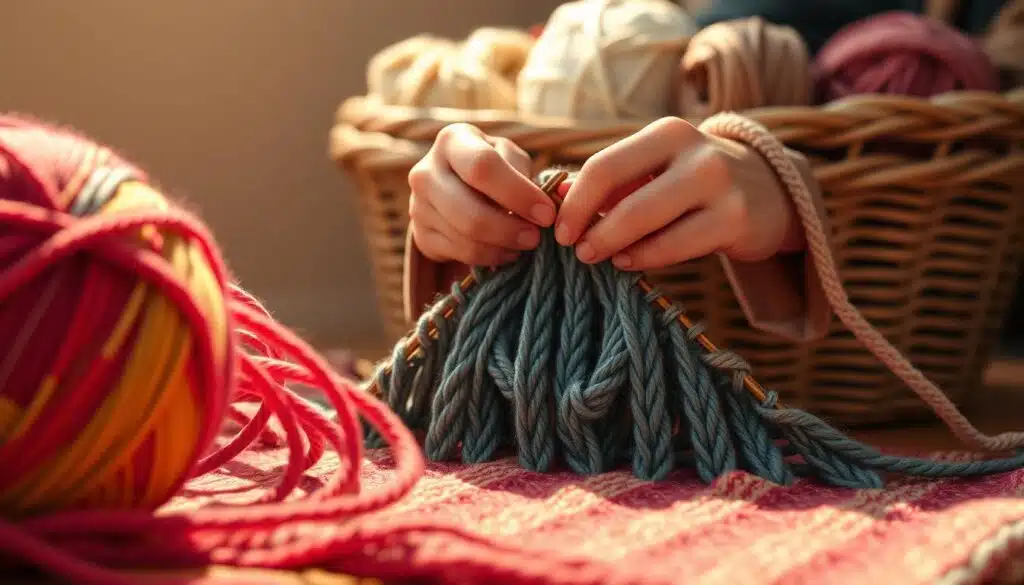
Continental knit motion
First, insert the right needle knitwise into the next stitch on the left needle. Hold the yarn with your left index finger near the right needle tip. Then, scoop the yarn with the right needle tip and pull it through.
Slide the stitch off the left needle. Anna Nikipirowicz shows this step clearly in her tutorial videos. You can find them on Purling Tips: How To Purl Continental.
Norwegian and Continental purl variations
The basic Continental purl moves the yarn to the front. Insert the right needle purlwise and guide the yarn over the tip. Then, pull the loop through and slide the stitch off.
The Norwegian purl stitch is a bit different. Place the right needle behind the working yarn, insert purlwise, and rotate until it aligns with the left needle. Guide the yarn to the front and pull through.
Practice swatches to build muscle memory
Start with garter stitch worked in Continental knit stitch only. This isolates the picking motion and helps you feel the rhythm.
Next, knit a stockinette swatch to practice knit and purl rows. Alternate rows until the switch feels natural. Finish with ribbing to train consistent tension.
Video creators often knit garter, stockinette, and rib swatches. This shows how each stitch looks and compares techniques. Repeat short sessions and track your progress.
Practice Routines and Exercises to Speed Up
Begin with short, focused sessions that fit into your day. Spend ten to fifteen minutes on knitting drills to build muscle memory. Keep needles and a small ball of worsted-weight yarn ready for quick practice sessions.
Short daily drills
Practice the two-finger method. Use your index finger for tension and your middle finger for stitch placement. Add your pinky to move stitches along the needle. Repeat until it becomes automatic. These drills may seem simple, but repetition boosts speed.
Swatch projects that teach transitions
Start tiny projects like dishcloths or mini scarves. They help you practice knit-to-purl switches and color changes. Make swatches in garter, stockinette, and ribbing. Each one teaches consistency and builds muscle memory.
Tracking progress with timed practice
Record how many stitches or rows you complete in one and five minutes. Note the needle and yarn you use. Track your progress in tension, fewer dropped stitches, and a relaxed grip. A practice log shows trends to improve on.
Mix drills with playful swatching. Alternate between speed-focused minutes and relaxed rows. This balance increases your pace while keeping your hands healthy. With consistent practice, your speed and confidence will grow.
Troubleshooting Common Continental Knitting Issues
Switching to Continental knitting is like learning a new language. Small changes in how you hold the yarn can fix uneven stitches. Try adjusting the number of wraps on your pinky or moving the yarn to a different finger to find what feels steady.
Fixing uneven tension and loose stitches
If your stitches look loose, try a few quick fixes. Tighten the pinky wrap or use a yarn dispenser for a light guide. Knit a few swatches and compare their sizes. Using slightly smaller needles can help make your stitches neater.
Keep track of what works so you can do it again. This way, you can easily find the right setup for your knitting.
Preventing hand fatigue and relaxing your grip
To avoid hand fatigue, relax your grip and move your hands less. Use bamboo or wooden needles, like those from ChiaoGoo or Knitter’s Pride, for a gentle hold. Take short breaks, shake your hands, and breathe between rows.
Start slow and practice often. This builds muscle memory and reduces wrist strain. If your hands get tense, stop and stretch for a minute. This break can save your knitting session from becoming too stressful.
Dealing with splitting yarn and needle choices to help control it
Choosing the right yarn can help prevent splitting. Opt for higher-twist yarns or smooth singles like Malabrigo Sock. If a yarn keeps splitting, try using bamboo needles. Their slight friction helps catch the yarn strand instead of piercing it.
Brands like Ashford Merino DK are good for practice because they resist fuzz and split less. When working with tricky yarn, slow down your picking motion and check the needle tip after each stitch to avoid snagging loose plies.
For more tips and grip variations, check out this forum thread: trouble knitting Continental style. Try different methods like the Norwegian purl, combined purl, and the second yarn-hold method until your tension evens out.
- Quick drill: Knit ten deliberate stitches, rip them out, repeat. Muscle memory wins the day.
- Needle swap: Try bamboo for control, metal for speed, and wood for comfort.
- Yarn tip: Use higher-twist yarns when you must avoid splitting; keep a smooth single for slippery practice sessions.
Using Continental Knitting Technique for Colorwork and Advanced Projects
Switching from simple stockinette to Fair Isle or lace is easier with the Continental method. Start with a small swatch that combines two colors and some lace patterns. This practice helps you understand how tension changes with floats or yarn overs.
For stranded knitting, the split hands method is great. Hold one yarn in each hand or gently throw the second yarn. This method cuts down on hand movement and keeps floats neat.
Holding two yarns: split hands method for Fair Isle and stranded knitting
The split hands method works best with yarns that grip a bit, like Harrisville Shetland or Ashford Corriedale. These yarns help prevent long floats from slipping. Keep floats short, every 4–6 stitches, and catch them neatly to avoid puckering.
For more techniques and tips, check this guide at knitting techniques and tips.
Transitioning Continental into lace, ribbing, and socks
Once you master quick knit and purl, try lace repeats. Continental is great for delicate yarn overs and decreases. Start with small lace swatches, then move to ribbing to practice switching between knit and purl.
Continental is also excellent for knitting socks. It works well on small circumferences and short-row shaping. Use circular or double-point needles and practice heel turns and gussets on scrap yarn before starting a pair.
Yarn and needle pairings for complex patterns
Choosing the right yarn and needles is key for advanced projects. For crisp lace, use Ashford Merino DK or Malabrigo Sock with metal needles like Addi Turbo or HiyaHiya. This combo ensures smooth stitch definition and speed. For stranded colorwork, choose grippy yarns and pair them with wooden or bamboo needles for even tension.
| Project Type | Suggested Yarn | Needles | Why it works |
|---|---|---|---|
| Fine lace shawl | Ashford Merino DK / Malabrigo Sock | Addi Turbo, HiyaHiya metal circulars | Smooth yarn plus metal needles gives crisp stitches and fast picking |
| Fair Isle sweater | Harrisville Shetland / Ashford Corriedale | Bamboo or wooden straights | Toothy yarn with grippy needles helps control floats and tension |
| Socks with texture | Malabrigo Sock or similar merino blends | Short circulars or DPNs, metal preferred for glide | Fine yarn plus metal needles keeps fabric dense and even |
| Colorwork accessories | Wool blends with slight tooth | Wood or bamboo for steady tension | Balanced grip reduces slipping without slowing you down |
Try different yarn-needle pairings before starting a big project. You’ll find the perfect mix for your stitch style. This small test makes a big difference in complex patterns and maintaining even tension.
Conclusion
Mastering Continental knitting is possible with focused steps. It offers a faster, more comfortable way to knit. Plus, it makes working with colors easier, but it might take some time to get used to.
Start by practicing every day. Use simple swatches and short drills to build muscle memory. This will make picked knitting feel natural.
Begin with bamboo or wooden needles and a smooth yarn like Ashford Merino DK or Malabrigo Sock. Knit three swatches: garter, stockinette, and rib. Then, time a row to see how you’re doing.
Watch video tutorials from designers like Anna Nikipirowicz and YouTube creators. They show different ways to do it. Choose what feels right for your hands.
Remember, muscle memory grows with practice. Be patient and keep at it. Soon, you’ll knit faster and with more control over colors. When you get the hang of it, you’ll see the effort was worth it.
FAQ
What is Continental knitting and how does the left-hand picking motion work?
Continental knitting, also known as “picking” or German-style knitting, keeps the working yarn in your left hand. You use finger wraps to control the yarn, usually around your pinky and over your ring and middle fingers. Then, you use your right needle to scoop the yarn through a stitch.
The motion is small and efficient. You insert the right needle, bring the yarn to the right-needle tip with your index finger, pick the yarn, pull the loop through, and slide the old stitch off.
Why should you learn Continental knitting instead of sticking with English (throwing)?
Continental knitting uses less hand movement because the left hand holds the yarn. This makes the motion more economical and can help you knit faster. Many knitters find it reduces wrist and finger strain, making it better for long sessions and colorwork.
Does Continental actually help with hand pain or repetitive strain?
Yes, it can. The smaller movements in Continental knitting reduce repetitive wrist and finger motions. This can help relax your grip and reduce fatigue. It’s a good option for those with arthritis or tendon issues.
How does holding yarn in the left hand make colorwork easier?
Holding the yarn in your left hand makes managing multiple strands easier. You can keep one color in each hand, making color changes smooth. This reduces dropping and re-picking strands, leading to cleaner tension and even stranded knitting.
How does Continental compare to Portuguese, Russian, and Shetland (pit) methods?
Continental knitting is a left-hand picking style that balances speed and adaptability. Portuguese knitting uses a special tensioning method for even feed. Russian loop-picking is a left-hand method that can create textured stitches. Shetland or pit knitting uses chin or pit tensioning.
What needles should you use to learn Continental knitting?
Start with bamboo or wooden needles for learning Continental knitting. Brands like Lykke and KnitPro offer options with a bit of “bite” to help control slippery yarn. These needles slow stitches just enough to learn tension and grip.
Once you’re confident and want speed, move to smooth metal needles like Addi Turbo or HiyaHiya for fast, gliding motion.
Which yarns are best for practicing Continental knitting?
For initial practice, choose smooth, medium-weight yarns with clear stitch definition. Ashford Merino DK or Malabrigo Sock work well. For colorwork practice, pick yarns with a little tooth—Harrisville Shetland or Ashford Corriedale—to keep multiple strands under control.
What accessories make the switch to Continental easier?
Useful items include a yarn bowl or dispenser to keep feeds tangle-free, tension guides or simple finger wraps to train consistent tension, stitch markers, and a small notebook to record timed rows and setups. A yarn holder or cone system is invaluable for stranded projects to prevent snarls.
How should you wrap the yarn around your left hand for tension?
A common wrap is yarn around the pinky for base tension, over the ring and middle fingers, and guided by the index finger toward the needle tip. Some knitters add an extra pinky loop for more resistance; others simplify with fewer wraps. Experiment—there’s no single correct pattern, only what gives you consistent tension and comfort.
Should you hold the needles like a pencil or knife when knitting Continental?
Both grips work—pencil or knife grip—so choose the one that feels relaxed. Continental benefits from a loose grip to allow the picking motion to be smooth. If you feel tension, try switching needle materials (wood for more friction, metal for glide) or change your grip briefly during practice drills.
What drills help you find natural tension and build muscle memory?
Start with a 5–10 minute garter stitch scrap to feel knit-only motion, then practice purl rows. Time one-minute stitch counts, practice sliding stitches with your pinky, and focus on using your index finger to guide yarn to the needle tip. Short daily sessions (10–15 minutes) are more effective than infrequent long ones.
How do you execute the Continental knit stitch step by step?
Insert the right needle knitwise into the stitch on the left needle. Bring the yarn forward near the right-needle tip using your left index finger. Use the right needle tip to scoop or “pick” the yarn, pull the new loop through, and slide the completed stitch off the left needle. Repeat, keeping motions small and rhythmic.
What are the Norwegian and Continental purl variations and which should you try?
The Continental purl brings yarn to the front, inserts purlwise, and uses the left index finger to guide yarn over the right-needle tip before pulling through. The Norwegian purl places the right needle behind the working yarn, inserts purlwise, rotates, then pulls through—some knitters prefer it for faster purl rows. Try both to see which matches your hand geometry.
Which swatches should you knit to practice Continental technique?
Knit a garter stitch swatch to master knit-only motion, a stockinette swatch to work knit/purl transitions, and a 1×1 or 2×2 rib swatch to build consistent tension during fast alternation. These small projects teach rhythm and reveal tension issues quickly.
What short daily exercises will speed up your Continental knitting?
Do 10–15 minutes of focused drills: one-minute stitch counts, five-minute garter or rib intervals, and alternating knit/purl sets. Concentrate on the two-finger system—index for guiding the yarn and middle finger for stitch placement—then add pinky for sliding the fabric. Consistency matters more than duration.
How do you track progress effectively while learning Continental?
Use timed rows (stitches or rows in one or five minutes) and a practice log noting yarn, needle, and time. Add qualitative checkpoints—steady tension, fewer dropped stitches, relaxed grip—and record changes after equipment tweaks. Objective numbers plus notes show real improvement over weeks.
What causes uneven tension or loose stitches, and how do you fix them?
Uneven tension usually comes from inconsistent finger wraps or yarn flow. Tighten or loosen the pinky wrap, change the number of wraps, or try a different needle size to correct stitch size. Practice swatches, adjust wraps, or temporarily use smaller needles until your tension evens out.
How can you avoid hand fatigue while switching to Continental?
Relax your grip, take frequent short breaks, and do focused five-minute warm-ups before long sessions. Switch to bamboo or wooden needles for more friction and less grip force. Over time muscle memory reduces effort; until then, pace yourself and use short daily practice sessions.
My yarn keeps splitting—what needle and yarn choices help control it?
Splitting is common with loosely spun yarns. Choose higher-twist yarns or smooth merinos for practice (Ashford Merino DK, Malabrigo Sock), and try bamboo/wood needles to catch and stabilize strands. If splitting persists, swap to a higher-twist or plied yarn until your picking motion becomes cleaner.
How do you hold two yarns for stranded knitting using Continental technique?
Use the split-hands method: one color in the left hand (Continental) and the other in the right (English/throw). This lets you switch colors fluidly without constantly dropping and picking up strands. Pair slightly grippier yarns like Harrisville Shetland or Ashford Corriedale with wood needles for better control of floats.
Can you use Continental knitting for lace, ribbing, and socks?
Absolutely. Once knit/purl motions are reliable, apply Continental to lace (pay attention to yarn overs and decreases), ribbing (quick knit/purl alternation), and socks (small circumferential work and short rows). Practice lace and short-row swatches before committing to full garments to ensure technique translates smoothly.
What yarn and needle pairings work best for complex patterns?
For crisp lace and stitch definition, pair smooth merino like Malabrigo Sock or Ashford Merino DK with metal needles (Addi Turbo, HiyaHiya) for speed. For stranded colorwork, choose slightly toothy yarns paired with wood or bamboo needles to maintain even tension across floats. Test combinations to find your preferred glide-to-grip balance.
How long will it take to become comfortable with Continental knitting?
It varies, but many knitters notice meaningful speed and comfort gains within weeks of consistent 10–15 minute daily practice. Mastery takes longer as muscle memory builds—think of steady improvement over time. Keep swatch logs and timed rows to celebrate progress.
What are practical first steps to start learning Continental today?
Grab bamboo or wooden needles (US size 6–8 recommended) and a smooth medium-weight yarn like Ashford Merino DK or Malabrigo Sock. Knit three small swatches—garter, stockinette, and rib—and time short practice sessions. Watch instructional videos by Anna Nikipirowicz and community tutors to observe subtle variations and adapt finger wraps to your comfort.