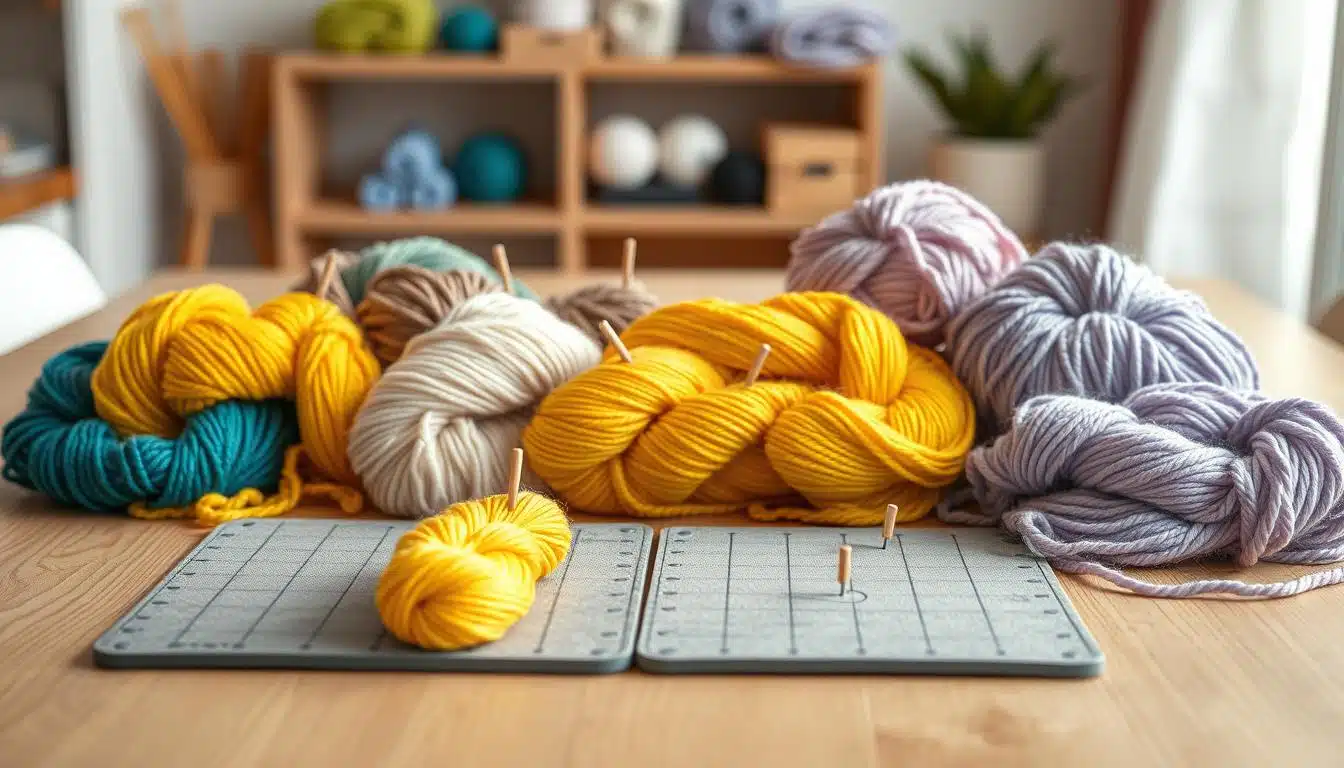
You’ve just finished your scarf or sweater. But it looks a bit rough. With a few easy steps, you can make it look amazing. This guide will show you why blocking is key for your projects, even if they’re made of synthetic fibers.
Acrylic yarn is easy to care for and affordable. But, it can twist or curl if not blocked. Learning how to block acrylic helps your projects look better. It makes stitches even, edges straight, and garments fit right, without melting or getting distorted.
In this guide, you’ll learn safe ways to block acrylic. You’ll discover wet blocking, spray and hair-dryer tricks, steam methods, and how to use a washer and dryer. You’ll also find out what tools you need and how to protect your projects.
Remember to stay playful but be careful with heat. This guide is for U.S. knitters and crocheters. It offers practical steps you can follow tonight, with tips to avoid common mistakes.
Key Takeaways
- Blocking acrylic yarn is a useful finishing step for both knit and crochet projects.
- Wet blocking, spray methods, steam, and machine options each have pros and cautions.
- Use low heat and test a swatch to avoid melting acrylic fibers.
- Proper blocking improves stitch definition, drape, and edge appearance.
- Simple tools and careful drying keep blocking acrylic projects stable and long-lasting.
Why Blocking Acrylic Yarn Matters for Your Projects
You want your handmade pieces to look as crisp as store-bought items. Learning why block acrylic can make a big difference. It smooths out uneven stitches and lets fibers settle.
Improve stitch definition and drape
Blocking makes stitches visible, making lace, cables, and textures clear. Retailers like Lion Brand and Red Heart say it makes patterns stand out. It also makes acrylic fabric softer and more flowing.
Reduce curling and edge distortion
Curling is a common problem with acrylic. Edges can roll and button bands may pucker. Proper pinning and shaping can fix this. A blocked scarf will have straight edges and a neat look.
When blocking is optional versus recommended
Not every wash needs blocking. Skip it for quick machine-washed items or bulky beanies. Use blocking when a piece looks stiff or misshapen. For small fixes, a light mist or hair-dryer works; for major reshaping, use wet, steam, or controlled heat.
If you want a quick primer on why curling happens and how to address it in crochet projects, see this helpful guide from Crochet Craze: crochet curling fixes.
| Issue | Why It Happens | Best Blocking Fix |
|---|---|---|
| Flat lace looks dense | Tight stitches trap open spaces | Wet block and pin lace open; air dry |
| Rolled edges | Stockinette or single crochet tension | Pin edges flat or use blocking wires to stop curling acrylic |
| Stiff drape | Fibers retain factory twist | Soak gently then shape to improve drape acrylic |
| Puckered button bands | Uneven tension and shaping | Pin straight while damp and let set |
Materials and tools you need for blocking acrylic
Getting the right tools makes blocking acrylic easier and more enjoyable. You’ll need a stable surface, reliable fasteners, and measuring tools. Also, a gentle wash option and a heat or steam source for shaping or quick fixes are essential. The tools you choose can affect how your stitches look, the smoothness of the edges, and the fit of your piece.
Blocking boards, foam mats, and alternatives
A foam-covered blocking board or interlocking foam mats provide a soft, pin-friendly space. Sizes like 18″ x 24″, 24″ x 36″, and 36″ x 48″ are great for various projects. If you’re short on space, a towel on a flat table or an ironing board can work.
Pins, blocking wires, and rust-resistant options
Use stainless steel T-pins or rustproof pins to avoid staining your fibers. Blocking wires help you achieve neat, straight edges and reduce the number of pins. Thin, flexible wires are best for curves and ensuring accurate measurements.
Spray bottles, tape measures, and gentle wash
Keep a fine-mist spray bottle for even spray blocking and a tape measure for checking sizes. For wet blocking, use a mild wool wash or gentle detergent in lukewarm water. This helps preserve the fiber’s hand and color.
Steamers, steam irons, and hair dryers — pros and cautions
Handheld steamers like a Jiffy steamer relax acrylic fibers without direct contact. A steam iron on the wool setting can also help, but use it carefully. For quick touch-ups, use a hair dryer on a cool setting. Remember, heat can alter acrylic, so test on a swatch and move tools quickly to avoid melting.
| Item | Why you need it | Best practice |
|---|---|---|
| Blocking board / foam mats | Flat, cushioned surface for pinning and shaping | Choose size to fit pieces; use slightly damp board if directions suggest better grip |
| Rustproof pins / T-pins | Secure edges without staining | Stainless steel pins resist corrosion; place at an angle for strength |
| Blocking wires | Create smooth edges and reduce pin count | Thread along edges for curves or long sides to meet exact measurements |
| Spray bottle & tape measure | Even misting and precise shaping | Use a fine mist and measure frequently while pinning |
| Mild wool wash | Clean and relax fibers safely | Soak in lukewarm water; avoid harsh agitation |
| Jiffy steamer / steam iron | Relax fibers and set shape without soaking | Hover and steam; never press directly on acrylic |
| Hair dryer (cool setting) | Quick drying and spot correction | Use cool air and keep distance to prevent permanent heat damage |
Wet blocking acrylic: step-by-step instructions
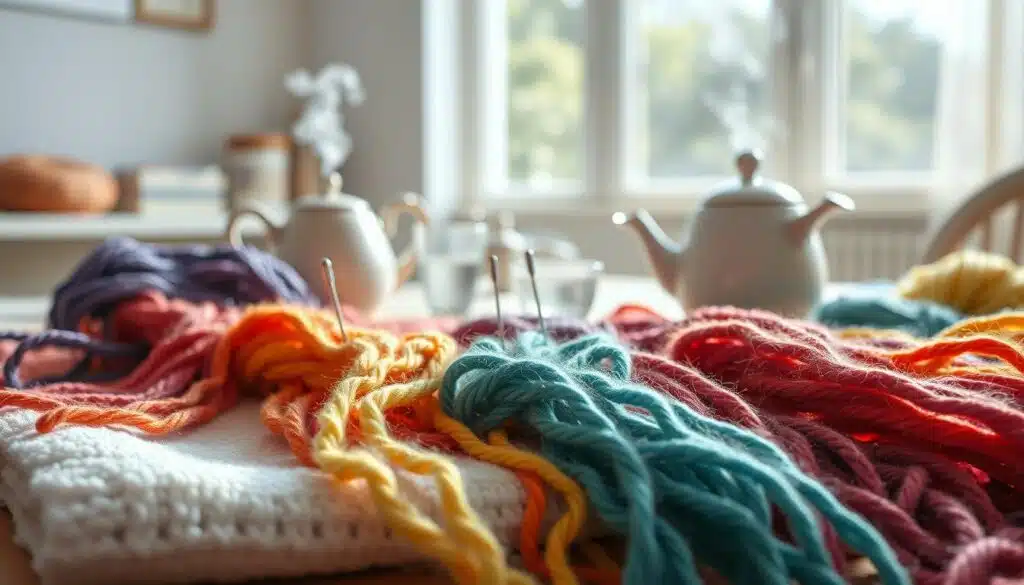
Ready to reshape your acrylic pieces with confidence? Wet blocking acrylic softens fibers, making shaping easy. Start by clearing a flat workspace, gathering tools, and reviewing your pattern.
Prepare your workspace and measure to gauge
Clear a large, flat surface like a foam blocking board or a clean table. Lay out a tape measure, rust-resistant pins, and blocking wires acrylic. Keep your pattern schematic nearby and measure often to hit exact dimensions.
Soak safely: water temperature and mild soap
Fill a basin with lukewarm water and a small amount of gentle wool wash or mild soap. Submerge the item and let it soak for 10–15 minutes. Do not agitate the fabric; a gentle soak prevents felting and helps even stretching.
Remove excess water without wringing (towel roll technique)
Press the piece gently against the basin to push out extra water. Lay it flat on a clean towel and roll up the towel. Use the towel roll technique to squeeze out moisture without twisting or stretching. This step preserves your stitch shape and prevents distortion.
Pinning and shaping on a blocking board; using blocking wires
Transfer the damp piece to your blocking surface and smooth it to size. Use blocking wires acrylic for long, straight edges so you need fewer pins. Place T-pins at curves and corners, then measure again to confirm accuracy while pins hold the shape.
Air drying tips and humidity considerations
Acrylic takes longer to dry than wool. Ensure good air flow and low humidity so the piece dries fully and avoids mildew. Let your project sit pinned until totally dry. If drying seems slow, a fan speeds evaporation. Do not apply direct heat unless following controlled, low-temperature methods.
Spray blocking and hair-dryer method for quick fixes
For small fixes, try lighter methods. These quick methods save time and protect big or delicate pieces. They help with edges, ruffles, and minor shapes without soaking the whole item.
Choose spray blocking acrylic for smoothing stitches or fixing edges. It’s great for avoiding water damage on beads, trims, or bulky parts. Spot blocking acrylic is perfect for fixing just one area without disturbing the rest.
Mist evenly and shape with care
Use a clean spray bottle with cool water. Spray evenly until the fabric is damp but not wet. Lay it flat and shape it gently. Pin only where needed and avoid stretching too much to keep the fabric’s shape.
Hair dryer technique and safe distance
For hair dryer blocking, use the cool setting. Hold it 6 inches (15 cm) away and move it constantly. Dry small areas in a steady motion until dry. Avoid warm or hot settings to prevent permanent changes to the fabric.
Best uses for these quick fixes
These methods are perfect for hats, gloves, and edgings. Use spray or spot blocking for quick fixes on seams or edges. Mix misting with hair dryer blocking for fast fixes before gifting.
Steam blocking and “killing” acrylic: controlled heat techniques
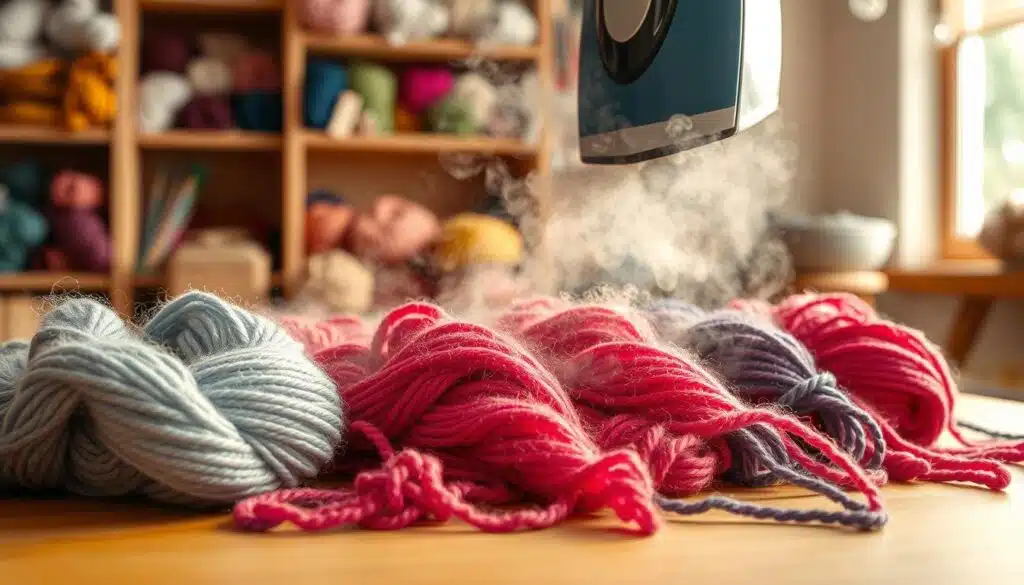
Steam quickly changes acrylic fibers. It relaxes the yarn, smooths out uneven stitches, and adds drape for a polished look. Professionals and hobbyists use steam blocking acrylic for a sleek edge or flatter fabric, perfect for items worked in rounds.
What steam does to fibers and when to use it
Steam softens acrylic fibers when you hover a steamer over them. This makes stitches settle and flat sections lie neatly. Use steam for quick shaping, to tame curling, or for a better shawl hang. For projects needing bounce and stretch, wet blocking is better.
How to steam safely: hover, don’t touch — avoid melting
Keep the steamer head about 1/2 inch above the fabric and never press it onto the yarn. Move steadily to avoid overheating one spot. A Jiffy steamer blocking approach works well because it gives steady, gentle steam without contact. Pin your piece to the desired shape before steaming and let it cool and dry pinned.
Killing acrylic yarn explained: permanent melting method, pros and cons
“Killing” acrylic yarn means using controlled heat to melt fibers enough so they lose elasticity and memory. This results in a silky, permanent drape that won’t spring back. This is great for wall hangings and decorative pieces that never need washing or stretch.
But, there are trade-offs. Killing acrylic yarn is irreversible. Hats, fitted garments, and anything that needs recovery will suffer. Melting by accident can ruin texture, so reserve this method for pieces where permanence is desired.
Testing on a swatch before committing to heat methods
Always try heat techniques on a swatch made from the same dye lot and needle size. Steam a small test area and let it rest overnight. If you plan to push toward killing acrylic yarn, test the exact timing and distance until you get the look you want without unintended flattening.
For a practical how-to and extra tips on steam and wet options, see a clear walkthrough at how to steam acrylic. This guide covers tools, pinning, and safety so you can choose between gentle steam blocking acrylic and more permanent methods like killing.
Machine methods: washer and dryer approach for blocking
Machine blocking acrylic is a quick way to save time on sturdy pieces. Items like knit hats, simple scarves, and mitts can go through a short wash and gentle tumble. But, delicate lace or garments need careful wet blocking or steam to keep their shape and stitch definition.
First, prepare the item for the cycle. Put it in a mesh laundry bag to reduce agitation. Use cool or lukewarm water, mild detergent, and the gentle or delicate cycle. Set the dryer to low and choose tumble dry low acrylic if you can.
When blocking a hat, be extra careful. A dryer on low heat can work, but high heat might melt or pucker it. Always check the yarn label for machine care instructions. Watch the first cycle to make sure it’s safe.
Machine blocking acrylic has its limits. Large items, open lace, and pieces needing precise dimensions might not turn out right. If you see shrinkage, distortion, or loss of drape, stop machine blocking. Switch to wet blocking or hand-shaping for better results.
By following these tips, you can get good results with many small projects. If unsure, test the method on a swatch before blocking the whole garment.
Common pitfalls and how to avoid them when blocking acrylic
Blocking acrylic can fix many issues, but it also has its own challenges. You want your work to look professional, not like it’s been in a damp place for weeks. Here are some quick tips to help you avoid common mistakes.
Acrylic holds moisture differently than wool. If you leave a damp shawl on a crowded surface, you risk mildew. Make sure it has good airflow and low humidity while drying. Use fans or move it to a drier room if it’s not drying well.
Never store a blocked work until it is fully dry; that invites mildew and odors.
Preventing overstretching and loss of elasticity
It’s tempting to pin edges to the exact size on the pattern, but overstretching acrylic can change fit and bounce. For fitted garments and hats, use lighter methods like spray blocking or gentle steaming. When pinning, measure often and ease up if the fabric resists.
Dealing with color bleeding and dye transfer
Bright acrylics sometimes bleed. Test a scrap when possible. Place a white towel or color-catcher under the work during wet blocking, and rinse until the water runs clear. Use cool water and a mild detergent to reduce color bleeding.
Whether to weave ends before or after blocking
Weave ends blocking decisions affect the finish. Many makers prefer to weave ends after blocking so pins and steam don’t trap tails or distort joins. If you weave before blocking, keep ends clear of pin lines and avoid catching them under tension. When in doubt, wait until the piece is set.
Choose the right method for your project. Quick fixes like spray blocking work for small corrections. For major shape changes, use controlled steam and pin carefully. For a deeper dive on methods and safe steaming, see this practical guide from a trusted source.
| Problem | Common Cause | Smart Avoidance |
|---|---|---|
| Mildew after blocking | Poor airflow, high humidity, incomplete drying | Dry fully with fans; avoid storing until completely dry |
| Loss of shape or fit | Overstretch acrylic when pinning | Use gentle tension, spray blocking, or measured pinning |
| Stiff or “killed” fabric | Excessive direct heat or prolonged steaming | Hover steam source; test on a swatch first |
| Color run or transfer | Warm water, long soaks, unstable dyes | Rinse cool until clear; use a towel or color-catcher underneath |
| Ends caught or distorted | Weaving ends before blocking without protection | Weave after blocking or pin ends clear of the work |
For step-by-step precautions and a comparison of wet, spray, and steam approaches, check a thorough how-to guide that covers these pitfalls in depth.
Care and maintenance for blocked acrylic projects
To keep your finished pieces looking sharp, follow a few simple habits. Store them flat or folded in a cool, dry place away from sunlight. Hanging heavy sweaters can stretch the shoulders and ruin the drape, so avoid hooks and closet bars for long-term storage.
When storing acrylic garments for a season, wrap them in cotton fabric or acid-free tissue. This protects fibers and prevents dust buildup. If you prefer commercial options, you can store acrylic garments in breathable boxes or bins to keep shape and breathability.
Your projects will occasionally need a quick fix. To refresh blocked acrylic, lightly mist with water or use a handheld steamer from a safe distance. Then, gently reshape on a flat surface and let air dry. Avoid pressing with a hot iron unless the yarn label says it’s safe or you have intentionally “killed” the acrylic with heat.
For full washing, check the yarn label first. Many acrylics tolerate machine washing on gentle cycles with mild detergent. But if you want to preserve a carefully blocked shape, wash and reshape by hand. After wetting, press out excess water with a towel and lay flat to dry to keep the blocked dimensions intact.
| Task | Method | Tip |
|---|---|---|
| Short-term storage | Fold flat in a drawer or bin | Avoid sunlight; place in cool, dry spot |
| Long-term storage | Wrap in cotton or acid-free tissue | Use breathable containers to prevent moisture |
| Refresh blocked acrylic | Light misting or handheld steaming | Hover steamer 6–8 inches away; reshape while damp |
| Wash acrylic after blocking | Gentle machine cycle or hand wash | Reshape immediately and dry flat to preserve block |
| Speed drying | Place in well-ventilated area or use a fan | Do not use high heat; fans reduce drying time safely |
Conclusion
Blocking acrylic yarn summary: with care, you can make uneven stitches and curling edges smooth. Wet blocking is best for reshaping and fixing gauge. Spray and hair-dryer methods are quick fixes. Steam sets the shape permanently, but test on a swatch first.
Choose the right blocking method for your project. Consider the fiber and the garment’s needs. Use a blocking board, rust-resistant pins, and blocking wires for clean lines.
Measure to pattern gauge and avoid overstretching. Let pieces dry fully to prevent mildew and loss of elasticity.
For finishing acrylic projects, small choices matter. Use proper tools, handle heat gently, and test on a swatch. Follow these steps for a polished result.
FAQ
What is blocking and why should you block acrylic yarn?
Blocking is the last step for knitting or crocheting. It makes acrylic yarn look better by relaxing the fibers. This opens up stitches and improves texture and drape.
Blocking also fixes edge curl and puckering. Even though acrylic is synthetic, it can look uneven if not blocked. A proper block makes the piece look polished and fits better.
Which blocking method should you choose for an acrylic project?
Pick a method based on your project’s needs. Wet blocking is best for big changes and precise measurements. Spray blocking or a cool hair-dryer is good for quick fixes and small items.
Steam blocking gives a smooth finish, but be careful not to melt the yarn. Machine washing and drying can work for small items like hats and scarves. Always check the yarn label first.
Do acrylic yarns respond to blocking the same way as wool?
Acrylic doesn’t spring back like wool does. It takes longer to dry. Steam or heat can change acrylic, so be careful.
But, blocking acrylic improves stitch definition and evens out tension. It’s similar to natural fibers when done right.
What tools and materials do you need for blocking acrylic?
You’ll need a foam-covered blocking board or interlocking foam mats. Also, rust-resistant T-pins or rustproof pins, and blocking wires for smooth edges.
Don’t forget a spray bottle, tape measure, gentle wool wash or mild detergent, and towels. A handheld steamer or steam iron and a fan or hair dryer (on cool setting) help with drying.
How do you wet-block acrylic safely?
Fill a sink or basin with lukewarm water and a bit of gentle wash. Soak the piece for 10–15 minutes without moving it.
Press out excess water gently, then roll it in a clean towel to squeeze out more moisture. Lay the damp piece on your blocking board, smooth and shape it to the pattern measurements, and pin with wires or T-pins. Let it air dry with good ventilation until it’s completely dry.
How do you remove excess water without stretching or damaging the fabric?
After soaking, gently press the piece against the basin’s side to release water. Then, roll it up snugly in a clean towel, pressing to absorb water. Unroll and repeat with a dry towel if needed.
This avoids twisting or wringing, which can stretch or distort acrylic.
When is spray blocking or the hair-dryer method appropriate?
Use spray blocking for minor reshaping, smoothing, or edge correction. It’s also good for large or delicate items. Mist evenly until damp, then shape and pin.
Use a hair dryer on the cool setting about 6 inches (15 cm) away to speed drying. These methods are ideal for hats, gloves, edging fixes, and quick turnarounds.
How do you steam-block acrylic without melting it?
Steam relaxes synthetic fibers but can melt acrylic if misused. Always hover the steamer or iron set for steam above the fabric—do not let the soleplate touch the yarn. Lightly pat (don’t slide) to smooth stitches while steaming.
Work in short bursts, allow cooling, and test on a swatch first. Over-steaming or direct contact risks melting or “killing” the yarn.
What does “killing” acrylic mean and when would you use it?
“Killing” is applying controlled heat to partially melt acrylic so it permanently loses some elasticity and gains a silky drape. It’s irreversible. Use it only when you want a permanent, non-elastic finish (e.g., certain shawls or drapey garments).
Avoid killing for hats or fitted sweaters, and always test on a swatch before committing.
Can you use the washer and dryer to block acrylic projects?
Yes, some acrylics tolerate gentle machine methods. Place the item in a mesh bag, wash on delicate with cool or lukewarm water and mild detergent, then tumble dry on low or air-dry if the yarn label permits. Remove promptly and reshape.
Machine methods can produce uneven results and risk heat damage—use only for small, tolerant items and monitor the first cycles closely.
How do you avoid overstretching and losing elasticity during blocking?
Measure as you go, follow pattern measurements, and avoid excessive tension when pinning. Use blocking wires to reduce the number of pins and to create smooth edges without hard pulling.
For items that need stretch (hats, fitted garments), prefer spray blocking or minimal steam. Avoid heavy wet blocking or killing.
How can you prevent mildew while drying acrylic after blocking?
Ensure good airflow and low humidity. Dry on a well-ventilated blocking board or use a fan to speed evaporation. Don’t unpin until fully dry; damp acrylic can mildew.
Move pieces to a drier area if drying is taking too long and never store damp items.
Do bright acrylic colors bleed during blocking and how do you handle it?
Some vibrant acrylics can transfer dye. Test a small swatch first. When soaking, place a towel or color-catcher under the piece and rinse until the water runs clear.
Use cool or lukewarm water and a mild detergent. Avoid prolonged soaking in warm water for suspect dyelots.
Should you weave in ends before or after blocking?
Both approaches are used. Weaving in after blocking reduces the risk of catching ends under pins or distorting them while wet. If you weave in before blocking, be careful not to trap ends under pins.
When unsure, wait until after blocking to finish ends.
How should you store blocked acrylic items to preserve shape and drape?
Store folded or flat in a cool, dry place away from direct sunlight. For long-term storage, wrap in cotton or acid-free tissue. Avoid hanging heavy acrylic garments, which can stretch over time.
Proper storage helps maintain the blocked shape and prevents fading.
What aftercare keeps blocked acrylic looking fresh?
For minor shape loss, lightly mist with water or hover with a handheld steamer and gently reshape, then let dry flat. Follow yarn care labels for washing—many acrylics are machine-washable on gentle cycles and tumble-dry low.
If you used the “killing” technique, remember the finish is permanent and launder it as such.
How many times should you repeat blocking on a finished item?
You don’t need to block after every wash. Block when the piece looks misshapen, stiff, has curled edges, or when accurate drape and schematic measurements matter. Use light spray-blocking for small touch-ups and reserve full wet or steam blocking for major reshaping.