- Top Seaming Methods: Choose the Mattress Stitch for invisible, professional garment finishes, or the Whipstitch for fast, beginner-friendly assembly of amigurumi and simple motifs.
- Hook-Based Alternatives: For extra durability and speed, use a Slip Stitch join (best for heavy blankets) or a Single Crochet join to create strong, decorative ridges on structural items like bags.
- Professional Results: To elevate your work, always use a blunt-tipped tapestry needle, block your pieces before joining to ensure alignment, and maintain even tension to prevent puckering.
- Best for Beginners: Start with the Mattress Stitch for a high-end look or the Slip Stitch join if you prefer working with a crochet hook rather than a needle.
Best Crochet Joining Methods: Ultimate Review
Messy seams can ruin hours of careful crafting, turning a labor of love into a frustrating project. Mastering clean joins is the bridge between beginner work and professional results. Whether assembling blankets or accessories, choosing the right technique ensures structural integrity. We have evaluated the top five joining methods based on ease, durability, and invisibility. One of the best options is that the invisible seam is a common method when you want to join crochet projects or pieces together.
Seaming Crochet with a Tapestry Needle
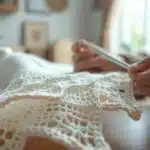
For seamless crochet assembly, use a blunt-tipped tapestry needle to glide through stitches without splitting fibers. This technique ensures a professional, flat finish. By aligning fabric pieces right-sides together, you create invisible joins. This precision is vital for items like the Easy Blushing Shells Cowl, where bulky seams would otherwise cause discomfort against the skin. Consider using mattress stitch or an extra slip-stitch round for a polished look.
The Mattress Stitch for Invisible Seams
The mattress stitch is the gold standard for invisible join crochet with a slip-stitch or mattress-style seam. By weaving a yarn needle between aligned stitches from the underside, you create a hidden, professional join. Whether using both loops or just the back loops, this technique produces a flat, flexible seam, making it the top choice for assembling high-end crochet garments and sleeves.
The Reverse Mattress Stitch for Motifs
The reverse mattress stitch joins yarn by working through outer loops with the wrong side facing. This technique keeps seams hidden, preserving geometric integrity without adding bulk.
Pro Verdict: Ideal for home decor like the Sunny Spread or Crochet Circles Throw, this method ensures a clean finish that lets your colorful motifs take center stage.
Seaming Using Whipstitch Techniques
The whipstitch is a beginner-friendly method for joining crochet. By looping yarn over the edges in a continuous spiral, you create a fast, reliable bond. While visible if tension varies, it offers superior structural integrity. Pro Verdict: This is the essential choice for amigurumi, providing the strength needed to secure stuffed 3D shapes under pressure.
Seaming with a Crochet Hook via Slip Stitch
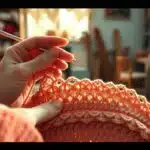
Slip stitch seaming is a fast, needle-free alternative for joining crochet. By pulling yarn through loops on both pieces, you create an exceptionally durable, flat bond. Use this technique on the reverse for invisible joins or the front for decorative ridges. It is the most efficient method for heavy blankets, ensuring seams never pull apart.
Single Crochet Seaming for Strength
Single crochet seaming creates a bold, dimensional ridge perfect for framing squares or adding decorative texture. This beginner-friendly method offers maximum durability, making it ideal for heavy-duty projects.
Pro Verdict: Use this technique for reinforced shoulder seams or stylized pillow edges. It provides the perfect balance between structural strength and a distinct, professional aesthetic.
Final Recommendations for Beginners
Select your technique based on the desired finish: the mattress stitch offers an invisible look, while the whipstitch provides simplicity for beginners. If you’re serious about your craft, remember that your seaming game must be absolutely solid. Use a blunt-tipped needle and align your stitches carefully to ensure a polished result. These expert methods will instantly elevate your handmade projects to a professional standard with clean, durable seams.
Seaming Crochet with a Tapestry Needle
Professional crochet seaming requires choosing the right technique for your project’s structure.
Expert Seaming Techniques
- Mattress Stitch: Creates invisible, professional joins for garments.
- Whipstitch: A fast, secure option for beginners.
- Slip Stitch: Provides strong, durable seams using a hook.
- Single Crochet: Offers maximum structural strength and decorative ridges.
Top 5 Joining Techniques for Professional Results
Choosing the right seaming method balances strength, flexibility, and visibility. Whether you prioritize an invisible finish or structural integrity, these techniques ensure professional results for blankets and garments.
| Method | Ease | Invisibility | Strength |
|---|---|---|---|
| Mattress Stitch | Medium | Excellent | High |
| Whipstitch | High | Good | Medium |
| Slip Stitch | High | Fair | High |
| Single Crochet | High | Low | Very High |
Choosing Your Technique
Use the Mattress Stitch for invisible garment seams or the Whipstitch for quick amigurumi assembly. For blankets, the Slip Stitch join offers speed and durability. Alternatively, Single Crochet seaming creates a sturdy, decorative ridge perfect for structural projects like bags or textured throws.
Related Video
HOW TO JOIN CROCHET WITH A SLIP STITCH | Bella Coco Crochet
Learn how to join your granny squares together with the flat Slip Stitch join. If you need the left-handed version, please check the channel.
Seaming with a Crochet Hook
Crochet joins offer speed and flexibility over needle sewing. These hook-based methods ensure your finished project maintains its natural elasticity.
Slip Stitch Seaming for a Flat Finish
This low-profile technique creates a strong, “zipper-like” join. Work it on the wrong side for invisibility or the right side for a decorative, braided texture.
Single Crochet Seaming for Maximum Strength
Ideal for heavy garments and bags, this method adds structural integrity. The resulting ridge provides a modern, exposed look while reinforcing high-stress areas like shoulders.
Seaming Crochet with a Tapestry Needle
Traditional seaming uses tapestry needles for precision. By matching right sides, you create professional, hidden joins essential for garments and accessories.
The Mattress Stitch for Invisible Joins
This technique creates invisible seams by zigzagging between pieces. Pulling the yarn tight ensures a store-bought finish, making it the top choice for amigurumi.
The Reverse Mattress Stitch
Ideal for flat motifs, this variation works through outer loops to hide seams entirely on the project’s face.
Seaming Using Whipstitch
A beginner-friendly method, the whipstitch offers speed and structural integrity. While slightly more visible, it remains a reliable choice for large blankets.
“The best seam is the one that balances strength with the aesthetic needs of your specific project.”
Best Stitches for Invisible and Strong Seams
Choosing a crochet seam requires balancing durability with ease. The locking mattress stitch offers unmatched strength and a hidden finish, though it demands precision. Conversely, single crochet joins are faster and more tactile for hook-lovers, adding modern structure. Start with the mattress stitch for invisibility or slip stitching for speed to ensure a professional result.
Expert Evaluation of Top Crochet Seaming Methods
Choosing the right seaming technique balances aesthetics and durability. Use the mattress stitch for invisible garment joins or the whipstitch for sturdy, beginner-friendly assembly. Alternatively, slip stitch or single crochet joins offer decorative, needle-free options. Whether finishing amigurumi or blankets, selecting the proper method and a blunt-tipped needle ensures a professional, high-quality finish.
Top Tips for Professional Results
Follow these professional tips to elevate your crochet assembly from hobbyist to boutique quality. Block your pieces first to ensure uniform edges and perfect alignment. Use stitch markers to prevent uneven shifting during seaming. Finally, maintain even tension; pulling too tight creates puckered, stiff ridges that ruin the fabric’s natural elasticity and drape.
The Reliable Mattress Stitch for Invisible Seams
The mattress stitch is the gold standard for creating invisible, structural seams. By working between edges with the right sides facing up, the join disappears entirely. It is versatile, allowing you to work through one or both loops.
Pro Verdict: Essential for professional-grade garments and home decor, providing a clean finish and superior durability.
Reverse Mattress Stitch for Hidden Joins
The reverse mattress stitch hides seams by joining only the outer loops with wrong sides facing. This technique preserves the right-side stitch definition, making it ideal for motifs with intricate borders.
Pro Verdict: Use this for high-end crochet accessories to ensure a seamless transition that highlights your pattern rather than the construction lines.
Seaming with a Whipstitch
The whipstitch is a beginner-friendly seaming method involving a continuous spiral motion through both fabric edges. Typically worked with right sides facing, it creates a sturdy, secure join perfect for amigurumi or quick accessories.
Pro Verdict: Excellent for its simplicity. Use it for joining motifs or limbs where a slight interior ridge is acceptable.
Seaming with a Crochet Hook via Slip Stitch
Slip stitch seaming creates a durable, flat join without a yarn needle. Work through both pieces on the wrong side for an invisible finish, or the right side for decorative texture.
Pro Verdict: This fast, sturdy method is ideal for structural shoulder seams or joining motifs in projects like a Crochet Circles Throw.
Single Crochet Seaming for Strength and Style
Single crochet seaming creates a durable, raised join that adds structural integrity and decorative flair. By working stitches through both layers, you achieve maximum strength ideal for heavy garments or home decor. Unlike subtle mattress stitches, this method is faster and intentionally visible, making it the pro choice for functional, high-contrast assembly.
Final Recommendation for Beginners
For your first project, the mattress stitch delivers a professional, invisible finish. While it requires patience with a tapestry needle, the high-quality result is unmatched. For speed and durability, the slip stitch join is a reliable alternative. Regardless of your chosen method, maintain light tension and align your stitches perfectly for a polished, expert look.
Top 5 Expert Crochet Seaming Methods Evaluated
Mastering crochet assembly requires selecting the right seaming technique for professional results.
Top Seaming Methods
- Mattress Stitch: Creates invisible, seamless joins for garments.
- Whipstitch: A beginner-friendly, fast option for amigurumi.
- Slip Stitch: Provides durable, reinforced joins using a hook.
- Single Crochet: Offers maximum strength and decorative, textured ridges for blankets.
Final Recommendation for Beginners
For a professional finish, the mattress stitch is our top recommendation. It creates an invisible join by hiding seams within fabric loops for a sophisticated look. Alternatively, the slip stitch join is ideal for beginners; it is fast, accessible, and stays flat. Mastering these techniques ensures your final projects look as polished as your stitches.
Frequently Asked Questions About Joining Crochet Pieces
Mastering crochet assembly ensures a professional finish. For invisible results, use the mattress stitch on the right side. Alternatively, employ a crochet hook for durable slip stitch joins on the wrong side. Always use blunt-tipped tapestry needles to avoid splitting fibers, and block your motifs beforehand to guarantee perfect alignment and structural integrity across projects.