
You love the excitement of buying new fabric, but now it’s time to enjoy the satisfaction of using it up. Stash-busting turns your overflowing fabric stash into clothes and useful items. It’s like trading instant joy for lasting satisfaction.
It’s easy and smart: manage your fabric, plan projects, and shop wisely. This way, you only buy what you’ll really use. You’ll stop buying too much and start sewing with purpose.
Practical benefits include fewer repeats, a balanced stash, and more projects that fit your life. Use tools like Seamwork and apps like Trello or Notion to help. For inspiration, check out this pattern roundup: stash-friendly patterns.
Key Takeaways
- Stash-busting focuses on using up fabric to create finished pieces you’ll wear.
- Three core moves: manage your stash, plan projects, and shop with intention.
- Small, repeatable systems prevent overwhelm and reduce duplicates.
- Use digital tools and trusted pattern lists to track and prioritize fabrics.
- Turn impulse buys into planned projects so you actually sew from stash.
Why You Should Care About Stash Management
Your fabric collection holds memories and plans for future projects. It can turn into fabric hoarding without you realizing it. As the pile grows, starting a project becomes harder.
The emotional weight of fabric hoarding
Keeping every scrap for later can leave you stuck. Guilt and indecision grow as bins overflow. Treating fabric as treasure can free it from pressure.
How a tidy stash boosts creativity and reduces overwhelm
A neat stash makes finding fabrics easy. You start projects sooner and finish more. This clarity boosts creativity and turns choices into fun.
Three simple steps to get started: manage, plan, shop intentionally
Start by managing your stash: sort, label, and note yardage. A clear inventory saves time and stops repeat buys.
Next, plan to use your stash: set small goals and choose projects that use scraps. Quick wins like mug rugs or scrappy pouches reconnect you to sewing and reduce overwhelm.
Lastly, shop intentionally. Buy with purpose, not on impulse. One smart purchase beats ten impulse buys that clutter your stash. These steps create a sustainable loop: manage, plan, and shop intentionally.
| Problem | Action | Benefit |
|---|---|---|
| Fabric hoarding | Sort by type and label with yardage | Reduces guilt and speeds project selection |
| Stash overwhelm | Create a short-term project list | Delivers quick finishes and confidence |
| Impulse buying | Follow intentional fabric shopping rules | Prevents duplicates and saves money |
| Stagnant creativity | Use small, frequent experiments | Provides a steady creativity boost |
How to Take a Smart Fabric Inventory
Start by treating your fabric inventory like a living thing. Update it when you buy fabric, finish a project, or reorganize a closet. Make the habit small and repeatable so your stash inventory stays accurate and useful instead of dusty and mysterious.
Make inventory a ritual
Pick simple triggers: record new yardage as soon as it arrives, note yardage when you cut for a project, and review everything at the start of each season. Short, regular check-ins beat marathon sessions that leave you exhausted and unsure what you own.
When you update, mark usable width for pieces under two yards. That tiny note saves you from grabbing the wrong pattern later.
Practical inventory systems
Low-tech setups work well if you love hands-on sorting. Cut fabric swatches and tuck them into labeled cards. Write fabric name, fiber content, yardage, and width on each card. Group swatches by type, color, or project-readiness so you can scan options at a glance.
Keep short-term project cuts separate from long-term “someday” fabric. Use clear labels for scraps that will become bindings, patchwork, or bag linings. That organization turns hoarding into ready-to-sew resources.
Digital options and tools
Spreadsheets make a sturdy baseline: columns for name, fiber, yardage, width, swatch photo, and likely projects. Trello and Notion for sewing let you build visual boards that pair fabric swatches with pattern ideas. If you prefer templates and community tips, Seamwork discussions offer practical examples and inspiration.
Fabric-specific stash apps speed things up. Cora Stash Hub and Threadloop aim to catalog yardage, photos, and fabric swatches so duplicate purchases drop and planning gets faster. If you like a mix of simple and smart, pair a spreadsheet with a stash app and sync photos for quick searches.
| System | Best for | Key fields | How it helps |
|---|---|---|---|
| Paper swatch cards | Hands-on organizers | Fabric name, fiber, yardage, width | Fast tactile browsing and storage by color or project |
| Spreadsheet | Data lovers and backup fans | Name, yardage, width, photo link, notes | Sortable lists, yardage totals, simple backups |
| Trello or Notion for sewing | Visual planners and project managers | Card with swatch image, project idea, status | Kanban-style planning, drag-and-drop project queues |
| Cora Stash Hub / Threadloop | Fabric collectors who want search and photo catalogs | Photo, yardage, fiber, purchase date, tags | Quick lookup, reduces duplicate buys, mobile access |
If you want a curated read on patterns and stash strategies while you organize, check resources like this Seamwork piece for pattern ideas and workflow tips stash-friendly pattern guide. For task-driven apps that tie projects to deadlines, see curated app lists and reviews at a crochet-and-craft app round-up app recommendations.
Choose one method, stick with it for a month, then tweak. Use fabric swatches for quick decisions, a spreadsheet for totals, and stash apps for on-the-go searches. That trio keeps your stash useful, inspiring, and ready to become something you actually wear.
Setting Stash-Busting Goals That Actually Stick
Goals should feel achievable, not like a guilt trip. Aim for two to three finished pieces every three months. This approach turns a messy pile of fabric into steady progress.
Find a rhythm that fits your life. Try a sewing plan with one weekend make and one weekday mending session. Join stash-busting challenges on Instagram or local guilds for friendly accountability.
Use wardrobe planning to pick projects that fill real holes. Choose summer tanks, cozy sweaters, or trousers based on your climate and closet needs. Assign linens to warm months and heavier cottons to pants.
Break big ambitions into steps. A clear sewing project plan lists pattern, fabric, interfacing, and a timeline. Mark sewing milestones like cut, baste, fit check, and finish. Seeing these steps helps you beat fabric hoarding.
Celebrate without buying more fabric. Reward small wins with a coffee, new buttons, or a useful tool like a Clover seam ripper. These rewards make the journey fun.
Decide what to do with orphan fabrics. Gift scraps to friends, donate to community centers, or sell remnants online. This keeps your stash useful and your storage sane.
Here’s a simple plan to help you turn intention into action:
| Goal Type | Example | Timeline | Reward |
|---|---|---|---|
| Seasonal Goal | Make two summer tanks and one linen skirt | 3 months | Coffee date and new bias tape |
| Fabric-First Project | Use a bulky corduroy for Joss-style pants | 6 weeks | Favorite buttons from Etsy |
| Wardrobe Gap Fix | Add a neutral blazer for workwear | 8 weeks | New thread snips |
| Mini Challenge | Finish three pouches from scraps | 2 weeks | Donate a set to a local charity |
If you want ideas for quick handmade gifts and small projects that use scraps, visit handmade knitted gifts for inspiration you can adapt to fabric leftovers.
Stash-Busting Patterns
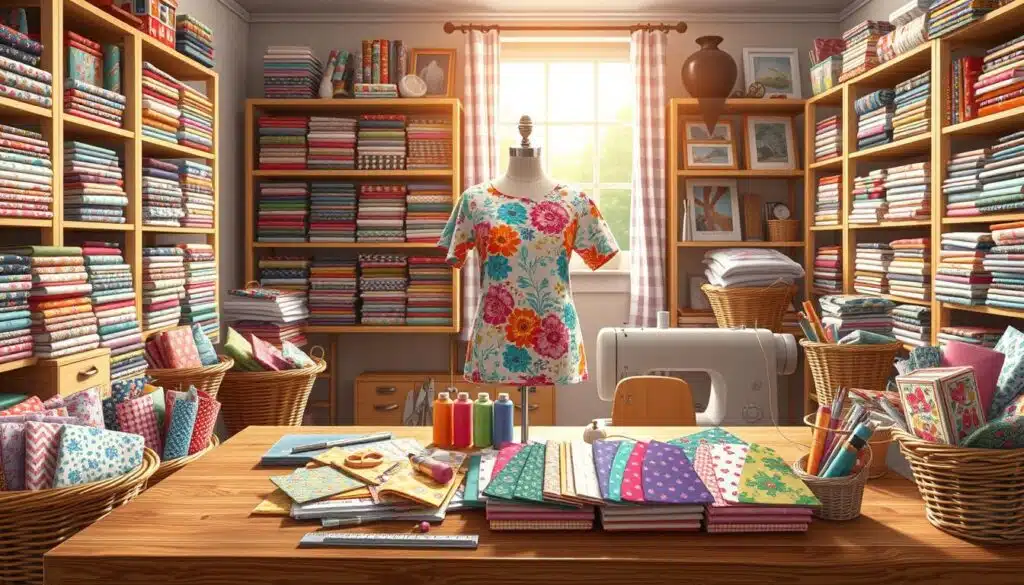
You want patterns that use up scraps, not make more. Look for simple, wearable, and flexible designs. These patterns save time and fabric, turning scraps into useful items.
What makes a pattern stash-friendly
Choose quick sews with few pieces. Simple tops, bias skirts, and pull-on pants need little cutting and fit well. Versatile designs let you change fabrics and get great results.
How to match fabric cuts to pattern requirements before you cut
Always lay pattern pieces on folded fabric to check fit. Check yardage for your fabric width and mark usable length. If a piece looks tight, adjust seams or add a center seam.
Using special fabrics: silk, velvet, leather—patterns that handle the niche stuff
Keep a list of go-to patterns for special fabrics. Use bias-cut tops for silk charmeuse, and pinafores for velvet and corduroy. Simple vests or patchwork details work well for faux leather.
- Choose patterns with all-in-one facings or simple bindings to save fabric.
- Favor center seams, tiers, and bands to incorporate small special-fabric panels.
- Test a scrap with a narrow hem and stay-stitching before committing to a full garment.
Best Small-Yardage Patterns for Wovens and Knits
You want garments that make a big impact with little fabric. Small-yardage patterns are perfect for this. They include camisoles, simple skirts, tanks, tees, bodysuits, unlined vests, tote bags, and layered skirts. These pieces are quick to sew and pack a big punch in your wardrobe.
Under 3 yards winners: camisoles, simple skirts, tanks, and tees
Camisoles and tanks are great for using up little fabric. They work well in both woven and knit fabrics. Tees and simple skirts can be made from leftover fabric, making them ideal for small projects.
Bodysuits and unlined vests offer more options. They work well when you pair the right knit with smart cutting.
Pattern suggestions from real sources: Riley Top, Romie Blouse, Clarke Tank, Pauline Skirt
Choose patterns made for using up fabric. The Riley Top is under 2 yards and works well with lightweight fabrics. The Romie Blouse fits under 3 yards and has special spots for small pieces.
The Clarke Tank is designed to use up fabric efficiently. It has an all-in-one facing and a center back seam for color-blocking. The Pauline Skirt is a midi skirt that shows off prints and saves fabric.
For more stash-friendly patterns, check out this resource: stash-friendly sewing patterns.
How to color-block small pieces for interest and to use scraps
Color-blocking adds visual interest and uses up scraps. Use small pieces for sleeve bands, collars, ties, and center panels. This way, you can add unique touches without reworking the whole pattern.
- Use sleeve bands and cuffs to highlight contrast prints.
- Add a collar or tie in a small piece of silk or rayon for luxe detail.
- Create center panels or tiers for skirts to mix narrow scraps efficiently.
- Try an all-in-one facing or back seam on tanks to join small pieces cleanly.
When you see scraps as design elements, small-yardage patterns become exciting. This approach makes stash-busting both fun and practical.
Favorite Larger-Yardage Stash Projects
Those big pieces in your closet are perfect for projects needing 3+ yards of fabric. They’re great for making long dresses, jumpsuits, wide pants, and simple jackets. Choose patterns that let you mix and match different pieces to avoid waste.
For 3+ yards, think about making tiered dresses and maxi skirts. These are perfect for using up different colors and patterns. Jumpsuits with wide legs are also good, as they don’t need to be too precise. Pants with elastic waists can handle shorter pieces.
Look for styles that are easy to work with, even if your fabric isn’t perfect. Dresses and skirts with lots of gathering or elastic waists are forgiving. Jackets that don’t need lining are also great for saving fabric. You can join smaller pieces together using center seams.
The Benning Dress is great for light to medium fabrics like linen and rayon challis. Its design lets you use up small pieces of fabric. Joss Pants are easy to make from medium-weight fabrics like linen blends or twill. For jackets, simple designs work well with denim, corduroy, or twill, and you can add a contrasting lining from another piece.
To make the most of your fabric, mix different widths and piece panels together. Use center seams to make short pieces longer. Color-block tiers can turn odd scraps into interesting designs. For lined garments, use a separate lining from your stash to save the main fabric.
| Project | Best Fabrics | Yardage Tips |
|---|---|---|
| Tiered Maxi Dress (Benning Dress) | Linen, rayon challis, cotton lawn | Use smaller cuts for upper tiers; reserve longest cuts for skirt tiers |
| Wide-Leg Pants (Joss Pants) | Linen blends, twill, lightweight denim | Elastic waist allows shorter back pieces; piece side panels if needed |
| Unlined Jacket or Vest | Denim, corduroy, canvas | Cut sleeves and panels from wide pieces; use contrasting lining from scraps |
| Full-Length Jumpsuit | Rayon, linen blends, soft twill | Join smaller cuts at center seams; choose loose legs to simplify layout |
Top Knit Stash-Busting Patterns
Knits are great for clearing your stash and making something you can wear. Choose patterns that fit the fabric you have. This way, your projects will look and feel good.
Quick knits under 3 yards
The Ryan T-shirt is a favorite for all genders and uses less than 3 yards of medium-weight jersey. Look for fabrics with at least 25% knit stretch and two-way give, like cotton or bamboo jersey.
The Orlando Tee and Edie Top are great for using less than 2 yards. The Orlando Tee is perfect for everyday wear with moderate stretch. The Edie Top is best in knits with four-way stretch and around 50% stretch for a snug fit.
Cozy medium projects
The Callen Sweater needs medium-weight knit with about 20% stretch. French terry or ponte works well here. This weight gives structure without being stiff.
Oliver Sweater has lantern sleeves and works best with medium-weight knits showing roughly 10% stretch. Its shape hides small yardage quirks.
Mel Joggers can be made under 3 yards with smart cutting. Aim for ~35% stretch in ponte or French terry for comfy recovery and durable seams.
How to choose by stretch and weight
Check the pattern envelope or online specs for knit weight and stretch percentage. Patterns may need 10% to 50% stretch and specify 2-way or 4-way give.
Match your fabric’s stretch and knit weight to the pattern. This avoids droopy hems, tight sleeves, or puckered necklines. Use ribbing scraps for neckbands and cuffs to stretch small remnants into finishing touches.
Other quick favorites
Lito dress fits as a knit T-shirt dress under 3 yards and works well with cotton, rayon, or merino jerseys that offer ≥50% stretch. Bobby and Jones dresses are quick makes that flatter and polish off your stash.
Tip: When in doubt, pick patterns labeled for medium-weight knits and check the knit stretch percentage. This single check saves you time and keeps your knit stash-busting mission on track.
Quilt and Small-Project Ideas to Use Scraps
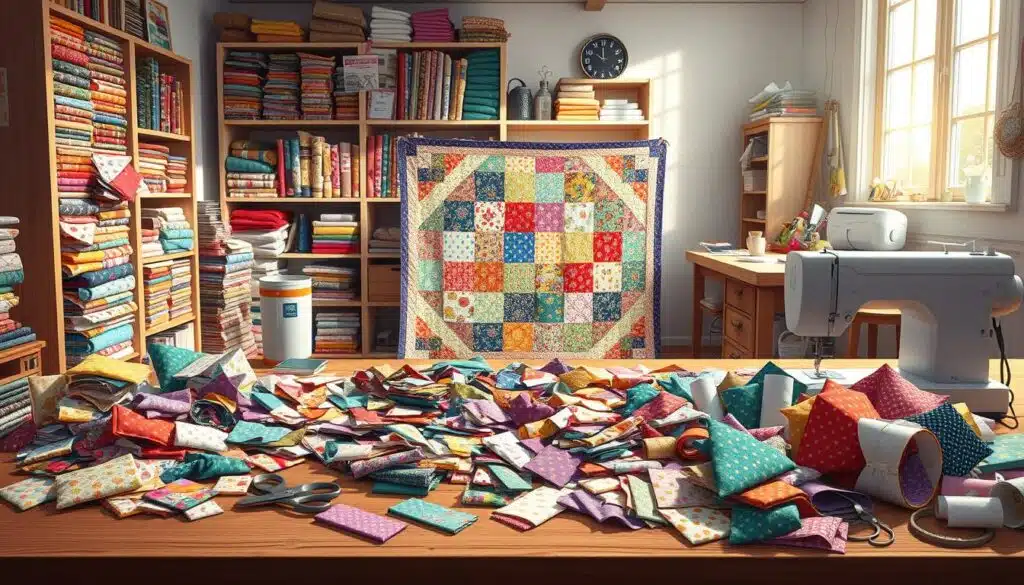
Turn that pile of orphaned fabric into quick wins you can finish in an afternoon. Small projects give instant satisfaction, clear space, and keep your enthusiasm alive without asking for a big commitment.
Mug rugs and mini quilts for instant satisfaction
Mug rugs and mini quilts are perfect for spotlighting favorite prints that are too small for larger projects. You can mix tiny scraps into playful layouts, quilt them with simple echo lines, and gift them to friends. These pieces recharge your motivation while practicing new techniques.
Scrappy pouches, bindings, and quilted accessories that use leftovers
Scrappy pouches turn strips, charm squares, or little leftovers into useful zippered bags and makeup cases. Use strip-piecing or a simple brick layout to assemble panels fast. For a cohesive finish, piece narrow strips into scrappy bindings that show off your stash and use fabric instead of buying more.
Want more ideas for using leftover yarn or small bits alongside your fabric projects? Check this yarn leftover ideas resource for cross-craft inspiration.
Charity quilts and simple block patterns that showcase scraps and clear space
Charity quilts welcome mismatched scraps and forgiving blocks. Rail Fence, Nine Patch, Churn Dash, and 4-Patch use many small pieces and sew up quickly. You’ll reduce your stash while making warm, useful items for shelters or community drives.
- Rail Fence: Great for strips and odd widths.
- Nine Patch: Uses small squares and layers easily.
- Churn Dash: Offers classic structure for mixed prints.
- 4-Patch: Simple repetition makes fast progress.
Sort by purpose to keep momentum. Keep a “ready-to-use” bin for bits you will sew this month and a “someday” box for the rest. That small habit turns scrap usage into a low-friction, productive routine.
Focus on joy over perfection. Small finished pieces beat stalled ambitions. Use scrap quilting to tell the story of your stash and build projects that feel complete and cheerful.
How to Change Your Buying Habits and Shop With Intention
Use simple rules to tame fabric impulse. Start small and set a goal. Treat each buy as a deliberate choice. This helps you buy fabrics with purpose, not on impulse.
One simple swap: one in, one out
Follow the one in one out rule. For every new fabric, remove an old one. This keeps your stash balanced and prevents buying too much.
Buy fabrics that actually work for you
Choose versatile fibers for your wardrobe. Linen, chambray, and cotton are great for many projects. Before buying, check if it fits your plans. If not, leave it.
Rules to guide intentional fabric buying
Ask three questions before buying: Does it fit my plans? Does it match my colors? Can I finish it this season? If no, wait 48 hours. This helps avoid impulse buys.
Regular reassessment to keep your stash useful
Review your stash monthly or seasonally. Use what you see first. Get rid of what you won’t wear. This keeps your stash fresh and useful.
Use planning tools to tie buying to sewing goals
Plan your sewing season or capsule wardrobe. This guides your fabric purchases. Tools like Seamwork’s Design Your Wardrobe help reduce waste.
For ideas on using small bits or swapping, check creative stash strategies. They work for fabric swaps and small projects.
Conclusion
Discover how a clear fabric stash strategy can turn chaos into creativity. Start by making inventory a regular habit. Choose patterns like the Riley Top or Benning Dress for stash-busting.
Also, try small projects like mug rugs, camisoles, and the Clarke Tank. These habits boost your sewing productivity and simplify decisions.
Set seasonal goals and follow a one in, one out rule to keep your stash in check. Use color-blocking and tiered planning to stretch your fabric. The right patterns, like the Romie Blouse or Joss Pants, help make fast, wearable results.
Begin with small steps: start with one swatch or a short project. Over time, these small changes add up to big progress. This approach turns your stash into a creative playground that sparks joy and keeps your sewing flowing.
FAQ
What is stash-busting and why should you care?
Stash-busting turns your fabric collection into something useful. It helps you manage what you own and plan projects. This way, you use your fabrics and avoid buying too much.
By doing this, you’ll have a balanced stash and fewer duplicates. You’ll also finish more projects and have a sewing space that inspires you.
I feel overwhelmed looking at my fabric—how do I start emotionally and practically?
See your stash as a treasure, not a graveyard. Start with a small project like mug rugs or zip pouches. This will give you momentum.
Make inventory a regular habit. Update it when you buy, cut, or reorganize. This turns guilt into action and keeps your stash useful.
What are the three core steps to a sustainable stash-busting habit?
Manage your stash, plan projects, and change how you shop. These steps help you keep your collection stable and finish projects more often.
How often should I update my fabric inventory?
Update your inventory often, like when you buy fabric or finish a project. This makes it easier and keeps your stash organized.
What low-tech inventory methods actually work?
Use labeled swatches for inventory. Store them by type or color. Keep short-term cuts separate.
For small pieces, note width and layout options. This helps you know if they fit before cutting.
What digital tools should I use to catalog fabric?
Start with a spreadsheet for yardage tracking. Use Trello or Notion for visual cues and task management.
Fabric apps like Cora and Stash Hub help plan projects and avoid duplicates.
How do I choose stash-busting goals that I’ll actually finish?
Set small, seasonal goals. Aim for 2–3 projects per season. Choose projects that fill wardrobe gaps or use old fabrics.
Small wins build momentum and reduce overwhelm from big goals.
Which project-planning strategies help prioritize fabrics?
Assign fabrics to projects by season or wardrobe need. Prioritize large or oldest fabrics first. Use a visual board to plan fabrics and patterns.
How should I reward myself to stay motivated?
Celebrate finishes with small treats, not always fabric. Enjoy coffee dates or special buttons. Rewards make sewing joyful, not punitive.
What pattern traits make something stash-friendly?
Look for simple, versatile patterns. Choose wearables and gifts. Patterns that use scraps are great for stash reduction.
How do I match fabric to pattern before I cut?
Check yardage and width needs. Pre-wash fabric and measure usable yardage. Test layout on folded fabric to confirm fit.
This avoids wasted cuts and ensures fabric suits the pattern.
Which small-yardage patterns reliably use under 3 yards of fabric?
Try camisoles, simple skirts, tanks, tees, tote bags, and vests. Riley Top, Romie Blouse, Clarke Tank, and Pauline Skirt are good choices.
These patterns work well with linen, chambray, and lightweight cottons.
How can I use tiny scraps creatively?
Make mug rugs, mini quilts, pouches, and quilted accessories. Use small pieces for sleeve bands, collars, and ties.
Charity quilts are also a great way to use scraps and help others.
What patterns work well for 3+ yard projects that stretch your stash?
Use 3+ yards for tiered dresses, jumpsuits, and pants. Choose forgiving styles like relaxed silhouettes and elastic-waist pants.
Patterns like Benning Dress, Joss Pants, and simple vests are good choices.
What are good knit stash-busting patterns and what should I watch for?
Quick knit winners include Ryan T-shirt, Orlando Tee, and Edie Top. Try Callen Sweater, Oliver Sweater, and Mel Joggers for mid-weight knits.
Always check the pattern’s stretch needs to match your fabric.
How do I store “someday” fabric without letting it stall my sewing?
Keep “ready-to-use” fabrics separate from “someday” pieces. Limit visible space for someday fabrics. This encourages you to work on projects.
Reassess periodically and donate or sell unworkable pieces. This keeps your stash realistic and inspiring.
What buying rules help prevent stash bloat?
Follow “one in, one out” for yardage balance. Buy only when you have a planned project. Prioritize versatile fabrics like linen and chambray.
Track purchases in your inventory ritual.
When should I purge fabrics and what are the best options for unwanted cuts?
Purge fabrics during reassessments. If a piece hasn’t inspired you, it’s time to move it. Gift, donate, or sell unwanted cuts.
Platforms like Threadloop or Stash Hub are good for selling remnants.
How can community challenges help my stash-busting efforts?
Join stash-busting challenges for accountability and momentum. Use hashtags to share progress. This makes finishing projects a shared celebration.
What are simple starter steps I can do right now?
Record one swatch in your inventory, plan a small project, and set a buying rule. Small steps lead to a sustainable cycle.