Amigurumi patterns are the blueprints for turning a ball of yarn into a small, stuffed character. For a new crocheter, that blueprint can look like a dense wall of abbreviations, parentheses, and numbers. The good news is that amigurumi notation follows a small set of conventions, and once you learn them, most patterns from any designer become readable. This guide from Crochet Craze walks through every part of a typical amigurumi pattern, from the header to the final assembly notes, so you can pick up a PDF with confidence.
The Anatomy of an Amigurumi Pattern
Most amigurumi patterns share the same basic structure, even when they come from different designers. Knowing what to expect helps you find information quickly and spot any unusual instructions before you start crocheting. If you are brand new to the craft, you may also want to review this amigurumi tutorial for beginners before diving into your first pattern.
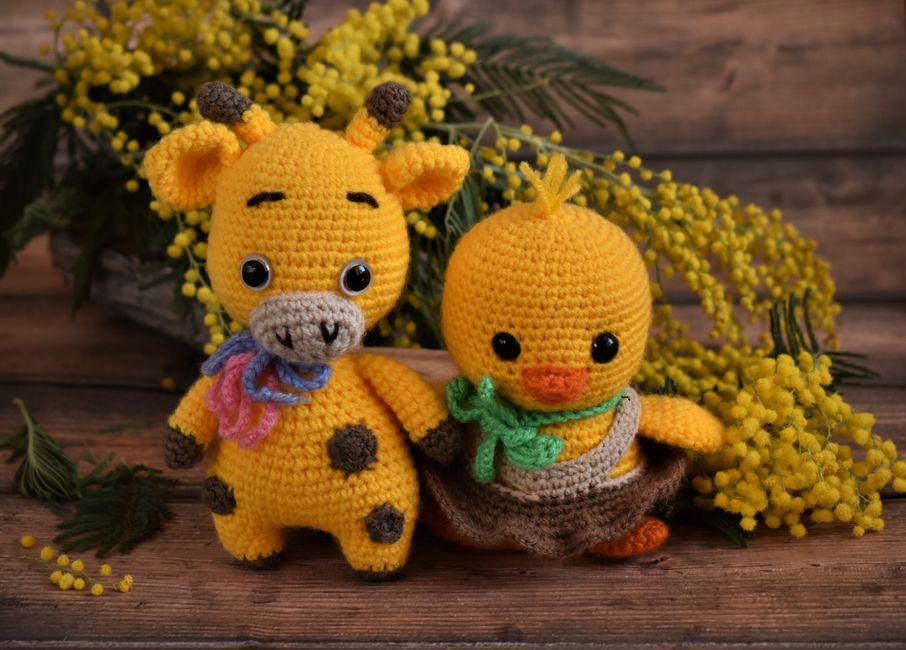
- Title and photo: Shows the finished project and often names the designer and collection.
- Skill level: Ranges from beginner to advanced. Treat this as guidance, not a strict barrier.
- Materials list: Yarn weight and fiber, hook size, stuffing, safety eyes or felt, embroidery floss, and any other notions.
- Gauge: Less critical for amigurumi than for garments, but still worth checking when a pattern provides it.
- Abbreviations and special stitches: A key that defines every term used in the pattern.
- Notes: Working in the round, turning chains, color changes, and other global instructions.
- Instructions by part: Head, body, arms, legs, ears, and accessories, each worked separately.
- Assembly and finishing: How to sew pieces together, place features, and stuff the toy.
Some designers add a chart or photo tutorial alongside the written instructions. Others keep the layout minimal. Either way, the same information is usually present once you know where to look.
Decoding Abbreviations and Stitch Terms
Amigurumi is usually worked in single crochet, so the abbreviation list tends to be short. Common terms include sc (single crochet), inc (increase, usually two single crochet in the same stitch), dec (decrease, often an invisible decrease), ch (chain), sl st (slip stitch), and st (stitch). You will also see MR or magic ring for the starting loop, and FLO or BLO for working into the front or back loop only.
Two conventions are worth noting. First, American and British crochet terms differ: what is called single crochet in US patterns is called double crochet in UK patterns. Check which standard the pattern uses before you begin. Second, some designers write out every stitch, while others use shorthand. A pattern that says “sc in each st around” means one single crochet in every stitch of the previous round, with no increases or decreases.
When a pattern includes a special stitch you have not used before, look for a linked tutorial or photo sequence. Crochet Craze patterns and tutorials often include step-by-step visuals for techniques like the invisible decrease, the magic ring, and color changes, which are the three skills that cause the most confusion for newer amigurumi makers.
Reading Rounds, Brackets, and Repeat Symbols
The instruction lines in amigurumi patterns are compact because most pieces are worked in continuous rounds. A typical line looks like this:

Rnd 3: (sc, inc) x 6 [18]
Read it from left to right. “Rnd 3” tells you this is round three. Inside the parentheses is a sequence: one single crochet, then one increase. The “x 6” means repeat that sequence six times. The number in brackets is the total stitch count at the end of the round, here 18 stitches. That stitch count is your built-in error check. If your round does not end with the stated number, something went wrong, and it is usually faster to fix it now than to discover the mistake ten rounds later.
Other formatting conventions you will encounter:
- Asterisks: Some patterns use * to * instead of parentheses to mark the repeated section.
- Chains at the start of a round: In joined rounds, a pattern may say “ch 1, sc in same st.” The chain does not count as a stitch unless the pattern says so.
- Color changes: Often written as “change to Color B in the last st of the round” or shown with a note before the round begins.
- Rnd vs. Row: Rounds are worked in a circle, rows are worked back and forth. Amigurumi bodies are usually rounds, while flat pieces like ears or tails may be rows.
If a line feels ambiguous, read the stitch count first. Working backward from the total often clarifies how many repeats are intended.
Working Through a Pattern Step by Step
Approaching a new pattern in a set order keeps you from missing details. Here is a practical sequence:
- Read the whole pattern before you pick up your hook. Note the parts, the assembly order, and any special techniques.
- Gather materials. Match yarn weight and hook size as closely as you can. Substituting a thicker yarn changes the finished size and can make the fabric too loose to hide stuffing. This guide to the best yarn for crochet stuffed animals can help you choose.
- Mark your place. Use a stitch marker at the start of each round. Continuous rounds have no natural seam, so the marker is your anchor.
- Check the stitch count at the end of every round. This is the single most effective habit for clean amigurumi.
- Work parts in the order listed, but feel free to batch similar pieces, such as two arms or two legs.
- Stuff and assemble only when instructed. Some pieces need to stay flat or be shaped before stuffing.
Many crocheters find it helpful to print the pattern or open it on a tablet and mark off completed rounds. When a PDF pattern includes a stitch chart, use it alongside the written text if you are a visual learner.
Troubleshooting Common Pattern Confusions
Even experienced makers hit confusing lines. A few common situations and how to handle them:
The stitch counts do not match. Recount the previous round. If the error is several rounds back and the piece still looks symmetrical, some crocheters choose to adjust the current round to match the new count, but for beginners, ripping back to the last correct round is safer.
A round says “sc in each st around” but the count does not match. This usually means an increase or decrease was missed in the prior round. Recount before continuing.
The pattern specifies a yarn or hook you do not have. You can substitute, but expect the finished toy to change size. Working with a smaller hook than the yarn label suggests is normal in amigurumi because a tight fabric keeps stuffing from showing.
Assembly instructions are vague. Pin pieces in place before sewing. Symmetry matters more than exact stitch placement, and you can always adjust before the yarn is secured.
Terminology shifts mid-pattern. Some designers mix US and UK terms by mistake. If the gauge and stitch counts seem inconsistent, compare the abbreviation key against the instructions and convert as needed.
Crochet Craze’s pattern library and tutorial collection are organized so you can filter by skill level and technique, which makes it easier to find patterns that match the skills you already have while stretching into new ones gradually.
Conclusion
Reading amigurumi patterns is a skill built from repetition. Start with the abbreviation key, pay attention to brackets and stitch counts, and trust the round-by-round structure. Before long, the compact notation turns into a familiar rhythm, and you can move from pattern to pattern without hesitation. Whether you are picking up your first magic ring or adding a new character to a growing collection, Crochet Craze offers thousands of downloadable PDF patterns, detailed tutorials, and guides designed for crocheters at every level. Explore the collection, choose a project, and let the pattern do the planning while you enjoy the making.