
Choosing the right yarn is one of the most important decisions in amigurumi. The yarn you use affects the finished size, the stitch definition, the softness of the toy, and how long it holds up to hugs and handling. Pick the wrong yarn and even a beautifully written pattern can disappoint. Pick the right one and a simple pattern can produce a polished, professional-looking stuffed animal.
This guide covers everything you need to know about yarn for crochet stuffed animals, from fiber types and weights to specific yarn recommendations for beginners and experienced makers alike. Whether you are crocheting your first amigurumi bunny or adding to a shelf of handmade treasures, this will help you choose with confidence. If you are brand new to the craft, it also helps to understand what is amigurumi before you start shopping for supplies.
What Makes a Yarn Good for Amigurumi?
Amigurumi is typically crocheted at a tight gauge so the fabric is dense and the stuffing stays hidden. That construction places specific demands on yarn. A good amigurumi yarn should offer:

- Good stitch definition. Tight, even stitches create the clean surface amigurumi is known for. Smooth, non-fuzzy yarns show those stitches best.
- Durability. Stuffed animals get squeezed, dragged, and washed. The yarn needs to hold its shape without pilling badly or stretching out.
- Consistent thickness. Uneven yarn produces lumpy toys. Reliable, evenly spun yarn keeps your stitch count and shaping predictable.
- Comfort. If the toy is for a child, softness and washability matter as much as looks.
- Low stretch. Highly elastic yarns can distort shaping over time and let stuffing peek through.
Most amigurumi patterns also recommend working with a hook one or two sizes smaller than the yarn label suggests. That tighter gauge is easier to achieve with yarns that do not split easily, so ply structure matters too.
Best Yarn Weights for Stuffed Animals
Yarn weight is the single biggest factor in how large and firm your finished toy will be.
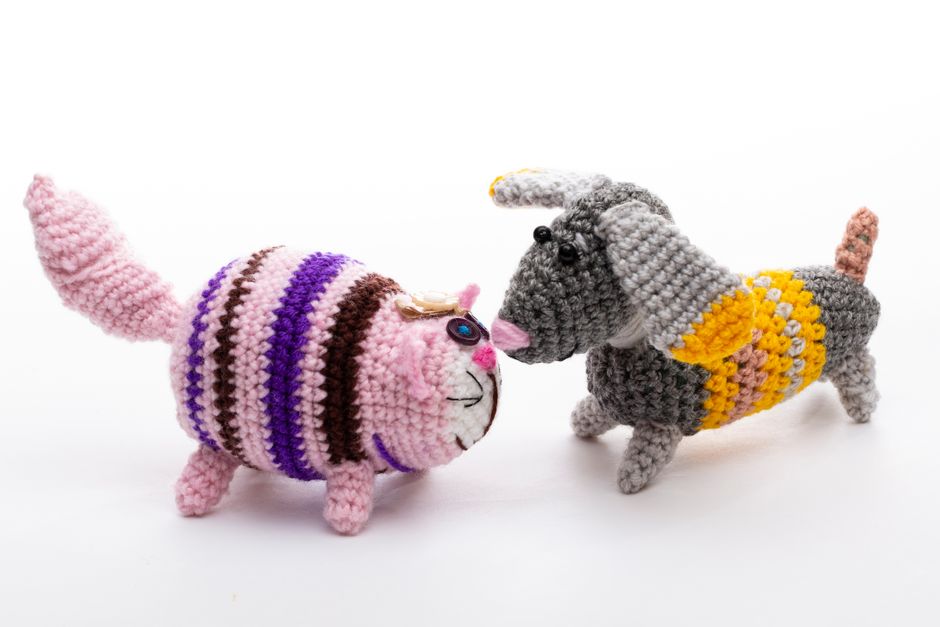
Worsted Weight (Medium, Category 4)
This is the most popular choice for amigurumi, and for good reason. Worsted weight yarn is widely available, affordable, and works up quickly. With a 3.5 mm to 4.0 mm hook, it produces toys roughly 4 to 8 inches tall depending on the pattern. If you are buying your first yarn for amigurumi, start here.
DK and Sport Weight (Light, Categories 2 and 3)
These weights create smaller, more detailed toys with finer surfaces. They suit miniature amigurumi, keychain charms, and patterns with intricate color changes. They require more stitches and a smaller hook, so they are slower to work, but the results look delicate and refined.
Bulky and Chunky (Categories 5 and 6)
Chunky yarn makes large, huggable plushies quickly. These are wonderful for throw pillows shaped like animals and oversized toys for young children. Keep in mind that bulky yarn can make small details like eyes and noses harder to embroider cleanly, and firm stuffing becomes even more important.
Fingering and Thread (Category 1)
Fingering weight and crochet thread produce tiny, precise amigurumi. They are best for experienced makers who are comfortable with very tight gauge and small hooks. Tiny toys made this way are charming but require patience.
Fiber Types: Which One Should You Choose?
Acrylic
Acrylic is the workhorse of amigurumi. It is inexpensive, machine washable, available in an enormous range of colors, and holds tight stitches well. Most beginner-friendly patterns assume acrylic. The main drawbacks are that it can pill with heavy use and some acrylics feel slightly squeaky. Quality acrylics have improved a great deal, and many are now very soft.
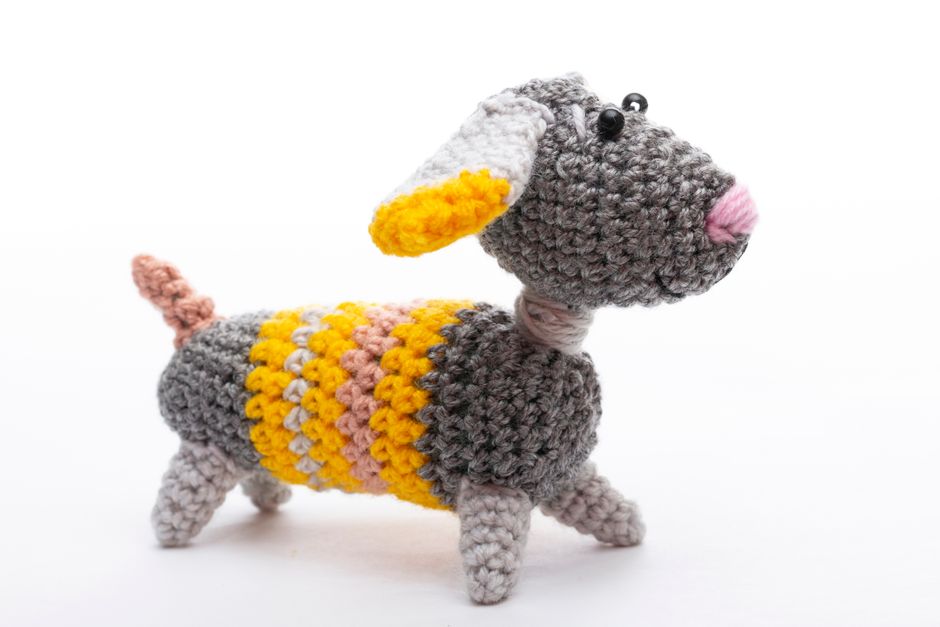
Cotton
Cotton is the classic amigurumi fiber. It has excellent stitch definition, minimal stretch, and a smooth, matte finish that photographs beautifully. Cotton toys hold their shape well and feel substantial. It is less forgiving on the hands, especially at tight gauge, and it is not as soft as acrylic or blends. Cotton is ideal for display pieces, market items, and toys where crisp detail matters most.
Cotton Blends
Blends of cotton and acrylic combine the best of both: the definition and structure of cotton with the softness and affordability of acrylic. Many popular amigurumi yarns fall into this category. If you want one yarn that does everything reasonably well, a cotton blend is a strong all-purpose pick.
Wool and Wool Blends
Wool offers warmth and elasticity, but that stretch can work against you in amigurumi. It also requires more careful washing. Wool is a good choice for decorative toys or for makers who love the feel of natural fibers and are willing to hand wash. Superwash wool blends reduce the care burden.
Chenille and Velvet Yarns
These yarns create incredibly soft, plush toys that feel like store-bought stuffed animals. They are popular for baby-safe plushies. Be aware that chenille hides stitch definition completely and can be tricky to work with: it sheds, it is hard to rip back, and stitches can be difficult to see. It is best saved for simple shapes and for makers who are comfortable crocheting by feel.
Top Yarn Recommendations for Amigurumi
The following categories reflect the types of yarns that amigurumi makers consistently reach for. Specific brand availability varies by region, so treat these as characteristics to look for rather than a rigid shopping list.
- Everyday acrylic worsted. Look for smooth, tightly plied acrylic in a large color range. This is the best starting point for beginners: affordable, forgiving, and easy to find.
- Cotton amigurumi yarn. Many brands offer cotton yarns spun specifically for toys. They provide crisp stitch definition and a professional finish.
- Cotton-acrylic blends. A versatile middle ground that balances softness, structure, and price.
- Soft chenille or velvet. For plush, cuddly toys, especially simple designs and baby gifts.
- DK cotton for miniature work. Ideal for small, detailed amigurumi and keychains.
A practical tip: when you find a yarn you love for amigurumi, buy enough for the whole project in one dye lot. Running short mid-toy and resupplying in a different dye lot can leave visible color differences.
Practical Tips for Choosing and Using Yarn
Match the yarn to the hook and your tension
Always crochet a small test swatch. Your goal is a fabric dense enough that you cannot see through it when stretched. If you can see light through the stitches, go down a hook size or choose a thicker yarn. If your hands ache, move up slightly and accept a slightly larger toy.
Consider who will use the toy
For babies and young children, prioritize machine-washable, soft, securely fastened yarn. Avoid fuzzy yarns that shed fibers a child might ingest, and embroider eyes rather than using plastic safety eyes for children under three. For display pieces, cotton gives the cleanest look. For gifts that will be loved hard, durable acrylic or a sturdy blend is the safer bet.
Plan your colorwork
If your pattern involves color changes, choose yarns of the same brand and weight so the fabric stays even. Smooth yarns make clean color changes easier than fuzzy or textured ones.
Embroider details with the same yarn line
Small features like noses, mouths, and blush look best when embroidered with the same yarn you used for the body, separated into thinner strands if needed. This keeps the texture consistent across the toy.
Stuff firmly and evenly
Yarn choice and stuffing work together. Even the best amigurumi yarn produces a floppy toy if the stuffing is loose. Add stuffing in small pieces and shape as you go, especially in limbs and necks.
Where to Find Patterns to Pair With Your Yarn
Once you have chosen your yarn, the next step is finding a pattern that suits it. Crochet Craze offers thousands of amigurumi PDF patterns, detailed tutorials, and guides for crocheters of all skill levels. Patterns include instant downloads and guidance designed to make amigurumi accessible, whether you are making your first toy or your fiftieth. Matching your yarn weight to the pattern’s recommendation, or adjusting hook size to hit the right gauge, is the simplest way to get results you will be proud of. If you are just getting started, browse these easy crochet animals for beginners, and for a full walkthrough of the process, see this how to crochet a stuffed animal complete guide.
Conclusion
The best yarn for crochet stuffed animals depends on what you want from the finished toy. For most makers, a smooth worsted weight acrylic or a cotton blend is the most reliable choice: affordable, durable, and easy to work at tight gauge. Cotton gives the crispest stitch definition for display pieces, while chenille and velvet deliver maximum softness for plush gifts. Start with worsted weight, test your gauge, match your fiber to the toy’s purpose, and you will be well on your way to handmade treasures that last.


