Whether you’re picking up a crochet hook for the first time or perfecting your amigurumi technique, having access to detailed crochet instructions can transform your crafting journey. Clear, comprehensive guidance makes the difference between frustration and the joy of creating beautiful handmade treasures. This guide breaks down everything you need to know about following crochet instructions, understanding patterns, and mastering techniques that will elevate your projects from simple to spectacular.
Understanding Crochet Pattern Terminology
Before diving into any crochet project, understanding the language of patterns is essential. Crochet patterns use standardized abbreviations that, once learned, become second nature. Common terms include ch for chain, sc for single crochet, dc for double crochet, and inc for increase. Amigurumi patterns frequently use dec for decrease, sl st for slip stitch, and MR for magic ring.

Detailed crochet instructions should always include a complete abbreviation list at the beginning. When working with patterns from Crochet Craze, these abbreviations follow international standards, ensuring consistency across thousands of available patterns. Pay special attention to gauge information, which tells you how many stitches and rows should fit within a specific measurement. This ensures your finished piece matches the intended size.
Beyond abbreviations, patterns include special symbols for stitch placement. Parentheses indicate repeated sequences, while asterisks mark sections to repeat a specified number of times. Brackets often group stitches worked into the same stitch or space. Understanding these organizational tools helps you navigate even complex patterns with confidence.
Essential Techniques for Following Instructions
Successfully executing detailed crochet instructions requires several foundational techniques. The magic ring (or adjustable ring) forms the cornerstone of most amigurumi projects, creating a tight, closed center for working in rounds. To create one, wrap yarn around your fingers twice, insert your hook under the first loop, grab the working yarn, and pull through to create your first chain.
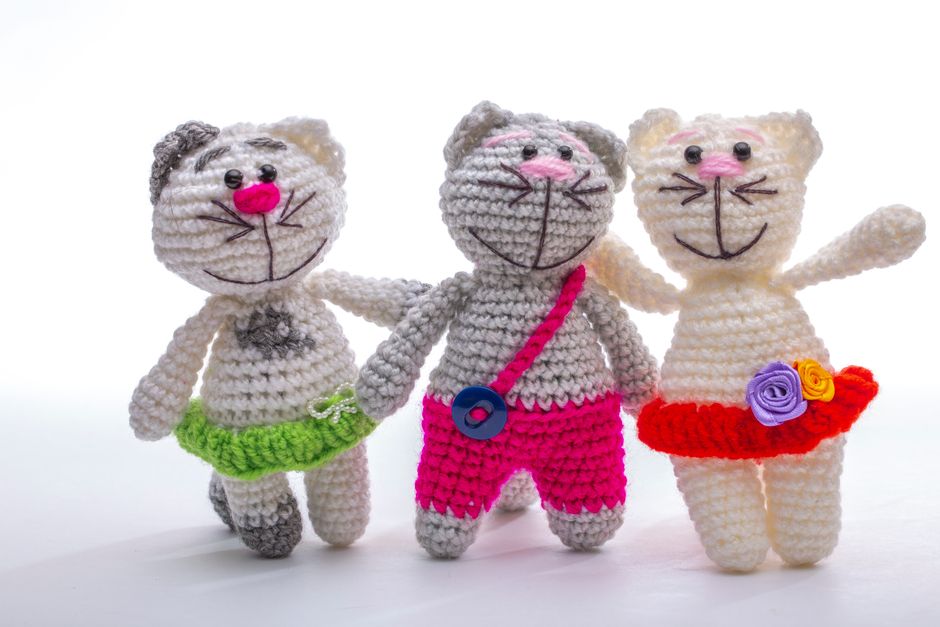
Working in continuous rounds versus joined rounds significantly impacts your amigurumi appearance. Continuous rounds create a seamless spiral, ideal for bodies and heads, while joined rounds produce a visible seam but allow for easier pattern reading. Detailed instructions specify which method to use and when to place stitch markers to track round beginnings.
Invisible decreases create smoother surfaces than standard decreases by inserting your hook through the front loops only of the next two stitches. This technique prevents the “dimpling” effect common in amigurumi and gives professional-looking results. Similarly, understanding where to place increases—whether evenly distributed or clustered—determines the shape your work takes.
Much like how following structured guidelines improves outcomes in various activities, including the CDC’s physical activity recommendations, adhering to detailed crochet instructions builds skills progressively and ensures successful project completion.
Reading and Interpreting Pattern Charts
While written instructions use abbreviations, chart-based patterns employ visual symbols representing each stitch type. Charts show exactly where stitches go, making complex colorwork and stitch patterns easier to visualize. Each symbol corresponds to a specific stitch, with a legend typically provided at the pattern’s beginning.

Reading crochet charts follows specific conventions. Most charts are read from bottom to top and from right to left for right-handed crocheters. When working in rounds, you read the chart counterclockwise from the center outward. Row-by-row projects alternate reading direction: odd rows right to left, even rows left to right. Detailed instructions always specify the reading direction to prevent confusion.
Color-coded charts simplify projects using multiple yarn colors. Each color block indicates when to switch yarns, while symbols within show stitch types. For amigurumi, charts may display assembly diagrams showing how pieces connect, attachment points for limbs, and facial feature placement. These visual guides complement written instructions, providing multiple ways to understand construction.
Mastering Tension and Consistency
Even with the most detailed crochet instructions, tension control determines your project’s success. Consistent tension creates even stitches and proper fabric density, crucial for amigurumi where stuffing can peek through loose stitches. Grip your hook like a pencil or knife, whichever feels comfortable, and maintain consistent yarn tension by weaving it through your fingers.
Most amigurumi patterns require tight tension to prevent stuffing from showing. If your stitches appear loose or gaps form between them, drop down a hook size. Detailed instructions specify recommended hook sizes, but individual tension varies. Creating a gauge swatch—a small sample piece—lets you check whether your tension matches pattern requirements before committing to a full project.
Tension consistency also affects shaping. When increasing or decreasing stitches, maintaining the same tension ensures smooth curves rather than lumpy transitions. Practice makes perfect here; the more you crochet, the more automatic proper tension becomes. Quality rest supports hand-eye coordination and motor control needed for consistent stitching, much as proper sleep enhances performance in various skilled activities.
Troubleshooting Common Pattern Challenges
Even experienced crocheters encounter difficulties when following detailed crochet instructions. Stitch count discrepancies rank among the most common issues. Recount carefully, checking that you’ve worked into the first and last stitches of each round—these are frequently missed. If your count remains off, compare your work to pattern photos to identify where extra stitches appeared or decreases were missed.
Shape distortion often results from incorrect increase or decrease placement. Detailed instructions specify exactly which stitches to work into; following these precisely prevents lopsided results. If your amigurumi leans or twists, you may be accidentally working increases over each other rather than staggering them as directed. Mark increase positions with stitch markers to track proper placement.
Assembly challenges plague many crafters. Detailed instructions include specific attachment methods—whip stitch for invisible seams, mattress stitch for flat edges, or crocheting pieces together for decorative joins. Position pieces before sewing, using pins to hold them in place. Take your time; rushed assembly shows in finished projects. Studying proper techniques through tutorials ensures professional-looking results.
Historical context helps appreciate modern pattern clarity. As Britannica documents in its craft history entries, traditional handicraft instruction relied on in-person demonstration. Today’s detailed written patterns democratize crafting, making skills accessible worldwide.
Advancing Your Skills with Complex Patterns
As confidence grows, detailed crochet instructions for advanced patterns introduce new techniques. Color changes, surface crochet, and embroidery add dimension to amigurumi characters. Advanced patterns incorporate wire armatures for poseable limbs, weighted bases for stability, and intricate clothing pieces with tiny buttons and closures.
Thread crochet represents another advanced application where detailed instructions prove invaluable. Working with fine thread and small hooks demands precision; clear instructions regarding stitch placement become even more critical. Miniature amigurumi challenges crafters to execute familiar techniques at dramatically reduced scales.
Complex assembly sequences test spatial reasoning and patience. Multi-piece characters require attaching numerous components in specific orders. Detailed instructions break assembly into manageable steps, often numbered and illustrated. Following these sequences prevents having to remove and reattach pieces when something blocks access.
Customization opportunities expand with experience. Once comfortable following patterns exactly, you can modify colors, adjust proportions, or combine elements from different patterns. Understanding the principles behind detailed instructions—why increases are placed where they are, how decreases create curves—empowers creative adaptation while maintaining structural integrity.
Conclusion
Mastering detailed crochet instructions opens endless creative possibilities. From understanding abbreviations and charts to controlling tension and troubleshooting challenges, each skill builds upon the previous. Whether you’re creating your first simple amigurumi or tackling intricate multi-piece characters, clear instructions guide your journey. Crochet Craze provides thousands of meticulously detailed patterns with comprehensive tutorials, supporting crocheters at every skill level. The combination of quality patterns, practice, and patience transforms yarn into cherished handmade treasures. Embrace the learning process, celebrate small victories, and enjoy the meditative rhythm of creating something beautiful with your own hands.