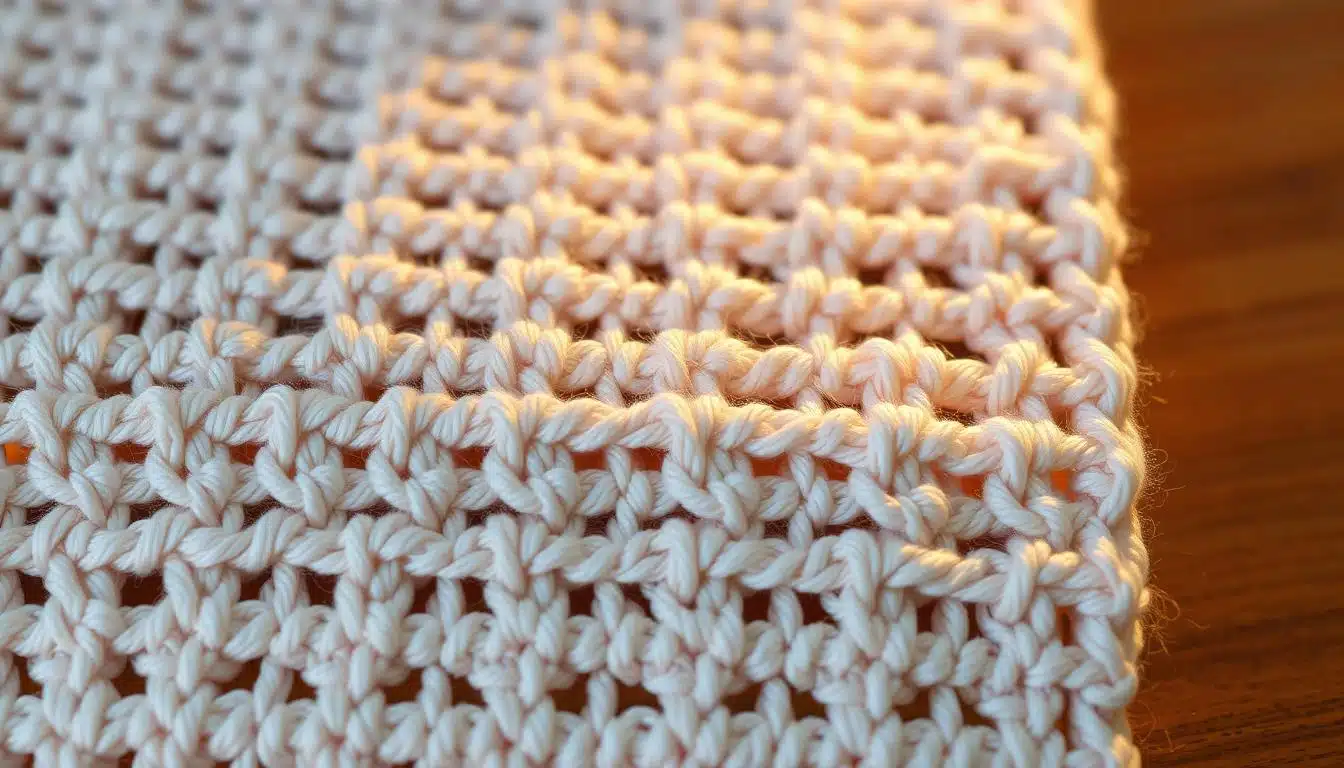
You want your crochet projects to look neat, not like something from a thrift store. This guide will teach you how to get even stitches. This way, your crochet will look polished and professional.
We’ll start with the basics: tension, hook choice, and yarn. Then, we’ll move on to the core stitches like the slip stitch and single crochet. You’ll also learn how to start projects like the magic circle.
You’ll learn how to fix uneven edges and how to keep your stitches even. We’ll also talk about tools that help you keep your tension even.
Our guide is short and fun. Remember, getting better takes time and practice. Don’t worry if you have to redo rows or swatches. For more on basic stitches, check out Gathered.how crochet stitches.
Key Takeaways
- Even stitches crochet starts with steady rhythm and consistent tension.
- Right hook and yarn choices help maintain uniform crochet tension.
- Master core stitches to build a reliable foundation for advanced patterns.
- Short practice sessions and swatches improve crochet consistency.
- Undoing and reworking are productive steps toward professional-looking crochet.
Why Even Crochet Stitches Matter for Professional-Looking Projects
Want your work to look like it came from a boutique? Even stitches are key. They make patterns like cables and lace clear and your fabric look intentional.
Visual impact: uniform tension and stitch definition
Even tension and stitch definition are essential. They keep each row in place. Small changes in tension can make patterns look blurry and edges sloppy.
By controlling your yarn rhythm, you can turn busy textures into sharp motifs.
Durability and fit: how evenness affects sizing and wear
Gauge is critical for fit and durability. If stitches vary, clothes can stretch or seams may open. Even stitches ensure your projects fit right and last longer.
Want to fix tension issues? Check out Mastering Your Crochet for practical tips and drills.
How even stitches unlock advanced techniques and patterns
Complex stitches need precision. Cables, puff stitches, and mosaic colorwork require steady stitch size. This ensures patterns line up and stay clear.
With consistent tension, you can master advanced techniques and create stunning pieces with better durability and definition.
Understand the Fundamentals: Tension, Hook Choice, and Yarn
Before you start with fancy stitches, get the basics right. A steady hand and clear choices are key for success. Try short warm-up rounds to get into your rhythm and test yarn and hook combos.
Mastering yarn tension: finding your comfortable rhythm
Your tension is your signature. Keep your grip relaxed for steady stitch size. If your hands tense up, your stitch size will change.
Practice wrapping methods around fingers until you find a rhythm. Use timed sessions to build consistency. Five-minute warm-ups before a project help smooth out tension shifts.
Choosing the right hook material and size for consistent stitches
Crochet hook selection affects how yarn glides and loop control. Aluminum hooks are smooth and fast. Bamboo hooks are warmer and grippier for slippery yarns. Plastic hooks work well for bulky fibers.
Match hook size to yarn weight. If a pattern feels tight, try a larger size to prevent splitting. The right hook is key for good tension control.
Yarn selection tips: smooth, light colors, and avoiding fuzzy fibers
Choose smooth yarns in light colors for clear stitch definition. Fuzzy, novelty, or highly variegated yarns make it hard to see where loops sit.
For learning, pick a medium-weight smooth yarn like worsted/aran. It’s forgiving and shows errors. When doing lacework, choose lighter, smoother yarns. Testing with gauge swatches confirms if your yarn and hook choice are right.
Use gauge swatches to check if your yarn tension tips, crochet hook selection, and yarn choice are correct. Adjust the hook or refine your technique until your swatch matches the pattern gauge and your tension control feels stable.
Essential Basics That Lead to Even Crochet Stitches
You want neat, consistent fabric. Start by polishing the fundamentals. Your work will look more professional with less effort. Focused practice on the basics gives you control over tension, shape, and edge height.
Revisiting the core stitches
Get fluent in the staple moves: slip stitch, single crochet, half double, and double. A tidy slip stitch keeps joins invisible and edges clean. Single crochet makes dense, firm fabric that suits amigurumi and washcloths.
Half double crochet sits between single and double in height, making it great for balanced borders. Double crochet covers ground fast and gives drape for garments. Work short rows of each stitch to build steady rhythm.
Magic circle and starting techniques
When you start rounds, use the magic circle to close the center and avoid a hole in hats and toys. Pull the tail tight and weave it in well so the start won’t loosen. Count your starting chains and use correct turning chains to preserve edge height.
Small mistakes at the beginning lead to wonky borders later, so treat the first round like a promise to the rest of the piece.
Practice swatches: why small samples build big skills
Practice swatches save time and frustration. Make tiny test pieces to check gauge, try different hook and yarn combos, and practice transitions between slip stitch single hdc dc. Measure swatches after blocking if the pattern asks for it.
Start with rows of one stitch to gain uniformity, then mix stitches and add increases or decreases to learn consistent shaping.
Use these focused drills to turn theory into muscle memory. Short, regular sessions with practice swatches and the magic circle tip in mind will tighten your technique and boost confidence.
Read Patterns Like a Pro to Keep Stitches Uniform
Want your work to look polished? Start by learning to read crochet patterns with confidence. When you can read crochet patterns and visualize each row, your tension stays steady and miscounts drop.

Get comfortable with the two main formats. Crochet charts vs written instructions each have strengths. Written directions walk you step by step. Charts give a symbol map that shows repeats and motif placement at a glance.
Use both formats together. Cross-check the chart with the written line to catch errors before they become costly. Charts shine for lace, mosaic, and colorwork, while written text helps when you need explicit stitch sequences.
Break big patterns into bite-sized chunks. Focus on one repeat or one set of rows at a time. Isolate tricky areas like bobbles or crossed stitches and practice them on a swatch until your rhythm feels natural.
Place stitch markers at key points: start of round, repeat boundaries, and critical increases or decreases. Markers prevent skipped loops and keep edges straight. Keep a notebook or digital notes for row counts and changes.
If you run into trouble, lean on pattern troubleshooting resources. A quick stitch count at the end of each row reveals drift early. Check whether turning chains were counted as stitches or whether a stitch was missed.
Try a simple tracking table to compare expected versus actual stitch counts. Use it to spot patterns in mistakes and to adjust your approach. If you want a focused guide on fixing common issues, visit a helpful troubleshooting page like crochet troubleshooting.
- Tip: Use a row counter app or a pencil and highlighter to mark repeats as you finish them.
- Tip: Practice complex motifs separately to avoid tension shifts in the main project.
- Tip: Recount stitches after every few rows to catch drift early.
Common Problem Stitches and How to Fix Them
You can fix a project without losing your mind. Just check for common mistakes to save time and keep things neat. These tips will help you fix common crochet problems and make your work look great.
Wonky edges: causes and remedies
Uneven edges often come from wrong turning chain height or missing stitches. Make sure to count turning chains as stitches when needed. This simple step can fix many uneven sides.
Use a stitch marker on the last stitch of each row to mark the edge. Focus on the first and last stitch of every row to keep your tension even. This helps avoid sloppy edges.
Bobbles, puffs, and spikes: keeping textured stitches consistent
Textured stitches look best when they’re even. For bobbles, use the same number of partial stitches and pull loops to the same height. This keeps all bobbles the same size.
Puff stitches need careful pulls and clean yarn. If they’re not even, try a bigger hook and repeat until they’re consistent. For spike stitches, mark the target row or stitch before starting. This ensures precise placement.
Troubleshooting common mistakes: skipped loops, tension shifts, and uneven increases
Skipped loops happen when you work into the wrong part of a stitch. Learn to identify front loop, back loop, and whole stitch. This helps you avoid mistakes from the start.
Tension shifts occur when you’re tired or distracted. Short sessions and warm-up rows help maintain steady rhythm. This prevents uneven work.
Uneven increases happen with random spacing. Place increases symmetrically and mark them. If you spot an error, frog back to fix it. This avoids adding more problems.
Tools that make fixes painless
Lifelines act as a safety net: thread a scrap through a row for easy ripping. Switching hook sizes helps practice textured stitches until they’re consistent.
These small changes reduce troubleshooting time. Use stitch markers, lifelines, and practice to keep your work even and polished.
Practice Strategies to Improve Uniformity
Before starting a big project, do some short drills to get your hands ready. Try rows of single crochet, alternate sc/dc rows, or chain-and-slip stitch drills. These exercises help your fingers get used to the motion and prepare you for more complex patterns.
Work on muscle memory by doing the same motions over and over. Keep your practice sessions short to stay relaxed. Take notes on what feels better, which hook works best, and which yarn you like.
Warm-up exercises and repetitive drills
Begin with five minutes of focused repetition: 20 single crochets, 20 chains, and 20 slip stitches. These exercises reduce wrist strain and help you maintain even tension. Practice different textured motions separately to avoid mistakes.
Timed practice sessions to build rhythm
Practice in timed blocks of 15–30 minutes to avoid getting tired. Short daily sessions are better than long weekend ones for steady progress. You can see your improvement by comparing swatches from the start and end of the week.
Using gauge swatches to adjust hook size and tension
Always make a swatch before starting a project. Measure it after blocking if the pattern asks for it. If it doesn’t match, change your hook size and test again. Swatches help you test different stitches, hooks, and yarns to ensure your final piece is even.
Start simple and gradually add complexity. Begin with basic swatches, then mix stitches, add shapes, and tackle patterns with exact counts. Keep a record of successful hook and yarn combinations for future projects.
| Practice Focus | Duration | Goal |
|---|---|---|
| Repetition drills (sc, chains, slips) | 5–10 minutes | Steady hand motion and tension |
| Texture motion practice (yarn overs, puffs) | 5–15 minutes | Consistent loops and stitch height |
| Timed crochet practice blocks | 15–30 minutes | Build rhythm without fatigue |
| Gauge swatches and testing | 10–20 minutes per swatch | Match pattern gauge and refine hook choice |
| Progressive challenge pieces | Variable | Transfer swatch skills to real projects |
For quick tips on tension and consistency, check out this guide at crochet tension advice. It will help you improve your gauge and make your projects even.
Tools and Aids That Help You Achieve Even Stitches
Get ready to outfit your crochet kit for even stitches. Small aids cut mistakes, speed repairs, and make tension steadier. Pick a few essentials and your projects will look calmer, neater, and more professional.
Stitch markers, row counters, and lifelines
Stitch markers lifelines are your safety net. Use stitch markers to mark round starts, pattern repeats, and increase points so you stop miscounts mid-row. Keep a row counter app or a manual ring counter handy when patterns loop for dozens of rows.
Lifelines are a contrasting thread threaded through a completed row. They let you rip back cleanly in lace or colorwork without losing progress. If you want a practical guide to other handy items, check a detailed accessories list like the one at Crochet Tools and Accessories Guide.
Good lighting, ergonomic hooks, and grip-friendly tools
Bright, directional lighting or daylight bulbs reveal stitch detail and help you keep even tension. Light makes pattern reading easier and reduces eye strain during long sessions.
Ergonomic crochet hooks like Clover Amour and Tulip Etimo, plus wood or bamboo options, ease wrist stress and stabilize your grip. Test materials to find what suits your hand. For extended builds, soft-handle hooks and cushioned cases keep your hands happy and your stitch size consistent.
When to use blocking and how it evens out finished fabric
Blocking crochet work relaxes fibers and sets stitches. Wet blocking or steam blocking opens lace, smooths irregularities, and aligns rows to give a finished look that reads as even. Blocking won’t fix wildly uneven tension, but it can blend small differences in stitch height and shape.
For amigurumi and dense items, light shaping and careful stuffing complement blocking to improve uniformity. Add tape measures, tapestry needles, and a trusty seam ripper to your kit for precise gauge checks, secure tails, and clean corrections.
Advanced Techniques Where Uniform Stitches Shine
As you move past simple rows, your stitch consistency becomes key. The right loop size makes your work look good and feel right. Always test small swatches before starting a big project to see how your stitches look.
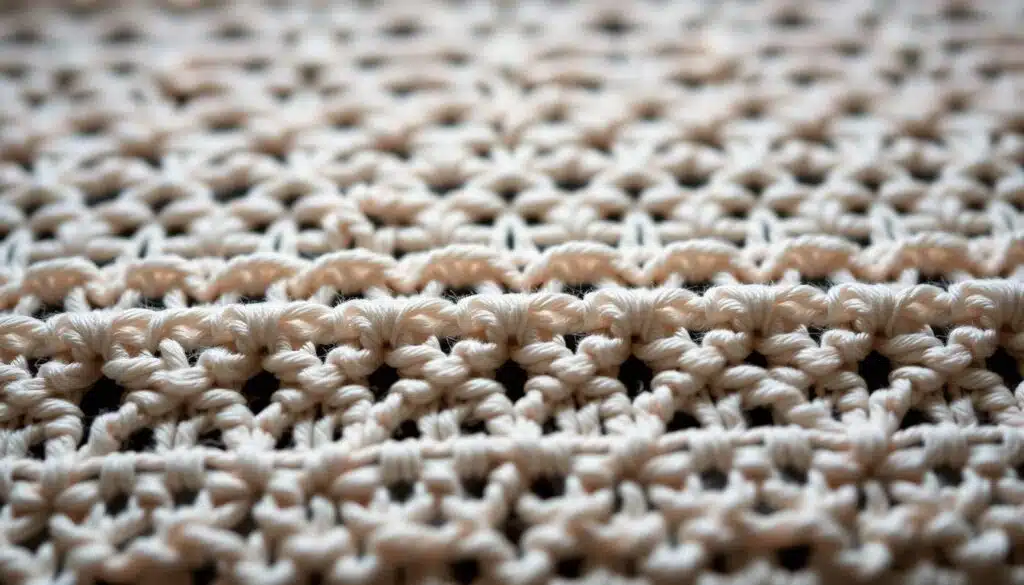
Work on specific skills to really improve. Use stitch markers for neat cable work. Count often when following charts for color or lace. Adjust your hook size if your work looks too tight or loose.
Cables and crossed stitches: keeping crossings neat
Crochet cables need precise placement and even loops to show depth. Use removable stitch markers at crossing points. Try a slightly larger hook for cable sections to avoid bunching and keep the texture crisp.
Lacework and mosaic crochet: the role of even tension in clarity
Lace patterns depend on your chain length and stitch spacing. Keep your chains uniform to preserve symmetry. For mosaic crochet, pick high-contrast colors and maintain steady tension so motifs stay sharp.
Multi-color techniques and embellishments without disturbing stitch uniformity
Tapestry crochet and intarsia-style pieces demand controlled floats and even tension. Carry yarn snugly but not tight. Pre-string beads when a pattern calls for them or sew them on after blocking to avoid pulling stitches out of shape.
Practical tips you can test quickly:
- Make a 6″ swatch combining cables and colorwork to check gauge.
- Use smooth, plied yarns for clearer stitch definition in advanced crochet techniques.
- Practice tensioning methods for each hand when working tapestry crochet or mosaic crochet.
| Technique | Key focus | Quick fix |
|---|---|---|
| Crochet cables | Consistent loop size and crossing placement | Use stitch markers and a slightly larger hook |
| Lacework | Even chains and spacing for symmetry | Work slowly and count chains each repeat |
| Mosaic crochet | Sharp color contrast with steady tension | Follow charts and check motifs on a swatch |
| Tapestry crochet | Controlled floats and balanced tension advanced | Carry yarn snugly, practice stranded tension |
| Bead or sequin embellishment | Does not alter stitch tension | Pre-string beads or attach after blocking |
Creative Practice Projects to Reinforce Even Stitching
Choose a few crochet projects that keep you interested and help you improve quickly. Start with simple tasks, track your progress, and increase the difficulty as you get better. The aim is to see steady improvement without getting bored.
Swatch sampler
Make a small swatch sampler with rows of different stitches. Include single crochet, half double, double, bobbles, puff, and a tiny cable or lace. Label each row with the hook size and yarn for later comparison. This sampler will help you choose the right materials for bigger projects.
Beginner-friendly patterns
Start with washcloths and dishcloths to practice edge control and keep stitches even. Then, try scarves and simple beanies to work on long rows and in-the-round shaping. These patterns teach you turning chains, consistent tension, and finishing without feeling overwhelmed.
Gradual-challenge projects
Plan a series of projects: start with single crochet squares, then granny squares with color changes. Finish with textured throws that include bobbles and post stitches. Each step introduces new skills like color management, increases, decreases, and blocking. This way, you build confidence while focusing on even stitches.
Practice plan
- Set one swatch per week and one small project per month to keep momentum.
- Keep a project journal noting hook, yarn, and tension for each swatch sampler.
- Revisit earlier pieces to spot progress and persistent issues you can target next.
Conclusion
You’ve learned the key to even crochet stitches: steady tension and the right tools. You also need to master basic stitches like slst, sc, hdc, dc, and the magic circle. Small swatches and careful pattern reading help avoid surprises.
Stitch markers, lifelines, and ergonomic hooks make your work neater. They also make practice less frustrating.
For mastering crochet tension, keep practice short and focused. Timed drills and progressive projects help you stay consistent. Gauge swatches before big projects to ensure consistency.
Try swatch samplers and beginner projects like washcloths and scarves. They turn repetition into confident skill.
When you apply these habits, advanced stitches become easier. Cables, lacework, and multi-color techniques are within reach. Treat this recap as a checklist: tension, tools, swatches, and steady practice.
If you want a visual refresher, check this guide at Mastering Crochet Stitches: A Visual Guide.
Keep it playful: practice regularly, bring the right tools, and maybe pack a decent snack. With persistence and the tips above, your stitches will look even. This is the final stitch in your recap—now go make something that makes you proud.
FAQ
What’s the quickest way to make my stitches look even?
Start with a short warm-up: one or two rows of single crochet, then a row of double crochet. Keep your grip relaxed and use the same wrapping method each time. Use a smooth, light-colored worsted-weight yarn and an aluminum or ergonomic hook like Clover Amour to see stitch structure clearly. Finish with a small gauge swatch and measure—adjust the hook size if stitches are too tight or loose.
How do I know when my tension is the problem versus the hook or yarn?
Make two identical swatches: change only the hook on one and only the yarn on the other. If changing the hook fixes unevenness, material or size was the issue. If the yarn swap helps, the original fiber was to blame. If neither swap helps, your hand tension or timing is likely the culprit—try timed practice sessions and warm-up drills to stabilize it.
Which hook material should I use for better control?
For glide and speed, use aluminum hooks. For better control and less slipping—specialy with smoother or slippery yarns—try bamboo or wood hooks like Tulip or Denise. Ergonomic handles help reduce hand tension and fatigue. Keep a few types on hand so you can match hook material to yarn and project needs.
What yarn should I practice with to get the clearest feedback on stitch uniformity?
Choose a smooth, light-colored, medium-weight yarn (worsted/aran). Avoid novelty, fuzzy, or highly variegated yarns while practicing; they hide stitch placement and make problems harder to see. Use pale colors so shadows reveal loop heights and stitch definition.
How do I fix wonky edges that slant or ripple?
Check your turning-chain height first—use the chain the pattern recommends and count it as a stitch when instructed. Place a stitch marker in the last stitch of each row so you’re sure where the edge sits. Practice the first and last stitch of every row deliberately, keeping tension consistent. If needed, frog back to the point of error and redo.
When should I use a lifeline and how do I place one?
Use a lifeline before starting complex sections like lace repeats or intricte colorwork. Thread a contrasting yarn or dental floss through the live loops of a completed row with a tapestry needle, then secure it. If you make an error, rip back to the lifeline and pick up stitches easily without losing progress.
What’s the best way to practice textured stitches like bobbles and puff stitches?
Practice each textured stitch on a small swatch, keeping the same number of yarn overs and loop pulls each time. Try a hook one size larger if loops bunch or split. Mark the stitch where you’ll insert the hook for spikes and use consistent tension for each partial stitch in a bobble. Repeat short drills to build muscle memory.
How often should I check my stitch count and why?
Count at the end of every row or round, and specially after repeats or increases. Frequent checking catches skipped loops and miscounts early, which is faster to fix than ripping back multiple rounds. Use stitch markers at pattern-repeat boundaries to speed checks and avoid guesswork.
How much can blocking fix uneven tension?
Blocking smooths and evens out many minor tension irregularities, improves drape, and opens lace. It won’t rescue wildly inconsistent stitches or fix major sizing issues—those require reworking or changing hook/yarn. Always block gauge swatches as patterns specify to get an accurate measurement.
Should I always make a gauge swatch, and how should I measure it?
Yes—always make a gauge swatch before a project that requires sizing. Work a square at least 6” x 6” in the stitch pattern, block it if the pattern calls for blocking, then measure the number of stitches and rows in the central area (avoid edge distortion). Adjust hook size and retest until your swatch matches the pattern gauge.
How do charts and written instructions help me maintain even stitches?
Written instructions give step-by-step commands; charts show motifs visually, which is invaluable for lace and mosaic work. Use charts to spot repeat centers and symmetry, and cross-reference with written steps to avoid miscounts. Seeing the big picture helps you pace increases and decreases evenly.
What warm-up drills actually work for building even tension?
Short, repetitive drills like 10–20 stitches of single crochet, then 10–20 of double, or chaining and slip-stitch rows help settle your rhythm. Time these sessions to 15–30 minutes to avoid fatigue. Repeat textured motions—like yarn-over pulls—on small swatches to build the exact muscle memory needed for bobbles or cables.
How do I prevent tension shifts between sessions or when I’m tired?
Use short, consistent practice sessions instead of long marathons. Warm up with a row before jumping back into a complex area. Keep a small note in your project with the hook, yarn, and any tension quirks so you can reproduce the same conditions next time. If you feel tired, stop—fatigue tightens your grip and changes tension.
What tools make the biggest difference in keeping stitches even?
Stitch markers, row counters (apps or bead-style), lifelines, and a good tape measure are essential. Ergonomic hooks, bright directional lighting, and a comfortable chair reduce strain and maintain consistent tension. A small project journal to log hook/yarn combos and swatch results saves you from repeating mistakes.
How can I keep multi-color tapestry or mosaic crochet from pulling the fabric out of shape?
Keep floats snug but not tight; anchor color changes at regular intervals and practice tensioning methods for each color. Use smooth yarns and the proper hook size to prevent puckering. Make a colorwork swatch to test float length and tension before committing to a larger piece.
Which beginner projects best teach evenness and why?
Washcloths and dishcloths are ideal—they use simple stitches and give immediate feedback on edges and tension. Scarves and basic beanies practice long rows or rounds and teach turning chains and consistent join techniques. These projects are quick, forgiving, and let you test hooks, yarns, and blocking outcomes.
How do I handle increases and decreases without distorting stitch uniformity?
Place increases symmetrically and mark increase points with stitch markers. For decreases, be consistent about which stitches you pull together (e.g., always sc2tog or dc2tog using the same insertion points). Practice shaping on small swatches so you can see how changes alter tension and fabric drape.
What’s a useful progression plan to go from basic evenness to advanced techniques?
Start with single-stitch rows to solidify tension, then combine stitches in swatch samplers. Move to in-the-round magic circle starts and simple shaping. Add textured stitches (bobbles, puff), then cables and lace once your stitch height and spacing are consistent. Document which hook/yarn combos worked best for each stage.
How do I make my magic circle start close up without a gap showing?
Pull the tail tightly when you finish the first round and weave that tail back into the work securely with a tapestry needle. Use a contrast tail when practicing to see how tight you can close it. For very dense amigurumi, a small stitch in the center or a few slip stitches can help seal any tiny hole.
When should I change hook size for textured or complex stitches?
If loops bunch or texture compresses the fabric, go up a half or full hook size to give room for manipulation. If stitches look loose or lose definition, go down a size. Test adjustments on a swatch that includes the textured stitch so you can judge both look and hand feel before altering the main project.
How can I reduce splitting when working with delicate or slippery yarns?
Use a hook with a smooth, rounded throat (aluminum or polished wood) and slower, deliberate movements. Consider moving up a hook size to avoid pushing the hook through single plies. Practice the stitch slowly until your motion doesn’t fray the strand, and choose yarns with tighter plies for textured work.
What’s the role of lighting and ergonomics in stitch uniformity?
Good lighting reveals loop heights and misplaced stitches so you can correct them early. Ergonomic hooks and cushioned grips reduce hand tension and fatigue, keeping your grip consistently relaxed. Together they prevent fatigue-driven tension changes and help sustain even stitches during longer sessions.
How do I tidy up ends and joins so they don’t gape or alter stitch tension?
Weave in ends with a tapestry needle using the same route as your stitches to avoid pulling fabric out of shape. For color changes, carry yarn neatly or break and rejoin with small, tidy tails that are woven in later. Avoid bulky knots; secure joins by weaving tails into a few rows of stitches for stability without distortion.