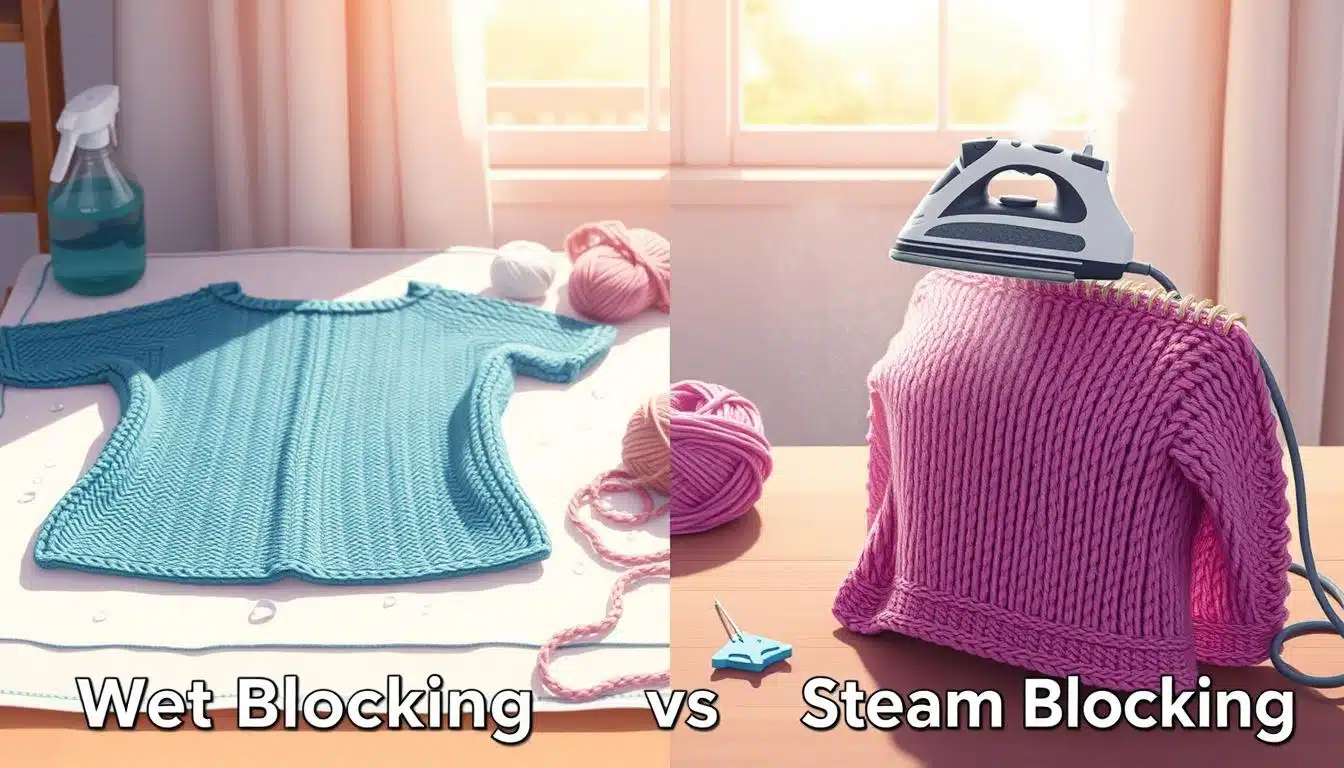
You’ve finished your knit and now you wonder if it will look homemade or magazine-quality. Blocking is the secret step that makes your stitches even and your seams perfect. It’s like the final clean-up for your project, making it look like you meant to do it that way.
Blocking isn’t just about using wires and pins. It’s about using moisture and heat to change how fibers behave. Wet blocking soaks and reshapes, while steam blocking uses heat and humidity. Each method affects how your fabric drapes, looks, and feels, so picking the right one is key.
To block your knits like a pro, start with a good swatch. Treat it like your test project. Brands like Cascade and Madelinetosh offer tutorials. And detailed guides, like this step-by-step resource, show how blocking can turn your work into something professional-looking.
Key Takeaways
- Blocking for knitting sets shape, evens stitches, and completes a project.
- Wet blocking gives the biggest change; steam blocking is gentler on delicate fibers.
- Test with swatches so gauge and final size match your pattern after blocking.
- Know your fibers: wool blooms with wet blocking; cashmere and some silks suit steam.
- Follow a simple workflow—wash, remove excess water, shape, and allow full drying.
What is blocking and why it matters for your knitting
Blocking is a simple step that makes your knitting look amazing. It involves wetting or steaming your finished knit to set its shape. This process evens out stitches, opens up lace, defines cables, and smooths out stockinette.
Washing and drying flat can also work well. For a visual guide, check out Brooklyn Tweed or online tutorials. They show you how to wash, shape, pin, and dry for a professional look. For tips on blocking crochet and knit, visit blocking crochet projects.
Definition of blocking
Blocking is a finishing step where you use moisture and heat to relax fibers. This lets you reshape the piece. You can block the whole garment or just a swatch to check the stitch layout and dimensions.
How blocking transforms finished knits
Blocking makes a big difference. It relaxes the fabric, making it even. Lace becomes crisp and airy, and cables stand out. Stockinette fabric flattens into smooth panels.
The first time you wet wool, it blooms and settles. This is why blocking before seaming and weaving in ends makes joins neater and more accurate.
Five benefits of blocking: stitch definition, measurements, drape, flattened edges, and easier seaming
- Stitch definition: Blocking opens up lace, highlights cable twist, and smooths out stockinette, making each stitch clear.
- Measurements and blocking for fit: Fibers shift with water or steam, helping you achieve the right dimensions. Block swatches the same way as the finished piece for a secure fit.
- Drape and texture: Wool and silk relax, improving the fabric’s drape. Blocking can make a shawl swing or a sweater hang nicely.
- Flattened edges: Blocking evens out tension differences, making hems and borders lie flat and neat.
- Easier seaming: Flat, true-shaped pieces match better. This makes mattress stitch and other joins neater and faster.
Use blocking to fix small tension issues, not for major gauge problems. Overblocking can stress fibers and change fit in unwanted ways. Block with care, test on swatches, and enjoy the polished look when stitches sit right.
wet blocking vs steam blocking
Choosing between wet vs steam blocking is key to your knit’s look. Wet blocking soaks fibers and reshapes them as they dry. Steam blocking uses heat and vapor for a gentler reshaping.
Side-by-side comparison of moisture, heat, and fiber interaction
Wet blocking uses water to relax fibers. This is different from steam blocking, which uses heat and vapor. Wool, alpaca, and silk do well with wet blocking, which can open lace and even out fabric.
Steam blocking is better for subtle changes. It’s great for maintaining shape without big changes. This method is perfect for bulky yarns where steam may not reach the core.
When each method changes fit, drape, and stitch appearance
Wet blocking is best for relaxed drape and open lace. It makes stockinette plumper and softer on wool and silk. But, cables may lose some springiness.
Steam blocking is safer for defined cables and preserving mohair’s halo. It reshapes lightly and keeps texture and loft. It’s also good for smoothing out small unevenness.
Risks and permanence: what to expect after washing
Wet blocking can last until the next wash, but it depends on the fiber. Wool may spring back a bit after unpinning. You might need to block a bit larger for the final shape.
Steam blocking is less likely to change the yarn permanently. It offers temporary shaping that may relax with the next soak. Wet blocking, on the other hand, carries risks like felting in protein fibers and weakening fabric. Choose wisely based on your yarn and desired outcome.
Wet blocking explained: process, pros, and cons
Wet blocking is key for crisp lace, even seams, and a fitting sweater. It involves wetting a finished piece, shaping it, and letting it dry. This relaxes fibers into their new form. Here, you’ll learn the steps, how to do it safely, the best yarns, and the risks.
Step-by-step wet blocking: soak, support, squeeze, towel-roll, shape, and dry
Begin by filling a basin with cool water and a bit of gentle wool wash. Place your piece in the water and soak for 10–15 minutes. This makes fibers fully saturated.
Use your palm to lift the item without stretching. Squeeze out water without wringing. Roll it in a towel to remove more moisture.
Place the piece flat on a blocking mat or foam board. Shape it to your desired dimensions. Use T-pins or wires to keep edges straight, for lace. Leave it to dry completely before removing pins or wearing.
For a gentler method, pin the dry piece and mist it until wet. Then, let it dry. This method is quicker and reduces stretching risk.
Best fibers and projects for wet blocking
Natural fibers like wool and alpaca work well. Linen and silk also shape nicely, perfect for shawls and heirlooms.
Lace shawls, openwork wraps, and wool sweaters benefit greatly. Superwash wool can block well but may stretch more. Test a swatch first.
For detailed advice, check out blocking guides for fiber-specific tips.
Drawbacks: drying time, risk of felting, and overstretching
Wet blocking improves drape and stitch definition but has downsides. Drying can take a long time, and heavy items may sag without support.
Never use hot water or agitate wool to avoid felting. This is a major risk to remember.
Stretching too much can weaken fibers over time. For items you wash often, re-block them occasionally to keep size and shape.
- Wet blocking steps to remember: soak, support, squeeze, towel-roll, shape, and dry.
- How to wet block safely: use cool water, gentle soap, and support heavy pieces.
- Best yarns for wet blocking: wool, alpaca, silk, and linen for dramatic results.
- Wet blocking risks: felting, overstretching, and long drying times—avoid hot water and rough handling.
Steam blocking explained: process, pros, and cons
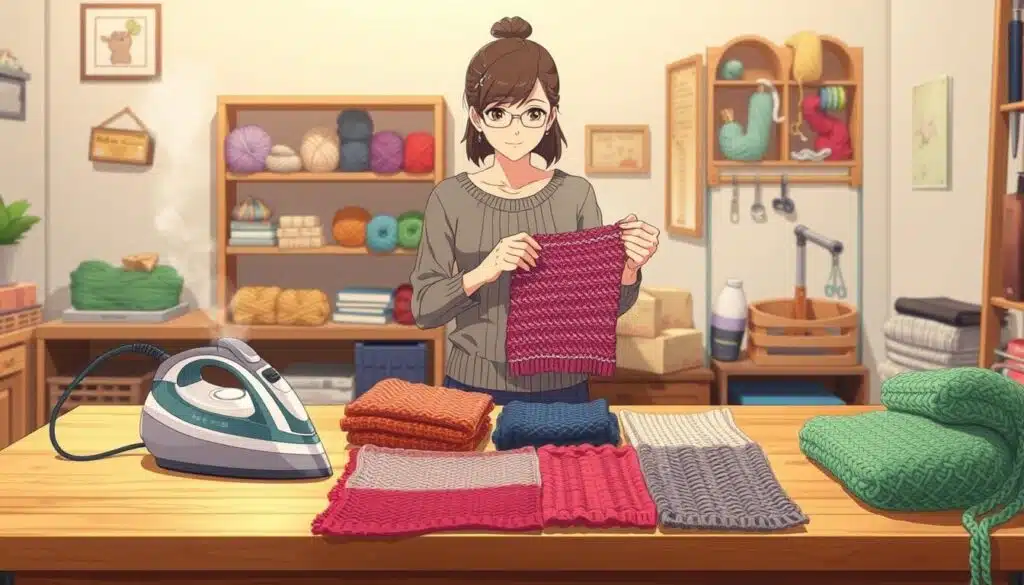
Steam blocking is a quick way to fix edges and refresh texture without soaking your project. First, pin the piece to the shape you want. Then, use steam and heat from a distance to relax the fibers.
Use short bursts of steam instead of a constant flow to keep stitch definition sharp.
How to steam block safely using an iron, steamer, or bathroom steam
Begin by laying the knit flat and pinning it to the exact shape you desire. If using an iron, keep it off the fabric. Hold it about 1/2 inch above a damp cotton press cloth and send short steam bursts.
For a garment steamer, hover over sections and move continuously to avoid overheating any area.
If you prefer a no-equipment option, bathroom steam blocking works well for light refreshes. Close the door and run a hot shower until the room is filled with steam. Then, leave the pinned item in place to absorb steam for a few minutes. Let it cool and dry fully before unpinning.
For detailed, practical steps and safety tips, follow a clear guide like the one at steam blocking instructions. It shows press-cloth technique, steam distance, and drying advice.
Fibers and projects that benefit from steam blocking
Choose steam block knitwear for subtle shaping without heavy wetting. Delicate fibers like cashmere, silk blends, and mohair trims respond well because steaming preserves their loft and halo. Cable sweaters regain plumpness, and textured scarves settle without losing bounce.
Steam is great for freshening items that were once wet blocked. For a quick touch-up before gift-giving or wearing, iron steaming knits or a handheld steamer gives a neat finish with minimal downtime.
Limitations: penetration in bulky yarns and effects on future washing
Steam does not penetrate dense or bulky fabrics as deeply as wet blocking. If your project uses heavy wool or tightly spun yarn, expect limited change in drape or stitch opening. For dramatic bloom or major size adjustment, wet blocking is better.
Remember, steam blocking can be temporary. A full wash may change dimensions more than a steam session did. If you plan to launder the garment often, consider how iron steaming knits or bathroom steam blocking fits your long-term care routine.
| Step | What to do | Best use |
|---|---|---|
| Pin to shape | Lay flat, measure, and pin edges to desired dimensions | Any project needing precise shaping |
| Steam source | Hold iron 1/2″ above a damp press cloth or hover a garment steamer | Delicate fibers and textured knits |
| Bathroom method | Hang pinned piece in a steamy bathroom for several minutes | Quick refreshes and halo preservation |
| Drying | Let cool and dry completely before removing pins | Maintain shape and avoid distortion |
| Limit | Poor penetration in bulky yarns; effects less permanent than wet blocking | Light shaping, smoothing, and edge taming |
| Safety tip | Use press cloth and keep iron from touching yarn to prevent melting or scorching | Synthetic blends and acrylics |
Spray blocking and alternatives to wet and steam methods
Spray blocking is a method between full soaking and steam pressing. You pin the piece and mist it until it’s damp. Then, let it dry. This method offers more moisture than ironing or steaming but less than wet blocking.
How spray blocking works and when to choose it
Use a clean plant sprayer to avoid residue. Light misting helps reshape edges and set dimensions. It’s good for delicate fibers like alpaca and silk. Choose spray blocking for modest shaping without felting or overstretching.
For a quick guide, check out spritz blocking vs wet and steam.
Advantages of control and targeted shaping
Spray blocking offers precise shaping for trims and borders. It’s great for reshaping without over-stretching. You only need a little gear, and it’s quick for everyday projects.
When spray blocking won’t be enough
Heavy wools and projects needing deep bloom need a full soak. Spray blocking and misting won’t fully open complex lace. For these, wet blocking is a better choice for dramatic results.
- Best use: delicate fibers or quick fixes.
- Limitations: heavy, densely spun yarns and deep bloom projects.
- Pro tip: combine light misting with pins or wires for precision targeted blocking.
Killing acrylic and synthetic-specific shaping techniques
You love the look of a drapey sweater but worry acrylic will sit stiff or boxy. This section explains why some knitters use killing acrylic. It shows how it changes synthetic yarn and when to choose a different fiber. The results can be dramatic and permanent.
What it means and why synthetics respond
Killing acrylic means applying controlled heat to acrylic or nylon. This makes fibers relax and settle into a new shape. Acrylic and nylon are plastics that soften with heat, unlike wool.
How to perform the process safely
Start with a test swatch in the same yarn and stitch pattern. Pin the swatch to the dimensions you want. Use a hot iron or steamer to heat the yarn without pressing.
Move the heat source steadily to avoid melting a spot. Let the piece cool and set fully before unpinning.
Be careful with temperature. Too-hot settings can make acrylic crunchy, brittle, or shiny. Never use a dryer sanitize cycle on acrylic items you want to save. Treat every step as irreversible; once fibers set, they rarely return to their original loft.
Permanent results and limits of heat-set acrylic
When done correctly, heat-set acrylic holds new drape and dimensions. Knits gain smoother silhouettes and reduced bounce. The change is permanent, which can be a benefit if you want stable shaping. It can be a problem if you misjudge tension or size.
Synthetic blocking by steam or direct heat penetrates less deeply in dense, bulky fabrics. Avoid killing acrylic on delicate lace where lightness matters. For pieces that will see high heat—hot pads, oven mitts—skip acrylic entirely.
When to avoid synthetics and choose other care
If you need reliable wet-wash shaping, pick fibers like superwash wool, cotton, or silk blends from the start. Those fibers take wet blocking or steam without risk of plastic-like changes. When machine washing and heat exposure are likely, choose materials rated for those conditions instead of relying on shaping acrylic yarn later.
Use killing acrylic as a last-resort shaping method or a deliberate design choice. Test, pin, and proceed slowly so your finished knit looks like the piece you imagined.
Tools and supplies you actually need for blocking
Blocking makes your knit look professional. You don’t need a lot of gear for tidy edges and correct sizes. A few smart items can do most of the work and speed up tricky projects.
Essential basics
Begin with a basin or sink for soaking your piece. Use clean towels to press and roll out moisture; keep a dry towel for the towel-roll step. A gentle wool wash protects fibers during wet blocking.
Have a tape measure ready to check dimensions as you shape. A spray bottle is useful if you prefer spray blocking instead of a full soak. These items form a compact blocking supplies list that covers most needs.
Optional tools that make life easier
Blocking mats can save time with a stable, pin-ready surface. Interlocking foam mats are popular, but yoga mats or thick towels work for casual projects.
Use rust-proof T-pins for pinning wet fabric. Stainless steel or nickel-plated pins resist rust and prevent staining. For long, straight edges, blocking wires give a crisp line with fewer pins.
Pin combs are a big help on lace edges where you want evenly spaced pins without counting every stitch. If you like detailed how-tos, check a practical guide at blocking crochet projects.
Why materials matter
Rust-proof pins matter because moisture plus ordinary pins equals rust and ruined yarn. A press cloth protects delicate fibers when steam-blocking with an iron. Use a cotton or linen tea towel between iron and knit to avoid scorch marks.
Blocking wires reduce the number of pins and give straighter edges on shawls and pieced garments. Insert a wire gently between the selvedge and the next stitch to avoid gaps. Try these tools on a swatch before you spend money on a full kit.
| Tool | Why you want it | Best for |
|---|---|---|
| Basin or sink | Safe place to soak without agitation | All wet blocking |
| Clean towels | Press and remove excess water via towel-roll | Sweaters, shawls, blankets |
| Wool wash | Gentle cleaning without felting | Protein fibers like wool and alpaca |
| Tape measure | Verify dimensions and symmetry | Garments, sleeves, panels |
| Spray bottle | Targeted moisture for spray blocking | Delicate or shaped areas |
| Blocking mats | Stable pin surface, reusable | Lace shawls, large pieces |
| T-pins (rust-proof) | Hold pins in wet fabric without staining | Any pinned blocking job |
| Blocking wires | Create straight, even edges with fewer pins | Shawls, scarves, pieced panels |
| Pin combs | Rapid, evenly spaced pinning for edges | Wide lace borders |
| Press cloth | Protect fiber during steam work | Steam blocking with irons |
Blocking different project types: lace, sweaters, socks, hats, and cables
You want your finished knits to look their best. Different projects need different blocking moves. Here are clear, practical tips for blocking lace, shaping sweaters, handling socks and hats, and preserving textured work.
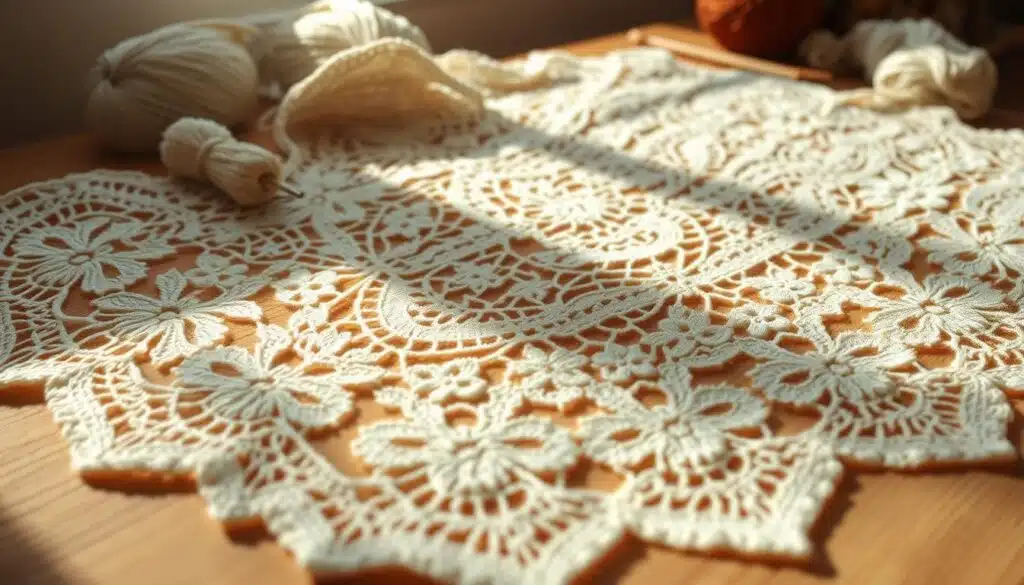
Lace: be bold but controlled. For a blocking lace shawl, pinning aggressively opens stitches and sets points. Use blocking wires along long edges to keep lines straight and to avoid unwanted scallops. Pin firmly because lace can relax back after unpinning; if you want a larger look, block to slightly bigger dimensions.
Sweaters: give wet garments gentle support when lifting so weight doesn’t stretch shoulders and seams. After a soak, squeeze, and towel-roll, lay flat and shape to your schematic. Use a tape measure to keep symmetry and check sleeve lengths. Expect slow drying on large pieces and plan for the wool to spring back by leaving a little extra ease—many knitters work 5–10% larger. Wash pieces before seaming for neater joins.
Socks: sock blockers create crisp heels and cuffs and can serve as drying forms, but they are not mandatory. You can lay socks flat if you lack blockers. If you’re wondering how to block socks for a snug fit, shape heels and toes on a form or a rolled towel, pin lightly, and let them dry fully to set the fabric.
Hats: basic beanies lie flat to dry; slouchy shapes need volume. Use a balloon or a bowl to maintain crown curve while drying and rotate the form so the crown evens out. Pin brims to set the edge. For delicate stranded berets, a little steam over a plate can tidy the shape without crushing the colorwork. Keep these hat blocking tips in mind when you want a consistent crown and brim.
Textured knits and cables: treat them gently. Aggressive wet blocking can flatten cables and reduce rib height. Use steam or a light spray to refresh texture and definition. If preserving depth matters, opt for gentle shaping instead of a full soak. When you must wet-block cables, pin with minimal tension and allow slow drying to keep plumpness.
| Project | Recommended Method | Key Tools | Notes |
|---|---|---|---|
| Lace shawl | Wet block, aggressive pinning | Blocking wires, T‑pins, blocking mat | Pin firmly; allow for slight shrink-back; use wires for straight edges |
| Sweater | Wet block, supported drying | Towels, tape measure, blocking mat, rust-proof pins | Support weight when lifting; shape to schematic; expect slow drying |
| Socks | Dry on blocker or flat; light steam if needed | Sock blockers, rolled towel, pins | Sock blockers give crisp finish; many knitters dry flat successfully |
| Hats | Lay flat for beanies; balloon/form for slouchy crowns | Balloon, bowl, blocking form, pins | Rotate form while drying for even crown; pin brims if necessary |
| Textured/cables | Steam or light spray; minimal stretching | Steamer or iron with press cloth, spray bottle | Avoid overblocking to preserve plump stitches and cable definition |
Common blocking mistakes and how you avoid them
Blocking can save or spoil a project in minutes if you make simple mistakes. Stay calm and have a plan. Here are some tips to help you avoid common errors and make your knitwear look great.
Over-stretching is a big mistake. Stretching too much can open stitches and weaken fibers, shortening the garment’s life. Blocking is about gentle shaping and setting moisture, not force. If your gauge is off, re-swatch or reknit instead of forcing a fit.
Let your work dry completely before unpinning or wearing it. Unpinning while it’s damp can cause stitches to relax and edges to close up. Lace often needs extra time to keep its points. Large sweaters can take days to dry; plan ahead and don’t rush the reveal.
Always read yarn labels. Superwash wool, cotton, and synthetics behave differently during blocking. Superwash may stretch more than expected. Cotton and acrylic rarely “remember” a stretched shape. To get real results, block a swatch exactly as you will treat the finished piece.
Avoid enzyme detergents on protein fibers. Protease-containing soaps can break down wool and silk. Choose a true wool-safe detergent and check ingredients carefully, even if a product claims to be for wool. Use gentle, pH-friendly washes to preserve strength and sheen.
Rust-proof pins are essential. Wet blocking with ordinary pins can lead to rust stains that are hard to remove. Choose stainless or brass pins and keep them clean between projects to prevent damage.
Never agitate or use hot water on protein fibers unless the pattern explicitly calls for it. Agitation plus heat can cause felting and irreversible shrinkage. Use gentle soaking, avoid wringing, and remove water with a towel roll to protect stitch structure.
Blocking is full of small choices that add up. For a concise guide that covers many of these tips, check this practical guide at blocking knitting advice. It covers common pitfalls and smart habits to protect your work.
| Common Error | What Happens | Quick Fix |
|---|---|---|
| Over-stretching | Weakened fibers, shortened lifespan | Gently reshape; re-swatch for gauge issues |
| Unpinning too soon | Stitches relax; lace loses points | Wait until fully dry; allow 24 hours post-unpin |
| Ignoring fiber content | Unexpected fit and care problems | Follow yarn label; block swatch like the finished piece |
| Using enzyme detergents | Damage to wool and silk | Use a certified wool-safe detergent |
| Rusting pins | Permanent stains | Use rust-proof pins and clean tools |
| Agitation or hot water | Felting and shrinkage | Soak gently and towel-roll to remove water |
Conclusion
Choosing between wet blocking and steam blocking depends on the fiber and your goal. Wet blocking is great for shaping and opening stitches in wool, linen, and silk. Soak in cool water, avoid moving the fabric, and let it dry completely.
Steam blocking is better for a gentle refresh that keeps stitches plump. It’s perfect for delicate fibers like cashmere and mohair. Use a light steam or iron with a cloth to avoid damage.
Spray blocking is a middle ground that offers control without soaking or heat. It’s good for maintaining consistency in your work. Wash and block swatches the same way as your final piece to ensure a perfect fit.
Always measure carefully and block slightly larger for wool items. They might shrink back a bit. Use rust-proof pins or wires for accurate blocking.
Remember to let items dry fully and store wool properly to keep its shape. Most projects look better after simple washing and blocking. Choose the method that suits your fiber, care routine, and patience. This advice will help you decide on the best blocking method for your next project.
FAQ
What is blocking and why should you bother?
Blocking is a process that makes your finished knit look great. It evens out stitches and opens up lace. It also defines cables and smooths out stockinette.
Blocking corrects the size of your project and improves how it drapes. It also flattens edges to prevent curling. So, your project looks intentional and not scrunched up.
How does wet blocking differ from steam blocking?
Wet blocking involves soaking the project in lukewarm or cold water. It’s then gently drained, towel-rolled, shaped, and dried flat. This method makes big changes, like opening up lace and making wool bloom.
Steam blocking, on the other hand, uses humidity from an iron or steamer. It’s gentler and keeps stitches plump without soaking the fibers. Wet blocking reshapes more permanently, while steam blocking is less likely to cause permanent changes.
When should you choose wet blocking over steam or spray?
Choose wet blocking for big changes, like opening lace or correcting shape. It’s best for wool, linen, silk, and garments that need firm shaping. But be careful with delicate fibers and halos.
When is steam blocking the better option?
Steam blocking is better for delicate fibers like cashmere and some silks. It preserves halo and stitch plumpness. It’s also great for refreshing garments and textured knits.
What is spray blocking and when would you use it?
Spray blocking uses a spray bottle to mist the project. Then, you shape it and let it dry. It’s a middle ground, more moisture than steam but less than a full soak.
Use it for targeted shaping, quick refreshes, or when drying time is a concern. It won’t open dense lace or bloom heavy wools as well as wet blocking.
What does “killing acrylic” mean and should you do it?
“Killing acrylic” means softening or slightly melting synthetic fibers. It’s permanent and irreversible. Test it on a swatch first, pin the shape, and use controlled heat.
It’s not a substitute for choosing the right fiber for the intended use. Be cautious.
Which fibers respond best to wet blocking, steam blocking, or spray?
Wet blocking is best for wool, alpaca, linen, and silk. It makes wool bloom and stitches cohesive. Steam blocking is good for delicate fibers and textured cables.
Spray blocking is handy for mixed projects and modest shaping. Cotton and many synthetics don’t hold shape as well. Always swatch and block as you’ll treat the finished item.
What are the step-by-step basics for wet blocking?
Soak the finished piece in lukewarm or cold water with a gentle wool wash. Don’t agitate. Support the knitted weight when lifting, gently squeeze out excess water, then roll in a towel and press to remove more moisture.
Lay flat, shape to dimensions, pin if needed, and allow to dry completely before unpinning or wearing. Never use hot water or wring the piece.
How do you steam block safely with an iron or steamer?
Pin or shape the piece first. Use a garment steamer or set your iron to the wool/steam setting. Hold the iron slightly above the fabric—use a damp press cloth between iron and knit to avoid scorching.
Move steam in bursts across sections and re-wet the cloth as needed. Let the piece dry fully before removing pins.
Do I need special tools to block, like mats, pins, or wires?
Essentials are simple: a basin or sink, clean towels, gentle wool wash, and a tape measure. Optional but helpful tools include blocking mats or foam tiles, rust-proof T‑pins, stainless blocking wires, pin combs, and a press cloth.
Many everyday projects can be blocked with just towels and a flat surface. But lace and large shawls benefit from wires and mats for precision.
Why do rust-proof pins and blocking wires matter?
Rust-proof pins (stainless or nickel-plated) prevent permanent rust stains on wet fabric. Blocking wires give crisp, even edges and reduce the number of individual pins needed.
They’re useful for long straight edges on shawls or scarves. A press cloth protects delicate fibers when steam-blocking with an iron and prevents scorching.
How should I block lace for maximum stitch opening and points?
Lace typically benefits from aggressive blocking relative to the fiber. Wet soak, then use blocking wires along long edges and place pins at points to open scallops.
Pin firmly (lace can shrink back a bit after unpinning), and allow the piece to dry completely. For fragile halos or very delicate yarns, consider a gentler steam or spray approach.
What’s the safest way to block a sweater so it doesn’t sag or distort?
Support the wet sweater when lifting to avoid sagging. After soaking and towel-rolling, lay the sweater flat on a surface and shape it to the pattern schematic with a tape measure to check symmetry.
Pin minimally where needed. For large garments, give ample drying time—sometimes days—and consider blocking slightly larger (5–10%) for wool garments that tend to spring back.
How do you block socks and hats without special blockers?
Socks can be dried flat or slipped over improvised forms (cardboard tubes) if you don’t have sock blockers. Hats can be shaped over bowls, balloons, or bowls to form crowns; pin brims if you need crisp edges.
Rotate and reposition during drying for even shaping. Sock and hat blockers are convenient but not essential for most knitters.
How should you block textured knits and cables to preserve definition?
Use gentler methods—steam or light spray—to preserve plump cables and textured stitches. Avoid aggressive wet blocking that will flatten your texture.
If you must wet-block, reshape carefully and consider pinning minimally. A quick steam refresh between washes often maintains stitch definition with less risk.
What common blocking mistakes weaken garments or ruin the finish?
Over-stretching fibers to force measurements weakens yarn and shortens garment life. Using hot water or agitation can cause felting. Unpinning or wearing items before they’re fully dry lets stitches relax and distort.
Ignoring fiber content—treating cotton, superwash, or synthetics like wool—leads to surprises. And using enzyme-containing detergents can damage protein fibers like wool and silk.
How many times can you block a piece, and will it hold its shape?
You can block repeatedly, but fibers respond differently. Wet-blocked wool holds shape well until the next wash and may require re-blocking after laundering to maintain a stretched finish.
Superwash may over-stretch and need careful care. Steam-blocking is a good refresher between full washes and avoids dramatic permanent changes. For acrylic, “killing” with heat is permanent—so proceed with caution.
Should I block my gauge swatch the same way I’ll block the finished item?
Absolutely. Block swatches the same way you plan to treat the finished piece so you get accurate gauge and finished measurements. Many knitters use the same wash and block method recommended by yarn brands like Brooklyn Tweed and others to ensure pattern sizing matches reality.
How do I avoid felting when wet blocking?
Use lukewarm or cold water, no agitation, and a gentle wool wash. Never place wool under running water, don’t wring or twist, and avoid hot water. Support the piece when lifting and towel-roll to remove moisture.
If you must concatenate agitation and heat, stop—felting is irreversible.
Can you fix a major gauge problem by blocking bigger?
No. Blocking can adjust dimensions modestly—blocking a wool piece slightly larger accounts for spring-back—but it’s not a cure for major gauge errors. Over-relying on blocking to fix gauge will lead to disappointment and garments that may not wear well. If gauge is off, re-swatch or reknit.
What detergents should you use or avoid when blocking wool and silk?
Use wool-safe, enzyme-free washes or rinseless wool washes. Avoid detergents with protease enzymes (stain-fighting enzymes) because they can degrade protein fibers like wool and silk. Read labels or choose reputable wool care brands to keep fibers healthy.
How long should I wait before unpinning a blocked piece?
Wait until the piece is completely dry. Large sweaters can take days; lace shawls may dry faster but they need full drying to hold open points. After unpinning, wool can relax slightly over 24 hours, so allow a short rest before final measurements or seaming.
What should you do if you don’t have blocking mats or wires—can you sill block well?
Yes. Many projects can be suitably blocked on towels, yoga mats, or a clean flat surface. Use taped measurements and strategic pins. Save wires and mats for lace, large shawls, or garments where precision matters. Try techniques on a swatch before investing in gear.
Are there any quick tips to make blocking less scary?
Start with small projects and swatches. Use spray or steam to practice gentle shaping. Test techniques on a swatch of the same yarn before altering a finished piece. Remember most knitting benefits significantly from even simple washing and drying—blocking usually improves appearance dramatically and is more friendly than it sounds.