The world of fiber arts is experiencing a technological revolution, and automatic knitting machines are at the forefront of this transformation. While traditional crochet remains a beloved craft practiced by millions, the emergence of mesin rajut otomatis—or automatic knitting machines—has sparked curiosity among crafters seeking to expand their capabilities and explore new creative horizons. As we navigate 2026, understanding how these machines complement rather than replace handmade crafts has become essential for crocheters looking to diversify their skills.
Understanding Automatic Knitting Technology
Automatic knitting machines represent a significant leap from manual textile creation methods. These sophisticated devices use mechanical or computerized systems to produce knitted fabric at speeds far exceeding human capability. Unlike traditional hand crochet, which involves a single hook pulling loops through other loops, knitting machines work with multiple needles simultaneously to create interlocking rows of stitches.

Modern automatic knitting machines range from simple manual models requiring hand-cranking to fully computerized systems that can read digital patterns and adjust tension automatically. The technology has evolved considerably since early industrial looms, incorporating sensors, programmable memory, and even smartphone connectivity. For crafters familiar with the meditative pace of creating amigurumi patterns, the speed of these machines can seem almost magical.
However, it’s crucial to understand that knitting and crochet are fundamentally different techniques. While both create fabric from yarn, the structure, tools, and resulting textures differ significantly. According to Britannica’s overview of knitting, the interlocking loop structure of knitted fabric provides distinct characteristics that differ from crocheted textiles.
How Automatic Knitting Machines Work
The mechanics of automatic knitting machines involve a bed of needles—sometimes hundreds—arranged in rows. As yarn feeds through the machine, these needles work in coordinated patterns to create stitches. Advanced models allow users to program complex designs, color changes, and stitch patterns through digital interfaces.

There are several main types of automatic knitting machines available in 2026:
- Flatbed machines: Create flat panels of fabric ideal for sweater pieces, scarves, and blankets
- Circular machines: Produce tubular knits perfect for hats, socks, and seamless garments
- Electronic machines: Feature computer control for intricate patterns and automated functions
- Manual automatic machines: Require hand-cranking but still speed up production significantly
The yarn tension, needle selection, and stitch formation all happen through mechanical or electronic control, allowing even beginners to produce consistent, professional-looking knitted fabric. For those accustomed to the hands-on nature of crochet work, the initial learning curve involves understanding machine setup, yarn selection, and pattern programming rather than hand tension and hook manipulation.
Benefits for Crochet Enthusiasts
While automatic knitting machines cannot replicate crochet stitches, they offer compelling advantages for fiber artists looking to expand their repertoire. The primary benefit is production speed—what might take hours or days to crochet by hand can be knitted in minutes. This efficiency makes these machines particularly valuable for crafters who sell their work or create items for charitable causes.
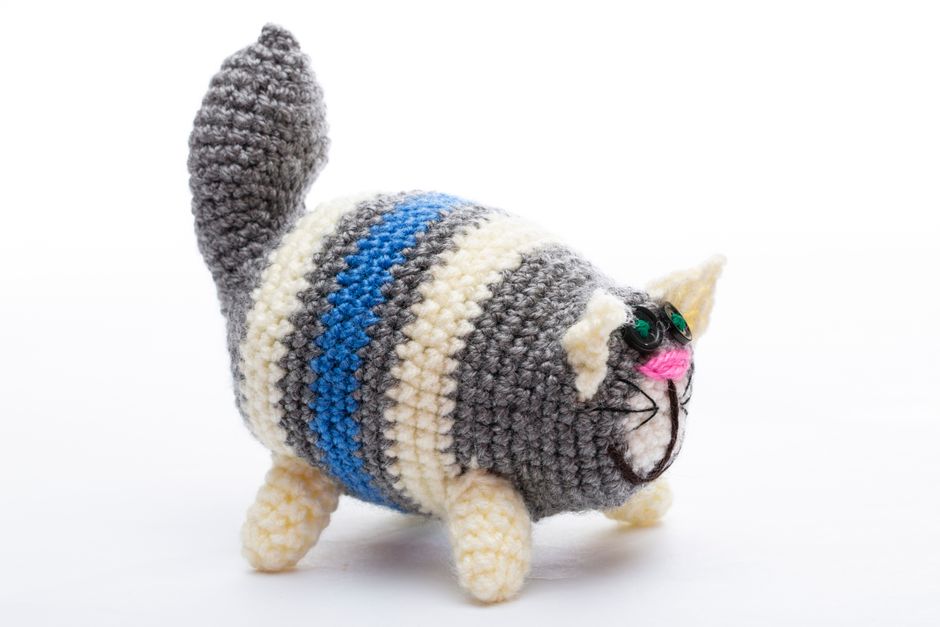
Many crochet enthusiasts discover that combining machine knitting with handcrafted crochet elements creates unique, hybrid pieces. For instance, you might machine-knit a sweater body and add crocheted edging, appliques, or embellishments. This approach leverages the speed of automation while preserving the artisanal quality that makes handmade items special.
The repetitive motions involved in both hand crochet and manual machine operation can provide similar meditative benefits. According to research on relaxation techniques, engaging in rhythmic, focused activities can reduce stress and improve overall well-being. Whether you’re working with a crochet hook or operating a knitting machine, the creative process offers valuable mental health benefits.
Additionally, automatic knitting machines open doors to creating items that would be impractical to crochet. Large blankets, fine-gauge garments, and production of multiple identical pieces become feasible projects. This versatility allows fiber artists to take on commissions or personal projects that might otherwise be too time-consuming.
Choosing the Right Machine for Your Needs
Selecting an automatic knitting machine requires careful consideration of your goals, budget, and available space. Entry-level machines can cost a few hundred dollars, while professional-grade electronic models may run into thousands. For crocheters used to minimal equipment investment—primarily hooks and yarn—this represents a significant financial commitment.
Consider these factors when evaluating machines:
- Gauge: Refers to needle spacing; finer gauges create delicate fabrics while chunky gauges work with bulky yarns
- Needle count: More needles allow wider fabric production but increase machine size and complexity
- Manual vs. electronic: Electronic machines offer more features but require higher initial investment
- Brand support: Availability of replacement parts, tutorials, and community resources
- Space requirements: Some machines require dedicated work tables and storage
Many experienced crafters recommend starting with a mid-range manual or basic electronic model to learn fundamentals before investing in premium equipment. Online communities and local fiber arts groups often provide opportunities to try different machines before purchasing, helping you make an informed decision. For more detailed insights, check out some knitting machines reviews: expert guide 2026.
Integrating Machine Knitting with Crochet Skills
The skills you’ve developed as a crocheter translate surprisingly well to machine knitting operation. Your understanding of fiber characteristics, color theory, and garment construction provides a solid foundation. The ability to read patterns, calculate gauge, and envision finished projects from written instructions applies equally to both crafts.
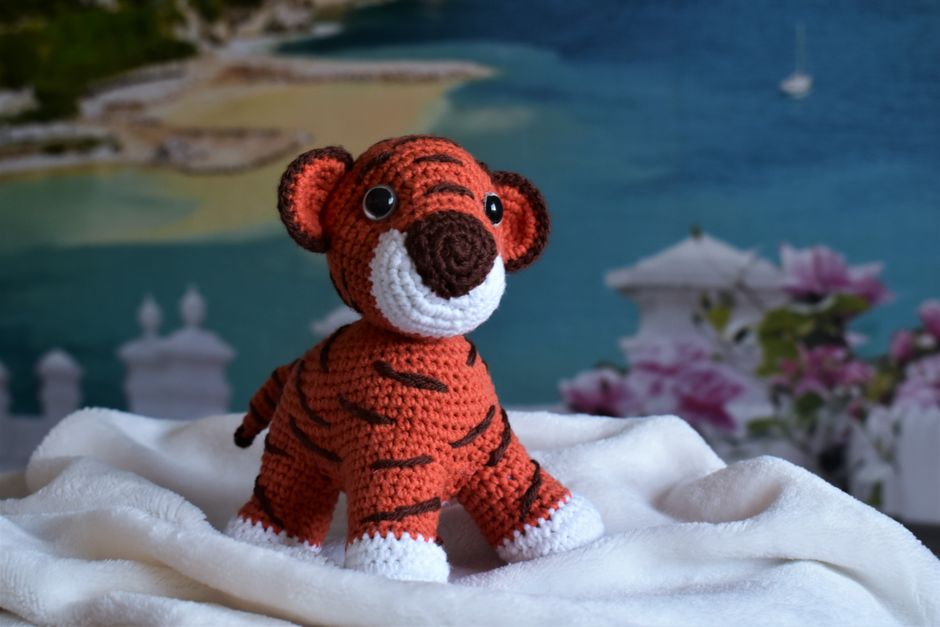
Many successful fiber artists maintain both crochet and knitting machine practices, selecting the appropriate technique for each project. Amigurumi and intricate sculptural work remain firmly in the crochet domain, as these require the three-dimensional shaping and flexibility that only hand crochet provides. Meanwhile, garments, accessories, and fabric yardage often benefit from machine production efficiency.
The physical aspects of crafting also differ between methods. While crochet involves repetitive hand and wrist motions that can cause strain, machine knitting distributes physical demands differently. According to CDC guidelines on physical activity, varying your movements and taking regular breaks helps prevent repetitive strain injuries regardless of your chosen craft.
Creating a workflow that incorporates both techniques maximizes your creative potential. You might machine-knit sweater panels and crochet coordinating accessories, or produce knitted backgrounds for crocheted applique work. This hybrid approach distinguishes your creations in a marketplace increasingly dominated by mass production.
The Future of Fiber Arts Technology
As we progress through 2026, the intersection of traditional crafts and modern technology continues evolving. Automatic knitting machines now feature app connectivity, allowing pattern downloads and progress tracking from smartphones. Some models include AI-assisted design tools that suggest modifications based on yarn characteristics or body measurements.
However, the essence of handcrafted artistry remains irreplaceable. While machines excel at production efficiency and consistency, they cannot replicate the intentionality, creative problem-solving, and personal touch that define handmade work. The most successful fiber artists embrace technology as a tool that expands rather than replaces their capabilities.
For crocheters specifically, automatic knitting machines represent an opportunity to diversify skills without abandoning the craft you love. Your expertise in working with yarn, understanding tension, and creating beautiful textiles provides the perfect foundation for exploring this complementary technology. Whether you’re making a blanket or small garments, exploring the best knitting machine for blankets can open up new possibilities.
Conclusion
Automatic knitting machines offer exciting possibilities for crochet enthusiasts willing to expand their fiber arts repertoire. While these devices cannot replicate the unique qualities of hand crochet, they provide complementary capabilities that can enhance your creative practice and production capacity. Whether you’re interested in speeding up garment production, exploring new textile techniques, or simply adding another skill to your crafting toolkit, understanding automatic knitting technology opens new doors in your creative journey. The key lies in viewing these machines not as replacements for traditional crochet but as additional tools that, when combined with your existing skills, create unlimited possibilities for fiber art expression. For those who enjoy crafting in comfort, consider looking into a knitting bed to enhance your creative experience.