Knitting has experienced a remarkable resurgence in recent years, with beginners flocking to explore this timeless craft. If you’ve searched for “purl soho beginner knitting,” you’re likely looking for quality resources to start your yarn journey. While Purl Soho is known for beautiful knitting patterns and supplies, the world of fiber arts extends far beyond just knitting. Whether you’re drawn to needles or hooks, understanding the fundamentals of yarn crafts opens doors to endless creative possibilities.
This comprehensive guide explores beginner knitting concepts inspired by Purl Soho’s aesthetic while also introducing you to related crafts that might capture your interest. From understanding basic stitches to exploring alternative yarn arts, you’ll discover how to build your skills and find the perfect creative outlet for your artistic vision.
Understanding Beginner Knitting Basics
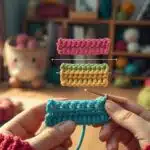
Knitting fundamentally involves creating loops of yarn with two needles, building fabric row by row. For beginners, mastering just two basic stitches—knit and purl—unlocks countless pattern possibilities. The knit stitch creates a smooth “V” shape on the fabric’s right side, while the purl stitch produces a bumpy texture. Together, these stitches form the foundation of nearly every knitting pattern you’ll encounter.
Starting with simple projects helps build confidence and muscle memory. Most beginners find success with straightforward items like dishcloths, scarves, or simple headbands. These projects teach fundamental techniques without overwhelming complexity, allowing you to focus on consistent tension and stitch formation.
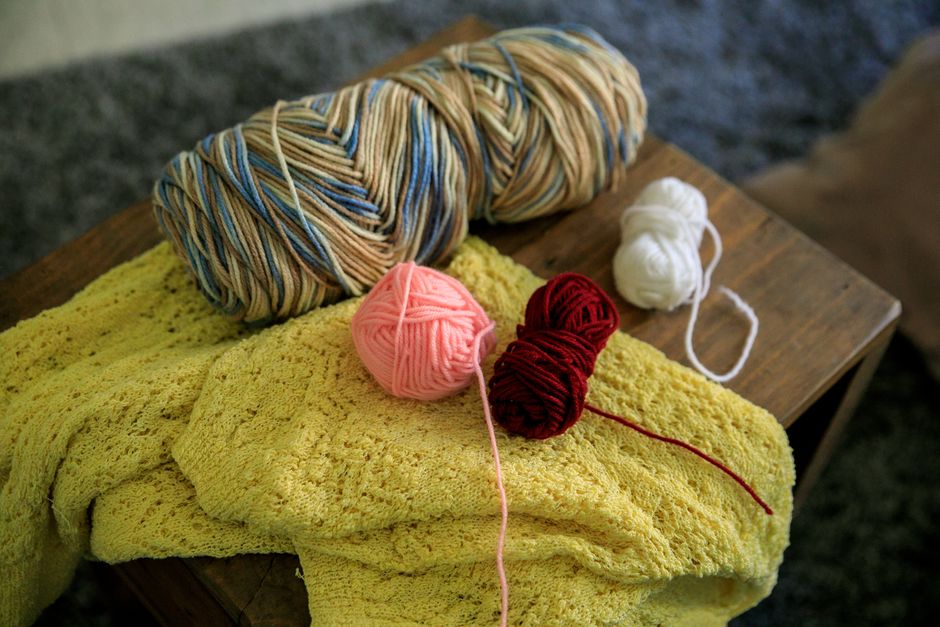
Essential supplies for beginning knitters include medium-weight yarn (often labeled as worsted weight), appropriately sized needles (typically US size 7 or 8), scissors, and a tapestry needle for weaving in ends. Investing in quality materials from the start makes learning easier and more enjoyable, as better yarn behaves more predictably and forgiving needles feel comfortable in your hands.
The Purl Soho Aesthetic and Learning Approach
Purl Soho has built a reputation for modern, elegant patterns that appeal to contemporary crafters. Their approach emphasizes clean lines, beautiful color combinations, and projects that feel both classic and current. This aesthetic has influenced countless knitters to pursue the craft with an eye toward creating wearable, giftable items that showcase sophisticated taste.
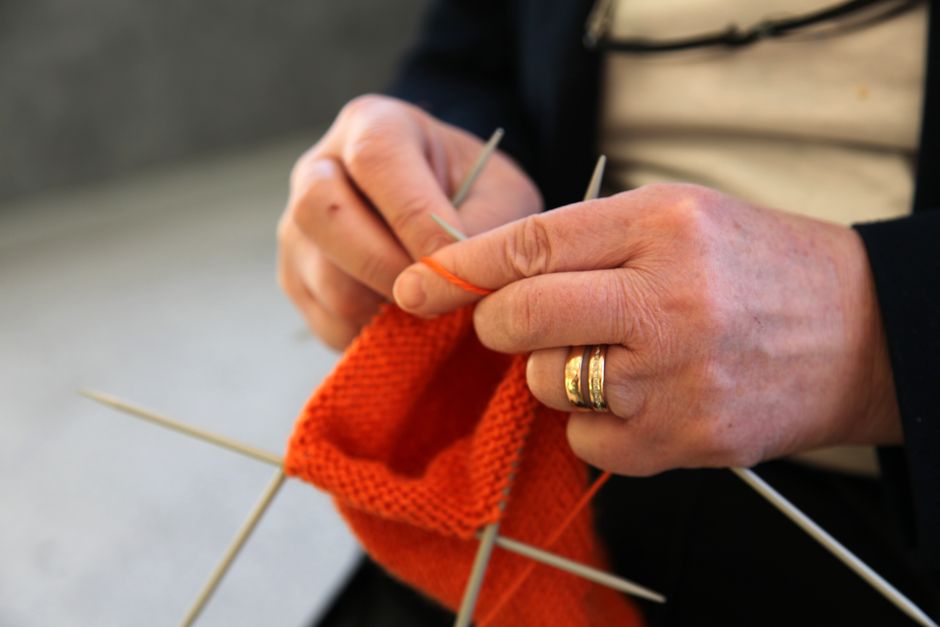
What sets quality beginner resources apart is clear instruction combined with visual appeal. Well-photographed tutorials with step-by-step guidance help learners understand not just how to execute techniques, but why certain methods work better than others. The best beginner patterns include detailed materials lists, gauge information, and troubleshooting tips that address common challenges.
As you develop your skills, you’ll notice how good instruction makes all the difference. Patterns that explain the reasoning behind techniques help you become an independent crafter who can adapt and problem-solve rather than simply following instructions by rote. This deeper understanding accelerates your learning curve and builds lasting confidence.
Exploring Crochet as a Complementary Craft
While knitting uses two needles, crochet employs a single hook to create fabric through interlocking loops. Many fiber artists find value in learning both crafts, as each offers unique advantages. Crochet typically works up faster than knitting and excels at creating three-dimensional shapes, textured stitches, and intricate motifs like granny squares.
The transition between knitting and crochet feels natural for many crafters. Both use similar yarn weights and share common terminology around gauge, tension, and finishing techniques. If you’ve invested in yarn for knitting projects, those same materials often work beautifully for crochet patterns. This versatility maximizes your supplies and expands your creative options.
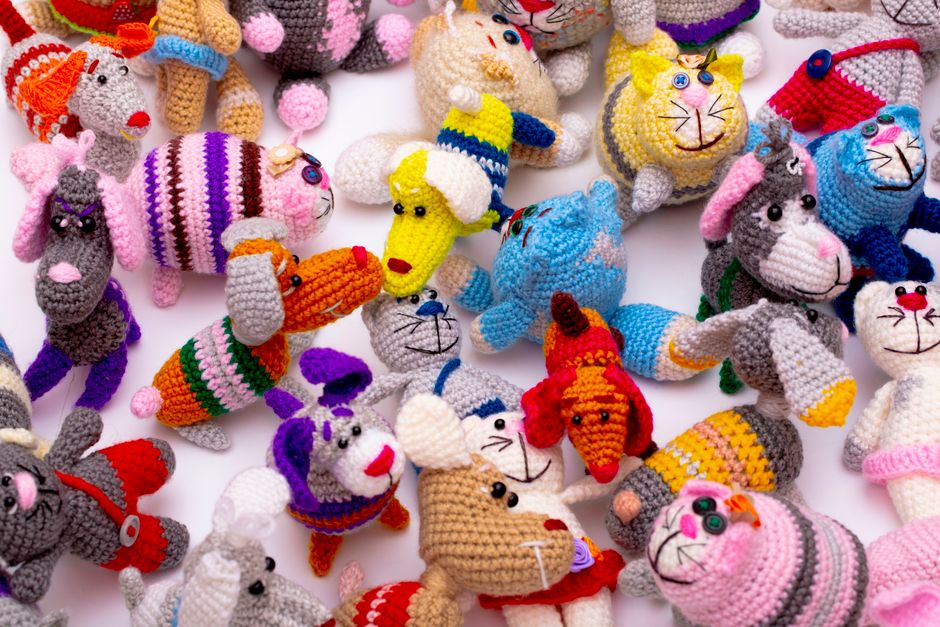
Amigurumi, the Japanese art of crocheting small stuffed creatures and objects, has become particularly popular among crafters seeking quick, satisfying projects. These charming creations range from adorable animals to whimsical food items and fantasy characters. The same attention to detail and aesthetic sensibility that draws people to quality knitting patterns translates beautifully to amigurumi work.
Just as engaging in creative activities provides cognitive benefits, according to research on creativity and brain function, both knitting and crochet offer therapeutic advantages. The repetitive motions promote relaxation while the problem-solving aspects keep your mind engaged and active.
Building Your Skills Progressively
Successful learning in any fiber art follows a logical progression from basic to advanced techniques. After mastering fundamental stitches, beginners should explore increasing and decreasing to shape their work. These techniques allow you to create garments, accessories with contours, and sculptural pieces that go beyond simple rectangles.
Next, learning to read patterns becomes essential. Pattern abbreviations form a universal language among fiber artists, enabling you to follow instructions from designers worldwide. While this shorthand seems cryptic initially, most patterns include abbreviation keys, and the symbols quickly become second nature with practice.
Color work adds another dimension to your projects. Simple stripes introduce you to changing colors, while more advanced techniques like Fair Isle knitting or tapestry crochet create intricate multicolored designs. Starting with projects that incorporate just two or three colors helps you develop tension consistency when carrying multiple yarns.
According to CDC physical activity guidelines, incorporating movement throughout your day supports overall wellness. Remember to take breaks during long crafting sessions, stretch your hands and shoulders, and maintain good posture to protect your body while pursuing your creative passions.
Finding Quality Patterns and Resources
The digital age has revolutionized access to crafting patterns and tutorials. PDF patterns offer instant downloads, allowing you to begin projects immediately without waiting for physical books or magazines. This format also enables easy storage, as you can organize digital files by category, skill level, or project type.
Quality pattern sources provide clear instructions, accurate materials lists, and responsive customer support. Look for designers who include multiple photos showing finished projects from different angles, detailed stitch explanations for any special techniques, and information about gauge and sizing. These elements separate professionally designed patterns from hastily written instructions.
For those interested in three-dimensional crochet projects, amigurumi patterns offer particular appeal. These PDF patterns typically include construction diagrams, assembly instructions, and sometimes even video support for complex techniques. The satisfaction of completing a detailed stuffed character or object provides motivation to continue developing your skills.
Building a digital pattern library lets you choose projects based on your current mood and skill level. Some days call for challenging new techniques, while others benefit from familiar, meditative stitching. Having diverse options readily available ensures you’ll always find the perfect project to match your energy and ambition.
Creating a Sustainable Crafting Practice
Developing a long-term relationship with fiber arts requires building sustainable habits. Set realistic goals that match your schedule and energy levels rather than overwhelming yourself with ambitious projects that lead to frustration. Even fifteen minutes of daily stitching accumulates into substantial progress over weeks and months.
Organize your supplies thoughtfully to support your practice. Dedicated storage for yarn, tools, and works-in-progress makes starting a session effortless. When your materials are accessible and organized, you’re more likely to pick up a project during spare moments throughout your day.
Connection with other crafters enriches your experience significantly. Online communities provide spaces to share finished objects, troubleshoot problems, and discover new techniques. The encouragement and inspiration from fellow makers often reignites enthusiasm when motivation wanes.
Many crafters also find efficiency and speed with modern tools. For those who enjoy creating larger items quickly, an automatic knitting machine for crochet lovers can be a game-changer, allowing for rapid production of blankets, garments, and more. Similarly, exploring various types of knitting equipment can help enhance your crafting experience, making it more enjoyable and less strenuous.
If you’re considering investing in new tools, it’s wise to consult knitting machine reviews to find the best fit for your needs. For specific large-scale projects, you might even look into the best knitting machine for blankets 2026. Quality sleep supports the cognitive functions essential for learning new skills and remembering techniques. According to sleep research, adequate rest enhances memory consolidation and creative problem-solving abilities, both valuable for mastering fiber arts.
Conclusion
Beginning your journey into knitting, inspired by resources like Purl Soho, opens a world of creative possibility. Whether you focus exclusively on knitting or explore complementary crafts like crochet and amigurumi, the fundamental skills you develop create a foundation for lifelong artistic expression. Start with simple projects, invest in quality materials and instructions, and progress at your own comfortable pace. The fiber arts community welcomes crafters of all skill levels, offering support, inspiration, and endless opportunities to create beautiful handmade treasures. As you develop your abilities, you’ll discover that the process of creating brings as much joy as the finished objects themselves, providing relaxation, accomplishment, and a meaningful way to spend your creative energy.