The world of yarn crafts continues to expand in 2026, with knitting machines offering an exciting alternative to traditional hand knitting. While many crafters focus on crochet and amigurumi, understanding knitting machines can broaden your creative horizons and help you appreciate the full spectrum of fiber arts. This comprehensive guide explores everything you need to know about knitting machines reviews, from different types to key features and considerations for choosing the right model.
Understanding Knitting Machines: A Primer for Fiber Craft Enthusiasts
Knitting machines automate the process of creating knitted fabric through a series of needles that work together to form stitches. Unlike crochet, which uses a single hook and creates fabric one stitch at a time, knitting machines can produce multiple stitches simultaneously, significantly speeding up the creation process.
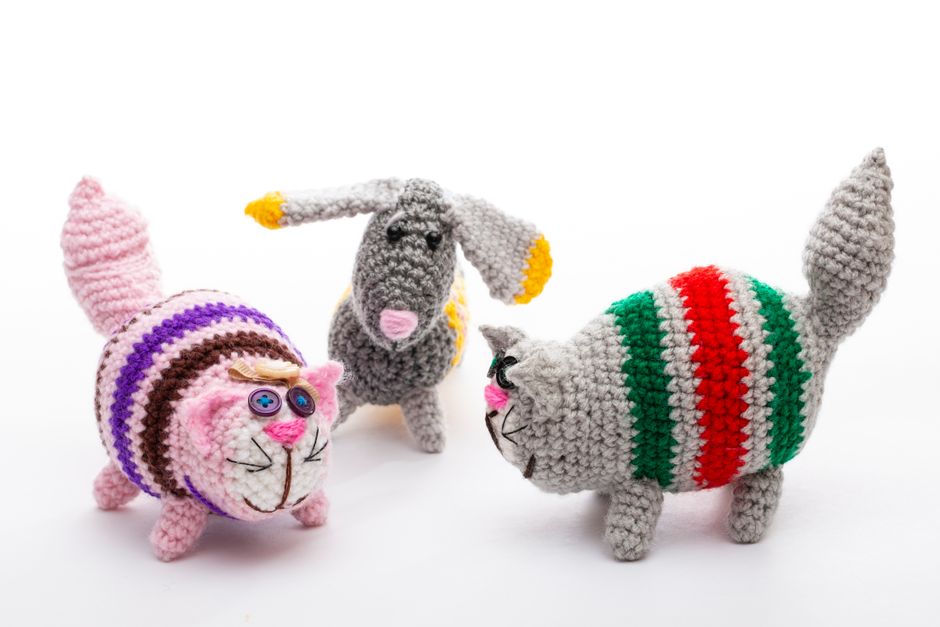
For crafters who already enjoy crochet and amigurumi, knitting machines offer a complementary skill set. While crochet excels at creating three-dimensional objects with intricate detail work, knitting machines shine when you need to produce larger flat pieces quickly, such as blankets, sweaters, or scarves. Understanding both techniques can make you a more versatile fiber artist.
The mechanics of knitting machines involve a bed of needles that catch and loop yarn to create stitches. The carriage moves across these needles, manipulating them to form different stitch patterns. This mechanical approach contrasts with the hand-guided creativity of crochet, where each stitch requires deliberate placement and attention.
Types of Knitting Machines Available in 2026
The market offers several distinct categories of knitting machines, each designed for different skill levels and project types. Understanding these categories helps you make an informed decision based on your crafting goals.
Flat Bed Knitting Machines are the most common type for home crafters. These machines feature a straight bed of needles and are excellent for creating flat pieces of fabric. They come in standard gauge (typically 4.5mm) and fine gauge options, with the gauge determining the yarn weight you can use.
Circular Knitting Machines create tubular fabric, making them ideal for items like hats, socks, and seamless garments. These machines work in the round continuously, similar to how some crocheters work amigurumi in continuous spirals rather than joined rounds.
Smart Knitting Machines represent the latest innovation in 2026, featuring digital controls, pattern downloading capabilities, and smartphone connectivity. These high-tech options allow for precise pattern replication and automated stitch counting, though they come at a premium price point.
Manual Knitting Machines require hand-cranking or manual carriage movement, offering more control and a deeper understanding of the knitting process. These are often recommended for beginners who want to learn the fundamentals before investing in electronic options.
Key Features to Consider When Choosing a Knitting Machine
Selecting the right knitting machine requires evaluating several critical features that impact both functionality and user experience.
Gauge and Needle Count: The gauge determines which yarn weights you can use, while needle count affects the width of fabric you can create. Standard gauge machines (around 200 needles) work well with worsted and bulky yarns, while fine gauge machines handle fingering and sport weights.
Punch Card vs. Electronic Pattern Selection: Older models use punch cards to create patterns, requiring physical cards for each design. Electronic machines store patterns digitally, offering more flexibility and easier pattern modification. In 2026, many hybrid models offer both options for maximum versatility.
Carriage System: The carriage quality significantly impacts knitting smoothness and consistency. Look for machines with well-engineered carriages that glide smoothly across the needle bed without requiring excessive force.
Ease of Threading and Tension Control: Proper yarn tension is crucial for consistent stitches. Machines with clear tension guides and easy-to-adjust tensioning systems save frustration, especially for beginners transitioning from hand crochet where tension is controlled manually.
Just as maintaining good posture and taking regular breaks is important for hand crafting according to CDC physical activity guidelines, using knitting machines with ergonomic designs can reduce strain during extended crafting sessions.
Top Knitting Machines for Different Skill Levels
Best for Beginners: Entry-level manual machines like the Sentro and Addi series offer affordable introduction to machine knitting. These circular machines are particularly user-friendly, with simple operation that helps new users understand basic machine knitting concepts without overwhelming complexity.
Intermediate Options: Mid-range flat bed machines provide expandability and more advanced features. These models typically include basic electronic pattern selection, adjustable stitch size, and the ability to work with multiple yarn weights. They represent the sweet spot for serious hobbyists who want versatility without professional-grade investment.
Advanced Professional Machines: High-end knitting machines from established manufacturers offer computer connectivity, extensive pattern libraries, and precision engineering. These machines can replicate complex stitch patterns and handle delicate yarns with consistency that approaches commercial production quality.
Specialty Machines: Niche machines designed for specific applications include sock machines, ribbon knitting machines, and bond knitting machines. These specialized tools excel at their designated tasks but offer limited versatility for general projects.
Maintaining Your Knitting Machine for Longevity
Proper maintenance ensures your knitting machine performs reliably for years. Regular cleaning removes lint and fiber buildup that can interfere with needle movement. Use compressed air or soft brushes to clean between needles and around the carriage mechanism after every few projects.
Oil needle beds and moving parts according to manufacturer specifications, typically every 20-30 hours of use. Using the correct lubricant prevents rust and ensures smooth operation. Store machines in climate-controlled environments, as extreme temperature fluctuations can affect metal components and plastic parts.
Replace worn needles promptly, as damaged needles create dropped stitches and uneven fabric. Keep spare needles on hand, especially for older machines where replacement parts may take time to source. According to Britannica’s overview of knitting technology, proper needle maintenance has been crucial to machine knitting success since the technology’s inception.
Check tension disks regularly for wear and adjust tension settings based on yarn type and project requirements. Document your successful tension settings for different yarns to streamline future projects.
Knitting Machines vs. Hand Knitting and Crochet
Understanding how knitting machines compare to hand techniques helps you choose the right method for each project. Machine knitting excels at producing consistent, even fabric quickly, making it ideal for garments requiring uniform tension like sweaters and blankets.
Hand knitting and crochet offer unmatched flexibility for three-dimensional shaping and creative improvisation. Amigurumi projects, with their frequent color changes, detailed shaping, and three-dimensional construction, remain firmly in the domain of hand crochet. The tactile feedback and stitch-by-stitch control of hand techniques allows for the expressive creativity that makes amigurumi so appealing.
Many crafters find that combining techniques produces the best results. Machine-knit fabric can be crocheted together, embellished with crochet details, or used as a foundation for further hand work. This hybrid approach maximizes efficiency while preserving creative control.
The meditative quality of hand crafting also differs significantly from machine knitting. While hand crochet can promote relaxation and mindfulness similar to activities that improve sleep quality as noted by Sleep Foundation research on relaxing activities, machine knitting requires more active attention to mechanical operation.
Conclusion: Choosing Your Ideal Knitting Machine
Selecting the right knitting machine depends on your crafting goals, budget, and experience level. Beginners should start with affordable manual machines to learn fundamentals before investing in electronic models. Consider the types of projects you most enjoy creating—if you love detailed amigurumi work, hand crochet remains irreplaceable, but if you want to produce larger items efficiently, a knitting machine becomes valuable.
Evaluate the ongoing costs including yarn compatibility, replacement parts availability, and learning resources. Join online communities dedicated to machine knitting to gain insights from experienced users and troubleshoot common issues. The fiber arts community continues to grow in 2026, with crafters sharing knowledge across techniques and platforms.
Whether you choose to embrace knitting machines as your primary tool or incorporate them alongside hand crochet and amigurumi, expanding your fiber arts skills opens new creative possibilities. The best approach combines the efficiency of machine knitting with the artistic flexibility of hand techniques, creating a comprehensive toolkit for bringing your creative visions to life. If you’re also looking for other tools, check out Finding Quality Looms Near Me in 2026.