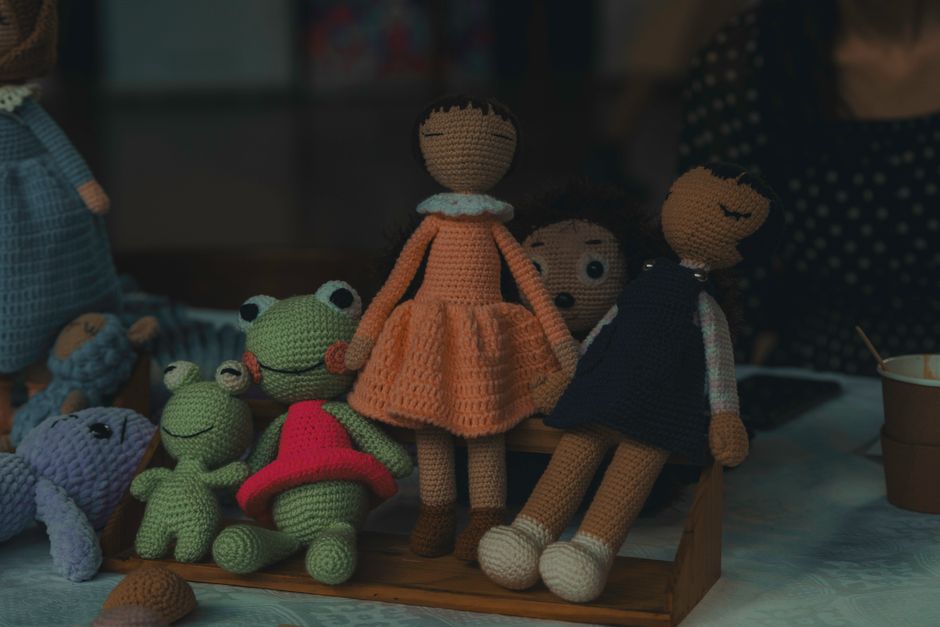
Creating realistic amigurumi characters is one of the most rewarding challenges in crochet crafting. While these adorable stuffed creations are typically known for their cute, stylized appearance, many crocheters aspire to push the boundaries and create pieces that closely resemble real-life animals, people, or objects. The question of whether you can make amigurumi realistic isn’t just about possibility—it’s about mastering techniques, understanding design principles, and developing an eye for detail that transforms simple yarn into lifelike sculptures.
The journey from beginner to advanced amigurumi artist involves learning how to manipulate stitches, choose appropriate materials, and apply finishing techniques that breathe life into your creations. Whether you’re crafting a realistic puppy, a detailed human portrait doll, or a botanically accurate flower, achieving realism in amigurumi requires dedication, patience, and a willingness to experiment with advanced techniques. For those just starting, exploring resources like Amigurumi Books for Beginners: Complete Guide can provide a solid foundation.
Understanding Realistic Amigurumi Fundamentals
Realistic amigurumi differs significantly from traditional, cartoonish styles. The foundation of realism lies in accurate proportions, natural color transitions, and anatomically correct features. Unlike simplified patterns that use basic spheres and cylinders, realistic amigurumi often requires complex shaping techniques that mimic the natural curves and contours found in real subjects.
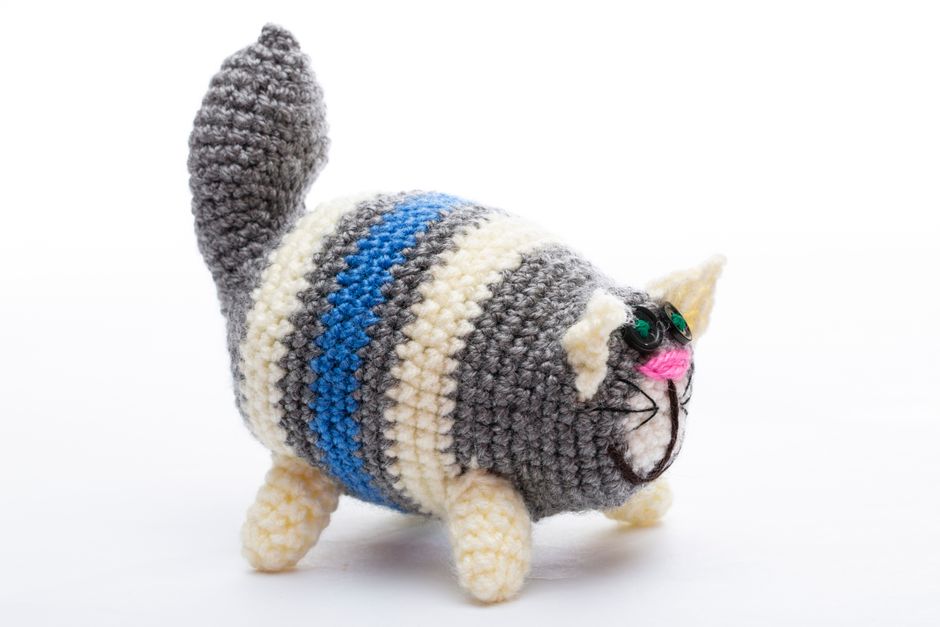
The key to achieving realism starts with observation. Study your subject carefully, whether it’s a photograph of an animal or a real object. Notice how light creates shadows, how fur or skin textures vary across different body parts, and how features relate to one another in size and placement. This observational skill, similar to how artists develop their craft through studying anatomy and form, is essential for translating three-dimensional reality into crochet stitches.
Advanced crocheters achieve realistic effects by using techniques like sculpting with strategically placed increases and decreases, working in different stitch types to create texture variation, and employing needle felting or embroidery for fine details. The transition from stylized to realistic amigurumi requires understanding not just how to follow a pattern, but how to modify and create designs based on real-world observation. To further your skills, a guide such as Crochet Books: Your Guide to Pattern Success can be invaluable.
Material Selection for Lifelike Results
The materials you choose dramatically impact the realism of your finished piece. Yarn weight, fiber content, and texture all contribute to how closely your amigurumi resembles its real-life counterpart. Fine-weight yarns allow for more detailed work and smoother transitions between colors, which is essential for creating realistic facial features or subtle color gradations found in animal fur.
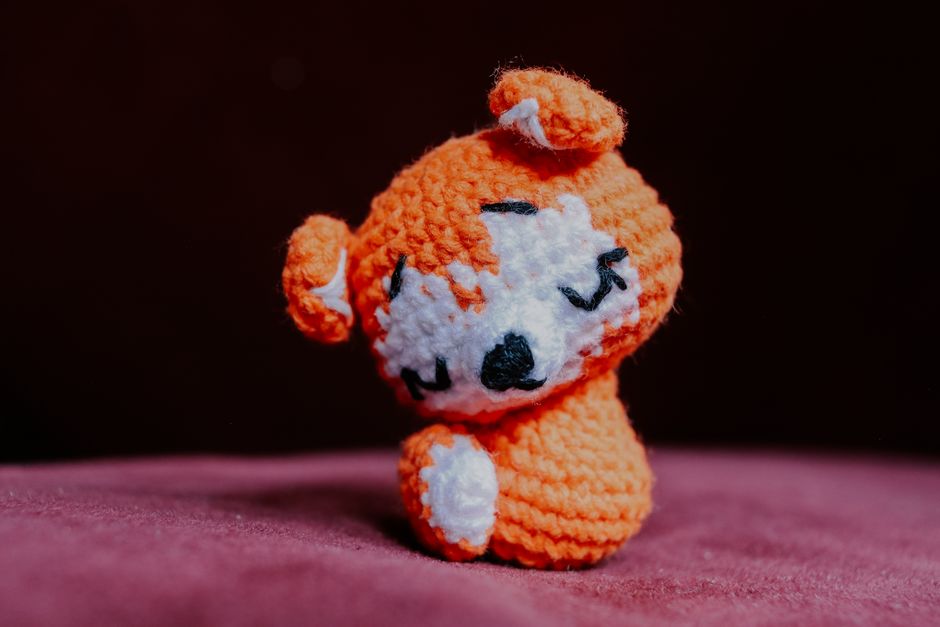
For fur-like textures, many crocheters use specialized fuzzy or eyelash yarns, brush out standard yarn to create a fuzzy effect, or employ needle felting techniques over a crocheted base. Silk or bamboo blends can create a smooth, skin-like appearance for dolls and human figures, while cotton provides a crisp stitch definition ideal for structured objects. For projects requiring larger, softer textures, information on Chunky Blanket Yarn: Complete Guide for 2026 might also be helpful for understanding yarn properties.
Thread weight is equally important. Using smaller hooks and thinner yarns creates tighter stitches and allows for finer detail work. Many realistic amigurumi artists work with crochet thread rather than standard yarn, particularly for small features like eyes, noses, and fingers. This precision enables them to create incredibly detailed pieces that capture subtle nuances.
Safety eyes and noses can work for some projects, but truly realistic amigurumi often requires hand-sculpted or embroidered features. Glass eyes designed for doll-making or sculpted clay elements can elevate realism significantly. The investment in quality materials pays dividends in the final appearance of your work.
Color Theory and Shading Techniques
Realistic amigurumi rarely uses solid, single colors. In nature, colors blend, transition, and vary across surfaces. Learning to incorporate multiple shades creates depth and dimension that makes your work come alive. Color gradients can be achieved through several methods: carrying multiple strands of different shades together, alternating colors in strategic patterns, or using variegated yarns.
Shading techniques borrowed from traditional art apply to crochet as well. Darker colors placed strategically can create shadows that emphasize form, while lighter highlights draw attention to prominent features. For animal faces, adding darker yarn around the muzzle and lighter tones on the bridge of the nose creates natural depth.
Consider the way light interacts with your subject. According to principles that apply across visual arts, understanding how shadows fall can inform your color placement decisions, making your amigurumi appear three-dimensional even before stuffing and shaping.
Advanced Shaping and Sculpting Methods
Creating realistic shapes requires moving beyond basic geometric forms. Thread sculpting—using yarn and a needle to pull and shape the stuffed piece after construction—is essential for adding definition to faces, creating muscle tone in limbs, or forming natural body contours. This technique allows you to create cheekbones on a face, define paw pads on an animal’s foot, or shape fingers on hands.
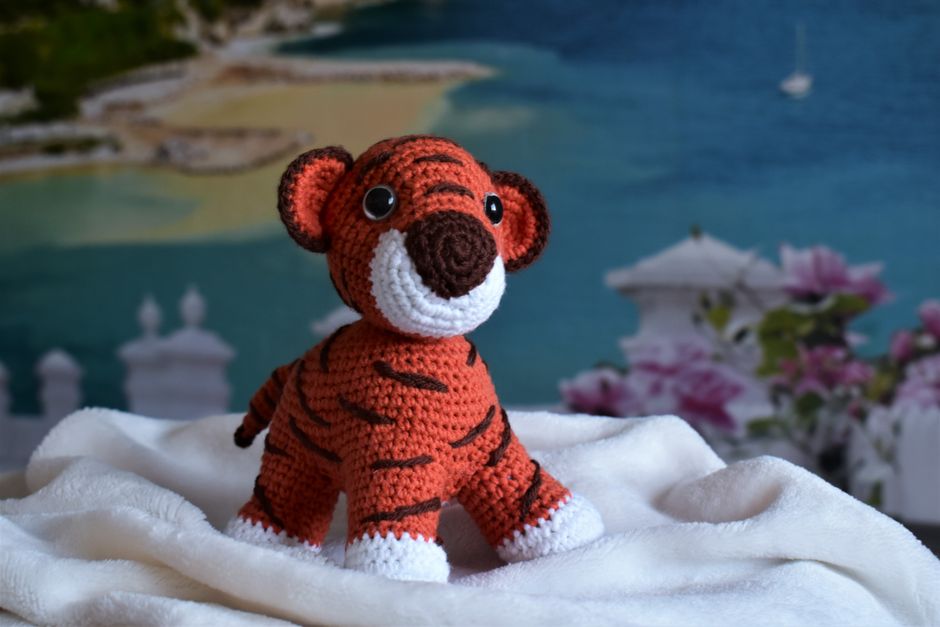
Wire armatures inserted into limbs and bodies enable poseable amigurumi that can be arranged in natural positions. A dog sitting with weight distributed realistically or a doll with bendable joints appears more lifelike than a rigid figure. The armature should be carefully wrapped or covered to prevent wire from eventually poking through the fabric.
Partial stuffing techniques also contribute to realism. Not every part of an amigurumi needs to be firmly stuffed. Lighter stuffing in certain areas creates natural drape and movement, particularly in ears, tails, or clothing elements. Strategic stuffing placement helps achieve natural proportions rather than the uniformly plump appearance of traditional amigurumi.
Understanding anatomy is crucial. Whether creating animals or people, knowing the underlying skeletal and muscular structure helps you place features correctly and create appropriate body shapes. This knowledge, similar to what traditional artists study as referenced by Britannica’s exploration of sculpture, translates directly to three-dimensional fiber art. Even in mechanical crafts like using a Knitting Machine Double Bed Guide 2026, understanding mechanical anatomy is key to realistic results.
Detailed Finishing Techniques That Matter
The difference between good and exceptional realistic amigurumi often lies in the finishing details. Embroidered elements add dimension that crochet alone cannot achieve. Use embroidery to create individual fur texture lines, whiskers, eyelashes, or fine wrinkles. Satin stitch, stem stitch, and French knots all serve specific purposes in adding realistic details.
Needle felting over a crocheted base allows you to add color details, create smooth transitions, or build up dimensional features like noses and paw pads. This hybrid technique combines the structural benefits of crochet with the fine detail capabilities of felting.
Airbrushing or painting with fabric paint can add subtle color variations, create blushing on cheeks, or add shading that’s difficult to achieve with yarn alone. When using paint, choose flexible fabric paints that won’t crack or flake as the piece is handled.
Grooming your finished piece makes a significant difference. Brushing fuzzy yarns to create realistic fur texture, trimming yarn ends to create layered hair effects, or carefully shaping pieces with steam blocking all contribute to a polished, professional appearance. The time invested in these finishing touches transforms your work from homemade craft to artistic sculpture.
Practice, Patience, and Skill Development
Achieving realistic amigurumi isn’t an overnight accomplishment. Like developing any craft skill—whether it’s the kind of focused practice that improves hobbies that enhance overall wellbeing or the dedicated physical practice outlined in CDC physical activity guidance—mastering realistic amigurumi requires consistent practice and gradual skill building.
Start by modifying existing patterns to add realistic elements rather than attempting fully original realistic designs immediately. Replace safety eyes with embroidered ones, add color shading to a simple pattern, or experiment with thread sculpting on basic shapes. Each project teaches new skills and builds your understanding of what makes amigurumi appear lifelike.
Document your progress through photographs. This not only creates a portfolio of your developing skills but also helps you identify areas for improvement. Compare your work to reference images and note what techniques successfully created realism and which aspects need refinement.
Join communities of advanced amigurumi artists who share realistic work. Learning from others’ techniques, asking questions, and receiving constructive feedback accelerates your skill development. Many accomplished crocheters generously share their methods and insights, helping others advance their craft.
Conclusion
Yes, you absolutely can make realistic amigurumi—but it requires expanding your skills beyond basic patterns and embracing advanced techniques. Realistic amigurumi combines technical crochet proficiency with artistic sensibility, material knowledge, and meticulous attention to detail. The journey from creating simple, cute characters to crafting lifelike sculptures is challenging but immensely rewarding.
Success lies in understanding your subject through careful observation, selecting appropriate materials that enable fine detail work, mastering shaping and sculpting techniques, and investing time in finishing touches that bring your creation to life. Whether you’re working from detailed PDF patterns or developing your own designs, each project builds skills that push your work closer to true realism.
The most important factor is persistence. Your first realistic attempt may not achieve everything you envisioned, but each project teaches valuable lessons. With practice, patience, and dedication to continuous learning, you’ll develop the ability to transform yarn into remarkably lifelike creations that showcase the true artistic potential of amigurumi crochet.