
Why Winter Knitting Patterns Are Your Perfect Cold-Weather Companion
Winter Knitting Patterns offer endless possibilities for staying cozy while expressing your creativity. Whether you’re looking for quick weekend projects or ambitious seasonal makes, the right pattern can transform your winter wardrobe and home.
Top Winter Knitting Pattern Categories:
- Accessories: Hats, mittens, scarves, and cowls (2-10 hours each)
- Sweaters & Cardigans: Fair Isle, cables, and cozy pullovers (20-40 hours)
- Home Decor: Chunky blankets, pillows, and throws (15-30 hours)
- Specialty Items: Pet sweaters, legwarmers, and balaclavas (3-8 hours)
Winter knitting isn’t just about warmth – it’s about creating pieces that make the cold months feel magical. The research shows there are over 60 free winter knitting patterns available across major platforms, with collections featuring everything from simple scarves to complex Nordic yoke sweaters.
But here’s the thing: jumping into winter knitting without the right knowledge can lead to frustration, wasted yarn, and unfinished projects gathering dust in your craft room.
I’m Sonja Huerta, and while I’m newer to yarn crafts, I’ve found that Winter Knitting Patterns require specific considerations that differ from other seasonal projects. My detail-oriented approach has helped me steer the learning curve of choosing appropriate yarn weights, managing bulky fibers, and creating pieces that actually keep you warm.
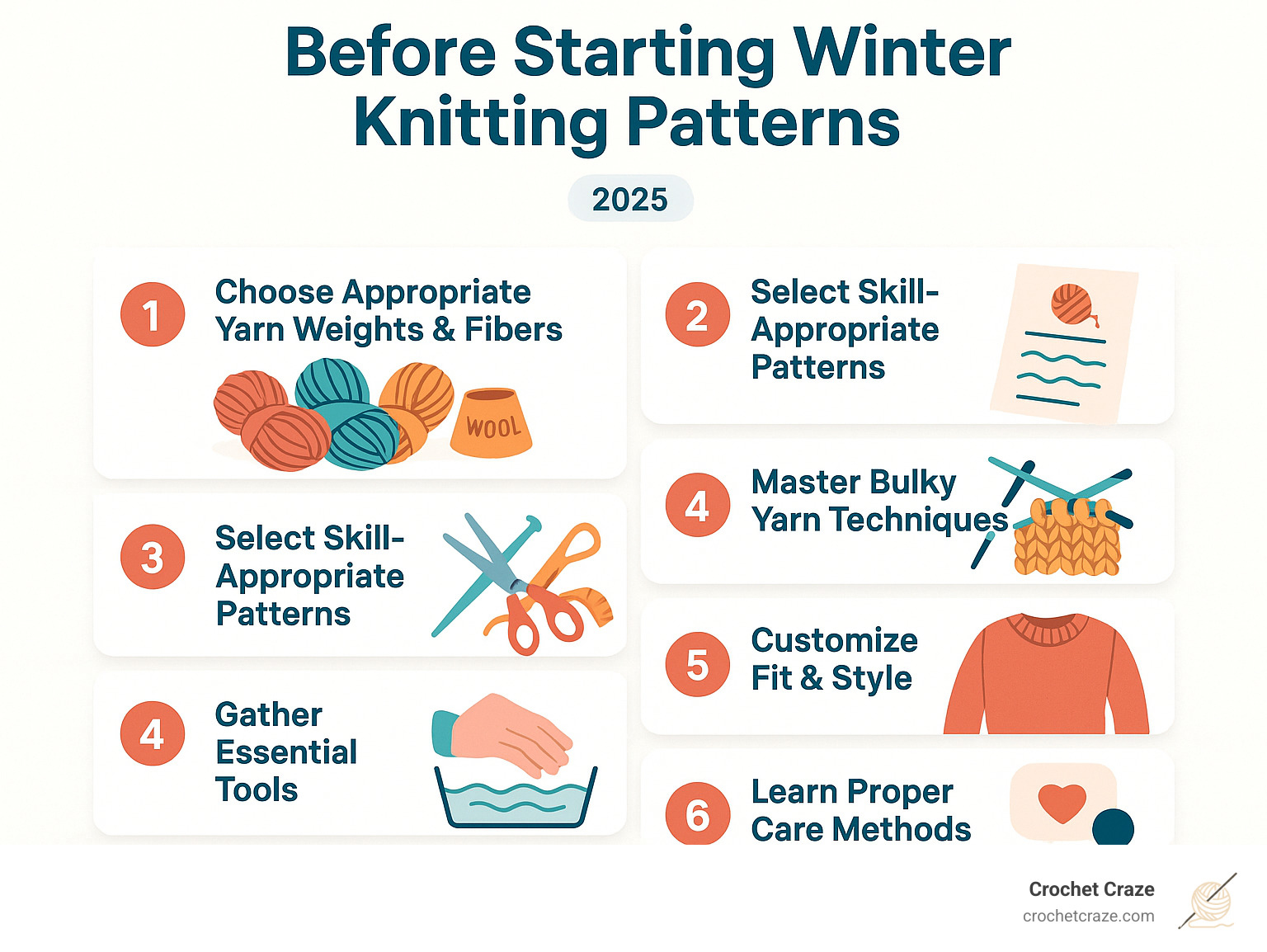
Winter Knitting Patterns basics:
1. Choose the Right Fibers & Yarn Weights
Picture this: you’ve spent weeks knitting the perfect winter sweater, only to find it’s scratchy, too warm indoors, or doesn’t actually keep you cozy outside. The secret to avoiding this heartbreak? Starting with the right fiber and yarn weight from day one.
Your yarn choice literally makes or breaks your Winter Knitting Patterns. Think of fiber as the foundation of your cozy winter wardrobe – get this right, and everything else falls into place beautifully.
Why Fiber Matters in Winter Knitting Patterns
When winter winds start howling, your handknits need to work as hard as you do. Thermal value isn’t just fancy talk – it’s what keeps you warm when temperatures drop.
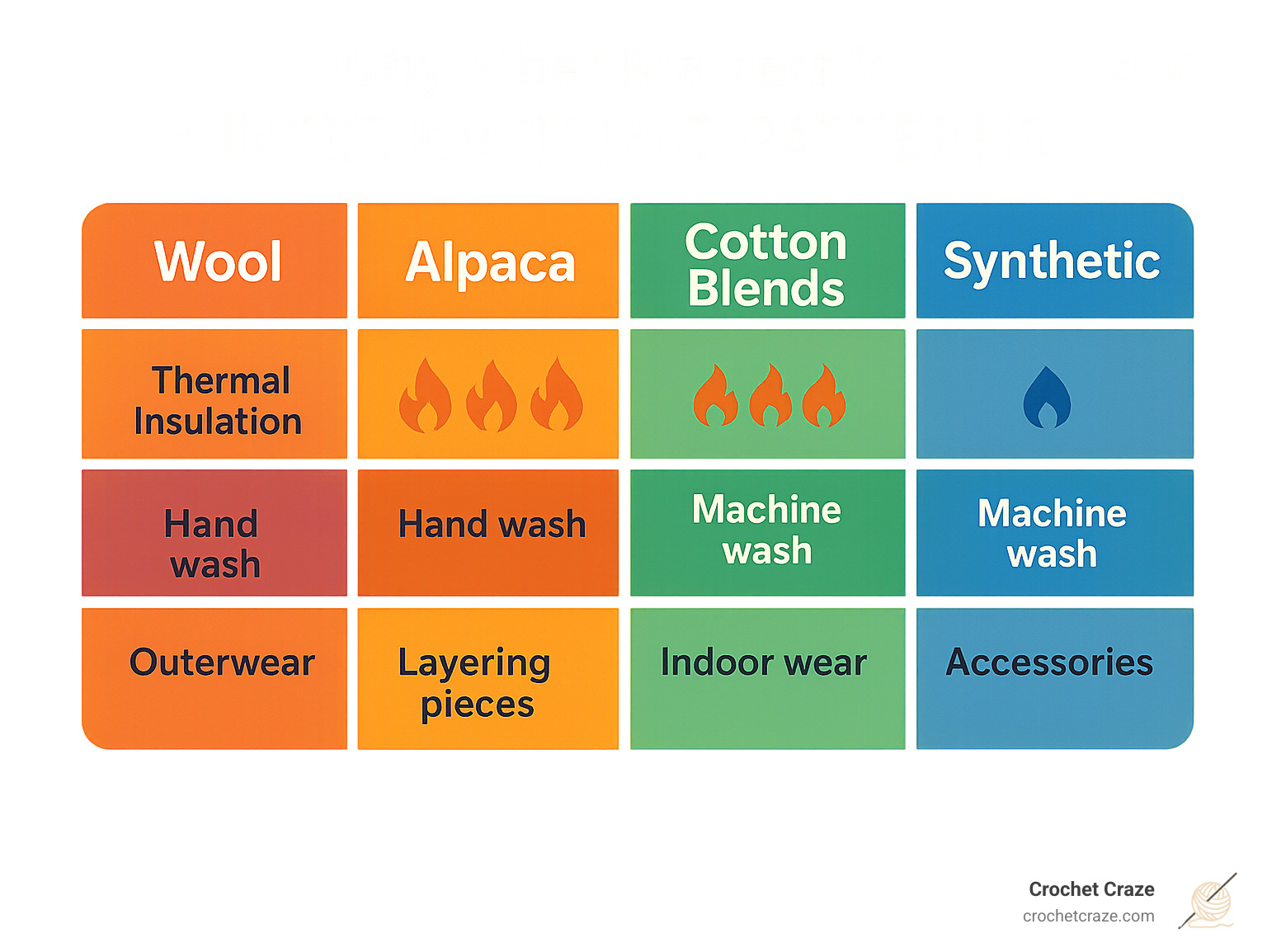
Wool remains the champion of winter fibers for good reason. Those tiny scales on wool fibers trap air, creating natural insulation that keeps you toasty. Plus, wool has this amazing ability to wick moisture away from your skin, so you stay comfortable even when you’re active.
If you’ve sworn off wool because it makes you scratch, merino wool might change your mind completely. It offers all the warmth without the scratchiness that turns people away.
Alpaca blends deserve special mention here. They’re lighter than pure wool but incredibly warm, making them perfect for those chunky scarves and cozy sweaters that don’t weigh you down.
For knitters with sensitive skin, cotton-wool blends offer a middle ground – you get breathable warmth that’s perfect for indoor wear without any irritation.
Weight Guide for Seasonal Projects
Matching yarn weight to your project type transforms good knits into great ones. Lace weight yarns create those delicate winter shawls that add just enough warmth for layering.
DK weight hits that sweet spot for sweaters – it creates lovely drape while maintaining real warmth. Most DK patterns give you around 21-24 stitches per 4 inches, making them manageable for intermediate knitters.
Worsted weight earns its reputation as the workhorse of winter knitting. Most traditional sweater patterns use this weight because it balances everything perfectly – warmth, wearability, and reasonable knitting time.
When you want those satisfying super bulky projects that work up quickly, chunky yarns deliver instant gratification. A thick ribbed beanie can be finished in just a couple of hours, making them perfect for last-minute gifts.
For more guidance on working with substantial yarns, our chunky knit blanket yarn resource walks you through all the details.
2. Picking Winter Knitting Patterns That Match Your Skill Level
One of our biggest findings in winter knitting is that ambitious Winter Knitting Patterns can quickly become overwhelming if they don’t match your current abilities. The research reveals collections like the acclaimed Knits About Winter feature 12 patterns ranging from simple accessories to complex garments – but knowing which ones suit your skills saves time and frustration.
Beginner-Friendly Winter Knitting Patterns
We recommend starting with patterns labeled “easy” or “for beginners.” Simple hat patterns using basic knit and purl stitches can be completed in an evening. These projects teach fundamental skills like working in the round, basic increases and decreases, and gauge awareness.
Our easy knit hat tutorial walks through these basics step-by-step. The beauty of starting with accessories is that mistakes are less costly in both time and materials.
Beginner-friendly winter accessories include:
- Chunky ribbed beanies: 2-3 hours of knitting time
- Simple scarves: Straight knitting with potential for color experimentation
- Basic mittens: Introduction to working with double-pointed needles
- Cowls: Quick satisfaction with minimal shaping required
Level-Up Projects With Texture & Color
Once you’ve mastered the basics, Winter Knitting Patterns offer exciting opportunities to expand your skills.
Cable patterns add incredible texture and visual interest. These techniques create both warmth and style in sophisticated winter pieces.
Fair Isle knitting and Nordic colorwork transform simple stockinette into heirloom-quality pieces. These techniques require managing multiple yarn colors but create those classic winter sweater looks we all admire.
Top-down construction allows for fitting adjustments as you go – perfect for gifting when you’re not sure about exact measurements.
3. Essential Tools & Ergonomic Setup
Winter knitting often involves longer sessions and heavier yarns, making your tool selection and workspace setup crucial for both comfort and success. Investing in quality tools upfront prevents frustration and potential injury down the line.
Must-Have Accessories for Cold-Weather Projects
Circular needles prove indispensable for winter knitting. They distribute the weight of heavy projects across the cable rather than concentrating it at needle tips. Bamboo needles work particularly well for beginners because they’re lightweight and provide good grip.
Stitch markers become essential when working complex patterns. For winter colorwork and cable patterns, these small tools prevent major mistakes.
Row counters help track progress through lengthy pattern repeats common in winter sweaters and afghans. Whether you prefer mechanical clickers or smartphone apps, consistent counting prevents the heartbreak of finding errors rows later.
Gauge checkers and measuring tapes ensure your finished pieces actually fit. Winter garments need room for layering, making accurate measurements even more critical than summer knits.
Quality scissors for cutting yarn cleanly, and mix needles for weaving in ends complete your basic toolkit. Project bags keep everything organized and protect your work from pets, children, and coffee spills.
For those interested in structured garments, our garter stitch sweater guide demonstrates how proper tools make even simple techniques shine.
4. Pro Tips for Bulky & Chunky Yarn Success
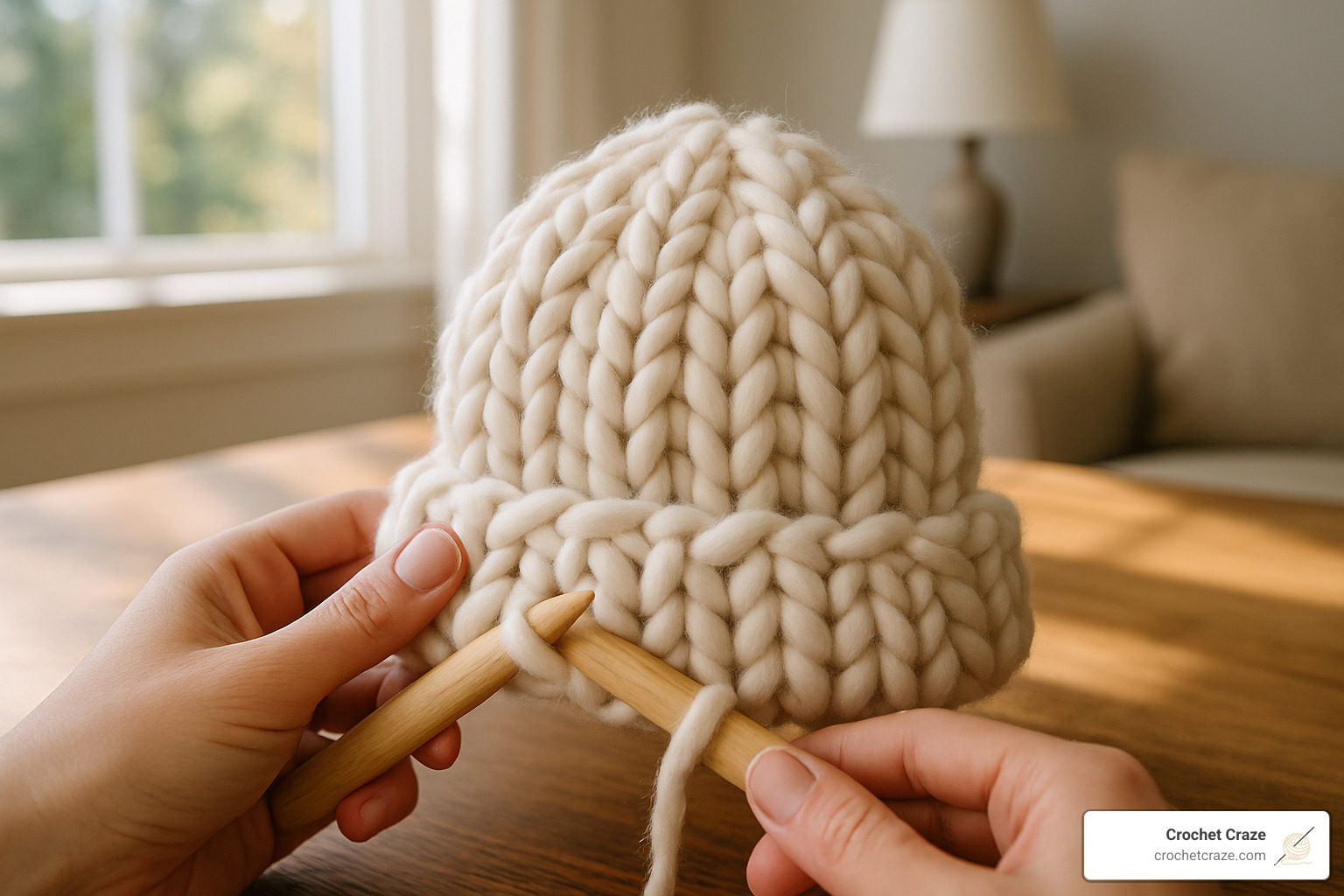
Working with chunky yarns feels like knitting with rope when you first start – but once you get the hang of it, these substantial fibers create the most satisfying Winter Knitting Patterns you’ll ever make. The secret lies in adjusting your approach rather than fighting against the yarn’s natural characteristics.
The biggest mistake we see knitters make is treating bulky yarn like worsted weight. Your hands will cramp, your stitches will look uneven, and you’ll wonder why everyone raves about chunky knits.
Loose tension becomes your best friend with chunky yarns. The thickness already provides warmth and structure, so you don’t need to knit tightly. Think of it as gently guiding the yarn rather than wrestling it into submission.
Large needles might feel awkward at first, but they’re essential for proper stitch formation. Using needles too small for your yarn weight creates dense, stiff fabric that defeats the purpose of cozy winter knitting.
Managing the weight of your project becomes crucial as it grows. A chunky blanket can feel like you’re knitting with a small anvil! Support your work on a table or use a pillow in your lap to bear the weight.
Avoiding Hand Fatigue With Heavy Yarn
Chunky yarn knitting is like doing gentle strength training for your hands – manageable in short bursts, but exhausting if you overdo it.
Regular breaks aren’t just nice to have – they’re necessary. We recommend the 20-20-20 rule: every 20 minutes, look at something 20 feet away for 20 seconds while doing some hand stretches.
Bamboo needles make a real difference with heavy yarns. They’re significantly lighter than metal needles, and when you’re already managing thick yarn, every ounce matters.
Quick-Finish Gift Ideas Using Bulky Yarns
Here’s where chunky yarns really shine – they create impressive gifts in record time. One-evening cowls using chunky yarn look incredibly sophisticated while requiring minimal skill. Chunky ribbed beanies remain the ultimate quick gift, taking only 2-3 hours to complete.
For more inspiration with substantial yarns, our easy knit purl blanket pattern demonstrates how basic stitches create stunning results when you let chunky yarn do the heavy lifting.
5. Customizing Fit, Style & Using Up Your Yarn Stash
One of the most rewarding aspects of Winter Knitting Patterns is making them truly your own. The best winter knits aren’t just warm – they’re pieces that reflect your personal style and make smart use of the yarn you already have on hand.
The beauty of winter knitting lies in its flexibility. Unlike summer garments that need precise fit, winter pieces often benefit from a relaxed approach. This gives us room to experiment with top-down adjustments and short-row shaping without the pressure of achieving skin-tight precision.
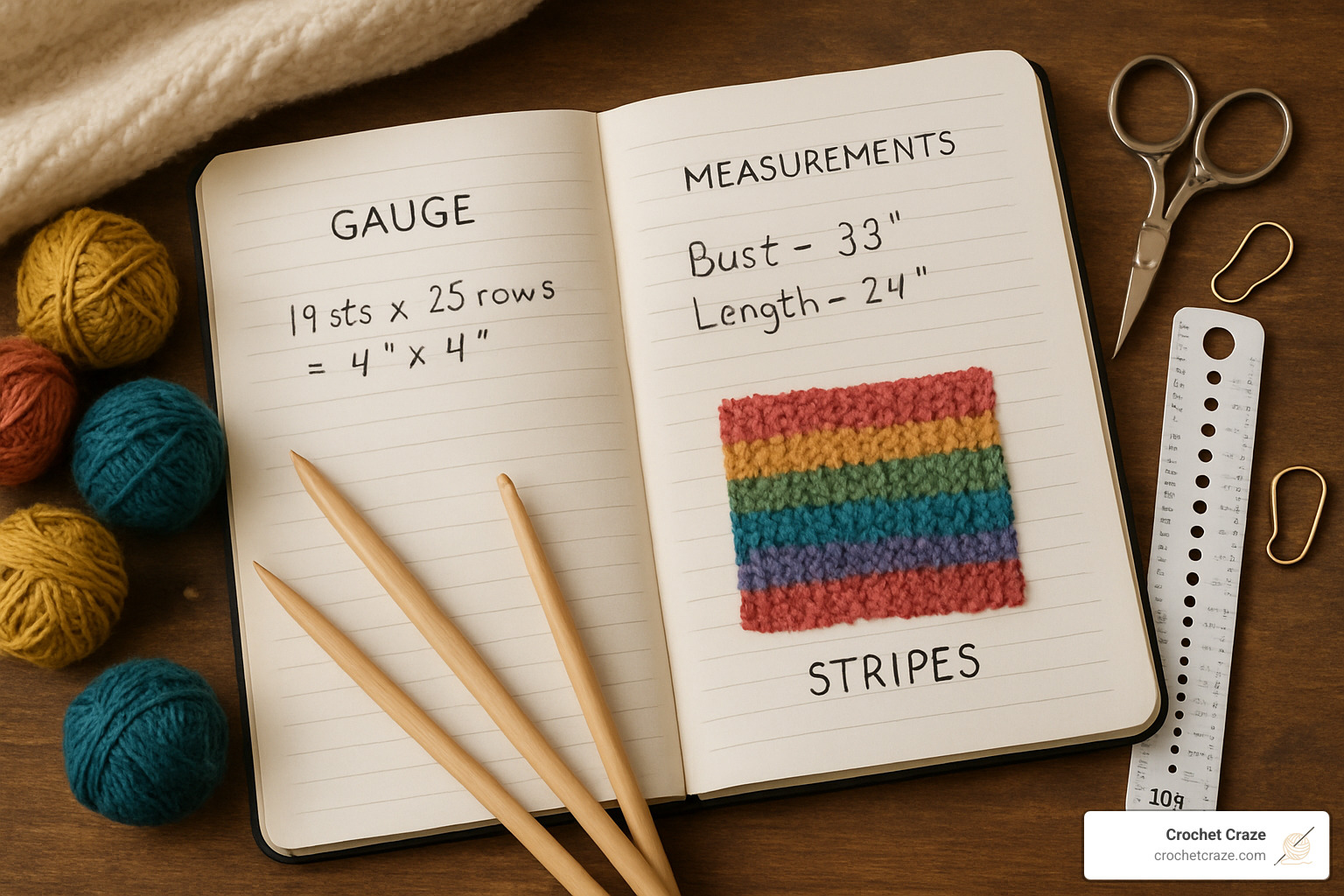
Turning Scraps Into Stylish Winter Knitting Patterns
Your yarn stash holds hidden treasures just waiting to become something wonderful. Marled stripes create incredibly rich, complex colors by simply holding two different yarns together. This technique transforms those partial skeins that aren’t quite enough for a full project into something magical.
Color-block hats offer another fantastic way to use up odds and ends. The key is maintaining consistent gauge across different yarns. Mittens from leftovers represent the perfect marriage of practicality and creativity.
Adding Personal Touches
The difference between a handmade piece and a truly special one often comes down to the details. Button choices can completely transform the personality of a cardigan or accessory. Embroidery adds charm without requiring advanced knitting skills. Length tweaks prove especially important in winter garments, and top-down construction becomes your best friend here.
6. Caring for Finished Winter Knits & Overcoming Common Challenges
Creating beautiful Winter Knitting Patterns is only half the battle – proper care ensures your handknits last for years. Winter pieces face unique challenges from frequent washing, storage issues, and the stress of heavy wear.
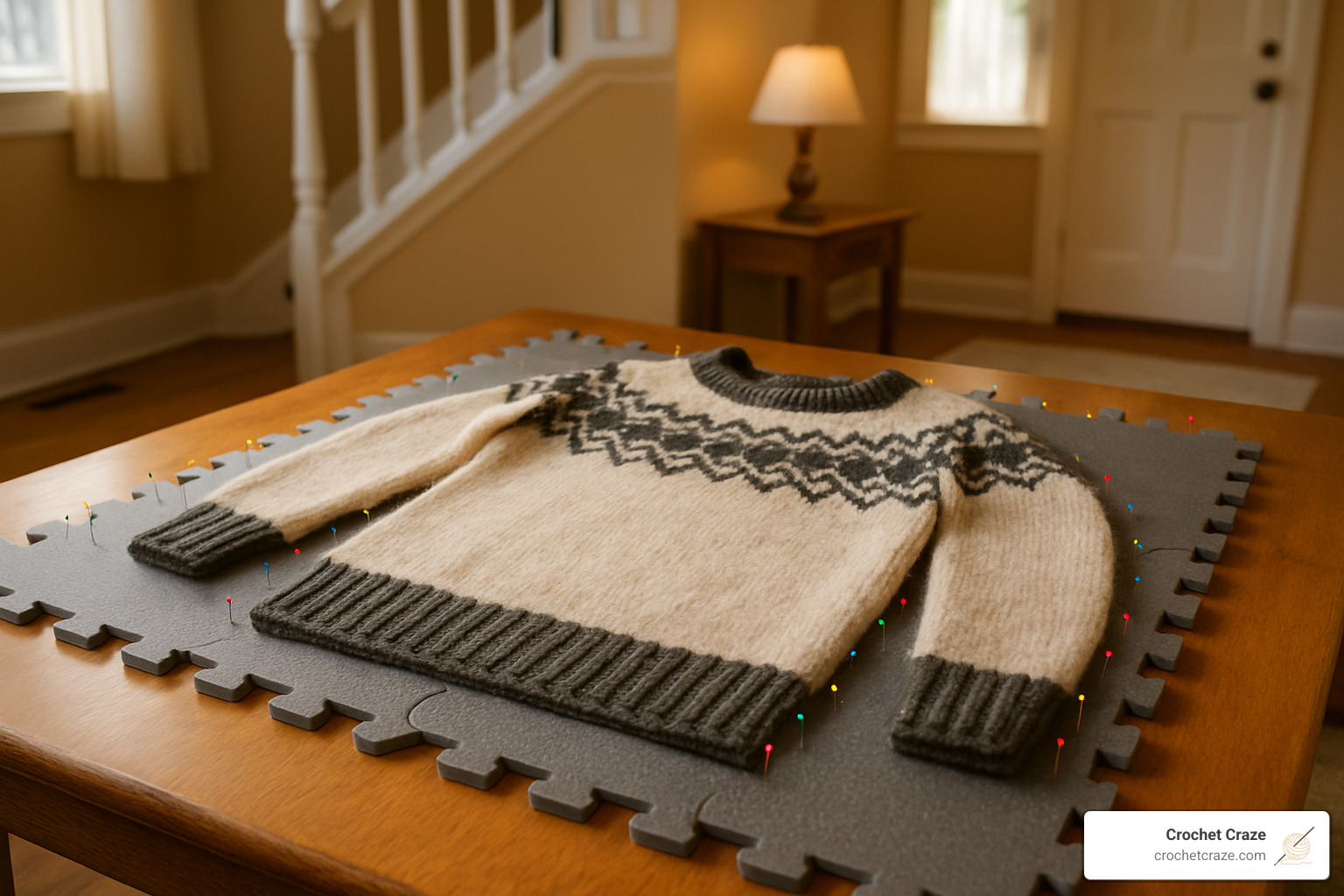
Washing your winter knits requires a gentle approach. We recommend hand washing in cool water with wool-specific detergent. The key is supporting the garment’s weight when wet – never wring or twist your precious handknits.
Blocking transforms good knitting into great knitting, especially for winter pieces featuring cables or colorwork. Lay your damp garment flat on blocking mats, gently stretching to measurements.
Storage becomes critical during off-seasons. Clean garments thoroughly before storing, as moths love dirty wool. Cedar blocks work better than mothballs and smell infinitely better.
Troubleshooting Winter Knitting Patterns Issues
Even experienced knitters encounter challenges, and winter projects present their own unique set of problems.
Tight bind-off plagues many winter knitters, especially when working with bulky yarns. Using a larger needle for binding off prevents this common problem entirely.
Colorwork tension requires special attention in winter patterns featuring Fair Isle or Nordic designs. Those beautiful patterns can pucker if your floats are too tight. Think of it as giving your stitches room to breathe.
Dropped stitches in bulky yarn can feel like a disaster, but they’re actually easier to fix than you might think. Keep a crochet hook in your toolkit specifically for rescuing dropped stitches in chunky projects.
7. Community, Inspiration & Staying Motivated Through Winter
Those long winter evenings can make knitting feel like a solitary pursuit, especially when you’re stuck on a tricky cable section or wondering if your gauge is completely off. Connecting with fellow knitters transforms winter crafting from isolated struggle into shared journey.
The magic happens when you realize thousands of other knitters are working through the same challenges you face. That dropped stitch in your fair isle? Someone else figured out how to fix it.
Where to Find Ongoing Inspiration
Ravelry groups have become our go-to resource for everything Winter Knitting Patterns. These online communities provide round-the-clock access to knitting wisdom, pattern modifications, and encouragement when motivation dips.
YouTube tutorials bridge that frustrating gap between written instructions and actually understanding what your hands should be doing. When patterns mention complex techniques, video tutorials show you exactly how stitches should look and move.
Knit-alongs (KALs) create shared excitement around specific patterns or themes. Joining a winter-themed KAL means you’re not alone when that Nordic colorwork gets confusing.
Local knitting guilds offer something digital connections can’t – hands-on help and immediate feedback. Many guilds organize winter charity projects, combining skill building with community service.
For additional winter crafting inspiration that complements your knitting projects, explore our winter crochet resources, which offer techniques and ideas that often translate beautifully between crafts.
Giving Back With Unique Winter Projects
Winter knitting takes on deeper meaning when your projects serve others. Charity knitting multiplies the warmth your hands create – those extra hats and mittens become lifelines for people facing winter without adequate clothing.
Pet sweaters represent some of the most heartwarming Winter Knitting Patterns we’ve encountered. These whimsical projects often generate the most joy and conversation while serving a genuine need.
Frequently Asked Questions about Winter Knitting Patterns
When you’re diving into Winter Knitting Patterns, certain questions come up again and again. We’ve gathered the most common concerns from fellow knitters and provided practical answers.
How do I choose the best yarn for sub-zero temperatures?
When the temperature drops below freezing, your yarn choice becomes critical for actual warmth. Wool or alpaca blends with at least 50% natural fiber content give you the best protection against extreme cold.
Wool provides superior insulation because it traps air between its fibers, creating natural warmth. Alpaca offers similar benefits while being lighter weight and less scratchy for sensitive skin. These natural fibers also wick moisture away from your body.
Look for yarns specifically labeled for outerwear projects. If you can’t find heavy enough yarn for your needs, consider double-stranding lighter weight yarns.
Are there quick winter projects suitable for absolute beginners?
Yes! Some of the most satisfying Winter Knitting Patterns are actually perfect for newcomers. Chunky ribbed beanies top our list because they can be completed in just 2-3 hours and use basic knit and purl stitches.
Simple scarves using garter stitch require only the knit stitch, making them ideal first projects. Cowls worked in the round introduce you to circular knitting without complex shaping requirements.
The key is choosing projects that match your current skill level rather than jumping into ambitious sweater patterns right away.
What’s the easiest way to fix a mistake in bulky yarn?
Prevention works much better than correction with bulky yarns. Use stitch markers frequently and count your stitches at the end of every few rows rather than waiting until you notice something looks wrong.
When mistakes do happen, carefully unknit stitch by stitch. Resist the urge to rip out multiple rows at once. The thickness of bulky yarn makes it nearly impossible to pick up dropped stitches cleanly.
Conclusion
What a journey we’ve taken through the wonderful world of Winter Knitting Patterns! From selecting the perfect wool blend to troubleshooting colorwork tension, we’ve covered everything you need to transform cold winter evenings into productive, creative sessions.
The beauty of winter knitting lies not just in the finished pieces – though there’s nothing quite like wrapping yourself in a handknit sweater during a snowstorm – but in the process itself. Those rhythmic needle clicks create a meditative space where stress melts away and creativity flows freely.
We’ve seen how choosing the right fibers makes all the difference between a scratchy disappointment and a cherished heirloom. Alpaca blends for lightweight warmth, chunky wools for quick satisfaction, and DK weights for perfectly draped sweaters each serve their purpose in your winter knitting toolkit.
Every knitting master started exactly where you are now. Those intimidating Fair Isle patterns and complex cable designs become achievable as you build confidence with simpler projects. Start with that chunky ribbed beanie we talked about – in just a few hours, you’ll have both a warm hat and proof that you can create beautiful things with your own hands.
The community aspect of winter knitting brings unexpected joy. Whether you’re participating in online knit-alongs, sharing progress photos, or knitting charity items for local shelters, your needles connect you to a worldwide network of generous, creative people.
Winter projects offer unique rewards too. There’s something deeply satisfying about creating exactly what you need when you need it most. That custom-fit sweater with the perfect sleeve length, the cozy throw that matches your living room perfectly, or the matching mittens that actually stay on your child’s hands – these are the victories that make winter knitting addictive.
At Crochet Craze, we’re passionate about supporting your crafting journey through every season. Our patterns category continues growing with new inspiration to keep your needles busy long after winter ends.
So grab your favorite yarn, settle into your coziest chair, and let those Winter Knitting Patterns work their magic. Each stitch you create adds warmth to the world – both literally and figuratively. Stay cozy, keep creating, and remember that the best winter accessory is always the one you made yourself!