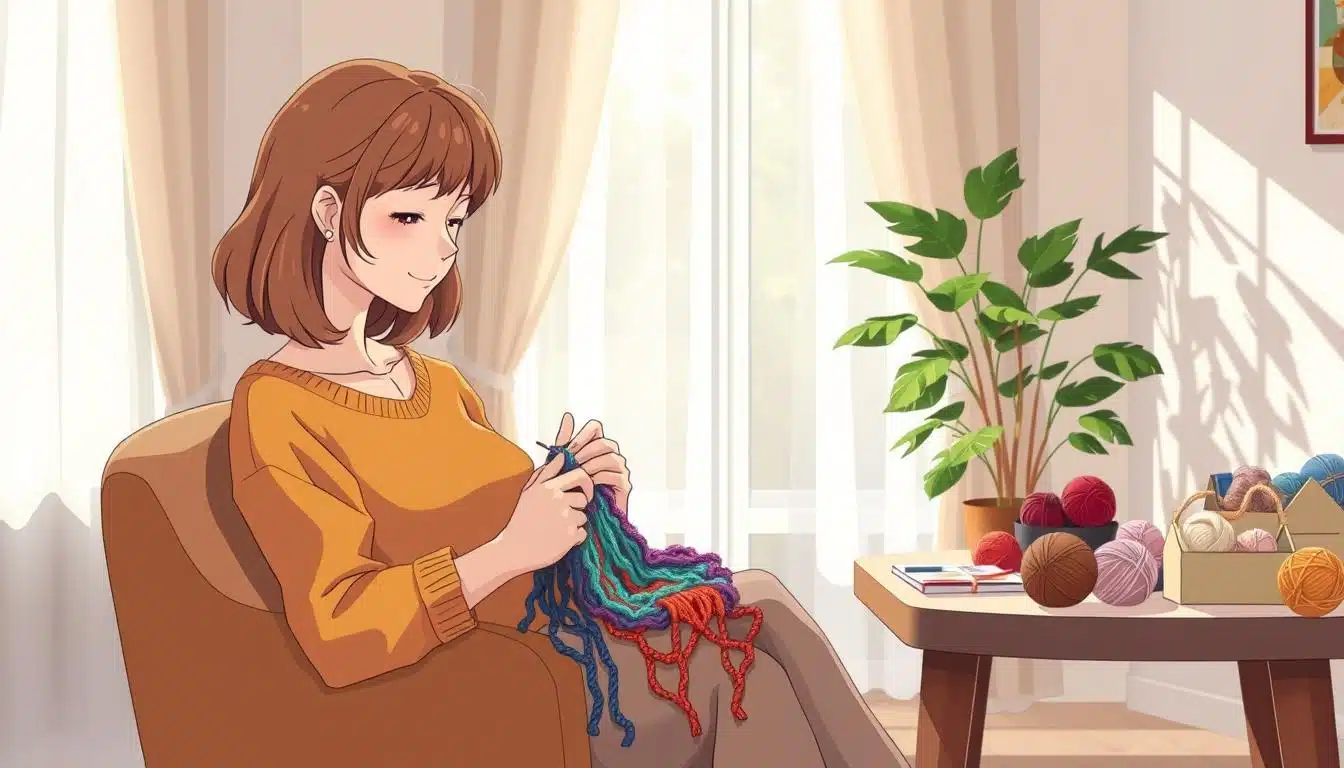
You’re invited to a gentler kind of protest. Quiet activism knitting combines calm craft with a clear purpose. It uses craftivism and slow activism to make change quietly.
Sarah Corbett and the Craftivist Collective see needlework as a form of slow, joyful activism. They believe small, thoughtful stitches can open doors. Betsy Greer coined the term craftivism in 2003 to describe creative actions that deepen compassion and push for justice.
Knitting for change works for both solo and group efforts. You can knit alone to calm your mind or with others to spark conversations. Images on Instagram helped the Craftivist Collective grow from local meetups to projects in the U.S., Canada, France, Spain, and New Zealand.
In this article, you’ll find practical steps, friendly guidance, and tips for building community. For a clear example of gentle activism in action, read Sarah Corbett’s thoughtful account on Transition Culture.
Key Takeaways
- Quiet activism knitting uses small, intentional stitches to start conversations.
- Craftivism and slow activism prioritize reflection over spectacle.
- The Craftivist Collective shows how images and social sharing spread projects worldwide.
- Knitting for change supports mental focus and builds gentle, strategic campaigns.
- You can begin alone or in a group; both paths lead to meaningful community action.
What is Quiet Activism Knitting and Why It Matters
You might have seen a colorful square on a fence or a scarf on a bench. Quiet activism knitting is about small, handmade acts that start conversations. It’s about using craft to make a point in a kind and thoughtful way.
Definition and origins of craftivism
Definition craftivism started with Betsy Greer in 2003. It’s a mix of creativity and civic action. Sarah Corbett and the Craftivist Collective made it a movement of gentle yet powerful actions.
They encourage quiet change through small gestures and stitched messages. This approach invites everyone to participate in a peaceful way.
How knitting fits within the broader quiet activism movement
Knitting activism uses the calm of stitches to send messages. It’s about building relationships and making a difference quietly. It’s not about being loud, but about being present and persistent.
Knitting can be a tool for change without confrontation. Start with simple projects that carry a message. Share them one at a time to spark conversations.
Historical precedents: suffragette banners, Gandhi’s spinning wheel, and more
The history of craftivism is rich. Suffragette banners and Gandhi’s spinning wheel show how textiles can be political. They tell stories and rally people.
Quiet protests have a long history of using making and mending as dissent. The Craftivist Collective has brought this tradition into the modern world. Events and high-profile moments show knitting’s power in global conversations.
- Why it matters: small actions open doors for dialogue.
- Why it works: gentle tactics reduce defensiveness and invite curiosity.
- Why you’ll like it: it fits introverts, busy people, and those seeking steady commitment.
For a look at how crafting helps with mental health, check knitting for mental health. It combines self-care with activism.
The Philosophy Behind Gentle, Slow, and Intentional Activism
Quiet craft actions are based on clear ideas. They involve small, repeatable acts that encourage reflection. This approach moves from loud protest to thoughtful presence, aiming for honest conversation, not confrontation.
Principles of slow, gentle, joyful activism as practiced by Craftivist Collective
Working with care is key. Slow stitching allows for deep thinking about messages. The Craftivist Collective philosophy promotes projects that are both meditative and kind. This approach fits hands and hearts into civic life.
Keep projects simple. Use clear language on tags. Choose colors with purpose. Invite people to pause, read, and respond. Small rituals build trust.
Why intentional, small-scale actions can be strategically effective
Small actions cut through noise. A handwritten note or a stitched square can open doors that rallies cannot. You reach targets with curiosity, not accusation.
- Set a clear aim before you pick a craft.
- Match the tone to the audience you want to reach.
- Use gentle activism to create calm entry points for hard talks.
Ethical considerations: being helpful not harmful
Ask who benefits from your work. Sarah Corbett teaches that ethics matter more than volume. Ethical craftivism means checking impact, not just intent.
Be honest about limits. Sometimes a march or petition is the right tool. Craft can soften a message, not erase difficult truths. When you choose craft, aim to build bridges, not walls.
Benefits of Handcrafting for Activists: Mental Health and Focus
You’re probably juggling screens and messages all day. Handcrafting offers a break. It lets your brain slow down with quiet, repetitive stitches.
Repetitive stitching as a form of digital detox and attention restoration
Handwork like knitting or crochet can pull you away from screens. It’s a chance to breathe and notice the world around you.
When you focus on a stitch, your mind calms. This calm helps you plan better, without rushing.
Evidence and expert observations on crafting reducing anxiety and improving focus
Studies show hand embroidery lowers anxiety and depression. Experts say yarn work is meditative. It helps people relax and think more clearly.
Makers share their stories. They say crafting improved their focus and strategy. This led to more effective activism.
How craft supports sustained engagement and avoids activist burnout
Crafting gives you small wins. Each piece you make sparks conversations. It makes advocacy feel more real.
Regular crafting prevents burnout. It boosts your resilience. You’ll return to activism with more energy.
- Practical tip: Set a weekly stitch time to combine social planning with quiet making.
- Practical tip: Use simple projects as a warm-up before meetings to sharpen focus.
- Practical tip: Share finished pieces to build connection without debate.
Quiet Activism in Practice: Projects and Tactics That Work
You can make a big impact with small stitches. Start with tiny, easy projects that make people think and talk quietly. These ideas are great for beginners and experts alike. They start conversations without being loud.
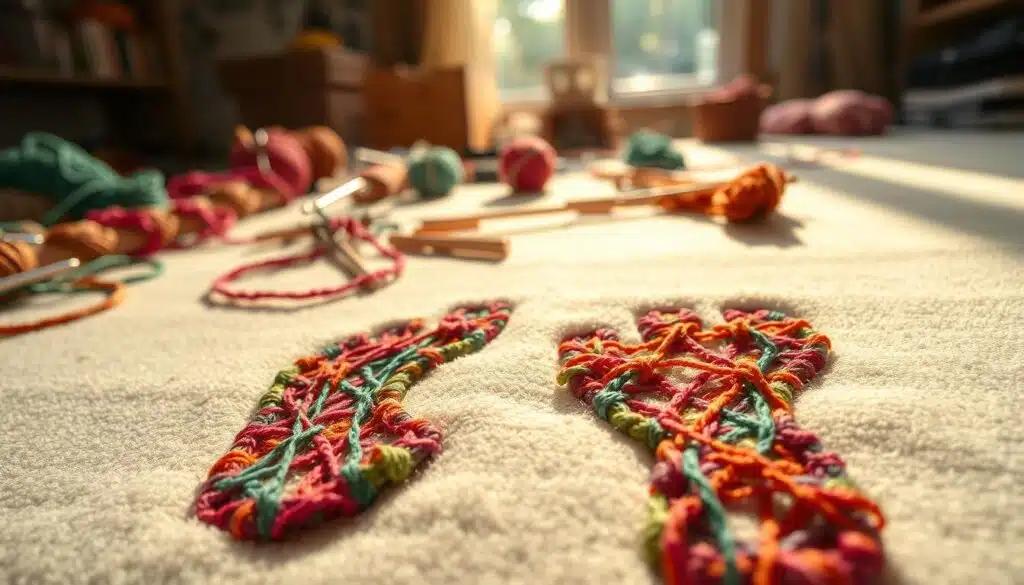
Fabric footprints and personal reminders to live intentionally
Fabric footprints are small, stitched pieces meant for daily life. Making one slowly makes you think about your values and choices. Keep one near your keys, in a journal, or by your workspace.
Use simple materials like scraps and natural fibers. Choose a clear word or symbol. Repeat the same stitch to build calm and focus. Over time, these small objects remind you to act with care.
Small guerrilla craft installations and provocations for public conversation
Guerrilla knitting works best when it surprises with gentleness. Wrap a park bench armrest with a neat sleeve. Leave tiny embroidered tags on community noticeboards. Each piece invites a passerby to pause and ask why.
Plan modest placements, respect public rules, and avoid damage. Document with photos for social sharing. Craftivist projects that are tidy and tasteful gain attention without antagonism.
Handmade gifts to influence stakeholders — the story of the MP handkerchief
An activist handkerchief story shows how a delicate gift can open doors. Corbett embroidered a message on a handkerchief and gave it to a local MP after petitions failed to get a reply. The gesture softened the tone and led to a real conversation.
Use thoughtful wording. Wrap the piece and add a short note explaining your intent. Small, well-made keepsakes turn friction into rapport. They make it easier for decision-makers to listen.
- Keep pieces small and skillful. They read as care, not spectacle.
- Choose locations that encourage reflection, not obstruction.
- Make one to give and one to keep; one sparks action, the other keeps the memory.
Building Community Through Knitting Circles and Craft Workshops
Imagine walking into a room filled with yarn and needles. The atmosphere is relaxed. It’s a space where shy people can open up while they knit.
Craft workshops are special. They start with a quick lesson and then ask a thoughtful question. This mix of learning and reflection is powerful.
Meetings should be laid-back. People sit in small groups. There’s a bowl of extra needles and printed prompts. It’s okay to make mistakes, which encourages everyone to join in.
These gatherings are happening all over the world. From the U.S. to Spain, people are using knitting to talk about important issues. It’s a way to share ideas without feeling too exposed.
Here’s what makes a session successful:
- Simple project: basic knit or backstitch
- One reflection prompt tied to your issue
- Clear, doable next step for attendees
- Low-pressure rules: listen, try, support
You can team up with local groups or libraries. This helps spread the word and makes crafting a part of community work. Small steps can lead to big changes.
There are stories of knitting nights turning into regular places for discussion and learning. It’s like passing on skills through watching and doing. For more on knitting clubs and their role in politics, check out this article on knitting clubs and public life.
By running workshops with purpose, you’re not just teaching crafts. You’re building networks of support. These networks can help with campaigns and make public meetings more inclusive. Keep the focus on building connections.
Strategies for Designing Effective Craft-Based Campaigns
You and your group aim for a quiet yet impactful action. Begin with a solid craft campaign strategy. Identify your target audience, desired change, and why handmade is perfect for this moment.
Setting clear goals: when to use knitting versus other activist tactics
Choose knitting for its ability to build relationships and persuade slowly. It’s great for creating lasting, tactile reminders.
For quick responses or large-scale actions, consider marches or petitions. Remember, craft is a tool, not a solution for everything.
Choosing messages, materials, and placement for maximum impact
Messages should be brief and kind. Use simple language and a clear request.
- activist materials selection: pick textiles that respect your audience and last long.
- Choose colors and designs that support your cause without pushing people away.
- Where you place your craft matters. Use quiet spots to spark interest. Mini banners at eye level can start conversations without being too loud.
Measuring influence: anecdotal wins and soft metrics for quiet activism
Measuring the impact of craft activism involves soft signs. Track workshop attendance, social media shares, and media coverage to see the effects.
- Record any invitations to work together and follow-up meetings.
- Keep track of conversations with policymakers or community leaders.
- Log any personal successes, like a handkerchief given to an MP leading to a meeting.
Combine these soft metrics with basic counts. Count participants, media coverage, and direct responses from your targets. This mix makes your craftivism efforts both meaningful and justifiable.
Social Media, Storytelling, and Scaling Quiet Craft Activism
You craft in quiet. You stitch with intention. Then you share a photo and a note about the piece’s meaning. This small act connects your offline work to a wider online conversation.
Leveraging visual platforms to amplify handmade actions
Use Instagram, Pinterest, and Facebook to show off your work. Share clear images and short captions that explain your piece’s purpose. High-quality photos can stand out in busy feeds.
Tagging groups like the Craftivist Collective or respected activists can help your work reach more people. But remember, your focus should be on the craft, not on seeking attention.
Balancing online sharing with the meditative nature of crafting
Begin by crafting offline. Use stitching as a time for reflection. When you’re ready, share one thoughtful post that shares context, not just your work.
See social platforms as tools for conversation, not just for seeking validation. This way, you can share your craft without losing its meditative value.
Examples of viral craft projects and how they spread
Projects like hand-embroidered letters and collaborative quilts go viral when people share their stories. Short narratives can spark empathy. Reposts and community hashtags help your work reach more people while keeping it grounded in your intentions.
Here are some practical tips for posting:
- Photograph pieces in natural light for clear detail.
- Write one-sentence context, then a call to gently replicate or adapt.
- Limit posting frequency so the craft remains restorative.
Use storytelling to explain your motives. Mix process shots with finished pieces. Invite others to try a small action and share their experiences.
When scaling your craft campaigns, think of it as careful replication. Encourage local groups to adapt your project for their context. Provide templates and simple instructions, not boxed kits that remove local meaning.
For a practical guide on gentle practice and how projects have spread internationally, check out craftivism resources.
| Platform | Best content | How it helps |
|---|---|---|
| Single-image stories, short captions, reels of process | Visual discovery, ideal for Instagram craftivism and community tags | |
| Step photos, pattern pins, mood boards | Longer shelf-life and inspiration for local groups | |
| Group posts, event pages, album storytelling | Community organizing and deeper discussion threads |
Quiet Activism Knitting: Practical How-To Guides and Project Ideas
Ready to make soft stitches into gentle statements? Start with simple, low-risk projects. They teach basic techniques and spark conversations. Choose one intention and let your craft guide your message.
Starter ideas
Begin with small, repetitive hand-embroidery like fabric footprints or tiny notes. These projects are great for beginners because they build confidence quickly. Use backstitch for text and a running stitch for borders.
Knitters, practice knit and purl in small swatches. Keep them palm-size. Small pieces hold big meaning and fit easily in pockets or envelopes.
- Backstitch a short phrase on a square of cotton.
- Knit a 6″x6″ garter swatch with a contrasting border.
- Create a tiny fabric footprint as a reflective prompt.
Mini banners and handkerchiefs
Mini protest banners and handkerchief embroidery are quiet actions that open doors. A neatly stitched handkerchief can be a thoughtful gift. Pair it with a note that invites conversation.
Place banners in spots that spark curiosity, not conflict. Avoid damaging property. Choose spots like community boards or park benches.
- Handkerchief embroidery: short message, neat border, washable thread.
- Mini banner: dowel rod, double-layered fabric, stitched or appliquéd text.
- Yarn alternatives: fabric strips, felt pieces, or recycled cotton for temporary displays.
Kit recommendations and materials
Look for beginner-friendly embroidery kits and clear knitting guides. Brands like DMC and Clover offer easy-to-use sets and patterns. Choose kits that clearly state the fiber content for sustainable options.
Use ethical yarn and recycled cotton. Certified wool and organic cotton align with quiet activism. Small skeins of ethical yarn are perfect for sample projects and reduce waste.
| Project | Skill Focus | Suggested Materials | Why it works |
|---|---|---|---|
| Handkerchief embroidery | Backstitch, simple lettering | 100% cotton handkerchief, embroidery floss, needle | Portable, washable, makes a calm conversation starter |
| Mini protest banner | Basic sewing, simple appliqué | Lightweight fabric, wooden dowel, cotton thread | Visible but non-invasive; easy to display and remove |
| Garter swatch with message | Knit and purl, simple seaming | Ethical yarn (small skein), US size 8 needles | Teaches fundamentals and creates tactile prompts |
| Fabric footprint token | Running stitch, small applique | Scrap fabric, embroidery thread, basic needle | Reflective, low-cost, easy to produce in groups |
Beginner tips
Start small. Keep designs under a palm’s size and attach a clear intention card. Practice basic stitches until your hands feel steady. Use each piece as a prompt for conversation, not confrontation.
When sourcing supplies, check labels and ask vendors about provenance. Ethical yarn may cost more, but it strengthens the story of your work and fits the values of quiet activism.
Engaging Policymakers and Influencers with Handmade Dialogue Tools
You can turn a tense meeting into a gentle conversation with craft diplomacy. A small, thoughtful stitch acts like a handshake. It shows you came with care, not conflict. Use this approach when you want to open doors and build rapport.
Start by learning the official’s role and priorities. Match your piece to that knowledge. Keep the artifact tiny, honest, and useful. Add contact details so the relationship can continue, just as Sarah Corbett did with the MP handkerchief example.
Follow these steps to make engaging policymakers craft work for you.
- Research duties and recent actions of the official.
- Create a simple, hand-crafted outreach item with a clear, respectful message.
- Include your name and local address so you meet constituency rules.
- Request a short meeting, noting you are a constituent or stakeholder.
When you deliver the piece, speak softly and state why you made it. A hand-crafted outreach object invites curiosity. It moves attention from accusation to dialogue. That approach helped make the MP handkerchief example into a real conversation, not a headline.
Craft diplomacy thrives on tailoring. Think about the leader’s responsibilities. For a health official, make a small square with a stitched phrase about care. For a city council member, craft a tiny banner about parks. The aim is to spark shared concern, not score points.
Here are quick do’s and don’ts that beginners can follow.
| Do | Don’t |
|---|---|
| Make a sincere, low-key piece that reflects research. | Send large, confrontational displays that feel like protests. |
| Include concise contact details and a polite meeting request. | Demand immediate policy change in the note that accompanies the gift. |
| Explain the intent calmly when you hand it over. | Use sarcasm or insults that close the conversation. |
| Adapt materials to be durable and respectful of the office. | Ignore constituency rules or protocols for contacting officials. |
Stories from Craftivist Collective show that handmade dialogue tools can help you meet leaders and influencers respectfully. Use craft as a bridge. Keep your work honest and small. Let the object carry empathy into the room.
Measuring Impact: Stories, Reach, and Long-Term Change from Craftivism
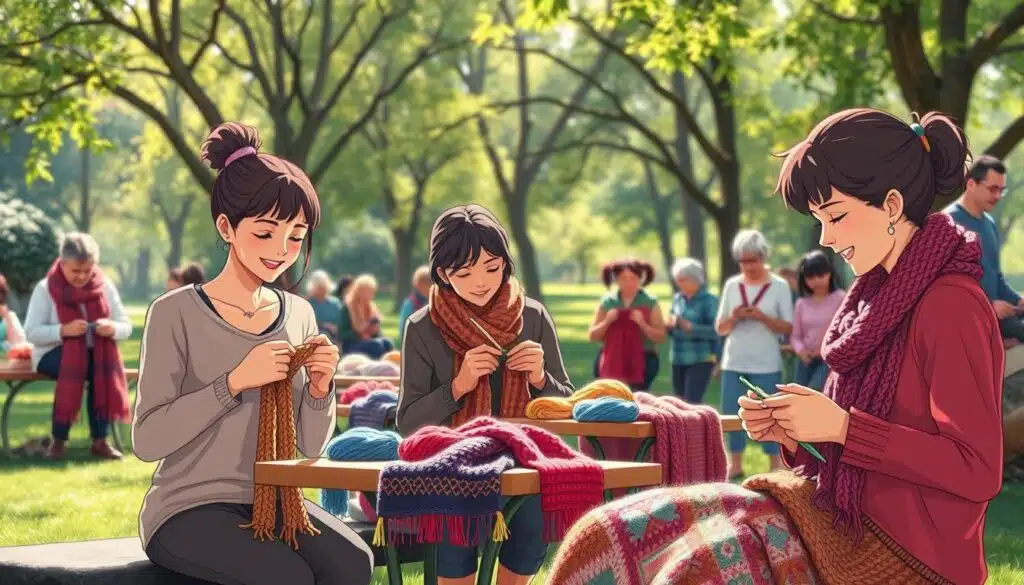
You and your group can track influence in smart, simple ways that fit the gentle pace of craftivism. Start with stories. Short, clear accounts of meetings, thoughtful gifts, and changed minds give shape to qualitative activist metrics and show how conversations grow into action.
Next, count the visible signs of reach. Note event numbers, workshop attendance, press mentions, and social engagement. These soft numbers pair well with stories when measuring activism that resists loud metrics but needs evidence to persuade partners or funders.
Look at Craftivist Collective outcomes as a mixed model. Their events in the U.K., the U.S., Canada, France, Spain, and New Zealand show geographic spread. High-profile adopters such as Christiana Figueres have raised visibility and helped scale projects through social sharing.
Use blended metrics to tell a fuller story. Combine attendee counts and workshop tallies with meeting notes, follow-up emails, and new collaborations. This approach balances craftivism impact with practical evidence you can present to stakeholders.
Make reporting friendly and useful. Share short case notes after each action. Keep a slide of key numbers for meetings. Link to an engaging resource, like a community projects roundup at knitting community projects, to show context and inspire replication.
Practical tips for day-to-day measuring activism:
- Collect 2–3 participant quotes after every event.
- Log dates, locations, and headcounts for workshops.
- Track social shares and press mentions monthly.
- Note any meetings with decision-makers or new partnerships.
When you present impact, place equal weight on meaningful exchanges and numbers. Stories explain the why. Counts show the reach. Together they make a compelling case for continued support and growth.
| Metric Type | Example | Why it Matters |
|---|---|---|
| Qualitative activist metrics | Participant quotes, meeting summaries, mindset shifts | Captures depth of change and relationship-building |
| Soft quantitative measures | Event counts, attendance, press mentions, social shares | Shows scale and helps compare activity over time |
| High-profile visibility | Adopters like Christiana Figueres, international events | Boosts credibility and expands audience reach |
| Blended outcomes | Stories + numbers + new collaborations | Provides a full picture for funders and partners |
Tips for Starting Your Own Quiet Activism Knitting Group in the United States
Ready to make a difference with your knitting? Start knitting groups in the US that are easy-going, meaningful, and open to all. Keep things simple, invite friends and neighbors, and focus on enjoying the time together, not on being perfect.
Practical first steps
- Post on library bulletin boards, local Facebook groups, and at craft stores like Michaels or Joann to recruit members.
- Pick accessible venues: community centers, libraries, church halls, or well-lit coffee shops with steady seating.
- Set clear, inclusive intentions up front. Say projects are optional and political views are respected.
craftivist meetup tips
- Open with a two-minute check-in and a simple icebreaker stitch exercise so everyone warms up.
- Use fabric footprints or a short prompt from Transition groups to spark values-based chat while you knit.
- Keep sessions short and repeatable. Word-of-mouth growth beats one-off stunts.
Collaborations and outreach
- Partner with schools, nonprofits, and Transition networks for guest speakers and space sharing.
- Offer family-friendly or teen sessions to broaden reach and welcome new skill levels.
- Share small project ideas that double as community tools—handkerchiefs, mini banners, or helping squares.
community crafting guidelines
- Write a one-page code: respect, consent for photos, and no pressure to join activism beyond crafting.
- List basic materials and any small fees clearly before meetings so no one is surprised.
- Rotate facilitators so leadership stays shared and fresh.
Safety, accessibility, and inclusive crafting
- Prioritize wheelchair access, clear signage, and parking or transit details in invites.
- Offer sensory-friendly or quiet sessions for neurodivergent members and clear info about tools used.
- Label materials for allergies and provide low-cost kit options so cost is not a barrier.
Start simple. Invite gently. Let meetings grow by listening to members and adapting. With patient steps and thoughtful community crafting guidelines, your group can be steady, warm, and effective without shouting for attention.
Conclusion
Quiet activism through knitting offers a peaceful way to make a difference. It’s about small, thoughtful actions that start conversations and build connections. The Craftivist Collective shows how small gestures can lead to big changes quietly.
Use social media to share your work but keep your craft calm. Sites like Instagram can show your quiet acts. But remember, the calm that fuels your work is just as important.
For tips, check out knitting advice online. It helps you balance sharing your work with the calm of making it.
Crafting brings people together, eases worries, and sparks new ideas. Start small by choosing a simple project and inviting a friend. These small steps can lead to big changes.
You can start crafting for change today. Just pick up your needles and choose a project with purpose. You’ll join a global community that values quiet, effective action.
FAQ
What is quiet activism knitting and how does it relate to craftivism?
Quiet activism knitting is a gentle form of craftivism. It uses small handmade actions to start conversations and build relationships. Craftivism was coined by Betsy Greer in 2003. It’s about using needlework for activism, as defined by Sarah Corbett and the Craftivist Collective.
They see it as slow, gentle, and joyful. It’s for those who prefer quiet, non-confrontational ways of activism.
Why choose knitting or embroidery instead of a march or petition?
Knitting and embroidery slow you down. They create a physical artifact that invites conversation. Sarah Corbett suggests using craft when you want to humanize a conversation or build rapport.
Not every issue needs a loud approach. Sometimes, a hand-stitched gift or quiet installation can open doors that loud tactics can’t.
Can crafting actually influence policymakers or leaders?
Yes. Small, well-crafted items can humanize interactions and lead to meaningful dialogue. Corbett’s handkerchief story shows how embroidery can turn hostility into cooperation.
The Craftivist Collective’s work has reached leaders and influencers. It has led to follow-up meetings, collaborations, and media attention.
What mental-health benefits come from repetitive stitching or knitting?
Repetitive handwork acts as a digital detox. It helps restore attention. Experts say crafting reduces anxiety, aids reflection, and supports resilience against burnout.
The meditative rhythm of stitching or knitting creates space to think strategically. It helps process difficult issues.
How do small craft actions scale beyond a single piece?
Quiet actions spread through conversation, workshops, and social sharing. Instagram and other visual platforms help craftivist projects become shareable. They inspire others to replicate ideas.
Workshops and meetups seed local networks. These networks grow through word-of-mouth and online amplification.
What are good beginner projects for quiet activism knitting?
Start small. Try fabric footprints, a simple handkerchief with a short stitched message, or a mini protest banner. Use knit/purl motifs for the banner.
Pair each piece with a clear intention or conversation prompt. This way, the craft fuels discussion as well as reflection.
Which stitches and skills should beginners learn first?
Begin with backstitch for embroidery and knit/purl for knitting. Keep designs small and repetitive. This builds confidence and maintains the meditative quality.
These simple skills are enough to create meaningful pieces. They also lead to workshops.
How do you design a craft action that’s ethical and helpful?
Follow the Craftivist Collective’s “be helpful not harmful” approach. Clarify who benefits, who’s being addressed, and whether the action builds bridges. Choose respectful messages and sustainable materials.
Place your craft in a way that provokes thought without alienating the audience.
What materials and kits work best for beginners and ethical sourcing?
Use simple embroidery kits, basic yarn and needles, and ethically sourced fibres when possible. Look for clear instructions and sustainable suppliers. Choose small kits that keep projects manageable.
Local craft stores and online ethical brands often label materials for beginner-friendly use.
How can I start a quiet activism knitting group in my town?
Practical first steps: recruit via community boards, libraries, local Facebook groups, and craft stores. Choose accessible venues like community centers or coffee shops.
Set clear, inclusive intentions and low-pressure guidelines. Offer a simple skill plus a reflection prompt and an actionable next step.
How do you make workshops welcoming for shy or nervous participants?
Keep gatherings low-pressure and sensory-friendly. Provide good lighting, comfortable seating, and options for limited eye contact. Stitching itself reduces social strain.
Encourage conversation but don’t force it. Offer materials and clear instructions so everyone can join at their own pace.
What tactics work for public, guerrilla, or street-based craft actions?
Choose small, strategic placements and subtle messages. Use off-eye-level mini banners or stitched prompts that invite curiosity. Avoid conspicuous yarn-bombing unless it fits your goal.
Aim for gentle provocation that sparks conversation. This is better than shouting a demand.
How can I engage an elected official with a handmade piece?
Research the official’s responsibilities first. Craft a small, sincere item with a clear, respectful message. Include contact details and use constituency rules to request a meeting.
The goal is to humanize the issue and invite dialogue. This is better than confrontation.
How should we measure the impact of quiet activism knitting?
Use blended metrics: track workshop attendance, social shares, local press mentions, and follow-up meetings. Collect stories and qualitative evidence—conversations started, relationships built, invitations to collaborate.
These soft metrics often reveal the true value of quiet actions.
Can social media harm the meditative value of crafting?
It can if sharing becomes performative. Use Instagram, Pinterest, and Facebook to amplify projects thoughtfully. Post high-quality photos, short stories behind pieces, and gentle calls to adapt ideas.
Preserve offline crafting as a reflective practice. Share selectively to invite conversation, not applause.
Are there examples of craftivism reaching global audiences?
Yes. The Craftivist Collective has run events in New Zealand, France, Spain, the U.S., Canada, and the U.K. High-profile adopters like Christiana Figueres have worn Collective pieces.
Visual platforms like Instagram helped these quiet actions travel internationally.
How do group crafting sessions help with creative problem-solving?
Group crafting creates a relaxed space that encourages reflection and openness. Working alongside others fosters new ideas, empathy, and collaborative thinking.
Groups can generate practical solutions and long-term collaborations. These extend beyond the craft circle.
What are fabric footprints and how do they help?
Fabric footprints are small stitched pieces meant to remind you to live intentionally. Making them repeatedly encourages reflection on values and daily choices.
They’re great icebreakers for Transition groups and community meetups. They pair craft with conversation prompts.
How can I balance slow craft values with the need to act quickly on urgent issues?
Be strategic. Use quiet craft when reflection, relationship-building, and gentle persuasion are most likely to succeed. Choose faster, louder tactics—marches, petitions, media campaigns—when urgency demands.
Craft is a tool in a wider activist toolkit. It’s not a universal solution.
Where can I find more resources or join the global craftivist community?
Look for local Craftivist Collective events, community craft meetups, libraries, and Transition groups. Follow craftivist projects on Instagram for inspiration. Collaborate with schools and nonprofits to expand reach and find supportive networks.