
If you enjoy making blankets, scarves, or tiny amigurumi but your hands hurt, this guide is for you. You’ll learn how arthritis-friendly crochet tools can help you crochet longer with less pain. The right crochet hook is key to easing joint strain.
Ergonomic crochet hooks are often the best first choice for those with arthritis. They are wider, softer, and shaped to fit your hand. Swapping a standard aluminum hook for one with cushioned or contoured handles can reduce pressure. This makes crocheting kinder to your wrists and fingers.
Tools alone can’t solve all problems. Use the best hooks for hand pain with simple warm-ups, better posture, and paced breaks. If unsure, always check with your doctor or hand therapist to tailor changes to your condition.
Key Takeaways
- Choosing ergonomic crochet hooks often yields the fastest relief for hand pain.
- Wider, cushioned handles distribute pressure and reduce joint strain.
- Combine tool upgrades with warm-ups, posture improvements, and breaks.
- Test comfortable crochet hooks in person when possible to match your grip.
- Consult a medical professional if pain persists or worsens during crochet.
Why Ergonomic Hooks Matter for Comfortable Crocheting
Your hands tell the story of every project. Ergonomic crochet hooks change how you hold the tool. This makes crocheting less painful and more enjoyable.
A wider handle lets you use a relaxed, open grasp. This reduces strain in your fingers and thumbs. It also lets you crochet for longer periods.
Contoured and bulbous handles spread pressure across the palm. This eases the sting of arthritis and repetitive use. You’ll feel less tension and have a steadier grip.
How ergonomic design reduces joint strain
Design choices support your natural hand posture. Handles shaped for a fuller grip shorten the lever your fingers must use. This lowers force on knuckles and tendons, reducing joint strain.
Pressure distribution and neutral wrist positioning
Good ergonomics spread load across a larger surface. This prevents hotspots on fragile joints. Properly shaped hooks encourage neutral wrist crochet, keeping your wrist aligned with your forearm.
Lightweight builds to prevent hand and forearm fatigue
Weight matters. Heavy hooks and bulky handles tire your hand, wrist, and forearm faster. Materials like bamboo, lightweight resin, and aluminum with hollow ergonomic grips reduce strain. Lightweight crochet hooks help you maintain rhythm without sacrificing comfort.
Ergonomic hooks are engineered to support your biomechanics. They are not just a cosmetic upgrade. With the right tool, you can keep your creative flow going while caring for your hands. For practical tips on managing hand pain while crocheting, visit crochet hand pain resources.
| Design Feature | What it does | Benefit for you |
|---|---|---|
| Wider, cushioned handle | Spreads pressure across the palm | Reduces fingertip strain and improves grip comfort |
| Contoured shape | Matches natural hand curves | Supports neutral wrist crochet and steadier stitches |
| Lightweight materials | Low overall tool mass | Prevents hand and forearm fatigue during long projects |
| Balanced weight distribution | Even center of gravity | Improves control without added muscle tension |
| Textured grip | Non-slip surface | Less squeezing needed, reduces joint load |
arthritis-friendly crochet tools
Choosing the right handle can make a big difference. The best tools for arthritis don’t require a tight grip. They spread the pressure, easing joint pain and letting you enjoy your yarn more.
Wide, cushioned handles: materials and benefits (silicone, rubber, polymer clay)
Wide handles help avoid finger cramping. They give your palm more area to press against. Silicone and rubber grips are soft and non-slip, making it easier to hold the hook.
Polymer clay grips can be molded to fit your hand perfectly. They can have thumb rests and gentle bulges for a natural fit.
Contoured shapes for pencil grip vs. knife hold
Contoured handles help keep your fingers and wrists in the right position. Handles with a central bulge support the web between your thumb and index finger, promoting a knife hold.
Tapered or indented handles are better for pencil grip crochet. They allow for precise control without forcing your hand into an unnatural shape.
Matching handle type to your grip and hand size
Start by seeing which grip feels natural. If you hold the hook like a spoon, you might prefer a knife hold. If your thumb and forefinger meet near the hook, pencil grip might be for you.
For even pressure, choose thicker handles. For finer control, go for contoured or tapered ones. Wooden or soft silicone handles are warm and comfortable, great for those who dislike cold metal.
Choosing the Right Hook Tip and Shaft for Smooth Stitching
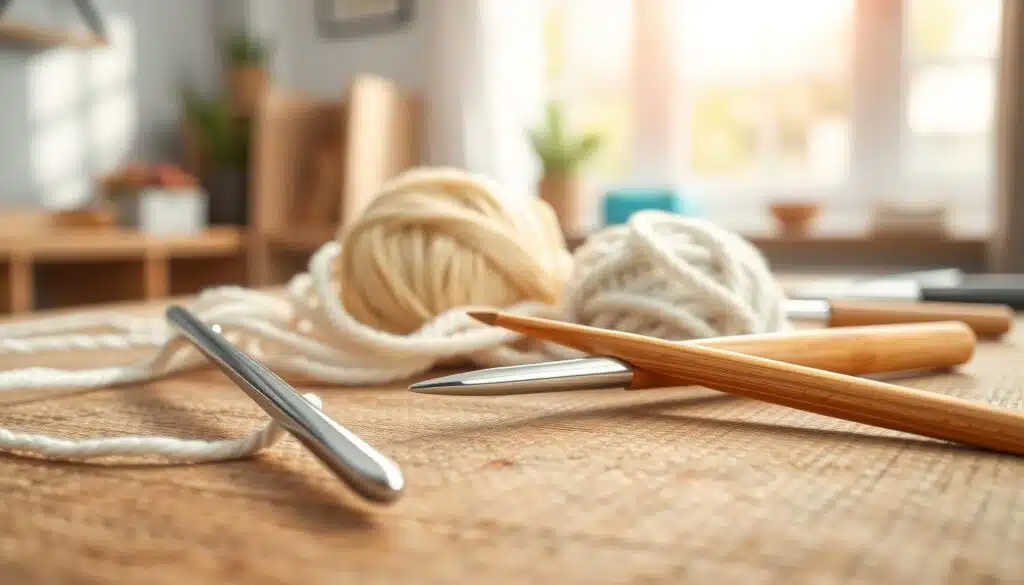
Choose a hook head that matches your motion and yarn. The tip and shaft together form a complete system for stitching. A smooth shaft means less drag, making your hands work less and your rows flow easier.
Inline vs. tapered tips: control versus speed
Inline vs tapered crochet hooks change your stitch work. Inline tips have a deeper throat and pointier head for tight control and precise stitches. They’re great for detailed work where you need a firm grasp on the yarn.
Tapered tips have a shallower throat and rounder head for quicker insertion and removal. They’re perfect for those who prefer speed or a knitting-like rhythm, allowing you to move faster without yarn resistance.
Polished metal shafts and low-friction finishes
A polished hook shaft, like aluminum or stainless steel, reduces yarn drag and keeps loops smooth. Many brands use mirror-like finishes to prevent catching and splitting.
Low-friction crochet hooks provide a slick surface for yarn to glide over. While plastic heads can also be smooth, their finish varies by brand. Always test how yarn slides before starting a project.
How hook head choice affects yarn tension and stitch consistency
The tip texture impacts how much tension you need. A sticky head forces more tension, which can be painful. A smooth head lets yarn glide, helping to relax your hands and improve stitch consistency.
Match the tip style to your yarn type. Finer fibers like fingering weight or mercerized cotton need a slick shaft to avoid catching. Bulky or fuzzy yarns might require a different head for comfort or speed.
Try different combinations in person or at a meetup. You can find the perfect mix of tip, polished shaft, and low-friction hooks for steady stitch consistency and less strain. For a quick primer, see this comparison at aluminum vs wood hooks.
Handle Materials Compared: Silicone, Wood, Plastic, and Polymer
Choosing the right handle can make crocheting feel luxurious. A silicone handle gives a tacky grip, which is great when your hands sweat or yarn slips. This grip means you don’t have to squeeze as hard, which is good for managing hand pain.
Silicone and rubber: cushioning and non-slip benefits
Silicone and rubber handles cushion your palm and absorb pressure. This makes it easier to crochet without getting tired or clenching your hand too hard.
They work well with slippery yarns and wet hands. For more on how they help with joint issues, check out this guide from Crochetree: best crochet hooks for arthritis.
Wooden handles: warmth, weight, and tactile comfort
Wooden crochet hooks are warm and gentle on stiff fingers. Many prefer them over metal because they feel more comfortable.
Quality wooden handles are lightweight and smooth. They provide natural feedback that can help reduce grip force and wrist strain.
Hard plastic and polymer clay: precision shaping and custom options
Hard plastic allows for sharp ergonomic contours and precise finger grooves. These shapes help guide your hand into a consistent grip with less effort.
Polymer clay grips let you mold a handle to fit your hand perfectly. They’re great when standard shapes leave pressure points.
Use the chart below to compare pros and cons at a glance. This way, you can test which feels best for your hands.
| Material | Comfort Traits | Best For | Notes for Arthritis-Friendly Use |
|---|---|---|---|
| Silicone/Rubber | Cushioning, non-slip, pressure absorption | Slippery yarns, builders who need tacky grip | Reduces grip strength; easy on sore joints |
| Wood | Warmth, lightweight, natural texture | Crafters sensitive to cold metal; long sessions | Low fatigue; pleasant tactile feedback |
| Hard Plastic | Precise molding, contoured profiles | People who need guided finger placement | Surface finish varies; check smoothness before buying |
| Polymer Clay | Fully customizable shape and size | Unique grip needs and custom fits | Quality and finish affect comfort; test before long use |
Try a few materials to see what works best for you. The right material depends on your grip style, sensitivity to cold, and how much tack or warmth you prefer.
ErgonOMIC Accessories and Tool Modifications to Try
You want less hand pain and more happy hooking. Small changes can make big differences. Try quick crochet tool modifications before buying new gear.
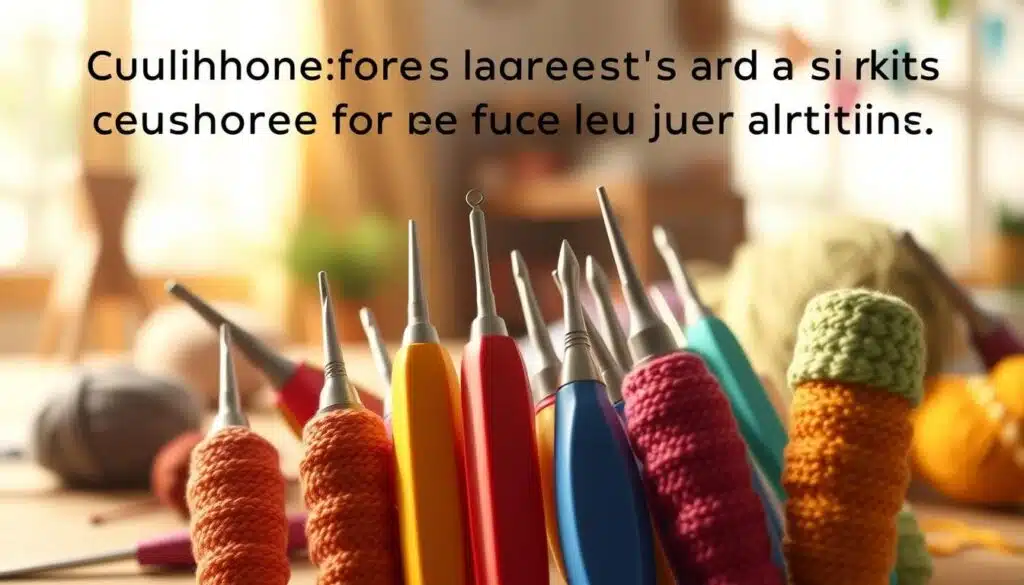
DIY fixes: pencil grips, foam tape, and temporary padding
Slide-on pencil grips are a cheap fix that add bulk and soften contact where you hold the hook. Wrap bicycle handlebar tape or cushioned foam tape around thin metal hooks to reduce pinch force and change the handle profile.
Make a temporary custom handle with polymer clay or craft foam for a one-off test. These quick tweaks let you test a pencil grip or palm-filling swell without committing to a new hook.
Specialized accessories: cushioned grips, trigger handles, and ergonomic rotary cutters for related crafts
Manufactured cushioned grips designed for crochet provide consistent padding and non-slip texture. Look for soft silicone options that resist wear and stay grippy during long sessions.
Trigger-style handles and spring-loaded scissors reduce repetitive clench for related tasks like cutting yarn or trimming ends. Ergonomic rotary cutters help if you do mixed crafts; they lower strain across your hands so your crochet work stays comfortable.
When to invest in professionally designed ergonomic tools
If pain persists despite DIY ergonomic crochet tweaks, upgrade to professionally designed hooks. Brands with polished shafts, contoured handles, and lightweight cores give reliable relief for long projects.
Choose a hook that supports your preferred hold — pencil grip or knife grip — and that has materials suited to your needs, such as bamboo for warmth or silicone for cushioning. If repeated modifications fail or your joints hurt more after working, consult your physician and consider a long-term ergonomic solution.
For in-depth comparisons and buying tips, check the best options reviewed at best crochet hooks for arthritis and practical hand-pain advice at crochet hand pain. Use temporary fixes as trials and pick the ergonomic accessories for crafters that truly fit your grip before committing to a full swap.
Practical Habits to Protect Your Hands While Crocheting
Before you start crocheting, take a few minutes for simple routines. These routines wake up your hands and make crocheting more comfortable. Think of them as a warm-up for your hands.
Warm-up exercises for fingers and wrists
Start with finger fans: spread your fingers wide, hold for two seconds, then relax into a soft fist. Repeat this five times. Next, do slow wrist circles, five clockwise and five counterclockwise. End with gentle thumb stretches, pulling your thumb back along your palm.
Posture, seating, and positioning to reduce chain-strain
Sit in a supportive chair with your feet flat on the floor and shoulders relaxed. Keep your back straight and avoid leaning forward. Place your work at a comfortable height so your elbows are near your sides. Good posture helps avoid neck and shoulder tension that can tire your hands.
Built-in breaks and pacing tips for longer projects
Try the 20-minute rule: crochet for 20 minutes, then take a break to stretch and reset. Use these breaks to stand, shake out your hands, and change tasks. This keeps your hands from getting tired and helps you enjoy crocheting more.
Watch your grip. If your knuckles turn white or you feel tightness, loosen your grip. Try different ways to wrap your yarn to make it easier to crochet. Simple changes in how you hold your yarn can make a big difference in comfort.
| Habit | What to Do | Why It Helps |
|---|---|---|
| Quick warm-ups | Finger fans, wrist circles, thumb stretches (3–5 min) | Reduces stiffness, primes tendons, lowers injury risk |
| Ergonomic seating | Supportive chair, feet flat, elbows close to body | Reduces neck and shoulder strain that affects hand use |
| 20-minute rule | Crochet ~20 minutes, pause to stretch or switch tasks | Prevents repetitive strain, improves endurance |
| Tension checks | Monitor white knuckles, try looser yarn-wrapping | Reduces grip force and local pressure on joints |
| Task variety | Alternate crocheting with sewing, blocking, or sorting yarn | Varies motion patterns, limits overuse of the same muscles |
How to Test and Try Hooks Before You Commit
Want to make crochet feel effortless? Start by trying tools in person. Visit a craft aisle or a local meetup to test hooks. Many shops let you try hooks with scrap yarn to see if they feel right.
What to look for in person
Hold the hook in your natural grip and crochet for about two minutes. This lets you check comfort. Look at handle thickness, thumb rest, and how it feels under pressure.
Try different grips, weights, and tip styles
Test both inline and tapered tips with your favorite yarn. Different yarns feel different. Try a few sizes to see what works best for you.
Practical meetup and in-store testing tips
- Use your usual yarn and hook size when you test ergonomic hooks to get realistic tension feedback.
- At a crochet meetup hook testing session, mimic a short pattern to evaluate stitch consistency and fatigue over a few minutes.
- If a grip change is involved, follow a short break-in test: crochet for two minutes and 20–30 stitches, then note whether shoulder tension drops and wrist position improves.
Online shopping and returns
Before buying, read the seller’s return policy carefully. Some items can be returned, but custom hooks might not be. Choose stores with clear return policies for a smooth swap if needed.
| Test Step | What to Notice | Quick DIY Try |
|---|---|---|
| Grip fit | Does the handle fill your fingers without forcing a clamp? | Wrap masking tape to add thickness and re-test |
| Tip style | Does inline or tapered head give smoother tension? | Try both with your go-to yarn |
| Balance & weight | Does the hook feel heavy at the tip or handle? | Compare a metal shaft to a bamboo or polymer hook |
| Slip vs tack | Does the handle slip or hold steady under light pressure? | Test silicone bead grips or kinesiology tape for quick fixes |
| Return options | Can you exchange if the hook causes gripping or twisting? | Check the return policy crochet hooks before purchase |
For a detailed guide on ergonomic choices, check out this practical guide: ergonomic crochet hooks for sore hands. Use it as a checklist when trying hooks in store or at a meetup.
Safety and Medical Considerations for Crafters with Hand Pain
If you enjoy making blankets, amigurumi, or simple scarves, protect your hands. This way, you can keep crafting for years. If pain lingers, grows, or brings numbness, stop and see a doctor or hand specialist.
Get medical advice before changing tools or pushing through symptoms. This is key for crocheting with arthritis safety.
Talk to your doctor: when to get medical clearance
Know when to see a doctor for hand pain. Look out for rising pain, swelling, loss of strength, tingling, or trouble buttoning clothes. Your doctor can check for flare-ups, nerve compression, or inflammatory arthritis.
They can also tell you if certain grips or devices are safe. For expert advice, check out professional advice on crochet-related hand pain.
Listening to pain signals: modifying or stopping when needed
Listen to what your hands are telling you. If a stitch or session increases discomfort, shorten the session. Try a larger hook or a cushioned handle.
Temporary fixes like foam tape or pencil grips can help. But don’t forget to see a doctor if symptoms get worse.
Complementary strategies: anti-inflammatory habits and gentle therapy
Small changes can reduce inflammation and improve comfort. Eat a balanced diet rich in omega-3s. Use ice or heat as your doctor recommends.
Start with short warm-ups before a project. A hand therapist can show you gentle exercises and pacing techniques for your crafting routine.
| Warning Sign | What to Do | Why It Matters |
|---|---|---|
| Increasing pain during or after crafting | Stop activity, rest, document symptoms, see your doctor if persistent | Prevents worsening injury and guides proper treatment |
| Swelling or visible inflammation | Apply clinician-guided ice, avoid tight grips, seek evaluation | May indicate inflammatory flare or joint damage |
| Numbness or tingling in fingers | Limit repetitive motions, seek prompt medical review | Could signal nerve compression needing early treatment |
| Loss of function or grip strength | Avoid heavy tasks, get medical clearance before returning | Signals functional decline that needs professional care |
| Mild, manageable stiffness | Use warm-up exercises, pace projects, consider ergonomic tools | Helps maintain motion and supports long-term crafting |
Remember, hand pain and crafting are often linked. Your doctor can advise on safe motions or tools for your condition. Online tips are helpful, but always get clearance to keep your hobby safe and enjoyable.
Conclusion
Switching to the best arthritis-friendly crochet tools can really help. Look for ergonomic handles that are thicker and softer. Also, find polished, low-friction shafts and the right tip style for your tension.
Adding simple habits like warm-ups and better posture can also help. Taking timed breaks is key to staying comfortable while crocheting.
Before buying, try out different handles like silicone, wood, or polymer. Add-ons like foam or kinesiology tape can also help. A two-minute stitch test can show if the new grip feels better.
If you’re not sure where to start, check out this guide to ergonomic crochet hooks. It offers practical picks and DIY fixes.
Don’t forget to listen to your body while crocheting. If pain persists, see a doctor. Combining the right tools with gentle therapy and anti-inflammatory habits will help the most. With the right hook and smart routines, you can enjoy making cozy things and clever gifts again.
FAQ
Why are ergonomic crochet hooks recommended for people with arthritis?
Ergonomic hooks help you hold the tool in a relaxed way. They have wide, cushioned handles that spread out pressure. This reduces the force needed in your fingers.
They also help keep your wrist in a neutral position. This lowers strain in your forearm, elbow, and shoulder. So, you can crochet for longer without pain.
What handle shapes work best for pencil grip versus knife hold?
For a pencil grip, choose tapered or indented handles. They guide your thumb and help with fine control.
For a knife hold, look for bulbous or contoured handles. They fill your palm and spread out pressure. This prevents awkward hand positions and reduces clenching.
Which handle materials are best for arthritis—silicone, wood, plastic, or polymer clay?
Each material has its own benefits. Silicone and rubber offer cushioning and grip. They’re good for slippery yarns.
Wood is warm and lightweight, which is gentle on cold-sensitive joints. Hard plastic can be molded into ergonomic shapes. Polymer clay can be molded to fit your hand perfectly.
Try different materials to see what you prefer. Some like the cushion of silicone, while others prefer the warmth of wood.
How does hook tip and shaft choice affect hand strain and tension?
The shaft and tip affect how yarn glides and stitches are inserted. Polished aluminum or steel shafts are very smooth. This reduces yarn drag and lessens hand strain.
Inline tips are deeper and pointier, giving precise stitch placement and firmer control. Tapered tips are rounder and shallower, allowing for faster stitching. Choose smooth finishes to avoid aggravating joints.
Are lightweight hooks important for reducing fatigue?
Yes, lightweight hooks reduce fatigue in your hand, wrist, and forearm. Materials like bamboo and lightweight resin are good for this. They let you crochet longer without getting tired.
It’s also important that the handle doesn’t make the hook feel heavy at the top or bottom.
What low-cost DIY fixes can I try right now to make my current hooks easier on my hands?
You can use slide-on pencil grips, bicycle handlebar tape, or foam tape wraps. These add bulk to thin metal hooks. You can also use cushioned grips made for crochet hooks.
These quick fixes can reduce pinch force and give you time to find a long-term solution.
When should I stop DIY solutions and invest in a professionally made ergonomic hook?
Stop DIY fixes if pain persists or worsens. If you want a reliable solution, invest in ergonomic hooks. They have polished shafts and soft handles.
Professional hooks also have balanced weight and durable finishes. DIY fixes can’t match these.
How should I test hooks in-store or at a meetup to know if they’ll help my hands?
Hold the hook in your normal grip and mimic stitches with your usual yarn. Check if the handle fits your palm and if it’s comfortable.
Look for smooth shafts and a handle that keeps your wrist neutral. If something feels wrong, it’s not the right fit.
Inline or tapered—how do I choose between control and speed?
Choose inline tips for precise stitch placement and tighter tension. They’re good for detailed patterns. Choose tapered tips for faster stitching and smooth yarn insertion.
Test both with your most-used yarn. Your preferred yarn affects which tip and shaft feel easiest.
What warm-up and pacing routines help protect arthritic hands before crocheting?
Do finger fans, slow wrist circles, and gentle thumb stretches. Follow the 20-minute rule—crochet for 20 minutes, then pause to stretch.
Alternate tasks like sewing in ends to vary motion and avoid repetitive strain.
How can I manage tension so I don’t have to grip tightly?
Experiment with different yarn-wrapping methods to feed yarn more loosely. Monitor for signs like white knuckles or a tight pinch.
Adjust wrap style or hook size as needed. Smooth shafts and the right tip style also help yarn glide, letting you crochet with relaxed hands.
What low-cost DIY fixes can I try right now to make my current hooks easier on my hands?
Simple options include slide-on pencil grips, bicycle handlebar tape, foam tape wraps, or temporary padding to add bulk to thin metal hooks. You can also use manufactured cushioned grips sold for crochet hooks. These quick fixes reduce pinch force and buy time while you test long-term solutions.
When should I stop DIY solutions and invest in a professionally made ergonomic hook?
Move to professional tools if pain persists despite DIY padding, if repeated modifications don’t help your comfort, or if you want a reliable long-term solution. Professionally designed ergonomic hooks combine polished shafts with soft, shaped handles and often come with balanced weight and durable finishes that DIY fixes can’t match.
How should I test hooks in-store or at a meetup to know if they’ll help my hands?
Hold the hook in your normal grip (pencil or knife) and mimic a few stitches with the yarn you usually use. Notice whether the handle fills your palm, whether thumb/finger indentations sit naturally, whether the shaft is smooth and lets the yarn glide, and whether the handle keeps your wrist neutral. Check weight, balance, and slip versus tack. If something makes you clench or feel tugging, it’s not the right fit.
Inline or tapered—how do I choose between control and speed?
Choose inline tips for precise stitch placement and tighter, controlled tension—useful for detailed patterns. Choose tapered tips for faster, knitting-like motion and smoother insertion/removal when you want relaxed hands and quicker stitching. Test both with your most-used yarn (fingering or mercerized cotton behaves differently than bulky wool) to see which reduces effort.
What warm-up and pacing routines help protect arthritic hands before crocheting?
Do short warm-ups: finger fans (spread fingers wide, hold, relax into a soft fist; repeat five times), slow wrist circles clockwise and counterclockwise, and gentle thumb stretches. Follow the 20-minute rule—crochet about 20 minutes, then pause to stretch and reset. Alternate tasks like sewing in ends to vary motion and avoid repetitive strain.
How can I manage tension so I don’t have to grip tightly?
Experiment with different yarn-wrapping methods to feed yarn more loosely. Monitor for signs like white knuckles or a tight pinch and adjust wrap style or hook size. Smooth shafts and the right tip style also help yarn glide, letting you keep relaxed hands and consistent gauge.
What low-cost DIY fixes can I try right now to make my current hooks easier on my hands?
Simple options include slide-on pencil grips, bicycle handlebar tape, foam tape wraps, or temporary padding to add bulk to thin metal hooks. You can also use manufactured cushioned grips sold for crochet hooks. These quick fixes reduce pinch force and buy time while you test long-term solutions.
When should I stop DIY solutions and invest in a professionally made ergonomic hook?
Move to professional tools if pain persists despite DIY padding, if repeated modifications don’t help your comfort, or if you want a reliable long-term solution. Professionally designed ergonomic hooks combine polished shafts with soft, shaped handles and often come with balanced weight and durable finishes that DIY fixes can’t match.
How should I test hooks in-store or at a meetup to know if they’ll help my hands?
Hold the hook in your normal grip (pencil or knife) and mimic a few stitches with the yarn you usually use. Notice whether the handle fills your palm, whether thumb/finger indentations sit naturally, whether the shaft is smooth and lets the yarn glide, and whether the handle keeps your wrist neutral. Check weight, balance, and slip versus tack. If something makes you clench or feel tugging, it’s not the right fit.
Inline or tapered—how do I choose between control and speed?
Choose inline tips for precise stitch placement and tighter, controlled tension—useful for detailed patterns. Choose tapered tips for faster, knitting-like motion and smoother insertion/removal when you want relaxed hands and quicker stitching. Test both with your most-used yarn (fingering or mercerized cotton behaves differently than bulky wool) to see which reduces effort.
What warm-up and pacing routines help protect arthritic hands before crocheting?
Do short warm-ups: finger fans (spread fingers wide, hold, relax into a soft fist; repeat five times), slow wrist circles clockwise and counterclockwise, and gentle thumb stretches. Follow the 20-minute rule—crochet about 20 minutes, then pause to stretch and reset. Alternate tasks like sewing in ends to vary motion and avoid repetitive strain.
How can I manage tension so I don’t have to grip tightly?
Experiment with different yarn-wrapping methods to feed yarn more loosely. Monitor for signs like white knuckles or a tight pinch and adjust wrap style or hook size. Smooth shafts and the right tip style also help yarn glide, letting you keep relaxed hands and consistent gauge.
What low-cost DIY fixes can I try right now to make my current hooks easier on my hands?
Simple options include slide-on pencil grips, bicycle handlebar tape, foam tape wraps, or temporary padding to add bulk to thin metal hooks. You can also use manufactured cushioned grips sold for crochet hooks. These quick fixes reduce pinch force and buy time while you test long-term solutions.
When should I stop DIY solutions and invest in a professionally made ergonomic hook?
Move to professional tools if pain persists despite DIY padding, if repeated modifications don’t help your comfort, or if you want a reliable long-term solution. Professionally designed ergonomic hooks combine polished shafts with soft, shaped handles and often come with balanced weight and durable finishes that DIY fixes can’t match.
How should I test hooks in-store or at a meetup to know if they’ll help my hands?
Hold the hook in your normal grip (pencil or knife) and mimic a few stitches with the yarn you usually use. Notice whether the handle fills your palm, whether thumb/finger indentations sit naturally, whether the shaft is smooth and lets the yarn glide, and whether the handle keeps your wrist neutral. Check weight, balance, and slip versus tack. If something makes you clench or feel tugging, it’s not the right fit.
Inline or tapered—how do I choose between control and speed?
Choose inline tips for precise stitch placement and tighter, controlled tension—useful for detailed patterns. Choose tapered tips for faster, knitting-like motion and smoother insertion/removal when you want relaxed hands and quicker stitching. Test both with your most-used yarn (fingering or mercerized cotton behaves differently than bulky wool) to see which reduces effort.
What warm-up and pacing routines help protect arthritic hands before crocheting?
Do short warm-ups: finger fans (spread fingers wide, hold, relax into a soft fist; repeat five times), slow wrist circles clockwise and counterclockwise, and gentle thumb stretches. Follow the 20-minute rule—crochet about 20 minutes, then pause to stretch and reset. Alternate tasks like sewing in ends to vary motion and avoid repetitive strain.
How can I manage tension so I don’t have to grip tightly?
Experiment with different yarn-wrapping methods to feed yarn more loosely. Monitor for signs like white knuckles or a tight pinch and adjust wrap style or hook size. Smooth shafts and the right tip style also help yarn glide, letting you keep relaxed hands and consistent gauge.
What low-cost DIY fixes can I try right now to make my current hooks easier on my hands?
Simple options include slide-on pencil grips, bicycle handlebar tape, foam tape wraps, or temporary padding to add bulk to thin metal hooks. You can also use manufactured cushioned grips sold for crochet hooks. These quick fixes reduce pinch force and buy time while you test long-term solutions.
When should I stop DIY solutions and invest in a professionally made ergonomic hook?
Move to professional tools if pain persists despite DIY padding, if repeated modifications don’t help your comfort, or if you want a reliable long-term solution. Professionally designed ergonomic hooks combine polished shafts with soft, shaped handles and often come with balanced weight and durable finishes that DIY fixes can’t match.
How should I test hooks in-store or at a meetup to know if they’ll help my hands?
Hold the hook in your normal grip (pencil or knife) and mimic a few stitches with the yarn you usually use. Notice whether the handle fills your palm, whether thumb/finger indentations sit naturally, whether the shaft is smooth and lets the yarn glide, and whether the handle keeps your wrist neutral. Check weight, balance, and slip versus tack. If something makes you clench or feel tugging, it’s not the right fit.
Inline or tapered—how do I choose between control and speed?
Choose inline tips for precise stitch placement and tighter, controlled tension—useful for detailed patterns. Choose tapered tips for faster, knitting-like motion and smoother insertion/removal when you want relaxed hands and quicker stitching. Test both with your most-used yarn (fingering or mercerized cotton behaves differently than bulky wool) to see which reduces effort.
What warm-up and pacing routines help protect arthritic hands before crocheting?
Do short warm-ups: finger fans (spread fingers wide, hold, relax into a soft fist; repeat five times), slow wrist circles clockwise and counterclockwise, and gentle thumb stretches. Follow the 20-minute rule—crochet about 20 minutes, then pause to stretch and reset. Alternate tasks like sewing in ends to vary motion and avoid repetitive strain.
How can I manage tension so I don’t have to grip tightly?
Experiment with different yarn-wrapping methods to feed yarn more loosely. Monitor for signs like white knuckles or a tight pinch and adjust wrap style or hook size. Smooth shafts and the right tip style also help yarn glide, letting you keep relaxed hands and consistent gauge.
What low-cost DIY fixes can I try right now to make my current hooks easier on my hands?
Simple options include slide-on pencil grips, bicycle handlebar tape, foam tape wraps, or temporary padding to add bulk to thin metal hooks. You can also use manufactured cushioned grips sold for crochet hooks. These quick fixes reduce pinch force and buy time while you test long-term solutions.
When should I stop DIY solutions and invest in a professionally made ergonomic hook?
Move to professional tools if pain persists despite DIY padding, if repeated modifications don’t help your comfort, or if you want a reliable long-term solution. Professionally designed ergonomic hooks combine polished shafts with soft, shaped handles and often come with balanced weight and durable finishes that DIY fixes can’t match.
How should I test hooks in-store or at a meetup to know if they’ll help my hands?
Hold the hook in your normal grip (pencil or knife) and mimic a few stitches with the yarn you usually use. Notice whether the handle fills your palm, whether thumb/finger indentations sit naturally, whether the shaft is smooth and lets the yarn glide, and whether the handle keeps your wrist neutral. Check weight, balance, and slip versus tack. If something makes you clench or feel tugging, it’s not the right fit.
Inline or tapered—how do I choose between control and speed?
Choose inline tips for precise stitch placement and tighter, controlled tension—useful for detailed patterns. Choose tapered tips for faster, knitting-like motion and smoother insertion/removal when you want relaxed hands and quicker stitching. Test both with your most-used yarn (fingering or mercerized cotton behaves differently than bulky wool) to see which reduces effort.
What warm-up and pacing routines help protect arthritic hands before crocheting?
Do short warm-ups: finger fans (spread fingers wide, hold, relax into a soft fist; repeat five times), slow wrist circles clockwise and counterclockwise, and gentle thumb stretches. Follow the 20-minute rule—crochet about 20 minutes, then pause to stretch and reset. Alternate tasks like sewing in ends to vary motion and avoid repetitive strain.
How can I manage tension so I don’t have to grip tightly?
Experiment with different yarn-wrapping methods to feed yarn more loosely. Monitor for signs like white knuckles or a tight pinch and adjust wrap style or hook size. Smooth shafts and the right tip style also help yarn glide, letting you keep relaxed hands and consistent gauge.
What low-cost DIY fixes can I try right now to make my current hooks easier on my hands?
Simple options include slide-on pencil grips, bicycle handlebar tape, foam tape wraps, or temporary padding to add bulk to thin metal hooks. You can also use manufactured cushioned grips sold for crochet hooks. These quick fixes reduce pinch force and buy time while you test long-term solutions.
When should I stop DIY solutions and invest in a professionally made ergonomic hook?
Move to professional tools if pain persists despite DIY padding, if repeated modifications don’t help your comfort, or if you want a reliable long-term solution. Professionally designed ergonomic hooks combine polished shafts with soft, shaped handles and often come with balanced weight and durable finishes that DIY fixes can’t match.
How should I test hooks in-store or at a meetup to know if they’ll help my hands?
Hold the hook in your normal grip (pencil or knife) and mimic a few stitches with the yarn you usually use. Notice whether the handle fills your palm, whether thumb/finger indentations sit naturally, whether the shaft is smooth and lets the yarn glide, and whether the handle keeps your wrist neutral. Check weight, balance, and slip versus tack. If something makes you clench or feel tugging, it’s not the right fit.
Inline or tapered—how do I choose between control and speed?
Choose inline tips for precise stitch placement and tighter, controlled tension—useful for detailed patterns. Choose tapered tips for faster, knitting-like motion and smoother insertion/removal when you want relaxed hands and quicker stitching. Test both with your most-used yarn (fingering or mercerized cotton behaves differently than bulky wool) to see which reduces effort.
What warm-up and pacing routines help protect arthritic hands before crocheting?
Do short warm-ups: finger fans (spread fingers wide, hold, relax into a soft fist; repeat five times), slow wrist circles clockwise and counterclockwise, and gentle thumb stretches. Follow the 20-minute rule—crochet about 20 minutes, then pause to stretch and reset. Alternate tasks like sewing in ends to vary motion and avoid repetitive strain.
How can I manage tension so I don’t have to grip tightly?
Experiment with different yarn-wrapping methods to feed yarn more loosely. Monitor for signs like white knuckles or a tight pinch and adjust wrap style or hook size. Smooth shafts and the right tip style also help yarn glide, letting you keep relaxed hands and consistent gauge.
What low-cost DIY fixes can I try right now to make my current hooks easier on my hands?
Simple options include slide-on pencil grips, bicycle handlebar tape, foam tape wraps, or temporary padding to add bulk to thin metal hooks. You can also use manufactured cushioned grips sold for crochet hooks. These quick fixes reduce pinch force and buy time while you test long-term solutions.
When should I stop DIY solutions and invest in a professionally made ergonomic hook?
Move to professional tools if pain persists despite DIY padding, if repeated modifications don’t help your comfort, or if you want a reliable long-term solution. Professionally designed ergonomic hooks combine polished shafts with soft, shaped handles and often come with balanced weight and durable finishes that DIY fixes can’t match.
How should I test hooks in-store or at a meetup to know if they’ll help my hands?
Hold the hook in your normal grip (pencil or knife) and mimic a few stitches with the yarn you usually use. Notice whether the handle fills your palm, whether thumb/finger indentations sit naturally, whether the shaft is smooth and lets the yarn glide, and whether the handle keeps your wrist neutral. Check weight, balance, and slip versus tack. If something makes you clench or feel tugging, it’s not the right fit.
Inline or tapered—how do I choose between control and speed?
Choose inline tips for precise stitch placement and tighter, controlled tension—useful for detailed patterns. Choose tapered tips for faster, knitting-like motion and smoother insertion/removal when you want relaxed hands and quicker stitching. Test both with your most-used yarn (fingering or mercerized cotton behaves differently than bulky wool) to see which reduces effort.
What warm-up and pacing routines help protect arthritic hands before crocheting?
Do short warm-ups: finger fans (spread fingers wide, hold, relax into a soft fist; repeat five times), slow wrist circles clockwise and counterclockwise, and gentle thumb stretches. Follow the 20-minute rule—crochet about 20 minutes, then pause to stretch and reset. Alternate tasks like sewing in ends to vary motion and avoid repetitive strain.
How can I manage tension so I don’t have to grip tightly?
Experiment with different yarn-wrapping methods to feed yarn more loosely. Monitor for signs like white knuckles or a tight pinch and adjust wrap style or hook size. Smooth shafts and the right tip style also help yarn glide, letting you keep relaxed hands and consistent gauge.
What low-cost DIY fixes can I try right now to make my current hooks easier on my hands?
Simple options include slide-on pencil grips, bicycle handlebar tape, foam tape wraps, or temporary padding to add bulk to thin metal hooks. You can also use manufactured cushioned grips sold for crochet hooks. These quick fixes reduce pinch force and buy time while you test long-term solutions.
When should I stop DIY solutions and invest in a professionally made ergonomic hook?
Move to professional tools if pain persists despite DIY padding, if repeated modifications don’t help your comfort, or if you want a reliable long-term solution. Professionally designed ergonomic hooks combine polished shafts with soft, shaped handles and often come with balanced weight and durable finishes that DIY fixes can’t match.
How should I test hooks in-store or at a meetup to know if they’ll help my hands?
Hold the hook in your normal grip (pencil or knife) and mimic a few stitches with the yarn you usually use. Notice whether the handle fills your palm, whether thumb/finger indentations sit naturally, whether the shaft is smooth and lets the yarn glide, and whether the handle keeps your wrist neutral. Check weight, balance, and slip versus tack. If something makes you clench or feel tugging, it’s not the right fit.
Inline or tapered—how do I choose between control and speed?
Choose inline tips for precise stitch placement and tighter, controlled tension—useful for detailed patterns. Choose tapered tips for faster, knitting-like motion and smoother insertion/removal when you want relaxed hands and quicker stitching. Test both with your most-used yarn (fingering or mercerized cotton behaves differently than bulky wool) to see which reduces effort.
What warm-up and pacing routines help protect arthritic hands before crocheting?
Do short warm-ups: finger fans (spread fingers wide, hold, relax into a soft fist; repeat five times), slow wrist circles clockwise and counterclockwise, and gentle thumb stretches. Follow the 20-minute rule—crochet about 20 minutes, then pause to stretch and reset. Alternate tasks like sewing in ends to vary motion and avoid repetitive strain.
How can I manage tension so I don’t have to grip tightly?
Experiment with different yarn-wrapping methods to feed yarn more loosely. Monitor for signs like white knuckles or a tight pinch and adjust wrap style or hook size. Smooth shafts and the right tip style also help yarn glide, letting you keep relaxed hands and consistent gauge.
What low-cost DIY fixes can I try right now to make my current hooks easier on my hands?
Simple options include slide-on pencil grips, bicycle handlebar tape, foam tape wraps, or temporary padding to add bulk to thin metal hooks. You can also use manufactured cushioned grips sold for crochet hooks. These quick fixes reduce pinch force and buy time while you test long-term solutions.
When should I stop DIY solutions and invest in a professionally made ergonomic hook?
Move to professional tools if pain persists despite DIY padding, if repeated modifications don’t help your comfort, or if you want a reliable long-term solution. Professionally designed ergonomic hooks combine polished shafts with soft, shaped handles and often come with balanced weight and durable finishes that DIY fixes can’t match.
How should I test hooks in-store or at a meetup to know if they’ll help my hands?
Hold the hook in your normal grip (pencil or knife) and mimic a few stitches with the yarn you usually use. Notice whether the handle fills your palm, whether thumb/finger indentations sit naturally, whether the shaft is smooth and lets the yarn glide, and whether the handle keeps your wrist neutral. Check weight, balance, and slip versus tack. If something makes you clench or feel tugging, it’s not the right fit.
Inline or tapered—how do I choose between control and speed?
Choose inline tips for precise stitch placement and tighter, controlled tension—useful for detailed patterns. Choose tapered tips for faster, knitting-like motion and smoother insertion/removal when you want relaxed hands and quicker stitching. Test both with your most-used yarn (fingering or mercerized cotton behaves differently than bulky wool) to see which reduces effort.
What warm-up and pacing routines help protect arthritic hands before crocheting?
Do short warm-ups: finger fans (spread fingers wide, hold, relax into a soft fist; repeat five times), slow wrist circles clockwise and counterclockwise, and gentle thumb stretches. Follow the 20-minute rule—crochet about 20 minutes, then pause to stretch and reset. Alternate tasks like sewing in ends to vary motion and avoid repetitive strain.
How can I manage tension so I don’t have to grip tightly?
Experiment with different yarn-wrapping methods to feed yarn more loosely. Monitor for signs like white knuckles or a tight pinch and adjust wrap style or hook size. Smooth shafts and the right tip style also help yarn glide, letting you keep relaxed hands and consistent gauge.
What low-cost DIY fixes can I try right now to make my current hooks easier on my hands?
Simple options include slide-on pencil grips, bicycle handlebar tape, foam tape wraps, or temporary padding to add bulk to thin metal hooks. You can also use manufactured cushioned grips sold for crochet hooks. These quick fixes reduce pinch force and buy time while you test long-term solutions.
When should I stop DIY solutions and invest in a professionally made ergonomic hook?
Move to professional tools if pain persists despite DIY padding, if repeated modifications don’t help your comfort, or if you want a reliable long-term solution. Professionally designed ergonomic hooks combine polished shafts with soft, shaped handles and often come with balanced weight and durable finishes that DIY fixes can’t match.
How should I test hooks in-store or at a meetup to know if they’ll help my hands?
Hold the hook in your normal grip (pencil or knife) and mimic a few stitches with the yarn you usually use. Notice whether the handle fills your palm, whether thumb/finger indentations sit naturally, whether the shaft is smooth and lets the yarn glide, and whether the handle keeps your wrist neutral. Check weight, balance, and slip versus tack. If something makes you clench or feel tugging, it’s not the right fit.
Inline or tapered—how do I choose between control and speed?
Choose inline tips for precise stitch placement and tighter, controlled tension—useful for detailed patterns. Choose tapered tips for faster, knitting-like motion and smoother insertion/removal when you want relaxed hands and quicker stitching. Test both with your most-used yarn (fingering or mercerized cotton behaves differently than bulky wool) to see which reduces effort.
What warm-up and pacing routines help protect arthritic hands before crocheting?
Do short warm-ups: finger fans (spread fingers wide, hold, relax into a soft fist; repeat five times), slow wrist circles clockwise and counterclockwise, and gentle thumb stretches. Follow the 20-minute rule—crochet about 20 minutes, then pause to stretch and reset. Alternate tasks like sewing in ends to vary motion and avoid repetitive strain.
How can I manage tension so I don’t have to grip tightly?
Experiment with different yarn-wrapping methods to feed yarn more loosely. Monitor for signs like white knuckles or a tight pinch and adjust wrap style or hook size. Smooth shafts and the right tip style also help yarn glide, letting you keep relaxed hands and consistent gauge.
What low-cost DIY fixes can I try right now to make my current hooks easier on my hands?
Simple options include slide-on pencil grips, bicycle handlebar tape, foam tape wraps, or temporary padding to add bulk to thin metal hooks. You can also use manufactured cushioned grips sold for crochet hooks. These quick fixes reduce pinch force and buy time while you test long-term solutions.
When should I stop DIY solutions and invest in a professionally made ergonomic hook?
Move to professional tools if pain persists despite DIY padding, if repeated modifications don’t help your comfort, or if you want a reliable long-term solution. Professionally designed ergonomic hooks combine polished shafts with soft, shaped handles and often come with balanced weight and durable finishes that DIY fixes can’t match.
How should I test hooks in-store or at a meetup to know if they’ll help my hands?
Hold the hook in your normal grip (pencil or knife) and mimic a few stitches with the yarn you usually use. Notice whether the handle fills your palm, whether thumb/finger indentations sit naturally, whether the shaft is smooth and lets the yarn glide, and whether the handle keeps your wrist neutral. Check weight, balance, and slip versus tack. If something makes you clench or feel tugging, it’s not the right fit.
Inline or tapered—how do I choose between control and speed?
Choose inline tips for precise stitch placement and tighter, controlled tension—useful for detailed patterns. Choose tapered tips for faster, knitting-like motion and smoother insertion/removal when you want relaxed hands and quicker stitching. Test both with your most-used yarn (fingering or mercerized cotton behaves differently than bulky wool) to see which reduces effort.
What warm-up and pacing routines help protect arthritic hands before crocheting?
Do short warm-ups: finger fans (spread fingers wide, hold, relax into a soft fist; repeat five times), slow wrist circles clockwise and counterclockwise, and gentle thumb stretches. Follow the 20-minute rule—crochet about 20 minutes, then pause to stretch and reset. Alternate tasks like sewing in ends to vary motion and avoid repetitive strain.
How can I manage tension so I don’t have to grip tightly?
Experiment with different yarn-wrapping methods to feed yarn more loosely. Monitor for signs like white knuckles or a tight pinch and adjust wrap style or hook size. Smooth shafts and the right tip style also