A crochet hook is more than just a tool. It’s what turns loops into blankets, and it can make all the difference. It has a head, a throat, a shaft, and a handle. These parts affect how comfortable, precise, and fast you can crochet.
Let’s look at some names you might know. Clover Amour and Tulip Etimo offer smooth aluminum hooks. Furls and KnitPro Symfonie are great for wood and hybrid options. Brands like Boye and Addi show how design impacts your stitches.
For beginners, aluminum hooks are often a good start. They’re forgiving. But for those who love warmth and a gentle grip, wood hooks are the way to go. They’re perfect for working with fine fibers.
Choosing the right hook isn’t easy. It depends on your hand, the yarn, and the project. We’ll explore how different materials affect your crochet. Do you want speed and smoothness, or warmth and comfort for long sessions?
Key Takeaways
- Hook anatomy—head, throat, shaft, and handle—matters for stitch control.
- Aluminum crochet hook offers smooth glide and consistent gauge for many projects.
- Wood crochet hook gives warmth, grip, and comfort for fine or long work sessions.
- Brands like Clover Amour, Tulip Etimo, Furls, Addi, and Boye show clear design differences.
- No universal winner: match hook material to your yarn, hand, and project goals.
Why Hook Material Matters for Your Crochet
When your yarn touches the hook, you feel the difference. The hook’s parts—point, head, throat, shaft, and handle—work together with the material. This choice affects how the hook slips into loops and holds them.
Let’s look at the hook parts. The tip and head help you pick up yarn. The throat and shaft guide the loop before you pull it through. Tapered or inline designs change this process.
Feel is important. The hook’s glide and yarn slip depend on its material and finish. Aluminum hooks slide smoothly, speeding up your work. Wood hooks feel warm and control yarn well. Plastic hooks might snag on delicate fibers.
Stitch consistency comes from the hook’s shape and surface. Inline throats make stitches more uniform. Tapered heads can make your stitches more forgiving.
Your grip affects your choice of hook. Knife grip hooks rest in your palm, good for aluminum or ergonomic hooks. Pencil grip hooks balance in your hand, best for wooden or slim metal shafts.
Brands like Clover Amour and Tulip Etimo offer hooks with special grips. For knife grip, look for hooks with soft handles and aluminum cores. For pencil grip, find slimmer hooks with smooth glide.
| Feature | Aluminum | Wood/Bamboo | Plastic |
|---|---|---|---|
| Shaft throat head interaction | Deep throat, smooth head; works well with inline and tapered vs inline differences | Shallower throat feel; head warms yarn and offers more friction | Variable finish; may show tiny bumps affecting glide |
| Hook glide & yarn slip | High glide, fast yarn slip | Moderate glide, reduces yarn slip | Moderate to low glide depending on finish |
| Stitch consistency | Often more uniform stitches with inline heads | Can yield slight tension variation; pleasant for long sessions | Inconsistent if surface imperfections exist |
| Hook material grip | May be slippery; coatings can improve hold | Natural grip; absorbs sweat and feels warm | Grip depends on texture; can be slippery or sticky |
| Best for knife grip crochet | Clover Amour, Tulip Etimo-style aluminum with soft handles | Lightweight wooden hooks for comfort over long sessions | Ergonomic plastic models with thumb rests |
| Best for pencil grip crochet | Slim anodized aluminum or smooth inline heads | Fine wooden shafts for tactile control | Precision-molded plastic with smooth heads |
Aluminum Hooks: Pros, Cons, and When You’ll Love Them
Aluminum hooks are common in craft stores and online. They are made from aluminum and come in sizes from 2 mm to 12 mm. Brands like Clover Amour, Tulip Etimo, and Addi offer different finishes and handles.
Material profile and common sizes
Aluminum shafts are light and strong, making them great for consistent motion. Anodized aluminum hooks are durable and have a smooth finish. Some hooks have rubber or full-metal handles, while others are designed for tapestry crochet.
Pros: durability, smooth glide, ideal for heavy projects
Aluminum hooks are very durable and rarely break. They are perfect for heavy projects like rugs and baskets. The smooth finish helps yarn move quickly through tight stitches.
Cons: slippery for sweaty hands, potentially splits yarn, rigid
Aluminum hooks can be slippery if your hands are sweaty. They might also split yarn on delicate fibers. The rigidity can hurt your wrists during long sessions.
Best uses: beginners, heavy yarns, tapestry/mosaic crochet
Aluminum hooks are great for beginners and tapestry crochet. They help beginners make consistent stitches. They are also good for working with chunky yarns and mixed-fiber blankets.
| Feature | What to Expect | When You’d Choose It |
|---|---|---|
| Finish | Anodized, matte, or shiny; affects glide and stick | Pick anodized aluminum hooks for speed and less snagging |
| Size Range | About 2 mm to 12 mm; good coverage for fine to bulky yarns | Choose based on yarn weight and project gauge |
| Durability | Durable hooks that resist bending and breaking | Use for rugs, baskets, and heavy-duty projects |
| Grip & Comfort | Lightweight but can feel cold or slippery; handle styles vary | Opt for cushioned handles if you sweat or have joint issues |
| Yarn Behavior | Great glide; risk of yarn splitting with very pointy heads | Avoid overly sharp tips for loosely plied or delicate yarn |
Wood Hooks: Pros, Cons, and Why Crocheters Adore Them
Wood crochet hooks are loved for their look and feel. They come in sizes from 2 mm to 25 mm. You can choose from bamboo or hardwood for different projects.
Brands like KnitPro Symfonie and Furls Streamline offer a range of options. They have affordable sets and high-end ergonomic hooks.
The type of wood affects the hook’s feel. Bamboo is light and springy. Hardwoods like birch and rosewood offer different feels and finishes.
Some hooks are made by hand, which can make them more expensive. This is why some call them pricey.
Wooden hooks are great for long sessions. They are warm and absorb sweat, keeping your grip steady. This is perfect for projects that require control.
But, there are downsides. Wood can be too rough for some yarns, slowing you down. Some designs might affect your stitch size, so check carefully.
Wooden hooks are best for projects that focus on comfort and control. They’re great for natural fibers and projects that need a tactile feel. Furls Streamline is ideal for larger sizes and those who value ergonomic design.
| Feature | What to Expect | When to Choose |
|---|---|---|
| Weight & Feel | Feather-light to medium; warm to touch | Long sessions; hand comfort priority |
| Size Range | Bamboo hooks sizes span 2 mm to 25 mm; hardwoods similar | Fine lace to bulky blankets |
| Grip & Slip | Absorbs sweat; reduced slipping; some increased hook friction with yarn | Natural fibers and textured yarns |
| Durability | Often durable; perceived fragility is sometimes a myth | Everyday projects; careful storage advised |
| Cost | Ranges from budget bamboo to expensive crochet hooks for handcrafted pieces | Try budget options first; splurge on Furls Streamline if ergonomics matter |
| Gauge Impact | Can alter tension, specially inline styles like KnitPro Symfonie | Swatch before committing to fitted garments |
| Best Uses | Fine work, shell stitch, wool hats, blankets, natural fibers | Projects where control and comfort beat raw speed |
aluminum vs wood hooks
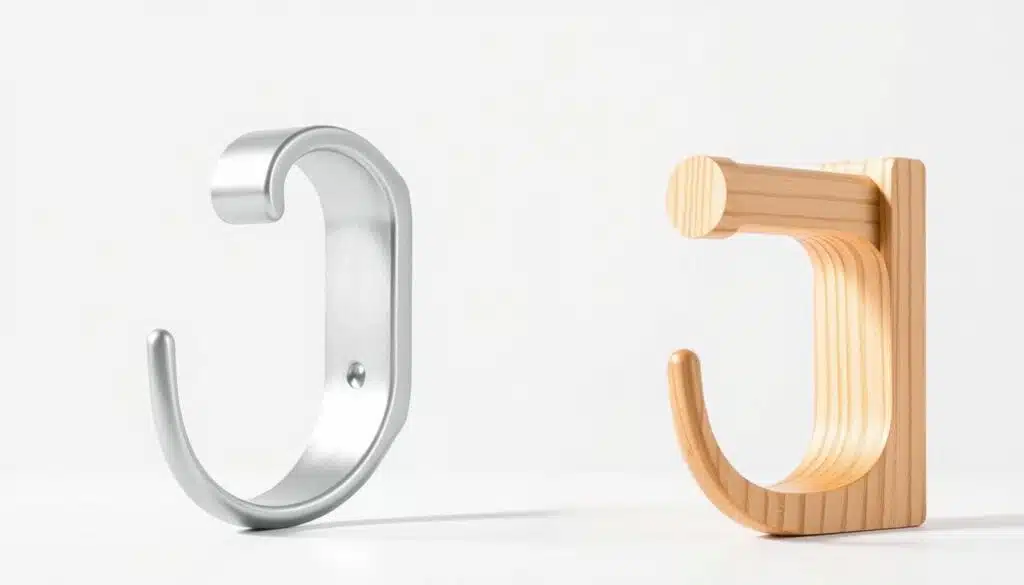
Want to know how aluminum and wooden hooks perform? We’ve got a detailed comparison. It covers glide, feel, and how each material affects gauge and stitch.
Side-by-side: glide, weight, temperature, durability
Aluminum hooks are smooth and fast, perfect for speed. Anodized finishes from brands like Clover Amour and Addi come in matte and shiny. This affects how the hook glides.
Wooden hooks, on the other hand, feel warm and grippy. KnitPro Symfonie and Furls fans love the feel. This grip can slow you down but helps with slippery yarns.
Aluminum feels denser and steadier in your hand. Wood is lighter and easier on your hand over time. Aluminum rarely bends, while quality wood and bamboo can resist breakage with care.
How each material affects gauge and stitch uniformity
Shape, not just material, can change your tension. But, aluminum vs wood shows trends. Anodized aluminum has consistent finishes that help with gauge.
Wood’s friction can tighten or loosen tension, affecting your stitches. This is more noticeable on tight gauge work or lacy patterns.
Performance by yarn type: cotton, acrylic, wool, slippery fibers
For cotton, many prefer aluminum hooks for fast rows. Wooden shafts can drag on cotton, slowing your pace.
Acrylic yarns are different. Some aluminum hooks squeak on certain acrylics. Your choice of hook for acrylic matters. Wood can reduce squeak and tame splitting, but cheap finishes may catch.
Wool works well with both materials. Both aluminum and wood show their strengths with wool, making it a flexible choice.
For slippery yarns, aluminum is faster, while wood offers more control. This makes choosing a hook for slippery yarns a trade-off between speed and safety.
| Property | Aluminum | Wood/Bamboo |
|---|---|---|
| Glide | Anodized smooth; fast with some finishes | Moderate; more tactile control |
| Weight | Heavier feel; stable for large projects | Lightweight; less hand fatigue on long sessions |
| Heat/Cold feel | Cool to touch; can feel slick with sweat | Warm, absorbs moisture; comfortable grip |
| Durability | High; resists bending and breakage | Durable if cared for; pricier handcrafted options |
| Gauge consistency | Predictable across yarns with quality finish | Variable; friction can tighten or loosen tension |
| Best yarn matches | Heavy yarns, tapestry, amigurumi; best hook for cotton often here | Natural fibers, fine work, slippery yarns hook choice for control |
| Typical issues | Slips with sweaty hands; possible squeak on acrylic | May slow speed on cotton; higher upfront cost |
Ergonomics and Handle Design: More Than Just Material
Choosing a hook seems easy until your hands hurt after a long time. The shape of the handle, the thumb rest, and the length of the shaft matter a lot. They affect how yarn loads, how you control stitches, and how your wrist feels at the end of the day. You need a tool that fits your grip and project, not one that makes you adjust.
Why handle shape, thumb rest, and shaft length matter
The shape of the handle decides if you prefer a knife or pencil grip. A slim metal shaft, like Susan Bates or Boye, can move stitches quickly. But thin metal-only handles can make your hands tired if you crochet for hours.
Thumb rest crochet features help control your stitches. Brands like Clover Amour and Tulip Etimo have molded rests for consistent tension. The length of the shaft affects how clusters and bobbles load on the hook. Short shafts can get stuck in big stitches, while longer shafts offer more room for complex patterns.
How aluminum and wood hooks differ when paired with ergonomic grips
Aluminum hooks often have soft grips added. Ergonomic grip aluminum options, like Addi Comfort Grip or Clover Amour, combine metal shafts with silicone handles to prevent slipping. Some users notice flex where the metal meets the handle after heavy use.
Wooden options usually have the shaft and handle as one piece. Ergonomic wood hooks from Furls or KnitPro offer a warm, steady feel with less vibration. They are popular for consistent tactile feedback without flex points.
Choosing a hook for long sessions or hand/wrist issues
If you’re looking for a hook for wrist pain or arthritis, choose thicker ergonomics and tested profiles. Furls, Clover Amour, and Addi Comfort Grip are often recommended. Try a single hook before buying a full set, as an ergonomic handle may suit one grip but not another.
Silicone handle hooks provide soft cushioning and good control for amigurumi. Ergonomic hooks with a pronounced thumb rest are great for reducing micro-adjustments. If joint pain is a concern, avoid thin metal-only handles and test shaft length for your common stitch patterns.
| Feature | Aluminum + Soft Grip | Ergonomic Wood Hooks |
|---|---|---|
| Grip feel | Secure with silicone, slight flex at join | Warm, steady, integrated feel |
| Thumb rest | Common on Clover Amour, Addi Comfort Grip | Often sculpted into handle, as with Furls |
| Shaft length options | Standard lengths, some short for tight work | Varied lengths, many custom-crafted choices |
| Best for long sessions | With ergonomic grip aluminum and silicone handle hooks | Excellent when size matches your hand |
| Suitability for wrist issues | Good if you choose thicker handles; look for best hook for arthritis reviews | Very good when lightweight and shaped for your grip |
Brand and Model Highlights: What to Try Next
Looking to upgrade your crochet hooks? Here are some top models to try. Mix in some splurges with practical choices for better hands and projects. Each hook has its own glide, feel, and yarn pairing.
Top aluminum-friendly models to consider
The Clover Amour is known for comfort. It has a soft handle and a matte-coated aluminum shaft for easy grip. Addi crochet hooks are praised for their smooth glide. They offer different lengths and shapes for a better fit.
The Tulip Etimo is loved for its pointed head and attractive finish. But, some finishes might squeak. Check out a detailed review at all about the crochet hooks I for more info.
Notable wood and wood-blend hooks worth sampling
For warmth and quiet stitching, try KnitPro Symfonie. These wood inline hooks are easy to hold and can affect your tension. Furls Streamline is known for its ergonomics and finish. They come in wood and resin blends for a premium feel.
Budget picks vs premium splurges — what you actually get
Boye and Susan Bates are great for beginners. They’re affordable and reliable. Corner Stone Crochet Lite and Hamanaka Raku Raku offer comfort and value at a lower cost.
Premium hooks like Furls cost more but offer refined handles and finishes. Consider buying a few premium pieces in your favorite sizes instead of a full set.
| Model | Material/Handle | Best for | Price Range |
|---|---|---|---|
| Clover Amour | Aluminum shaft with elastomer handle | Amigurumi, long sessions | Mid |
| Addi Swing / Comfort Grip | Aluminum with ergonomic handle options | Speed work, smooth glide | Mid to High |
| Tulip Etimo (Rose/Gold) | Aluminum with cushioned handle | Detailed work, stylish tools | Mid |
| KnitPro Symfonie | Wood, inline head | Warm feel, fine fibers | Mid |
| Furls Streamline | Wood or poly-resin, ergonomic | Long sessions, comfort seekers | High |
| Boye / Susan Bates | Aluminum / plastic | Beginners, classroom sets | Low |
| Corner Stone / Hamanaka Raku Raku | Aluminum with simple grip options | Comfort on a budget | Low |
When shopping, balance price with feel. Wood hooks soothe hands, while aluminum hooks are for speed. Budget hooks are good for basics, and premium ones for favorites. For more info, check out best crochet hooks for beginners.
Hook Types Beyond Material: Inline, Tapered, Tunisian and Double-Ended
You’ve chosen your favorite material, but the head shape and length matter too. Inline vs tapered crochet hooks affect how even and fast your stitches are. Inline aluminum heads make loops crisp and even, while tapered wood tips are gentle on yarn.
Understanding these differences helps you pick the right tool for your project.
How inline and tapered heads interact with different shafts
Inline heads stay the same width as the shaft, making stitches consistent. Inline aluminum creates a smooth fabric. An inline wood shaft offers a softer feel, slowing you down for neat stitches.
Tapered heads narrow toward the throat, speeding up stitch work. Tapered wood provides a warm feel. Tapered aluminum is fast, ideal for quick projects.
Tunisian and double-ended hooks: material choices that matter
Tunisian crochet hooks are longer, perfect for holding many loops. For heavy work, choose Tunisian steel hooks for strength. Wood or acrylic Tunisian hooks are lighter but may affect tension.
Double-ended hooks are great for reversible or two-color work. Their materials range from resin to metal. Resin hooks are light and sharp, ideal for colorwork. Metal hooks handle heavy yarn well.
When shaft length and throat shape trump material choice
Shaft length is key for loading many loops or making complex stitches. A short shaft can be uncomfortable. Choose a longer shaft for patterns with many wraps.
Throat shape is important for yarn retention and release. A deep throat holds stitches well. A shallow throat makes stitches slip off faster, which some prefer.
For detailed comparisons, check out a trusted guide like crochet hooks guide. It compares inline aluminum, tapered wood, Tunisian steel, and double-ended hooks.
Project-Based Recommendations: Match Hook to Craft
For neat results, choose a hook that fits your project. Small toys and dense items need a tight gauge crochet hook. This hides stuffing and makes shapes crisp.
Large afghans or floor pieces require hooks that resist bending and abrasion. This keeps your stitches looking good over time.
Amigurumi and tight gauge projects
For amigurumi, use a hook that’s a size or two smaller than the yarn label suggests. This tight gauge keeps stuffing hidden and gives faces a polished look.
Choosing between aluminum and wood hooks for amigurumi depends on feel and slip. Aluminum hooks from brands like Clover Amour and Tulip Etimo work well in tight stitches. Wooden hooks are better for slippery yarns, but test swatches to confirm gauge.
Learn about common hook sizes and their effect on gauge at crochet hook sizes guide. Then, pick a tight gauge crochet hook for amigurumi trials.
Blankets, rugs, and heavy-duty projects
Big, heavy projects need heavy-duty crochet hook materials. Aluminum is great because it resists bending and wears well with chunky yarns. Metal shafts in hooks for blankets give steady tension and last long.
Rugs need hooks with robust handles and larger heads to reduce hand strain and stand up to friction. Some large plastic or nylon-headed hooks work for very bulky yarns, but metal is better for longevity.
Inline heads can change tension slightly, so swatch before committing to a full blanket. Cheap hooks can show weaknesses in heavy projects, so invest in proven materials.
Delicate lace, thread work, and fine garments
Fine crochet hooks and steel crochet hooks are best for thread and lace. Steel gives tiny gauges and is standard for doilies, trims, and fine garment details.
Wooden hooks are good for delicate natural fibers. They add friction to control slippery threads and produce even stitches without aluminum’s slip.
Choose your tools based on the fiber and the finish you want. For lace, try both steel and fine crochet hooks to see which gives the stitch clarity you prefer.
| Project | Recommended Hook Type | Why it Works |
|---|---|---|
| Amigurumi | Small aluminum or smooth wood, tight gauge crochet hook (3.25–3.5 mm common) | Small size hides stuffing, aluminum offers consistent tension, wood adds control for slippery yarns |
| Blankets | Aluminum or heavy-duty handles, hooks for blankets (larger sizes) | Metal shafts resist bending, smooth glide keeps working speed up on bulk yarn |
| Rugs | Rugs crochet hooks with robust build, aluminum or reinforced materials | Durability against abrasion, strong shafts prevent breakage under stress |
| Lace and Thread | Steel crochet hooks or very fine crochet hooks; select sizes by thread label | Precision at tiny gauges, excellent for delicate patterns and trims |
| Fine Garments | Fine crochet hooks, wood or steel depending on fiber | Wood offers control with slippery natural fibers, steel delivers exact gauge for thread work |
How to Test Hooks Before You Commit: Practical Try-Before-You-Buy Tips
Want to avoid buyer’s remorse? Give your hooks a test run before buying. A simple try-before-buy crochet hooks routine saves time and stress. Start with one hook that matches your favorite yarn. This helps you check the head shape, shaft length, and handle type.
Check if the hook glides smoothly. Use your planned yarn and crochet a few rows in half double crochet. This shows if the yarn splits or if the head is rounded or pointy. Also, time how fast you can crochet a row or two.
Pay attention to your hands while crocheting. If you feel hand fatigue quickly, the handle might not fit right. Hooks with aluminum and an elastomer grip often reduce fatigue. Wooden hooks feel warm and prevent slipping but might need a different size for tight stitches.
Make a small swatch test for each hook. Keep the yarn, stitch pattern, and tension the same. Measure the gauge and count rows. Take photos or compare edges to check for stitch neatness.
For amigurumi, pull a loop tight and check if the hook fits well. Use final stuffing in a test piece to see if stitches block it. If holes appear or stuffing shows, adjust the hook size.
Test hooks on different fibers like cotton, acrylic, and wool. Note how they handle and if they split the yarn. Record which hook works best on each fiber. This helps you make a smart buying decision.
Ask a friend to lend you hooks to try. Test a premium size from Furls if you use it daily. Look for brands like Boye and Addi for reliable aluminum options. Color-coded handles like Clover Amour make finding the right size easier.
If you like mixing and matching, start a small set from your favorite brands. Buy a few favorites as splurges and fill gaps with budget options for travel. This strategy balances comfort, cost, and performance.
| Test Step | What to Check | Why It Matters |
|---|---|---|
| Single-hook trial | Head shape, handle comfort, shaft type | Reveals immediate fit and possible hand fatigue |
| Test crochet hook glide | Work consistent rows; time a row | Shows speed, snagging, and yarn compatibility |
| Crochet swatch test | Measure gauge, row count, stitch neatness test | Lets you compare hooks objectively across yarns |
| Tight-stitch check | Slip in/out of tight loops; use stuffing for amigurumi | Determines hole size and whether stitch hides stuffing |
| Fiber range test | Try cotton, acrylic, wool | Identifies splitting, loading, and friction issues |
| Buying tactics | Borrow, single hook purchase, mix-and-match sets | Builds a practical kit without wasting money |
Care, Longevity, and Storage for Aluminum and Wood Hooks
Give your hooks the care they need to last long. Whether you have aluminum or wooden hooks, a little effort goes a long way. Clean the shafts after each use and gently wash the handles to remove oils from your hands.
Cleaning and maintenance
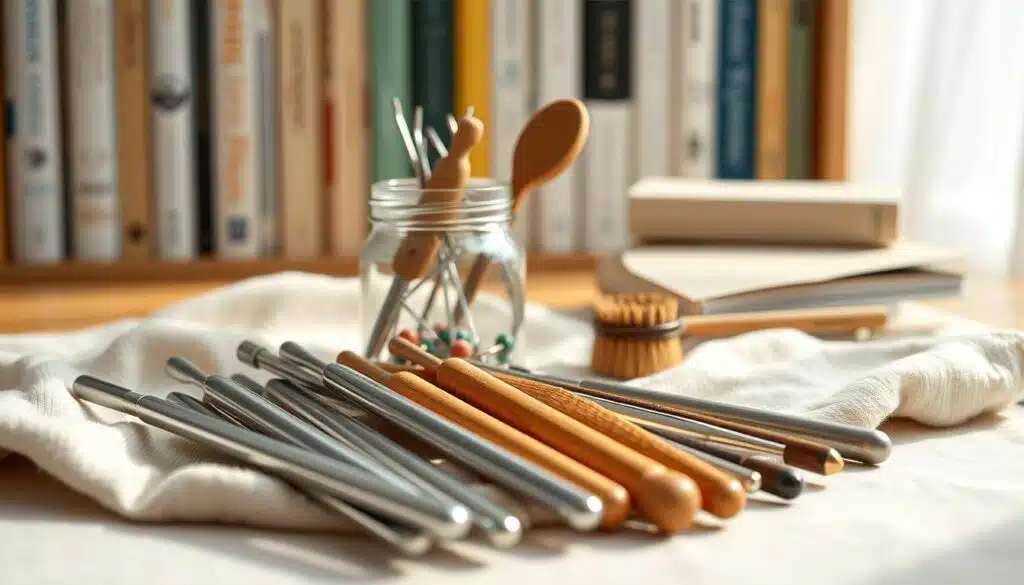
To clean aluminum, use a soft cloth and mild soap. For a deeper clean, dampen the cloth, then dry it quickly to stop dirt from building up. Wooden hooks need gentle care; avoid harsh chemicals that can damage the finish. Use a soft cloth and a bit of mineral oil or hook oil to keep them smooth.
Preventing wear
Keep hooks away from extreme temperatures to prevent warping or handle loosening. Don’t expose them to direct sunlight, as it can cause fading. Clean elastomer or silicone grips with soap and water, then let them air dry. Be careful not to bend aluminum hooks, and avoid applying too much pressure on flexible ends.
Storage and organization
Organizing your crochet tools helps prevent scratches and lost sizes. Store metal and wood hooks separately to avoid damage. Use a dedicated case for daily storage or travel. Choose a case that protects your hooks, like those from Furls, to keep engraved sizes clear.
Practical crochet hook storage tips
- Store hooks dry and cool to prevent warping and finish damage.
- Group by size or material to speed up project prep and protect finishes.
- Choose a crochet hook case with individual slots or soft pouches to prevent shafts from rubbing together.
- Check handles occasionally for loosening where shafts are glued into grips.
Small rituals that extend life
Develop a monthly routine: clean metal, oil wooden hooks, and reorganize your hooks. These small steps help keep your hooks in good condition, ensuring they remain smooth and ready for your next project.
Conclusion
You don’t need a single champion to settle the aluminum vs wood hooks conclusion. You need what feels right in your hand and for your yarn. Aluminum hooks from brands like Addi and Clover glide quickly. They suit beginners, heavy yarns, and tight-gauge projects.
Wooden options such as KnitPro Symfonie and Furls offer warmth and comfort for long sessions. They are lighter in weight.
When choosing crochet hooks, consider head style, shaft length, and handle design. Inline vs tapered heads change stitch behavior. A soft-handle Clover Amour or a Tulip Etimo can make aluminum feel less rigid.
Test with short swatches and single-hook trials before investing in sets. Mix budget picks with premium tools to build a toolkit that fits your hands and projects. Read hands-on guides like this material comparison to refine your choice. In the end, the best crochet hook for you is the one that keeps you stitching happily.
FAQ
Aluminum vs wood hooks — which one should you reach for first?
If you want speed and consistent stitches, go for aluminum. It’s lightweight and durable, perfect for heavy projects. For warmth and control, choose wood or bamboo. Try both to see which works best for you.
How does hook material actually affect performance?
Material changes how yarn moves and feels. Aluminum offers smooth, fast stitches. Wood adds friction, helping with slippery yarns but slowing tight stitches.
What parts of the hook should I inspect because material alone isn’t everything?
Look at the head, throat, shaft, and handle. Inline heads are good for uniform stitches. A short shaft can be uncomfortable, regardless of material.
What are the typical sizes and material profile for aluminum hooks?
Aluminum hooks range from 2 mm to 12 mm. They’re often anodized for smoothness. Brands like Clover Amour and Addi are popular for their slick surface.
Why do crocheters rave about aluminum hooks for heavy or textured projects?
Aluminum resists bending and handles heavy yarns well. Its smooth surface helps maintain speed and even stitches in dense patterns.
What are the downsides of aluminum hooks I should watch for?
Aluminum can be slippery if your hands sweat. Sharp points may split yarn. Some finishes squeak with acrylic. Thin handles can be uncomfortable for long use.
What sizes and woods are common for wooden and bamboo hooks?
Wood and bamboo hooks range from tiny to large sizes. Brands like KnitPro Symfonie and Furls offer various shapes and finishes.
Why do people prefer wood or bamboo hooks for comfort?
Wood feels warm and controls slippery yarns. It’s lightweight, reducing fatigue in long sessions. Many find it more comfortable than metal.
Are there drawbacks to wooden hooks?
Wood can be pricey and adds friction. This can slow you down with tight stitches. Finishes and shapes vary, affecting tension and care.
How do aluminum and wood compare side-by-side on glide, weight, and durability?
Aluminum glides smoothly but can feel cold. Wood is warm and light. Aluminum is durable, but wood can chip or warp if mishandled.
Will material change my gauge or stitch uniformity?
Yes, material affects gauge and stitch uniformity. Aluminum tends to produce even stitches. Wood’s friction can tighten or loosen tension.
Which hook material works best with different yarn types—cotton, acrylic, wool, and slippery fibers?
Cotton: wood controls it; aluminum keeps you fast. Acrylic: aluminum may squeak; wood may snag less. Wool works well with both. Slippery fibers: wood’s bite helps; matte-finished aluminum also works.
How important is handle shape, thumb rest, and shaft length compared to material?
Handle ergonomics are key. They determine grip comfort and wrist health. Shaft length affects loading clusters and bullion stitches.
Do ergonomic grips behave differently on aluminum vs wood hooks?
Yes, ergonomic grips vary. Aluminum hooks often have elastomer handles for comfort. Wood hooks offer a consistent feel but vary in shape.
Which aluminum hook models are crowd-pleasers right now?
Clover Amour, Addi, and Tulip Etimo are favorites. They balance finish, grip, and sizing. Boye and Susan Bates are budget options.
Which wooden or wood-blend hooks should you try if you want that natural feel?
KnitPro Symfonie and Furls Streamline are praised. KnitPro offers attractive inline designs. Furls offers premium ergonomics.
Should I buy budget sets or splurge on premium single hooks?
Try single premium hooks first. Mix budget options for travel and testing with premium picks for daily use.
How do inline and tapered heads interact with aluminum or wood shafts?
Inline heads are consistent; tapered heads move faster. Aluminum inline gives even gauge and speed. Wood inline may alter tension. Tapered aluminum is forgiving.
When should I consider Tunisian or double-ended hooks and does material matter there?
For Tunisian work, choose sturdy materials like steel or quality wood. Double-ended hooks suit colorwork and spiral techniques. Choose a material that slides well for your yarn.
For amigurumi and tight-gauge toys, which material hides stuffing best?
Aluminum with a comfortable elastomer handle is best. Its smooth shaft ensures tight stitches and keeps stuffing in.
Which hooks are best for blankets, rugs, and other heavy-duty projects?
Choose durable aluminum or well-made large wooden hooks. Aluminum handles chunky yarns without complaint. Avoid flimsy plastic for rugs and baskets.
For delicate lace and threadwork, should I use wood, aluminum, or steel?
Steel is best for fine threadwork. For larger delicate garments, fine wood hooks offer control. Aluminum is good for smooth, fast stitches in larger sizes.
How should I test a hook before committing to a whole set?
Try a single hook first. Crochet a small swatch in your yarn. Time rows, check for splitting, and measure gauge. Borrow or buy singles to test.
What swatch tests give the most useful information?
Use the yarn for your project. Make a 4×4 inch swatch in your stitch. Measure gauge, check evenness, and test for slipping.
How do I care for and clean aluminum and wooden hooks?
Wipe metal shafts with a soft cloth. Clean elastomer handles with mild soap. Keep wood dry and rub with mineral oil or conditioner if needed. Store in a case to prevent damage.
What storage and longevity tips keep hooks performing their best?
Use a padded roll or case to protect hooks. Keep wood away from extreme temperatures and humidity. Avoid dropping metal shafts and don’t force yarn through snaggy finishes.
Any quick maintenance warnings about handles or finishes?
Watch for shafts glued into soft handles; flexing can cause separation. Some aluminum finishes squeak with acrylic. Avoid soaking wooden hooks and use gentle cleaners. Follow the maker’s care notes.
How do I pick the right hook if I have wrist pain or crochet a lot?
Prioritize ergonomic handles and try different grips. Wooden hooks are good for long sessions. Alternate hooks and take breaks to avoid wrist pain.
Where should I look to buy reliable aluminum and wooden hooks?
Look for brands like Clover, Addi, Tulip, KnitPro, and Furls. Check online retailers and local shops. Try in hand when possible.
Final quick tips—what should I remember when choosing between aluminum and wood?
There’s no one-size-fits-all choice. Choose aluminum for speed and wood for comfort. Match head style and shaft length to your stitches. Buy singles to test and swatch in your yarn.