Knitting Machine Reviews: 7 Best Powerful Picks for 2025
Why Knitting Machines Are Revolutionizing Home Crafting
If you’re looking for knitting machine reviews, here’s a quick comparison of the top options:
| Machine Type | Best For | Learning Curve | Project Versatility |
|---|---|---|---|
| Circular (Sentro, Addi) | Beginners, quick projects | Low | Hats, scarves, tubes |
| Flatbed (LK150, Silver Reed) | Intermediate, garments | Medium | Sweaters, shaped items |
| Electronic (Silver Reed SK840) | Advanced, complex patterns | High | Detailed designs, garments |
Knitting machine reviews consistently show that these devices can dramatically speed up your crafting process while reducing hand strain. A project that might take days by hand can be completed in under an hour with the right machine. The Sentro 48-pin can produce a hat in just 30-40 minutes, while the Bond Ultimate Sweater Machine can knit up to 1,200 stitches per minute! This efficiency makes knitting machines perfect for crafters who love the look of knitted items but find hand-knitting time-consuming or physically challenging.
Modern knitting machines come in various styles to suit different needs and skill levels. Circular machines like the Sentro and Addi Express are ideal for beginners, offering simple setup and quick results. Flatbed machines such as the LK150 and Silver Reed models provide more versatility for garment creation. The key is matching the machine to your specific project goals and yarn preferences.
When choosing your first knitting machine, consider factors like needle count (more needles = wider projects), tension control options, and yarn compatibility. Many beginners find that mid-gauge machines (6.5mm) offer the best balance of versatility and ease of use.
I’m Sonji Huerta, a crafting enthusiast who has researched and tested various knitting machines to provide honest knitting machine reviews for fellow beginners seeking to expand their crafting capabilities. My journey began with circular machines before advancing to flatbed models, giving me experience with the learning curves and capabilities of different systems.
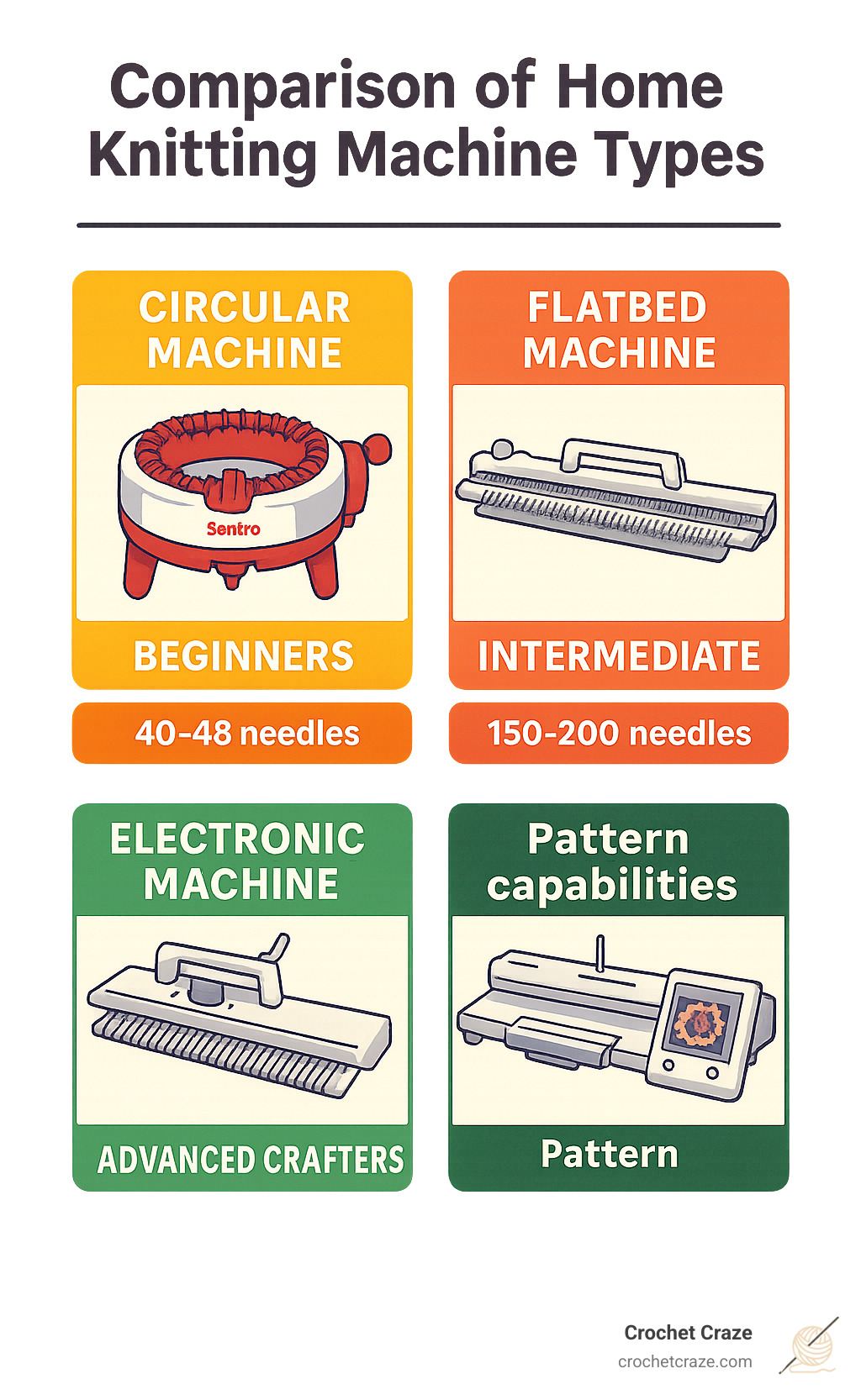
Quick Look: Main Types of Home Knitting Machines
Let’s unpack home knitting machines before we dive into specific knitting machine reviews. Think of this as your friendly roadmap to understanding which type might become your crafting companion!
Circular Machines 101
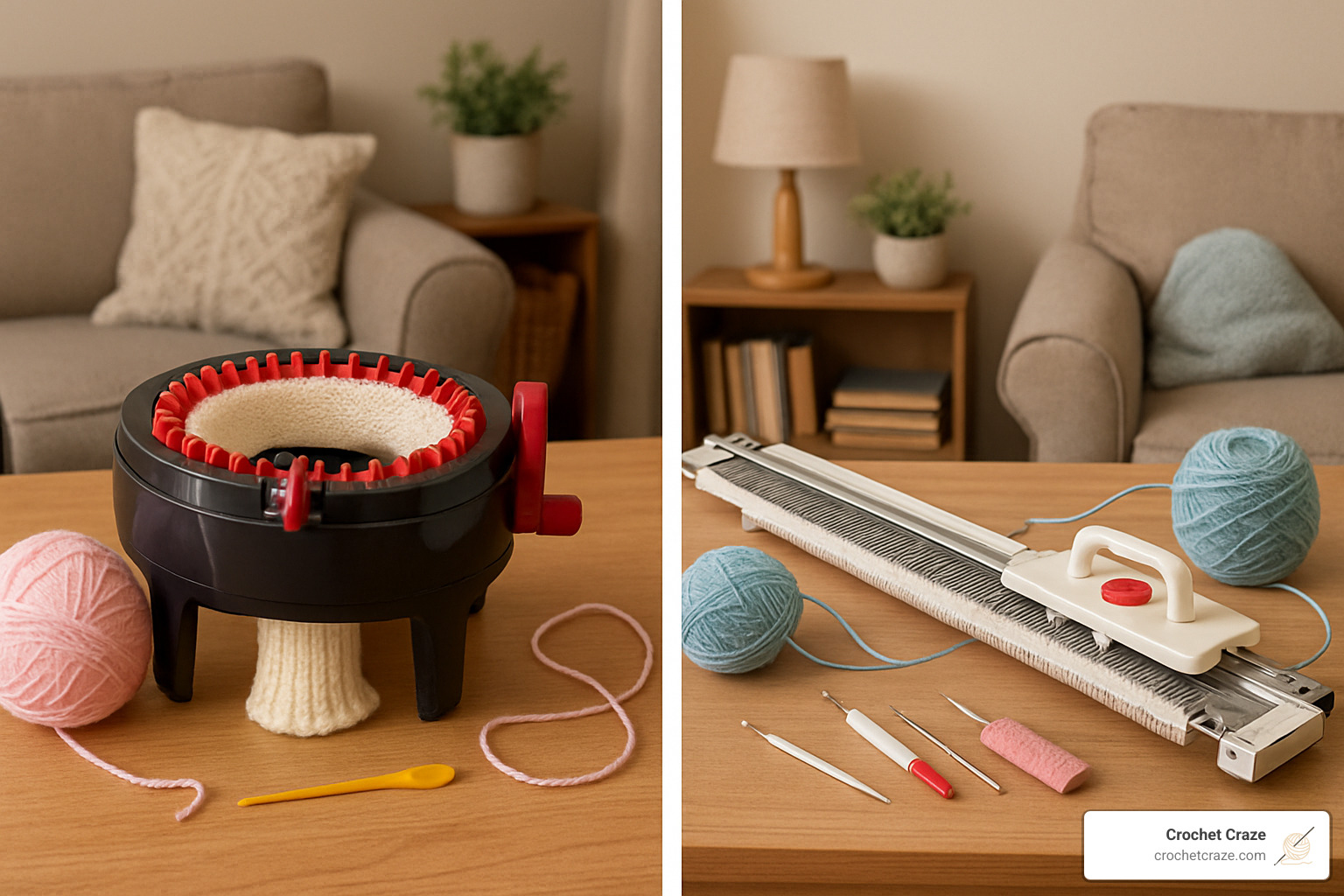
Circular knitting machines are the friendly “hello” to the machine knitting world. If you’re just starting out, these compact little wonders offer the perfect balance of simplicity and satisfaction.
Picture a merry-go-round of needles (usually between 22-48) arranged in a circle that creates tubular fabric as you turn a hand crank. The Sentro models have become incredibly popular, with their 48-pin version being ideal for adult-sized projects. The Addi Express offers both a regular version with 22 needles and the King Size with 46 needles, while the lightweight Prym features 44 needles for comfortable handling.
What I love about these machines is their almost instant gratification – imagine whipping up a cozy twisted headband in about 25 minutes or finishing a hat before your favorite TV show ends! Most circular machines include a clever switch that lets you create flat panels instead of tubes by simply changing your cranking direction.
The trade-off? You’re mostly limited to stockinette stitch unless you’re willing to get hands-on with some manual manipulation. But for beginners, that’s often plenty to create beautiful, useful items!
Flatbed & Sweater Machines
When you’re ready to expand your creative horizons, flatbed knitting machines offer the next exciting step. Instead of a circle, these machines feature a straight row of needles – anywhere from 100 to 200+ needles depending on the model.
The LK150 is a beloved mid-gauge (6.5mm) machine with 150 needles that works beautifully with DK to worsted weight yarns. The Bond Ultimate Sweater Machine (commonly called the USM) handles bulkier yarns with its wider gauge. For those looking for variety, the Silver Reed SK series offers different gauges with either punch-card or electronic pattern options.
What makes flatbeds special is their ability to handle more complex shaping techniques. Want to create a perfectly fitted sweater? You’ll need those increases, decreases, and short rows that flatbeds excel at. These machines can produce wider fabric pieces and open up a world of stitch pattern possibilities through manual techniques, punch cards, or electronic controls.
Yes, the learning curve is steeper than with circular machines, but oh, the creative doors that open! Sweater panels, blankets, and beautifully shaped accessories all become possible with professional-looking results.
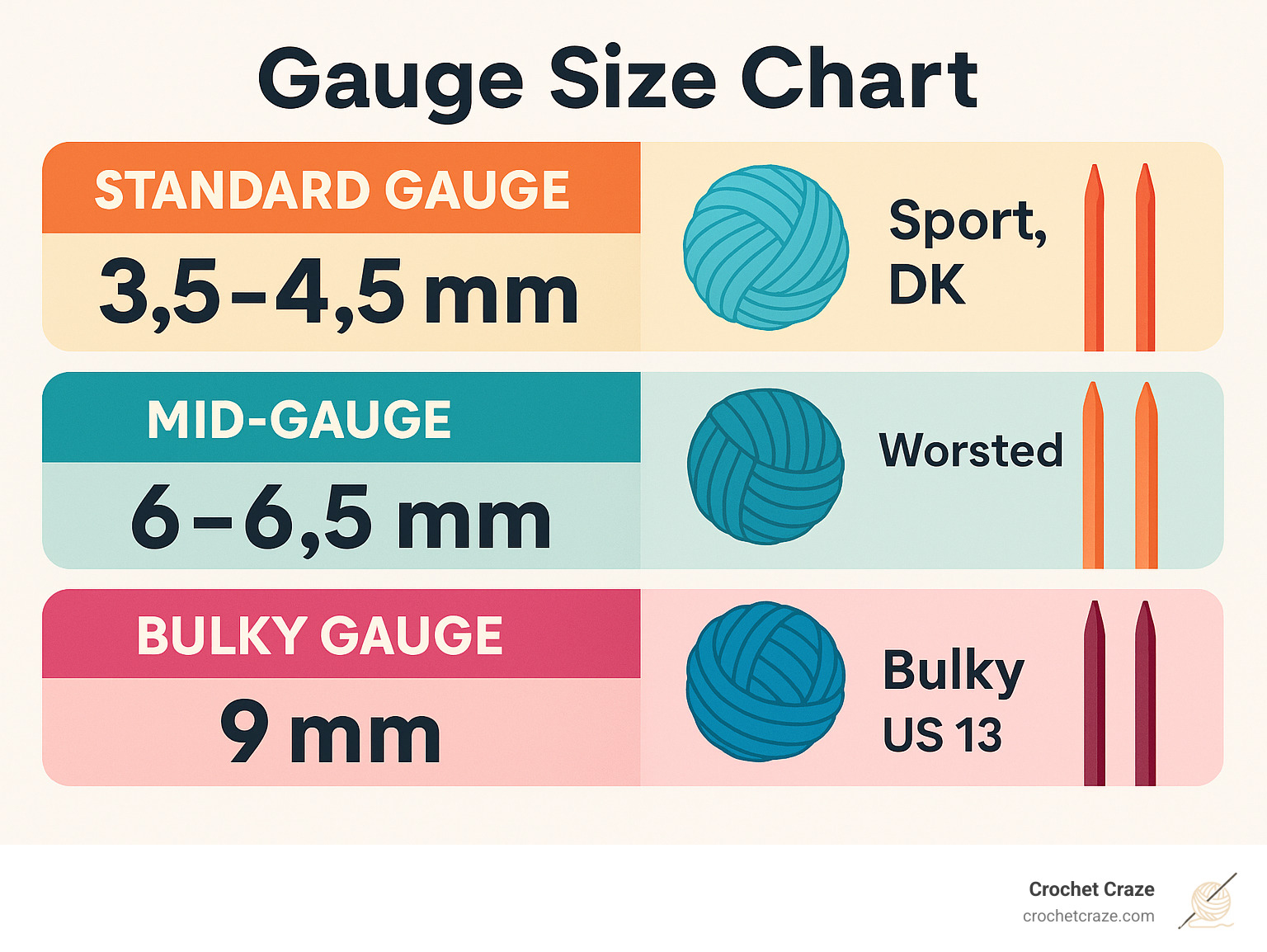
When shopping for a machine, you’ll often see references to “gauge” – this simply refers to the spacing between needles, which determines what yarn weights work best. Standard gauge (3.5-4.5mm) works with finer yarns, mid-gauge (6-6.5mm) handles your everyday medium-weight yarns, and bulky gauge (9mm) is perfect for those chunky, cozy projects.
The wonderful thing about knitting machines is how they balance versatility with specialty. Some crafters eventually collect different machines for different projects – perhaps a circular machine for quick hats and a flatbed for sweaters. If you’re curious about diving deeper into flatbed options, check out our More info about Flatbed Knitting Machines guide, or explore More info about Double Bed Knitting Machine if you’re intrigued by the possibility of creating automatic ribbing and double-sided fabrics.
Knitting Machine Reviews: Entry-Level to Advanced
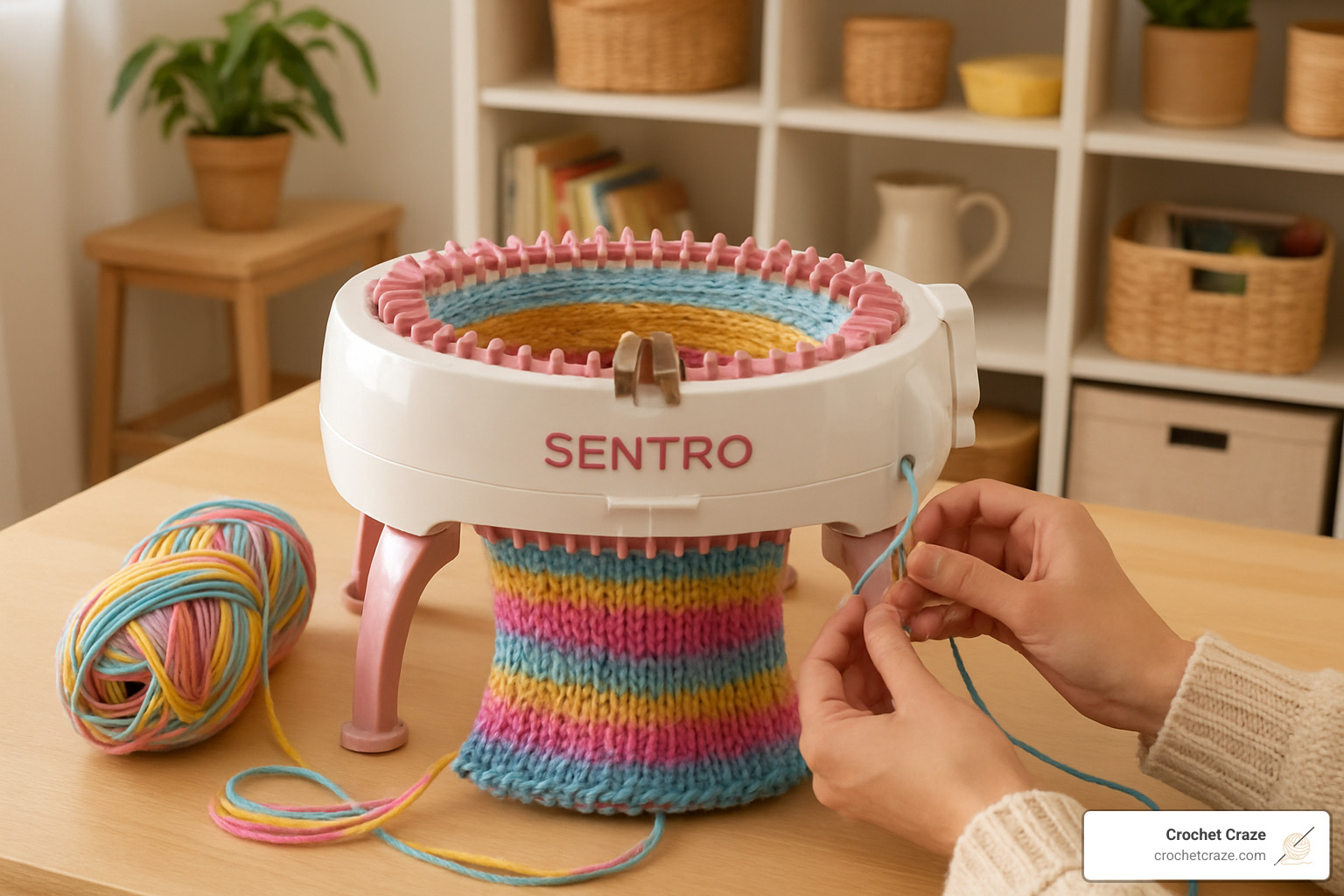
Let’s explore the heart of what you’re here for—honest knitting machine reviews from someone who’s actually used these crafty time-savers! I’ve spent countless hours testing these machines so you don’t have to learn everything the hard way.
Knitting Machine Reviews – Budget Circular Stars
The Sentro 48-pin knitting machine has become the darling of crafting TikTok for good reason. At an accessible price point, this little powerhouse lets you create adult-sized hats and accessories with minimal fuss. I was genuinely surprised by how quickly I went from opening the box to knitting my first hat—about 30 minutes of learning followed by 40 minutes of actual knitting!
The plastic construction means you’ll need to handle it with some care (no dropping it off the craft table!), and yes, the row counter might decide to take a vacation after a few months. But for beginners wanting to dip their toes into machine knitting without a major investment, it’s hard to beat. I’ve found Caron Simply Soft yarn works beautifully with this machine—the yarn flows smoothly and creates even stitches.
For those curious about seeing this machine in action, check out this YouTube Sentro review that walks through the basics.
The Prym Midi Knitting Mill is another budget-friendly option that deserves attention. With 44 needles and surprisingly sturdy construction for a plastic machine, it’s impressively lightweight at under 4 pounds. What really wowed me was its speed—I knitted through nearly 460 yards of yarn in just 15 minutes! That’s a game-changer for charity knitters or anyone with gift-giving deadlines.
The HTOYES circular knitting machine rounds out our budget options. While similar to the Sentro in many ways, it sometimes includes helpful extras like stitch markers and row counter improvements. Just be prepared for the learning curve with tension—too tight and you’ll struggle to turn the crank, too loose and you’ll be hunting for dropped stitches!
Knitting Machine Reviews – Premium Circular & Mid-Gauge Picks
If you’re ready to invest in quality that lasts, the Addi Express King Size showcases that famous German engineering with its 46 needles of pure reliability. The difference in build quality is immediately noticeable—this machine feels solid in a way that budget models simply don’t.
What I love most about the Addi is its consistency. Once you find the right yarn tension (which admittedly takes some practice), you’ll get professional-looking fabric with minimal dropped stitches. The row counter actually works reliably—a small miracle in the knitting machine world! When a needle eventually wears out, AddiExpress replacement needles are readily available, unlike some budget brands.
A clever hack I’ve finded: some crafters have created 3D-printed tension fork adapters that give you much better control over your stitch size. It’s this kind of community innovation that makes the Addi ecosystem so special.
The Addi Pro offers similar quality in a smaller package, with excellent lifetime warranty coverage that proves the company stands behind their products. Both machines excel at creating even, professional-looking fabric that doesn’t immediately scream “machine-made.”
Flatbed Workhorses for Sweaters & Beyond
Ready to graduate from tubes to sweaters? The LK150 mid-gauge flatbed is widely considered the “desert island” knitting machine—if crafters could only keep one, this would be it. With 150 needles allowing projects up to 150 stitches wide, it strikes the perfect balance between versatility and user-friendliness.
What makes the LK150 special is its accommodating nature with yarns ranging from sport to worsted weight. I’ve created everything from delicate baby cardigans to chunky winter scarves on this machine. The learning curve is steeper than circular machines, but the creative possibilities expand exponentially. Shaping techniques like increases and decreases become possible, opening the door to fitted garments rather than just tubes and panels.
The Silver Reed SK280 standard gauge represents a step up for serious enthusiasts. With 200 needles and punch card capabilities, you can create intricate patterned fabrics that rival commercial knitwear. I was amazed to knit an entire sweater front in just 25 minutes once I mastered the machine’s workflow. The downside? It’s particular about yarn weights, preferring fingering to sport weight yarns, and requires regular maintenance to keep those 200 needles happy.
For those interested in even more advanced options, check out More info about Double Bed Knitting Machine which explains how adding a ribber attachment creates truly professional results.
The Bond Ultimate Sweater Machine (or USM) offers a more affordable entry into flatbed knitting with its bulky gauge designed for quick results with heavier yarns. Though discontinued, these machines still have a devoted following and can be found secondhand. They’re perfect for blankets and chunky garments, though the plastic construction requires some babying compared to metal machines.
What I’ve learned through testing all these machines is that there’s no perfect “one-size-fits-all” solution. The best machine truly depends on your specific projects, preferred yarns, available space, and budget. In our next section, I’ll help you steer exactly how to choose the right machine for your unique crafting journey.
Buying Guide: How to Choose Your First Machine
Shopping for your first knitting machine can feel like entering a maze without a map. After trying dozens of machines and talking with fellow crafters, I’ve put together this friendly guide to help you steer the options with confidence.
Feature Checklist for Beginners
When reading knitting machine reviews, certain features will make your crafting journey much smoother from day one.
A reliable row counter tops my must-have list – there’s nothing more frustrating than losing track mid-project! Not all counters are created equal, though. Budget machines often include counters that skip or reset unexpectedly, so pay special attention to what reviewers say about this specific feature.
Your machine needs to stay put while you work, so look for solid stability features. Good machines come with sturdy clamps, suction feet that actually stick, or weighted bases that prevent the dreaded “machine dance” across your table.
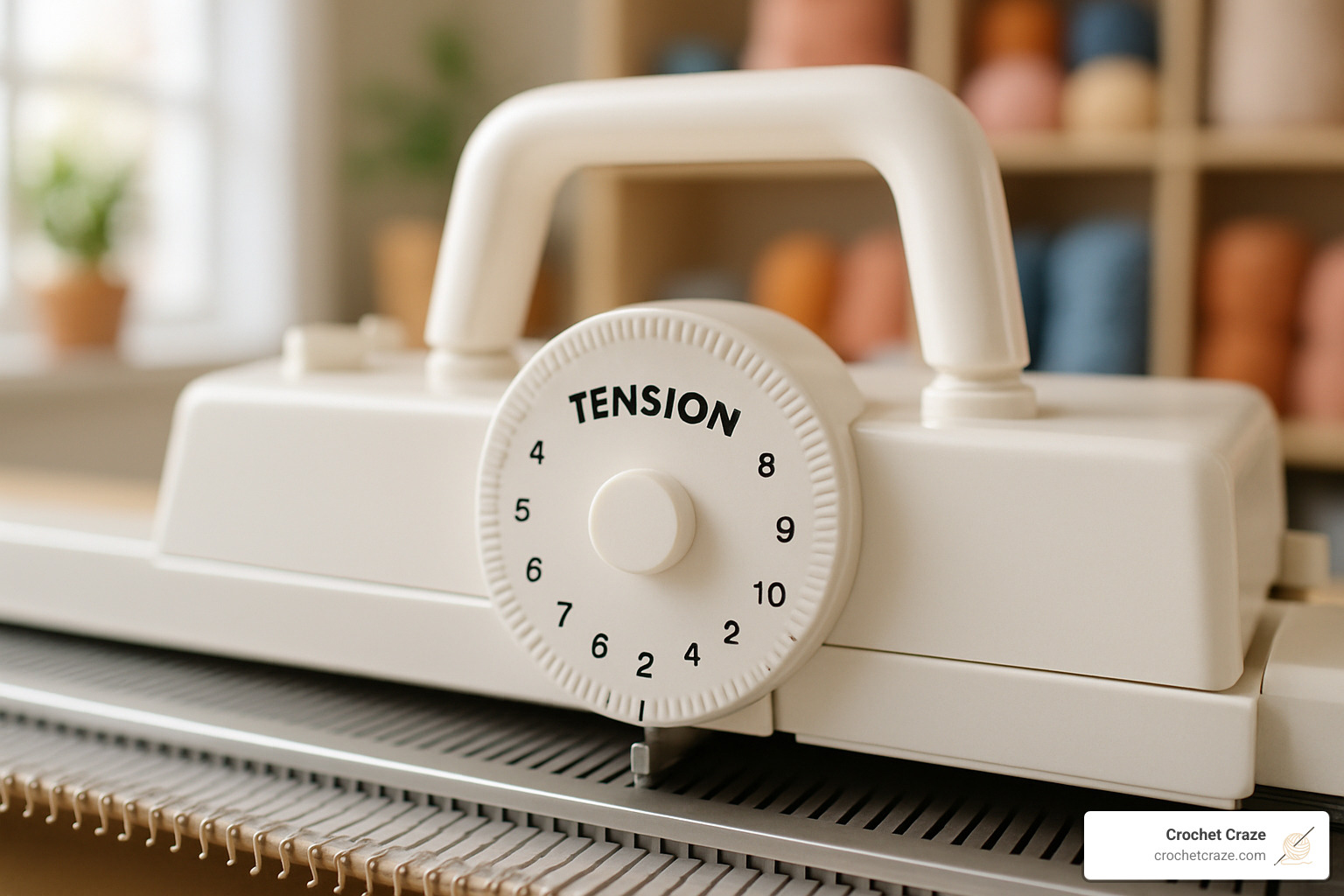
Tension control makes the difference between professional-looking fabric and a wonky mess. Higher-quality machines offer adjustable tension dials, while budget options might rely solely on your yarn choice to control stitch size – something to consider if you like experimenting with different yarns.
The needle count directly affects what you can create. For circular machines, aim for at least 46-48 needles if you want to make adult-sized hats and accessories. With flatbeds, 150+ needles gives you the flexibility to create wider projects without seaming.
Before falling in love with a discontinued model, check on replacement parts availability. Nothing’s sadder than a beloved machine gathering dust because you can’t find replacement needles! Many crafters in our Crochet Craze community have learned this lesson the hard way.
For the speed demons among us, some machines have drill adapter potential – a fun hack where you can attach a power drill to crank your machine at warp speed. It’s not essential, but can be a delightful upgrade for larger projects.
Matching Machines to Projects & Yarns
Finding your perfect machine match depends largely on what you’re excited to create. Let me break it down by project type:
Hat lovers should gravitate toward circular machines with 46-48 needles like the Sentro 48-pin or Addi King Size. You’ll typically crank out about 55-60 rows for an adult beanie, which takes about 30-40 minutes once you get the hang of it. My first machine-knit hat took me nearly two hours, but by the third one, I was zooming!
For scarves, any circular machine works beautifully for tube scarves (which have extra warmth). If you prefer traditional flat scarves, a flatbed machine gives you more width options. The smaller Addi Express Pro with its 22 needles makes adorable children’s scarves that my nieces adore.
Sweater enthusiasts should look directly at flatbed machines like the LK150 or Silver Reed models, which offer the shaping capabilities needed for fitted garments. If chunky, quick sweaters are more your style, the Bond USM might be your perfect match despite its quirks.
Blanket makers need width, so flatbed machines with extension capabilities work wonderfully. Another approach I’ve used is creating multiple panels on a circular machine and seaming them together – a great solution if space or budget constraints make a large flatbed impossible.
Through extensive yarn testing (the fun kind of research!), I’ve found these yarns perform exceptionally well in home machines:
For circular machines, Caron Simply Soft creates beautiful, consistent fabric. Bernat Baby Softee runs like a dream for baby projects, while Lion Brand Vanna’s Choice gives excellent stitch definition.
Mid-gauge flatbeds like the LK150 handle worsted weight (#4) and DK weight (#3) yarns beautifully, while standard gauge machines prefer sport weight (#2) and fingering weight (#1) yarns.
If you’ve invested in a bulky machine, you’ll want chunky (#5) and bulky (#6) yarns to take advantage of its capabilities. Curious about the best chunky yarns for big, cozy projects? Check out our guide to Chunky Knit Blanket Yarn.
The golden rule of machine knitting is matching your yarn weight to your machine’s gauge. Too thick, and you’ll fight dropped stitches; too thin, and your fabric will be loose and floppy. When in doubt, connecting yarn in knitting can help you test different weights without committing to a full project.
Your first machine probably won’t be your last – many of us at Crochet Craze started with a simple circular machine before expanding our “knitting machine family” as our skills and interests grew!
Care, Troubleshooting & Community Resources
Let’s face it—even the most exciting new knitting machine can become a frustrating doorstop if you don’t know how to maintain it or fix common issues. I’ve been there, nearly tossing my first Sentro out the window before finding the simple fixes that transformed my experience!
Common Fixes for Affordable Machines
Those dreaded dropped stitches that plague budget machines? They’re usually fixable with a few simple tweaks. Adding weights to pull down your fabric works wonders, especially with circular machines like the Sentro. I hang small binder clips with washers attached along the bottom edge of my work—not pretty, but effective! Maintaining steady tension and cranking at a moderate pace (not too fast, not too slow) also dramatically reduces dropped stitches.
Those temperamental row counters on budget machines can drive you crazy. After my Sentro counter went haywire mid-project, I started keeping a simple tally on my phone or using a clicker counter from the dollar store. Some crafters even use stitch markers every 10 rows as a visual backup system.
For machines without proper tension control, don’t despair! Experiment with different yarn weights until you find your machine’s “sweet spot.” I’ve found that using a waste yarn technique for cast-off creates a smoother edge, and several Addi users swear by 3D-printed tension fork accessories shared in online communities.
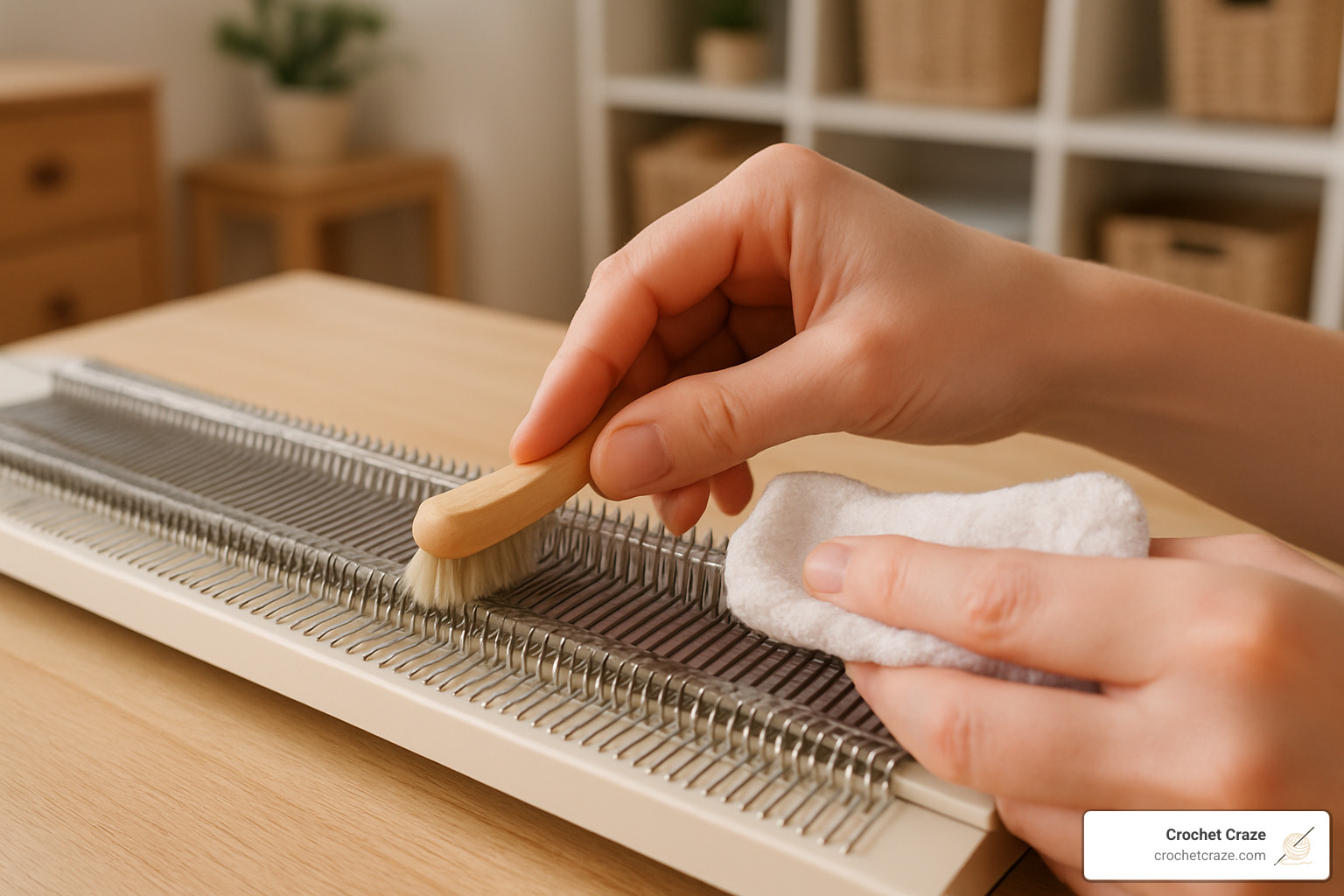
Regular maintenance keeps your machine purring along. I set a monthly reminder to clean lint from my needles (an old toothbrush works perfectly) and apply a tiny drop of sewing machine oil to moving parts. For flatbed machines, checking the sponge bar condition every few months prevents frustrating needle problems down the road.
Learn Faster with Online Support
The machine knitting community has been my lifeline through countless projects. When I couldn’t figure out how to do ribbing on my machine, I finded this fantastic YouTube tutorial that made it click instantly.
YouTube channels have become my virtual knitting mentors. Taylor Lynn’s Crochet offers beginner-friendly Sentro tutorials that saved my first hat project. Yay for Yarn shows Addi Express techniques with such clarity that even complex patterns feel approachable. For flatbed enthusiasts, KnitFactoryImpl breaks down techniques that might otherwise take months to master.
Beyond videos, the online communities feel like having knitting buddies available 24/7. Ravelry groups dedicated to specific machine models are treasure troves of pattern modifications and troubleshooting. The “Machine Knitting for Beginners” Facebook group welcomes questions without judgment—I’ve posted panicked 11 PM photos of tangled projects and received helpful solutions within minutes!
Don’t overlook local resources either. Many yarn shops host machine knitting clubs or know of nearby groups. These in-person connections can be invaluable, especially for hands-on help with techniques that are difficult to grasp from videos alone. If you’re looking to level up your skills even further, check out Advanced Knitting Classes for specialized techniques.
The bottom line? No knitting machine problem is truly unique—someone in the community has likely solved it already and is happy to share their wisdom. With proper care and community support, your machine can provide years of creative satisfaction rather than dusty disappointment.
Frequently Asked Questions about Home Knitting Machines
Is machine-knitted fabric as good as hand-knitted?
When folks ask me this question, I always smile because it’s like comparing apples and oranges – both delicious but in different ways! Machine-knitted fabric has its own unique character. It creates beautifully even, consistent stitches that give projects a polished, professional look – especially in stockinette stitch where that uniformity really shines.
Hand-knitting, on the other hand, carries the subtle variations that come from human touch. Each stitch tells a story of the moment it was created. Without special attachments, hand knitting definitely has the edge for complex stitch patterns and texture variations.
The quality of your machine-knitted creations really comes down to a few key factors: the yarn you choose, how well you’ve set your tension, the care you take with finishing touches like blocking and seaming, and whether you’ve added any special manual techniques along the way.
Here’s the thing that surprises many crafters – for everyday items like hats, scarves, and blankets, most people can’t tell the difference between machine and hand-knitted pieces! The real magic is in the time savings. That cozy hat that might have taken you a full weekend of hand-knitting? Your machine can help you whip it up during a single episode of your favorite show!
Which yarns work best with circular machines like Sentro or Addi?
After countless hours testing different fibers (and yes, dealing with the occasional yarn jam!), I’ve found that certain yarns consistently perform like champions in circular machines.
Caron Simply Soft has become my go-to recommendation for beginners. This medium weight (#4) yarn glides through the needles like a dream with minimal splitting. For baby projects, Bernat Baby Softee (light weight #3) creates the softest, most cuddle-worthy fabric while maintaining excellent stitch definition. Lion Brand Vanna’s Choice is another reliable performer that creates beautiful, even stitches.
Some yarns require a bit more attention but still work well. Red Heart Super Saver tends to be slightly stiffer in the machine but softens beautifully after washing. With Loops & Threads Impeccable, you’ll want to maintain a slightly tighter tension for best results.
I’ve learned the hard way to avoid super chunky yarns (#5-6) in most circular machines – they simply can’t handle the thickness. Those gorgeous textured and novelty yarns with sequins or irregular bumps? They’re best saved for hand knitting as they tend to catch on machine needles. Very fine yarns (#1) can work, but without proper tension adjustment, you might end up with fabric that’s too loose.
The sweet spot for most circular machines is a smooth, medium-weight (#3-4) yarn with minimal splitting tendency and a bit of elasticity. These yarns create the most consistent, professional-looking results with the fewest headaches!
How much should I budget for beginner, mid-range, and pro machines?
Finding the right machine for your budget is a bit like finding the right yarn for your project – there’s something for everyone! Rather than focusing on specific price points (which change faster than knitting trends), let’s look at what you get at different investment levels.
Beginner/Entry-Level machines like the Sentro and basic Addi models are where most crafters start. These typically feature plastic construction and simple operation with limited features. They’re perfect for learning the basics and creating straightforward projects like hats, scarves, and simple blankets. If you’re just testing the waters of machine knitting, this is a comfortable place to start.
Moving up to Mid-Range options, you’ll find higher-quality circular machines like the Addi King Size and entry-level flatbed machines like the LK150. The construction quality improves significantly, operation becomes more reliable, and your project possibilities expand dramatically. Many serious hobbyists find these machines offer the perfect balance of capability and investment.
Professional/Advanced machines represent a significant step up in both capability and investment. These include standard and fine gauge flatbed machines with pattern capabilities, electronic models with computer connectivity, and double-bed systems with ribber attachments. With their metal construction and precision engineering, these machines can produce professional-quality garments and complex designs.
If you’re watching your budget, don’t overlook used machines! They can offer tremendous value, but do your homework first. Always test all functions before buying, check carefully for missing or damaged needles, verify that replacement parts are still available, and inspect for any signs of rust or damage to the needle bed.
Many of our Crochet Craze community members started with an affordable circular machine to test their interest before investing in a more versatile flatbed system. Whatever your budget, there’s a machine out there that can help you create beautiful knitted projects in a fraction of the time!
Conclusion
Finding your perfect knitting machine match is a bit like dating – it’s all about compatibility with your specific needs, project dreams, and budget reality. After countless hours testing machines and chatting with passionate crafters, I’ve finded there’s no single “best” option for everyone.
If you’re just starting your machine knitting journey, circular machines like the Sentro 48-pin and Addi Express provide that gentle on-ramp into this crafting world. They’re forgiving, relatively affordable, and give you that instant gratification of finishing a hat in under an hour!
For crafters ready to spread their wings a bit further, the LK150 mid-gauge flatbed consistently earns its reputation as the “desert island” machine – the one most knitters would keep if they could only have one. Its versatility with different yarns and techniques makes it a true workhorse for everything from delicate baby clothes to cozy sweaters.
Every knitting machine has its learning quirks – those moments where you might find yourself muttering under your breath as you pick up dropped stitches or adjust tension. Be patient with yourself! The crafting community loves to say that machine knitting isn’t difficult – it’s just different. Give yourself permission to experiment and even make mistakes as you build your skills.
Regular maintenance (a quick needle cleaning here, a drop of oil there) will keep your machine humming happily for years. And don’t underestimate the value of connecting with fellow machine knitters online or in local clubs – they’ve already solved most problems you’ll encounter and are usually delighted to share their hard-won wisdom.
Here at Crochet Craze, we believe machine knitting offers a wonderful complement to hand crafting – it’s not about replacing traditional techniques but expanding your creative toolkit. The speed and efficiency let you tackle projects that might otherwise feel overwhelming, whether you’re creating heartfelt gifts, charity donations, or building that handmade wardrobe you’ve always dreamed about.
I’d love to hear about your own machine knitting trips! Have you fallen in love with a particular model? Created something that makes you smile every time you see it? Share your experiences in the comments below, and be sure to explore our techniques section for more crafting inspiration to fuel your creative journey.
Happy knitting, friends! Remember – the best machine is the one that brings you joy and helps you create beautiful things with less strain and more satisfaction.