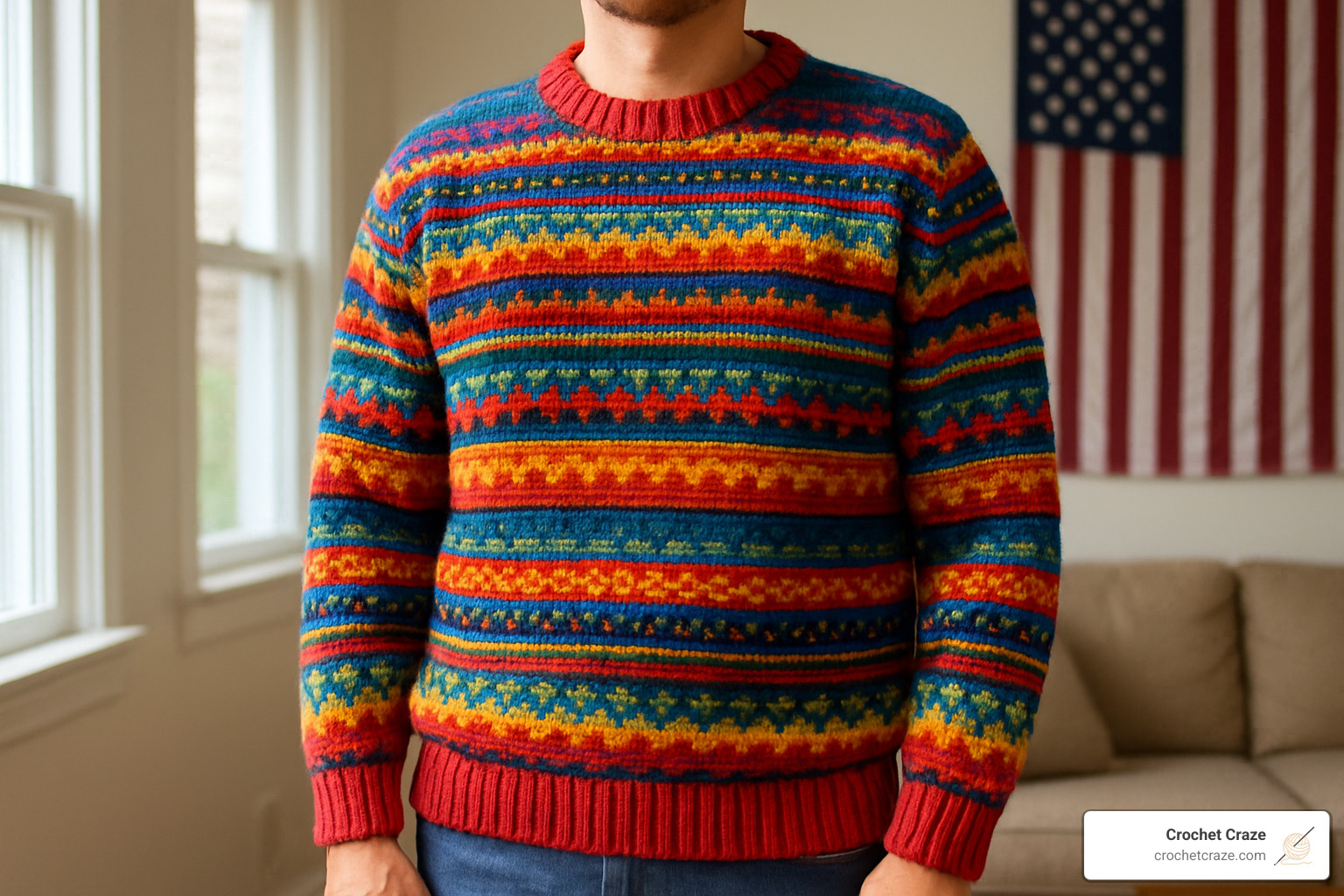
Flatbed Knitting Machines: 10 Powerful Reasons to Love 2025
Open uping the World of Machine Knitting
Flatbed knitting machines are table-sized devices that automate the knitting process using two parallel needle beds and a movable carriage to create flat knitted fabrics. These versatile tools bridge the gap between hand knitting and industrial production.
What is a flatbed knitting machine?
– A mechanical or computerized device with two needle beds arranged in an inverted V-shape
– Uses a movable carriage with cam systems to manipulate needles
– Creates flat pieces of knitted fabric more quickly than hand knitting
– Available in various gauges (3.5mm-9mm) to accommodate different yarn weights
– Ranges from manual home models to fully computerized industrial systems
Flatbed knitting machines revolutionize the knitting process by allowing crafters and manufacturers to create everything from simple scarves to complex garments with precision and speed. Unlike circular knitting machines that produce tubes of fabric, flatbed machines create flat pieces that can be shaped during the knitting process, making them ideal for garments requiring detailed shaping like sweaters, cardigans, and fashion accessories.
These machines come in several types, from basic manual models perfect for beginners to sophisticated computerized systems used in industrial settings. The gauge (needle spacing) ranges from fine (3.5mm) for delicate fabrics to bulky (9mm) for heavier projects, accommodating a wide variety of yarns from fingering weight to chunky.
While there’s definitely a learning curve, the productivity gains are substantial once you master the basics. Many crafters find that projects that would take weeks by hand can be completed in hours using a flatbed knitting machine.
I’m Sonji Huerta, and while I’m new to the fiber arts world, I’ve been researching flatbed knitting machines extensively as part of my journey to understand different textile creation methods beyond crochet. Join me as we explore these fascinating machines together.
How Flatbed Knitting Machines Work & Core Components
Ever wondered what makes those flatbed knitting machines tick? Let’s peek under the hood! When I first saw one, I’ll admit it looked like a mysterious contraption from another planet, but once you understand the basics, it all makes perfect sense.
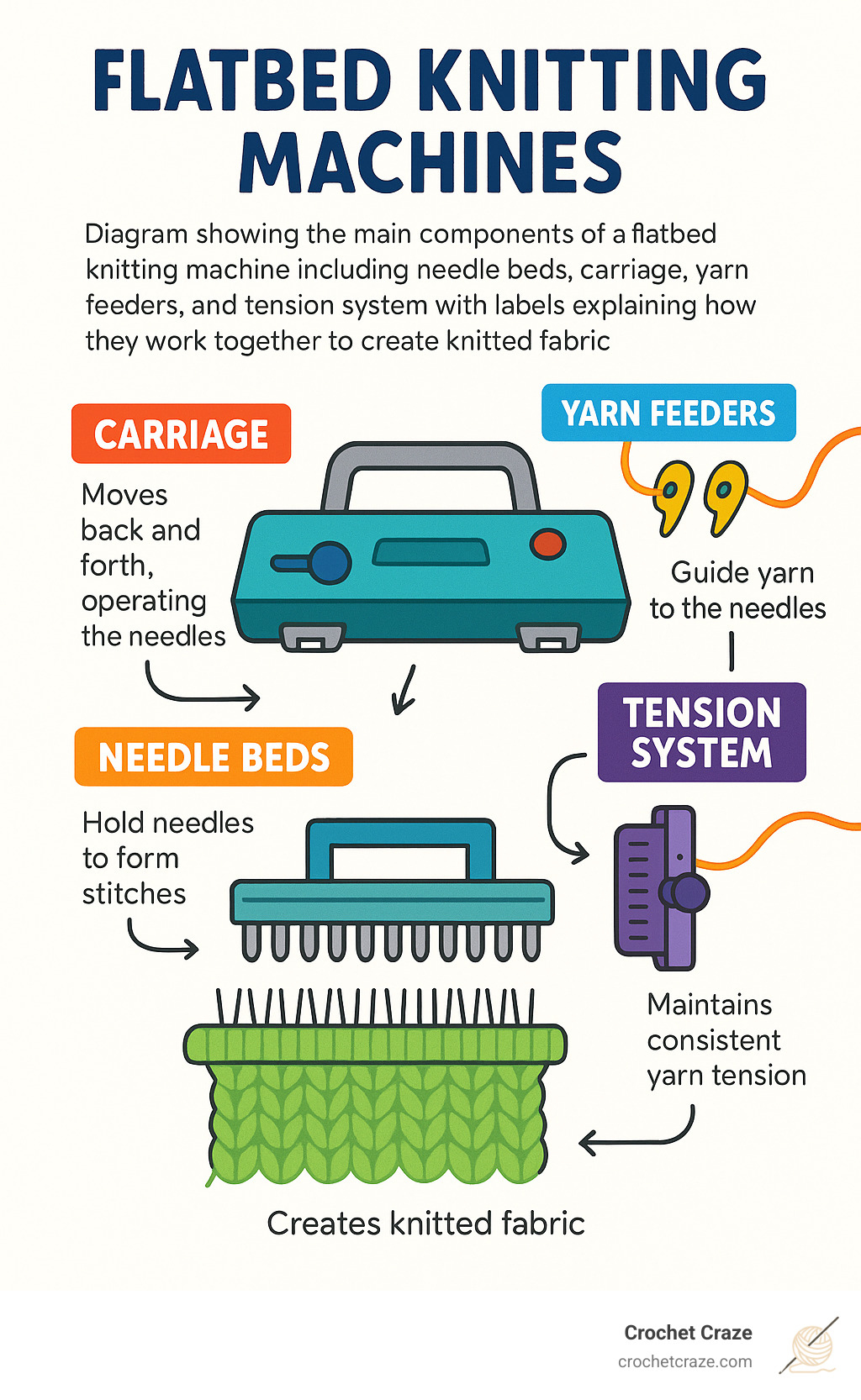
At their heart, flatbed knitting machines rely on two main components working in beautiful harmony: the needle beds and the carriage. Think of the needle beds as the stage where all the magic happens, housing dozens (sometimes hundreds!) of latch needles that create your stitches. The carriage is like the conductor, gliding back and forth across these beds, orchestrating which needles move when.
V-Bed Mechanics & Carriage Motion
The signature “V” configuration is what gives flatbed knitting machines their special powers. Imagine two long needle beds arranged in an upside-down V shape, usually positioned at a 90-100 degree angle to each other. This isn’t just for looks – it’s engineering genius!
As one devoted knitter who’s been using her Silver Reed for over two decades told me, “The V-bed design is what makes these machines magical. You can transfer stitches between beds to create decreases, increases, and even cables without ever picking up a hand needle.”
When you push the carriage across the machine, its internal angular cams guide the needles through a precise dance – some needles rise to grab yarn while others sink to form stitches. This reciprocating action (fancy talk for moving back and forth) creates row after row of knitting with each pass. The bridge bar connects the cam systems between beds, ensuring everything moves in perfect sync – like dancers in a well-rehearsed ballet.
Key Parts: Needles, Beds & Tension
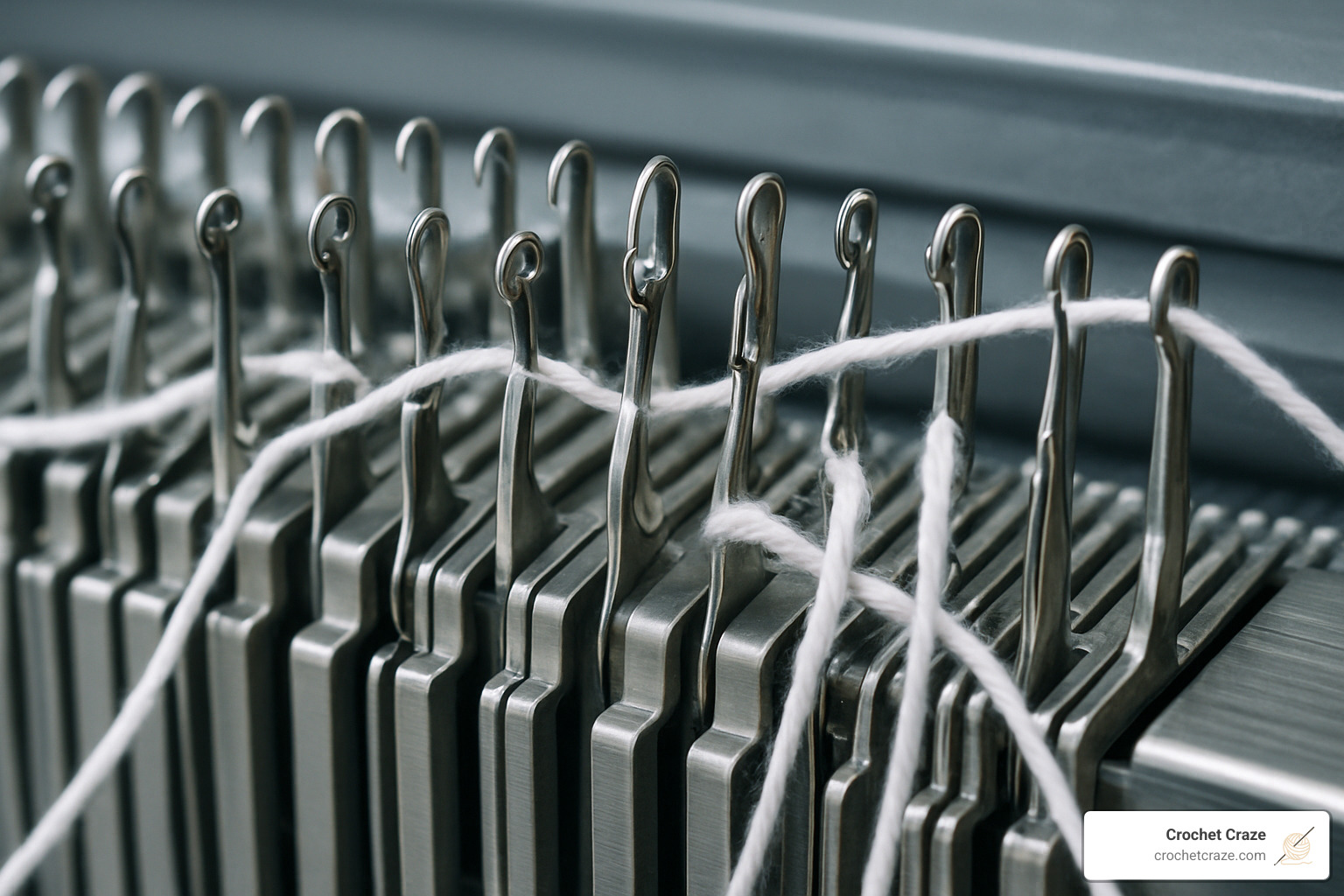
The true heroes of any flatbed knitting machine are the latch needles – clever little metal hooks with a pivoting latch that closes to catch yarn and opens to release the finished stitch.
Higher-end machines often feature roller-capped needles, which glide more smoothly and quietly. As one seasoned machine knitter colorfully put it, “The difference between standard and roller-capped needles is like the difference between a basic sedan and a luxury car—both get you there, but one provides a much smoother ride.”
The machine’s gauge (the spacing between needles) determines what kinds of projects you can create:
– Fine gauge (3.5mm) for delicate, lightweight fabrics
– Standard gauge (4.5mm) for everyday projects
– Mid-gauge (6.0-6.5mm) for medium-weight yarns
– Bulky gauge (9.0mm) for chunky, warm creations
Standing tall above the machine is the yarn mast, which holds your yarn and guides it through tension disks before it reaches the needles. Those tension disks are super important – they control how tightly the yarn feeds into the machine. Too loose, and your fabric will be floppy; too tight, and you’ll be fighting the machine with every pass!
Stitch Formation Cycle
Creating fabric on a flatbed knitting machine follows a rhythm that, once mastered, becomes second nature:
First comes the cast-on, where you create your first row of stitches, often using a special comb or cast-on attachment. Next is the knit row, where the carriage travels across the needle bed forming a fresh row of stitches. When you need shaping (like for sleeves or necklines), the transfer step moves stitches between the front and back beds. Finally, the bind-off secures your work so it doesn’t solve.
This cycle repeats over and over, with endless variations in needle selection and yarn feeding creating different patterns and textures. Before you know it, you’ve created a beautiful piece of fabric in a fraction of the time it would take by hand!
Types, Gauges & Leading Models of Flatbed Knitting Machines
The world of flatbed knitting machines offers something for everyone, from curious beginners to professional designers. I’ve spent countless hours exploring these fascinating devices, and I’m excited to guide you through the various types, gauges, and popular models that have knitters buzzing with creativity.
Manual & Punchcard Options for flatbed knitting machines
If you’re just dipping your toes into machine knitting, manual flatbed knitting machines provide the perfect starting point. These hands-on devices teach you the fundamentals while giving you complete control over every stitch. You’ll create patterns and special stitches through hand-manipulation, building a solid foundation of skills.
The Silver Reed LK150 has become a favorite first machine for many knitters I’ve spoken with. With 150 needles and a mid-gauge bed, it handles everything from sport to worsted weight yarns with ease. One knitter told me, “I love that it’s lightweight enough to store away when not in use, but sturdy enough for daily knitting sessions.”
Punchcard machines bring a touch of automation to your knitting journey. Remember those old piano rolls? Punchcard systems work similarly—perforated cards rotate through a drum as your carriage moves, with each hole signaling which needles should be activated to create patterns.
“My punchcard Brother KH260 from 1984 is still going strong after all these years,” shared one enthusiastic knitter at our local fiber guild. “I’ve made hundreds of sweaters on it, and the punchcard system is wonderfully reliable—no computer crashes to worry about!”
Some vintage machines feature pattern wheels instead—these compact alternatives to punchcards offer fewer pattern options but have a certain charm that keeps collectors hunting for them.
Computerized & WHOLEGARMENT Systems
When you’re ready to explore limitless pattern possibilities, computerized flatbed knitting machines await. These technological marvels use electronic needle selection to create designs that would be impossible with mechanical systems alone.
The Brother KH970, though no longer in production, remains legendary in knitting circles. With 200 needles at standard gauge (4.5mm), it connects to specialized software that controls every aspect of the knitting process. Many enthusiasts still seek these machines on the second-hand market, willing to pay premium prices for their capabilities.
At the summit of knitting innovation sits SHIMA SEIKI’s WHOLEGARMENT system. These industrial machines perform what seems like magic—creating entire seamless garments in one continuous process. Since introducing this technology, SHIMA SEIKI has placed over 10,000 WHOLEGARMENT knitting machines in factories worldwide.
Their SDS-ONE APEX design system takes things further by creating virtual samples before production begins. Imagine designing a sweater on screen, seeing exactly how it will look and fit, then sending it directly to the machine for production—all without wasting a single yard of yarn on prototypes. You can explore more at SHIMA SEIKI Online Services.
Gauges & Yarn Matchmaking
Finding your perfect flatbed knitting machine starts with understanding gauge—the spacing between needles that determines what yarns work best. Think of it as matchmaking for your favorite yarns!
Fine Gauge (3.5mm) machines like the Silver Reed SK830 with its 250 needles create delicate fabrics from fingering and lace weight yarns. These machines excel at producing lightweight garments with intricate details.
Standard Gauge (4.5mm) machines represent the sweet spot for versatility. The Brother KH970 and Taitexma TH860 handle fingering to sport weight yarns beautifully, making them popular choices for knitters who enjoy working with a variety of thinner yarns.
Mid-Gauge (6.0-6.5mm) machines bridge worlds, working comfortably with DK to worsted weights. The Silver Reed LK150 and SK860 have won many fans in this category for their ability to handle everyday yarns.
Bulky Gauge (9.0mm) machines like the Silver Reed SK155 and Brother KH260 welcome thicker yarns from worsted to bulky weight. “My SK155 is a real workhorse,” one shop owner told me. “It knits at 3 to 4.5 stitches per inch in stockinette—perfect for quick projects, but I’ve learned to avoid super bulky yarns that can split or jam the needles.”
For more about selecting the right yarns for your projects, check out our Knitting Yarn resources.
Brand Spotlight: Brother, Silver Reed, Taitexma, SHIMA, LAMB
Several manufacturers have shaped the flatbed knitting machine landscape, each bringing unique strengths to the craft.
Brother/Knit King machines inspire fierce loyalty despite production ending in the late 1990s. The KH260 (bulky) and KH970 (computerized) models are particularly treasured finds on the second-hand market, with knitters often passing them down through generations like family heirlooms.
Silver Reed (also sold as Studio or Singer in some regions) continues producing quality machines today. Their SK155 (bulky), LK150 (mid-gauge), and SK840 (standard computerized) models offer friendly entry points with room to grow your skills. I’ve watched complete beginners create beautiful scarves on their first day with these approachable machines.
Taitexma has breathed fresh life into the home knitting machine market. Their TH860L features an impressive 272 needles in standard gauge configuration. Released in 2021, it represents a welcome evolution in a field where new machines had become increasingly rare. You can find the Taitexma TH series available for sale here.
SHIMA SEIKI dominates the industrial landscape, having placed over 200,000 computerized flat knitting machines worldwide since 1967. Their WHOLEGARMENT technology has transformed commercial knitwear production by eliminating seams entirely.
LAMB specializes in narrow-width machines, with their VR1021 carrying forward the legacy of their famous “V-Bed Border” machines that have been crafting trims, edgings, and narrow fabrics since 1930. These specialized machines fill an important niche in both industrial and specialty craft settings.

Flatbed Knitting Machines vs Circular Machines
When you’re dipping your toes into machine knitting, you’ll quickly face a fork in the road: should you go with a flatbed knitting machine or a circular one? Trust me, this isn’t just a trivial choice – each option opens doors to different creative possibilities!
| Feature | Flatbed Knitting Machines | Circular Knitting Machines |
|---|---|---|
| Fabric Type | Flat pieces with shaping | Seamless tubes |
| Shaping Capability | Excellent (increases, decreases, short rows) | Limited |
| Width Limitations | Fixed by needle bed length | Determined by cylinder circumference |
| Speed | Moderate | Very high |
| Learning Curve | Steeper | Gentler for basic operations |
| Typical Applications | Sweaters, cardigans, shaped items | Socks, hats, seamless bodies |
| Price Range | Wide range ($400-$100,000+) | Specialized ($500-$500,000+) |
| Space Requirements | Table-sized | Varies from desktop to room-sized |
I recently chatted with Maria, a machine knitting instructor who’s been teaching both types for over 15 years. She put it perfectly: “Flatbed knitting machines are like Swiss Army knives—they can do almost anything with the right attachments and techniques. Circular machines are more specialized, but what they do, they do extremely well and quickly.”
The magic of flatbed knitting machines lies in their V-bed configuration. This setup is what gives you the power to create those gorgeous shaped pieces with neat curves and perfect fit. Want to make a cardigan with a beautifully shaped neckline or sleeves that taper just right? A flatbed is your best friend here.
Circular machines, on the other hand, are the speedsters of the knitting world. They excel at creating tubes of fabric quickly and consistently – perfect for socks, hats, and seamless garment bodies. They’re the workhorses behind many of the knitted items you find in stores. However, they simply can’t match the flatbed’s versatility when it comes to creating those precisely shaped pieces that make handmade garments so special.
For most beginners who dream of creating a variety of projects – from scarves to sweaters to home décor – a flatbed knitting machine typically offers more room to grow your skills. You might face a slightly steeper learning curve at first, but the creative possibilities you’ll open up make it well worth the effort.
The choice ultimately comes down to what you’re most excited to create. Do you want to focus on seamless items like socks and simple hats? Or are you dreaming of designing shaped garments with personality and flair? Your answer will point you toward the perfect machine to start your journey.
Buying, Maintaining & Leveling Up Your Skills
Investing in a flatbed knitting machine requires consideration of your budget, space, and knitting goals. Whether you’re buying new or used, proper maintenance and ongoing skill development are essential for success.
Price Range & Budget Planning
Flatbed knitting machines span an enormous price range, from affordable hobby machines to industrial systems costing as much as a luxury car.
Entry-level options like the plastic-bed Silver Reed LK150 are available for under $600 new, making them accessible starting points. Mid-range machines with metal beds and more features typically range from $900 to $1,999.
The second-hand market offers excellent value, with vintage Brother and Silver Reed machines often available for $200-$800 depending on condition and included accessories. As one collector advised, “Facebook Marketplace and eBay are gold mines for used machines, but always ask for videos of the machine in operation before buying.”
Industrial machines from manufacturers like SHIMA SEIKI start around $10,000 for basic models and can exceed $100,000 for advanced WHOLEGARMENT systems. These represent significant investments but offer capabilities impossible with home machines.
When budgeting, remember to account for accessories. Ribber attachments, color changers, and specialized carriages can significantly expand your machine’s capabilities but add to the total investment.
Maintenance & Troubleshooting Basics
Proper maintenance is crucial for keeping your flatbed knitting machine running smoothly. Regular cleaning and oiling will extend its life and prevent frustrating breakdowns.
One experienced knitter shared this wisdom: “The learning curve is steep, but the maintenance curve is steeper! I bought a used Singer machine from Facebook Marketplace and spent weeks clearing hardened grease before I could even knit a single sock.”
Basic maintenance includes:
- Regular Cleaning: Remove lint and yarn debris from the needle beds and carriage after each project.
- Proper Oiling: Apply machine oil to all moving parts according to the manufacturer’s recommendations.
- Needle Inspection: Check for bent or damaged needles and replace them promptly.
- Tension Disk Cleaning: Keep yarn tension disks free of lint to ensure consistent tension.
Common troubleshooting issues include:
- Carriage Jams: Usually caused by incorrectly positioned needles or excessive yarn tension.
- Dropped Stitches: Often due to damaged needles or improper yarn feeding.
- Uneven Tension: Typically related to inconsistent yarn feeding or tension disk issues.
For vintage machines, disassembling the carriage and removing old grease using video tutorials is often necessary before first use. This process can be time-consuming but is essential for smooth operation.
Learning Curve & Resources
The learning curve for flatbed knitting machines is undeniably steep, but numerous resources are available to help beginners master these versatile tools.
“The learning curve is steep!” admitted one knitter. “I bought a used Singer Knitting Machine from Facebook Marketplace and there is a reason why a lot of these machines sat unused under beds, in closets and basements: it takes time to learn the techniques.”
Fortunately, today’s beginners have access to resources that weren’t available to previous generations:
- YouTube Tutorials: Channels dedicated to machine knitting offer step-by-step guidance for beginners.
- Online Communities: Facebook groups and forums connect beginners with experienced knitters willing to share advice.
- Manufacturer Resources: Companies like SHIMA SEIKI offer online services with tutorials and pattern data.
- Local Classes: Many yarn shops and fiber festivals offer hands-on machine knitting workshops.
- Vintage Manuals: Scanned copies of original manuals are often available online for older machines.
Start with simple projects like scarves or dishcloths to build confidence before attempting more complex garments. Practice basic techniques like casting on, binding off, and simple stitch patterns before moving to advanced techniques like intarsia or lace.
Innovation, Sustainability, FAQs & Final Thoughts
The world of flatbed knitting machines continues to evolve, with innovations driving sustainability and new creative possibilities. Understanding these developments provides context for where the technology is headed and how it’s reshaping the textile industry.
Cutting-Edge Tech: APEX, WHOLEGARMENT, 3D Knitting
Innovation in flatbed knitting machines has accelerated dramatically in recent decades, with SHIMA SEIKI leading the charge. Their WHOLEGARMENT technology has revolutionized knitwear production by creating entire garments without seams in a single process.
SHIMA SEIKI holds over 4,500 patents related to flat knitting machine technology, demonstrating the intense research and development in this field. Their SDS-ONE APEX design system integrates with their knitting machines to create a complete production ecosystem.
3D knitting technology has expanded beyond traditional knitwear into new applications like shoe uppers, automotive textiles, and even medical devices. Companies like Lisky Technology are developing smart machinery that combines efficiency with environmental friendliness.
Digital sampling allows designers to visualize and refine garments virtually before production, dramatically reducing waste and development time. This technology is particularly valuable for small-lot production and customized items.
As one industry expert noted, “The integration of design software with knitting hardware has compressed the development cycle from months to days, making small-batch production economically viable for the first time.”
Sustainability & Economic Impact
Flatbed knitting machines are at the forefront of sustainable textile production, offering several environmental advantages over traditional cut-and-sew manufacturing:
- Reduced Waste: WHOLEGARMENT technology eliminates cutting waste entirely by producing complete garments.
- On-Demand Production: Computerized machines can produce items as needed, reducing inventory waste.
- Local Manufacturing: Advanced machines make small-scale local production economically viable, reducing transportation emissions.
- Energy Efficiency: Modern machines incorporate energy-saving features to reduce their environmental footprint.
The economic impact is equally significant. The Total Fashion System concept promoted by SHIMA SEIKI links planning, production, and sales into a smart, speedy supply chain that responds quickly to market demands.
Small-lot, on-demand production enables mass customization—the ability to produce personalized items at scale. This approach aligns perfectly with growing consumer demand for unique, customized products.
Local micro-factories equipped with advanced flatbed knitting machines are emerging as alternatives to massive offshore production facilities, creating skilled jobs in communities worldwide.
Frequently Asked Questions about flatbed knitting machines
How do I choose the right gauge for my yarn?
The gauge of your flatbed knitting machine should match the weight of yarn you plan to use most often:
- Fine gauge (3.5mm): Lace to fingering weight yarns
- Standard gauge (4.5mm): Fingering to sport weight yarns
- Mid-gauge (6.0-6.5mm): Sport to worsted weight yarns
- Bulky gauge (9.0mm): Worsted to bulky weight yarns
As one shop owner advised, “If you primarily work with worsted weight yarns, a mid-gauge machine like the Silver Reed LK150 offers the most flexibility. If you prefer finer yarns for detailed work, a standard gauge machine would be better.”
You can sometimes use yarns slightly outside the recommended range, but you’ll have limited control over fabric density.
Why does my carriage keep jamming?
Carriage jams are one of the most common issues with flatbed knitting machines. The most frequent causes include:
- Incorrectly positioned needles: Ensure all needles are in the correct position before passing the carriage.
- Excessive yarn tension: Check that your yarn is feeding smoothly through the tension mast.
- Damaged or bent needles: Inspect your needle bed for any damaged needles and replace them.
- Insufficient lubrication: Make sure your machine is properly oiled according to the manufacturer’s instructions.
- Yarn too thick for the gauge: Verify that your yarn weight is appropriate for your machine’s gauge.
One experienced knitter shared this tip: “When your carriage jams, resist the urge to force it! Gently back it up, identify what’s causing the jam, fix the issue, then continue. Forcing the carriage can damage your machine.”
Can a flatbed machine really knit a seamless sweater?
Yes, but with important qualifications. Industrial WHOLEGARMENT machines from SHIMA SEIKI can produce completely seamless garments in one operation. These machines have sold over 10,000 units globally and represent the pinnacle of seamless knitting technology.
For home knitters, complete seamlessness is more challenging. However, with techniques like circular yokes and set-in sleeves knitted directly onto the body, you can minimize seaming significantly.
As one designer explained, “While home flatbed knitting machines can’t produce completely seamless garments like industrial WHOLEGARMENT systems, they can create pieces that require minimal finishing. I often knit sleeves directly onto the body and use fashioning techniques to create shaped shoulders and necklines.”
The trade-off is complexity—seamless techniques on home machines require more advanced skills and careful planning.
Final Thoughts & Next Steps
Flatbed knitting machines offer a fascinating blend of craft and technology, bridging the gap between hand knitting and industrial production. While the learning curve can be steep, the creative possibilities and productivity gains make the journey worthwhile.
Whether you’re considering a simple manual machine like the Silver Reed LK150 or dreaming of a computerized system, the key is to start where you’re comfortable and expand your skills gradually. Many experienced machine knitters maintain multiple machines of different gauges to accommodate various projects and yarn weights.
At Crochet Craze, we believe that exploring different fiber arts techniques enriches your crafting journey. While our name highlights crochet, we’re passionate about all fiber arts, including machine knitting. We’re developing resources to help beginners steer the exciting world of flatbed knitting machines.
Every expert was once a beginner. As one longtime machine knitter shared, “My first projects were disasters—uneven tension, dropped stitches, and mysterious holes. But each mistake taught me something valuable, and now I can create professional-quality garments in hours instead of weeks.”
We encourage you to join online communities, seek out local knitting groups, and don’t be afraid to make mistakes—they’re an essential part of the learning process. With patience and practice, you’ll soon be creating beautiful knitted items with speed and precision that hand knitting simply can’t match.
Ready to take the next step? Explore our growing collection of machine knitting resources, and stay tuned for upcoming tutorials and project ideas. The world of flatbed knitting machines awaits—let’s explore it together!