Velvet yarn has transformed the world of crochet over the past few years, and in 2026 it remains one of the most sought-after fibers for anyone who wants projects with a plush, luxurious finish. Its soft, dense pile gives amigurumi a cuddly, almost toy-store quality that ordinary acrylic simply cannot match. But velvet yarn also comes with its own quirks — it can be slippery, it sheds, and it demands a slightly different approach than standard worsted weight. This guide covers everything you need to know: what velvet yarn actually is, which hooks and stitches work best, how to avoid common mistakes, and how to care for finished pieces so they stay beautiful for years.
What Is Velvet Yarn?
Velvet yarn is a plush, chenille-style yarn characterized by a short, dense pile that stands upright from a central core thread. That construction is what creates the signature velvety sheen and the irresistible “pet me” softness. Most velvet yarns on the market today are made from polyester, though you will also find blends that include nylon or a small percentage of acrylic for added durability.
The fiber typically comes in two main formats:
- Worsted-weight velvet — the most common option, ideal for amigurumi, blankets, and accessories.
- Bulky or super-bulky velvet — faster to work up and great for oversized plushies and throws.
Popular commercial examples include Bernat Velvet, Premier Parfait Chunky, and Hobbii Honey Bunny. Each has a slightly different pile length and twist, which affects how easily the yarn splits and how well your stitches show. As a general rule, the shorter and tighter the pile, the easier the yarn is to crochet with — especially for beginners.
Why Velvet Yarn Is Perfect for Amigurumi
Amigurumi is all about shape, texture, and charm. Velvet yarn excels at all three. Because the pile fills in the gaps between stitches, the finished fabric looks seamless and smooth — there are no obvious holes or visible stitch definitions, which is exactly what you want for a soft toy. The result is a plushie that looks professionally made, even if you are relatively new to crochet.
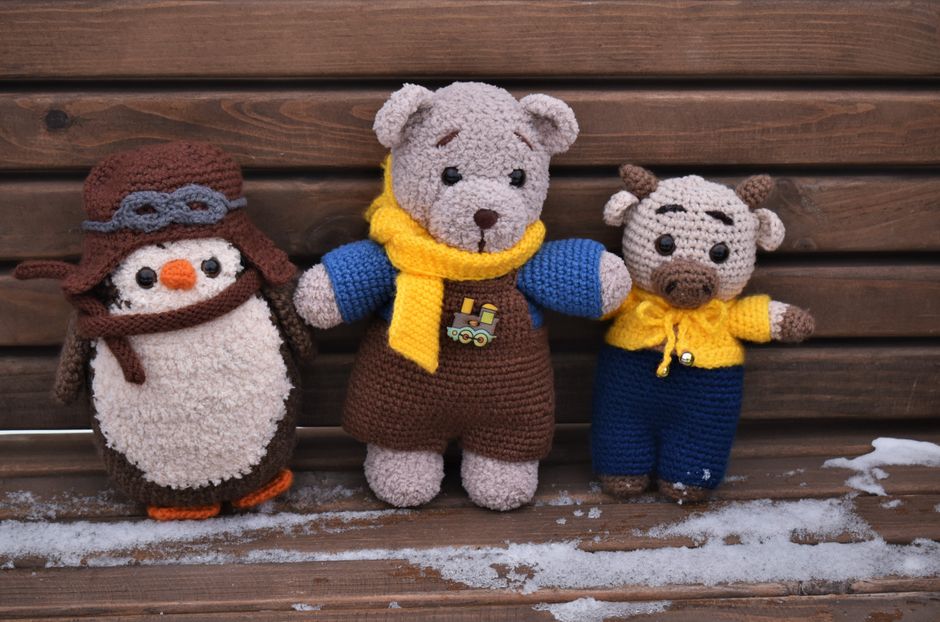
Velvet yarn also hides small imperfections remarkably well. Uneven tension, a slightly crooked increase, or a minor stuffing lump all but disappear under that fuzzy surface. That forgiveness makes velvet an excellent confidence booster for beginners who are still refining their skills.
Beyond amigurumi, velvet yarn is wonderful for:
- Baby loveys and comfort blankets
- Pillows and cushion covers
- Winter accessories like headbands and cowls
- Pet beds and cat toys
- Home decor accents such as baskets and ornaments
If you are building a collection of go-to patterns for cuddly projects, browsing a well-organized library of amigurumi patterns is a smart first step. Having a range of designs on hand lets you experiment with velvet yarn across different shapes and sizes.
Choosing the Right Hook and Tools
One of the most common questions about velvet yarn is which hook size to use. The label recommendation is a starting point, but velvet behaves differently from smooth yarns. Because the pile adds bulk without adding structural density, many crocheters go down one hook size from the label to create a tighter fabric that holds stuffing without gaping.
Here is a practical starting point for worsted-weight velvet:
- Label recommendation: typically 5.0–6.0 mm (H–J)
- For amigurumi: try 4.0–4.5 mm (G–7) for a dense, stuffing-safe fabric
- For blankets and wearables: stay near the label size for better drape
Hook material matters too. Metal hooks with a smooth, tapered throat tend to glide through velvet better than wooden or ergonomic hooks with pronounced ridges. If you find your yarn splitting, switching to a hook with a rounder head can make a noticeable difference. A small pair of sharp scissors and a tapestry needle with a large eye round out the essential toolkit. If you also enjoy switching between crafts, the Best Circular Knitting Needle Sets for 2026 are worth a look for your knitting projects.
Stitches That Work Best With Velvet Yarn
Velvet yarn is not the place for intricate lace or complex textured stitches — the pile swallows detail. Instead, lean into simple, sturdy stitches that let the yarn do the talking:
- Single crochet (sc): The workhorse for amigurumi. Creates a firm, dense fabric that holds its shape.
- Half double crochet (hdc): Slightly softer and faster, good for blankets and larger plushies.
- Double crochet (dc): Adds drape, best reserved for wearables rather than stuffed toys.
- Slip stitch (sl st): Useful for joining and for adding subtle surface details.
Avoid highly textured stitches like bobbles, popcorns, or post stitches — they get lost in the fuzz and can create uneven bulk. Similarly, openwork and chain-space patterns defeat the purpose of velvet, since the gaps let the stuffing show through.
Common Problems and How to Fix Them
Velvet yarn has a reputation for being fiddly, but most issues have straightforward solutions. Here are the challenges crocheters run into most often, and what to do about them.
The yarn splits or sheds
Velvet yarn sheds fibers during work, especially when you pull from the center of a skein. Try working from the outside of the ball instead, and keep your tension relaxed. If splitting is severe, switch to a hook with a smoother, more rounded head.
Stitches are impossible to see
This is the number one complaint. Because the pile obscures stitch definition, counting can be tough. Use stitch markers generously — place one at the beginning of each round, and consider marking every tenth stitch. Working in bright, direct light also helps enormously.
The fabric gapes and stuffing shows through
This usually means your hook is too large. Drop down a size or two until the fabric feels dense and opaque. You can also stuff more firmly, which pushes the fabric outward and closes gaps.
Seams look lumpy
Velvet does not like traditional whipstitch seaming, which can create visible ridges. Instead, join pieces with a simple mattress stitch or crochet them together using slip stitches worked through both layers. Keep your joining tension even and slightly loose.
Frogging is difficult
Unpicking velvet stitches can mat the pile. If you must unravel, do it slowly and gently, and avoid reusing heavily frogged sections in visible areas. Better yet, practice new techniques on smooth yarn first, then commit to velvet.
Tips for Working With Velvet Yarn Successfully
Once you understand the fiber, velvet becomes far more enjoyable. Keep these best practices in mind:
- Start with a simple project — a small ball or a basic bear is ideal for your first velvet make.
- Use a tight, consistent tension — velvet rewards even stitches more than almost any other yarn.
- Mark your stitch counts — every round, no exceptions.
- Stuff firmly but gradually — add small amounts at a time to avoid lumps.
- Weave in ends securely — velvet ends can work loose, so leave a long tail and weave in multiple directions.
- Store skeins flat — crushing velvet can flatten the pile permanently.
If you are new to amigurumi in general, pairing velvet with a clear, step-by-step tutorial makes the learning curve much gentler. Detailed guides walk you through magic rings, invisible decreases, and shaping — all skills that translate directly to velvet projects. You can explore a full range of amigurumi tutorials and patterns to find projects matched to your skill level.
Caring for Velvet Crochet Projects
Finishing a velvet project feels like a real accomplishment, so protect that work with proper care. Most polyester velvet yarns are machine washable, but hand washing is always the safest option for handmade pieces.
- Wash gently: Use cool water and a mild detergent. If machine washing, place the item in a mesh laundry bag on a delicate cycle.
- Never wring or twist: Squeeze out excess water gently instead.
- Air dry flat: Lay the piece on a towel away from direct heat. Do not hang velvet — the weight of the water can stretch it out of shape.
- Fluff the pile: Once dry, gently brush the surface with your fingers to restore the velvety nap.
- Avoid high heat: Do not iron or tumble dry on high, as heat can melt or crush synthetic velvet fibers.
With reasonable care, velvet amigurumi holds up beautifully — even with regular cuddling from an enthusiastic child. If your velvet projects include cozy throws, the best chunky yarn for cozy blankets is a helpful resource for pairing fibers with blanket-friendly projects.
Is Velvet Yarn Right for You?
If your goal is creating soft, huggable, gift-worthy amigurumi, velvet yarn is hard to beat. It delivers a level of polish and tactile appeal that smooth yarns cannot replicate, and its forgiving nature makes it surprisingly beginner-friendly once you adjust your technique. The trade-offs — reduced stitch visibility, some shedding, and a bit more patience — are small compared to the finished result.
Start small, keep your stitch markers close, choose simple patterns, and give yourself permission to make a few practice swatches. Before long, that slippery, fuzzy strand will feel completely natural in your hands, and your finished plushies will look like they came from a boutique. Whether you are crocheting your very first amigurumi or adding velvet to an established repertoire, this yarn rewards the effort with creations people cannot help but reach out and touch.