What Amigurumi Actually Is (And How It Fits Into Crochet)
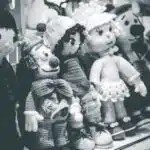
Amigurumi is the Japanese art of crocheting small, stuffed yarn figures—think adorable plush animals, food items, and whimsical characters. The word combines “ami” (crocheted or knitted) with “nuigurumi” (stuffed doll), perfectly capturing what makes this craft special. While amigurumi for beginners has exploded in popularity over the past decade, here’s the key relationship: all amigurumi is crochet, but not all crochet is amigurumi.
Think of it like drawing. If crochet is the broad skill of drawing, then amigurumi is the specific niche of drawing cartoon characters. You’re using the same fundamental tools and techniques, but applying them toward a particular creative goal. Traditional crochet encompasses everything from lacy shawls and cozy blankets to garments and home décor, while amigurumi zeroes in on creating three-dimensional stuffed figures with personality and charm.
What sets amigurumi apart isn’t just what you make, but how you make it. This specialized branch has developed its own conventions, techniques, and distinct aesthetic rooted in Japanese kawaii culture. The focus shifts from creating flat, flowing fabric to sculpting structured, dimensional forms that can stand on their own—literally. When you pick up an amigurumi pattern, you’re essentially becoming a soft sculptor, shaping yarn into recognizable characters stitch by stitch.
Stitches, Hooks & Tension: The Technical Breakdown
The amigurumi vs regular crochet difference becomes crystal clear when you examine the technical approach. Amigurumi relies almost exclusively on single crochet, the smallest and tightest of the basic stitches. This creates dense, sturdy fabric that prevents stuffing from peeking through and gives your plushie structural integrity. Traditional crochet employs a vast stitch vocabulary—double crochet, treble crochet, shell stitches, popcorn stitches, and countless decorative variations that create texture, drape, and visual interest.
Beyond stitch selection, construction differs fundamentally. Amigurumi uses continuous rounds rather than joined rounds. Instead of completing a round, slip-stitching to join, chaining up, and starting fresh, you simply spiral upward from one round directly into the next. This seamless approach eliminates the visible seam that would interrupt the smooth surface of a plushie. Regular crochet projects like blankets or garments typically use joined rounds or work in rows, creating deliberate seams and edges.
Hook size makes a dramatic difference. You’ll want to use a hook at least 0.5mm smaller than what the yarn label recommends. This undersized hook forces your stitches tighter together, creating fabric dense enough to contain stuffing without gaps. A worsted-weight yarn that normally calls for a 5mm hook might be worked with a 3.5mm or 4mm hook for amigurumi. Traditional crochet prioritizes drape and flexibility, so following the yarn’s recommended hook size—or even sizing up for airier fabric—is standard practice.
Tension control becomes critical in amigurumi in ways it isn’t for other projects. Consistent, tight tension throughout ensures uniform shaping and prevents lumpy, misshapen plushies. The good news? Because pieces are stuffed, minor tension variations often blend in once the fiberfill goes in and everything rounds out, making this craft surprisingly forgiving as you develop skills.
3D Plushies vs Flat Projects: Why Construction Matters
The dimensional difference between amigurumi and regular crochet fundamentally changes how you approach a project. Traditional crochet produces predominantly two-dimensional shapes—a circle becomes a coaster, a rectangle becomes a scarf, a large square becomes a blanket. Amigurumi creates true three-dimensional forms from the start. That circle you crochet becomes a sphere when you add strategic increases and decreases, then gets stuffed to hold its rounded shape.
This sculptural quality means thinking about shaping in ways flat crochet doesn’t. Increases (working two stitches into one stitch from the previous round) make your work wider, while decreases (working two stitches together into one) make it narrower. By controlling where and when you place these shaping stitches, you transform a flat disk into a ball, elongate that ball into a body, and create the curves and contours that bring a character to life.
Assembly represents another key distinction. Most amigurumi projects involve crocheting separate components—head, body, arms, legs, ears, tail—then sewing or joining them together. This modular construction lets you customize positioning and create articulated limbs, but it also means finishing work is part of the process. Traditional crochet projects like blankets or scarves are often worked as single continuous pieces requiring minimal finishing beyond weaving in ends.
The stuffing element cannot be overstated in understanding the amigurumi vs regular crochet difference. Fiberfill stuffing gives amigurumi its plush, huggable quality and structural stability. You’re not just creating fabric; you’re creating a soft sculpture that needs to hold its shape. This requires planning for stuffing openings, understanding how much stuffing creates the right firmness, and sometimes adding weighted materials for larger pieces. Regular crochet rarely involves stuffing, focusing instead on how the fabric itself drapes, stretches, or lies flat.
Why Amigurumi Is Perfect for Beginners
Despite the technical differences, amigurumi has become one of the most beginner-friendly entry points into crochet. Once you can make a chain, work a single crochet stitch, and understand basic increases and decreases, you have everything required for simple amigurumi projects. Compare this to a sweater pattern that might demand multiple stitch types, gauge swatching, precise measurements, and garment construction knowledge.
The small scale of most amigurumi projects offers instant gratification that keeps new crocheters motivated. A simple amigurumi ball or small animal might take just a few hours to complete, versus the weeks or months required for a blanket or sweater. This quick turnaround means you see results fast, build confidence, and move on to the next project without the commitment fatigue that derails many beginners.
Amigurumi’s forgiving nature helps beginners develop skills without the pressure of perfection. Because pieces are stuffed, slight tension inconsistencies or wonky stitches often disappear once the fiberfill goes in. Small mistakes become character quirks rather than glaring flaws—that slightly crooked smile or asymmetrical ear just adds personality.
The learning curve feels manageable because patterns typically break projects into small, achievable steps. Instead of facing a daunting wall of instructions, you crochet one simple sphere for the head, another for the body, some small tubes for limbs. Each component uses the same basic techniques you’ve already practiced, just in different combinations.
For those just starting their crochet journey, exploring amigurumi patterns PDF free downloads offers a risk-free way to test whether this craft resonates with you before investing in premium patterns or extensive supplies.
Materials & Assembly: What You’ll Actually Need
The supplies for amigurumi differ from traditional crochet in specific ways. Your hook will be smaller—typically 2.5mm to 4mm for most projects—and you’ll want smooth, durable yarn that creates clean stitch definition. Cotton yarn has become the gold standard because it holds its shape beautifully, doesn’t pill or fuzz, and creates crisp stitch definition. Acrylic works too and costs less, though it may not have quite the same structural integrity.
Beyond yarn and hooks, amigurumi requires supplies that traditional crochet doesn’t. Fiberfill stuffing is essential—you’ll go through more than you expect, as properly stuffed amigurumi should be quite firm. Safety eyes and noses give your creatures personality and save you from embroidering facial features, though they must be attached before stuffing since they lock in place with washers. A yarn needle for sewing pieces together becomes your most-used finishing tool.
Stitch markers prove invaluable in amigurumi, since working in continuous rounds means you can easily lose track of where each round begins and ends. Placing a marker at the start of each round keeps your stitch count accurate and your shaping on track. Traditional crochet projects worked in joined rounds or rows don’t require this constant tracking.
Assembly techniques set amigurumi apart from most crochet projects. You’ll learn whip stitching to attach limbs and features, invisible stitching to close stuffing openings seamlessly, and strategic placement to give your creation the right proportions and personality. Some artists use pins to position pieces before sewing, treating the process like soft sculpture. This finishing work takes time and patience, but it’s where your plushie truly comes to life.
Understanding how much yarn for amigurumi projects helps you plan purchases and avoid mid-project yarn runs. Most small amigurumi use surprisingly little yarn—often just 50-100 grams total—making them economical projects perfect for using up your stash.
How to Choose Between Amigurumi and Traditional Crochet
Your choice between focusing on amigurumi versus traditional crochet should align with what excites you creatively. If you’re drawn to creating characters, toys, and decorative objects with personality, amigurumi offers endless possibilities. The sculptural, three-dimensional nature appeals to people who think visually and enjoy bringing imaginative creatures to life. Amigurumi also makes fantastic gifts—handmade plushies carry emotional weight that blankets or scarves sometimes don’t, especially for children or collectors.
Traditional crochet makes more sense if you’re interested in wearable items, home décor, or projects that showcase stitch variety and texture. Garments, blankets, shawls, and accessories all fall into this category. If you love the meditative rhythm of repetitive stitching across large projects, or if you’re excited by lacy, openwork patterns and color changes, traditional crochet offers more variety.
Consider your patience for finishing work. Amigurumi requires assembly—sewing pieces together, attaching features, weaving in multiple ends from color changes. If you love bringing components together into a finished whole, this won’t bother you. If you prefer projects that are essentially done when you finish the last stitch, traditional crochet’s single-piece construction might suit you better.
Time commitment differs significantly. Small amigurumi projects can be completed in hours, making them perfect for people who want quick wins and variety. Traditional crochet projects often require longer investments—a blanket might take months—but offer the satisfaction of creating something substantial and functional.
The good news? You don’t have to choose permanently. Many crocheters enjoy both, using amigurumi for quick, fun projects and character creation while also working on larger traditional pieces. The skills transfer beautifully—tension control, stitch consistency, and pattern reading apply across all crochet forms. Starting with small amigurumi patterns quick projects lets you build foundational skills that serve you whether you eventually focus on plushies, garments, or both.
The amigurumi vs regular crochet difference ultimately comes down to dimension, construction method, and creative goals rather than skill level or difficulty. Both offer rewarding creative outlets, and understanding what makes each unique helps you choose projects that match your interests and keep your hands happily hooking.