
Knitting is no longer just for grandma’s attic. It’s now a big part of street style and eco-friendly fashion. People use old sweaters, unfinished projects, and festival finds to make new yarn. This way, they create unique items and support sustainable knitting.
Today, knitting meets fashion with bold designs and colors. Designers like Andrea Mowry and Caitlin Hunter lead the way. Online platforms like Ravelry and Etsy make it easy to find patterns and indie designs. You can make everything from cozy blankets to elegant shawls using basic skills and modern tools.
Knitting is also about being mindful and using new technology. You’ll find eco-friendly yarns, local fibers, and even smart yarns. Whether you use yarn from old sweaters or buy new sustainable blends, knitting is both useful and forward-thinking.
Key Takeaways
- Modern knitting blends tradition with contemporary knitwear aesthetics and practical tools.
- Reclaiming yarn from thrifted sweaters and WIPs is common and supports sustainable knitting.
- Essential techniques and circular needles let you tackle projects for all genders and skill levels.
- Designers and marketplaces like Ravelry and Etsy amplify knitting trends and pattern access.
- The craft is driven by mindfulness, eco-friendly fibers, and small-scale innovation.
Why Modern Knitting Is Having a Moment
Craft stores are busier than ever, and Instagram is full of cozy sweaters. This knitting boom is linked to bigger lifestyle trends like recycling and making things by hand. When you pick up needles, you join a movement that values quality over speed and process over instant gratification.
From hobby to mindful craft
Knitting today is more than just a hobby. It’s a calming practice that helps you slow down and focus. Makers find that knitting reduces stress and gives them a sense of purpose.
How sustainability and slow fashion fuel the resurgence
Sustainability is a big reason for the knitting comeback. Slow fashion knitting encourages using durable fibers and making pieces that last. You’ll see more organic cotton, bamboo, and recycled yarn in your stash, showing a desire to reduce fashion’s environmental impact.
Some knitters even reuse yarn from thrifted sweaters and hats. This supports slow fashion and reduces waste. For more on contemporary trends and eco choices, check this knitting trends overview.
Digital communities and social media that amplified knitting’s comeback
Online spaces have changed everything. Posting a finished shawl or asking about gauge on Ravelry connects you to a global community. Tutorials by Andrea Mowry and Jared Flood have boosted technique sharing, while Etsy and Instagram let makers sell patterns and finished pieces.
Social media knitting has made trends spread fast and given small designers a big stage. You can learn new stitches from short videos, join a KAL through a yarn shop, and trade tips with someone across the country in a single afternoon.
| Driver | What it means for you | Common examples |
|---|---|---|
| Mindful crafting | Slower pace, reduced stress, focused making | Meditative knitting sessions, finishing WIPs |
| Slow fashion knitting | Longer-lasting garments, ethical yarn choices | Organic cotton sweaters, recycled yarn projects |
| Knitting community | Peer learning, pattern testing, local groups | Workshops, yarn-shop meetups, Ravelry groups |
| Social media knitting | Fast trend spread, bite-size tutorials, discovery | Instagram reels, TikTok stitch hacks, Pinterest boards |
| Reclaimed yarn practices | Waste reduction, cost savings, unique textures | Unraveling thrifted sweaters, washing/resetting yarn |
Innovative Yarn Technologies Shaping Knitwear
You want yarn that feels good, performs well, and tells a story. New fiber blends and lab-tested yarns let designers play with texture, warmth, and wearability. They keep sustainability in mind.
Eco-friendly fibers like Tencel, organic cotton, bamboo, and recycled yarns are now mainstream. Brands like Green Mountain Spinnery and Wool and the Gang offer lines for Scandinavian-inspired minimalism and modern activewear. For a deeper primer on fiber types and handfeel, check this yarn guide.
Performance yarns meet real needs. You get moisture-wicking blends for high-output days and thermal-regulation options for warmth. These yarns open up new pattern possibilities for sweaters, hats, and commuter layers, without losing comfort.
Yarn traceability is key when buying new or reclaiming skeins. More knitters want to know where fibers come from and how they’re processed. Labels that list regional mills or farms help choose responsibly and support local producers.
Local fiber producers and small farms add variety and provenance. Festivals and farm sales let you feel Shetland and other specialty fleeces. These change stitch definition and drape. Buying nearby lowers transport emissions and strengthens community ties.
Recycled yarn gives old textiles a new life and reduces waste. Bamboo and organic cotton yarn blends mix well with recycled fibers. They create soft, durable fabrics that knit and block well.
When choosing yarn, balance hand, function, and impact. Look for clear yarn traceability, test a swatch, and consider local fiber producers. This approach keeps your projects beautiful and responsibly made.
Upcycling, Reclaimed Yarn, and Sustainable Practices
You’ve found a thrifted sweater or an abandoned WIP that sings with possibility. Reclaiming yarn gives fibers a second life. It’s a chance to try new stitches without spending a lot. Unraveling sweaters by hand is slow but creates unique textures and colors for upcycling yarn projects.
Unraveling thrifted sweaters and WIPs: when and why to reclaim yarn
Reclaim when a garment is no longer in style. You’ll save natural fibers like cotton, merino, and cashmere from the landfill. Reclaimed yarn often comes kinky and compressed, perfect for rustic projects but tricky for even gauge.
Small projects, swatches, and practice pieces are great for reclaimed yarn. Brands like Recycled Yarn turn this into a green model by using thrifted garments. Learn more about their approach here.
How to reset reclaimed yarn: washing, soaking, winding, and drying
Start by washing and resetting the yarn. Use a gentle wash method: wind skeins on a swift, tie them, soak in warm water with wool wash, then roll in a towel and hang to dry. This removes oils, odors, and kinks.
After drying, wind into cakes with low tension. For extra loft, gently re-skein and use your fingers to smooth the nap. This yarn-care guide offers more tips for caring for your yarn.
Risks of steam-resetting and tips to avoid mildew or gauge issues
Steam-resetting yarn comes with risks. The method of pulling yarn through steam can relax fibers quickly but also stretch them. This stretching can change the gauge and stitch size without warning.
Winding damp yarn into cakes is a common mistake. Trapped moisture can lead to mildew or odors. If you steam-reset, keep tension low, use a swift, and hang skeins to dry fully before winding into cakes.
| Step | Why it matters | Practical tip |
|---|---|---|
| Unravel by hand | Preserves length and reduces fiber breakage | Work slowly and pick apart seams; keep yarn in manageable lengths |
| Wash and soak | Removes oils, dirt, and relaxes kinks | Use warm water and wool-safe soap; no agitation |
| Towel roll and hang dry | Prevents trapped moisture and mildew | Press gently in towel, then air-dry in a ventilated spot |
| Minimal-tension winding | Prevents stretching that alters gauge | Wind slowly on a swift with loose tension |
| Test swatches | Reveals gauge shifts and stitch behavior | Knit a small swatch and block it to decide suitability |
Modern Knitting Techniques You Should Try
Ready to try new stitches? Start with a quick swatch to see how reclaimed yarn works. Everyone likes different textures, and reclaimed fibers can change how your fabric looks and feels. Washing the yarn often makes it smoother, which is great for brioche and cable knitting.
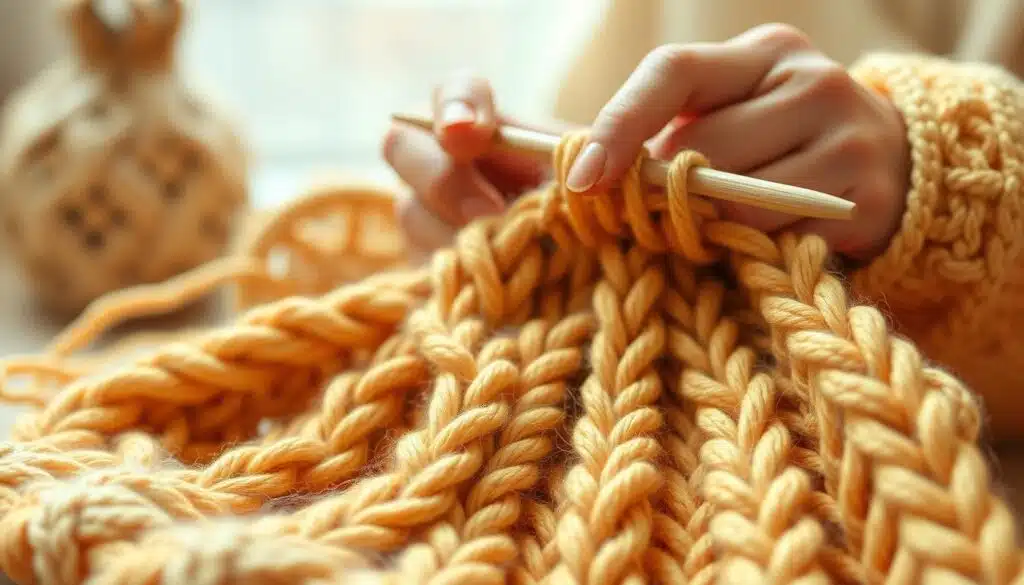
Short row techniques add curves and volume without heavy seams. They’re perfect for shaping shoulders, heels, and making details that look the same on both sides. By using them with careful increases and decreases, you can make clothes that fit many body types.
For color, try intarsia for clear, blocky designs. Multi-strand colorwork gives a rich, marled look and stronger colors. Stripes are simple, intarsia makes panels, and multi-strand colorwork adds depth.
Shaping is key. Basic increases and decreases help you make chevrons, darts, and fitted shapes. Use circular needles to keep seams small and try modern shapes like seamless raglans or side gussets.
Inclusive sizing knitting is both craft and math. Look at designers like Tincan Knits for patterns that adapt to many sizes. Small changes to stitch counts and placement can make a big difference in fit.
Below is a quick guide to help you choose a technique based on effect and difficulty.
| Technique | Primary Effect | Ease for Beginners | Best Use |
|---|---|---|---|
| brioche knitting | Deep, lofty texture; reversible fabric | Moderate once basics are learned | Scarves, bulky sweaters, reversible cardigans |
| cable knitting | Three-dimensional twists and braids | Beginner-friendly to advanced patterns | Aran motifs, textured panels, focal sleeves |
| short row techniques | Localized shaping and drape | Easy to learn; mastery adds finesse | Shoulders, hems, heels, shawl shaping |
| intarsia | Clear color blocks with minimal color carry | Moderate; managing bobbins helps | Graphic motifs, color panels, large shapes |
| multi-strand colorwork | Deep, mixed hues and sturdy fabric | Challenging at first; rewarding results | Marled jerseys, stranded yokes, rich textures |
| inclusive sizing knitting | Patterns that adapt to many bodies | Depends on math comfort; templates help | Everyday wearables, fitted tops, custom sizing |
Patterns for Every Skill Level
Choose a project that fits your mood and skill level. If you often start over, pick simple designs. They help you learn finishing skills and control your gauge without stress.
Begin with scarves, easy pullovers, or a chunky blanket. These projects use big needles and stitches. This makes it easy to see mistakes. Use charts, markers, and notes to help you finish more.
When you’re more confident, try intermediate patterns. Look for cable sweaters or fitted cardigans. These patterns improve your chart-reading and tension control skills.
Advanced patterns require patience and precision. They include complex shapes, lace, and colorwork. Workshops by designers like Caitlin Hunter can help you learn faster.
Before buying a pattern, check out different versions on Ravelry or Etsy. Start with small projects from each level. This way, you build skills without wasting yarn or time.
Knitting Tools, Gadgets, and Digital Helpers
Your kit can make a project feel effortless or like a mystery novel with missing pages. Start with the basics that actually change how you work. Circular needles open up seamless knitting and flexible shaping. A good yarn swift and ball winder turn tangled skeins into neat, consistent cakes.
Proper winding and even tension during winding affect stretch and gauge. So, take a little time here and you’ll save time later.
Pick gadgets that match your pace. Large needles speed learning and show stitch definitions clearly. Ergonomic knitting needles reduce hand strain when you binge knit.
Stitch markers, blocking tools, and a reliable set of circulars expand what you can attempt without panic.
Digital tools bring patterns and communities to your fingertips. Ravelry hosts millions of patterns and project notes so you can learn from other makers. KnitCompanion helps you track rows and annotate PDFs, which keeps complex patterns from eating your sanity.
Downloadable PDFs and pattern platforms let you carry your library on the go.
New tech is changing the bench. 3D-printed knitting tools let you customize grips, needle tips, and little helpers that fit your hands. Makers use 3D-printed knitting tools to prototype ergonomic shapes that cut fatigue and improve control.
Some small businesses sell these accessories, and hobbyists share designs in online groups.
If you reclaim yarn from thrifted pieces, tie the skein in four places before washing. Use the swift and ball winder to keep tension steady when you make cakes. That process helps preserve fiber behavior and prevents surprises in gauge once you start knitting.
Try combining physical and digital helpers. Use Ravelry to pick patterns, KnitCompanion to follow them stitch by stitch, then grab ergonomic knitting needles or a custom 3D-printed accessory to make the work comfortable. Your hands will thank you, and your finished pieces will look sharper for it.
Style Trends in Contemporary Knitwear
This season, expect to see clean shapes and soft neutrals everywhere. Scandinavian knitwear leads the way with a minimalist vibe. It’s calm and easy to wear. You can choose to smooth out or celebrate the texture, thanks to yarns from places like Shetland.
Look for big, cozy layers and bold looks on the streets and runways. Oversized knitwear offers a modern, comfy style that pairs well with both formal and casual clothes. The key is finding the right balance, like pairing a chunky sweater with slim trousers.
Asymmetric knitwear brings a unique twist to classic designs. You’ll see slanted hems, one-shoulder openings, and uneven ribs. These details add movement without being too loud. An asymmetric piece is a statement, not a mistake.
Designers like Andrea Mowry and Caitlin Hunter blend old and new with confidence. They use modern colors on classic patterns, making them feel fresh. You can add a modern twist to a timeless design with a bold color or a subtle fade.
Texture is a big deal this season. Deep cables, raised bobbles, and brushed finishes make simple shapes stand out. You can choose to enhance or soften the texture, depending on your preference.
Below is a compact comparison to help you pick a direction.
| Trend | Key Features | Why You’d Choose It |
|---|---|---|
| Scandinavian influence | Neutral palette, clean lines, fine gauge or chunky staples | Timeless, versatile, easy to style for work or travel |
| Oversized silhouettes | Expanded shoulder, long bodies, relaxed sleeves | Comfort-forward, layers well, modern aesthetic |
| Asymmetric pieces | Slanted hems, off-center closures, uneven lengths | Fashion-forward, creates visual interest, flattering angles |
| Aran modern | Classic cable vocabulary, updated fits, bold or muted yarns | Heritage with an edge, warms up basics, rich texture |
| Fair Isle contemporary | Traditional motifs, simplified palettes, color-block tweaks | Patterned depth without fuss, great for statement yokes |
| Statement knit textures | Bobbles, raised ribs, brushed and nubby finishes | Architectural interest, tactile appeal, season-spanning |
Community, Collaboration, and Learning Online
Step into a lively knitting community that spans across the web and local yarn stores. You’ll find quick tutorials on YouTube, pattern swaps on Ravelry, and daily tips on Instagram and Pinterest. These platforms are great for learning new stitches, following designers, and discussing topics like reclaimed yarn and steam finishing.
Join online knitting groups for instant feedback. A virtual knitting circle is like a cozy café where you get tips just when you need them. Groups host regular meetups, stitch-alongs, and Q&A sessions to boost your skills quickly.
Sign up for workshops and volunteer as a pattern tester to improve your skills. Pattern testing helps you spot unclear directions and gauge issues. It also connects you with designers and other knitters who work together to improve patterns before they’re released.
Join in on collaborative projects like yarn bombing to make a statement with color and texture. These events highlight causes and turn your stitches into visible art. They’re also a great way to meet fellow crafters who work in public and online.
For hands-on advice, look for local yarn shop resources near you. Small businesses offer yarn to touch, compare, and buy after getting expert advice. Many shops combine in-person classes with online groups, so you can follow up on a Sunday workshop with a midweek chat in an online knitting groups thread.
Mix different learning styles to keep your progress steady. Use short videos to learn new decreases, join virtual knitting circles for support, and test patterns to refine your technique. Combining social feedback with hands-on learning will help your knitting grow faster.
Practical Tips to Improve Your Knitting Outcomes
You want your reclaimed skeins to act like new yarn. Start with small tests and clear goals. These steps help you control your knitting gauge, avoid surprises, and make your fabric feel intentional.
Swatching smart: how reclaimed vs. washed yarn affects gauge
Swatch before you commit. A quick sample shows how reclaimed yarn differs from a freshly washed ball. Unre-rinsed reclaimed yarn can knit about 0.5 stitch per inch looser than its washed counterpart.
Use swatching tips like knitting a 4″–6″ square, rinsing that swatch, and measuring both before and after to map changes. Try larger needles for your first swatch to check drape and to limit splitting plies. Record needle size, row count, and tension in a notebook or a digital reader such as KnitCompanion so your swatch data stays tied to the project.
Resetting yarn to control texture and stitch performance
If the yarn feels kinked or squirmy, give it a reset. Soak with a gentle wool wash, roll in a towel to squeeze out excess water, then hang to dry. This routine removes kinks, lifts the fiber, and can make stitches sit more predictably.
When you steam-reset, work with minimal tension and support the skein. Wind on a swift and tie the skein in four spots to avoid felting or uneven stretching. Take care to let the yarn dry fully; damp winding raises mildew risk. Many knitters prefer to wash yarn before knitting so they start with consistent loft and fewer surprises.
Blocking strategies to even out reclaimed-yarn fabrics
Blocking is where differences often vanish. Wet-block your finished swatch or garment to even stitches and stabilize dimensions. Pin to the target measurements and shape gently. For reclaimed projects, blocking reclaimed yarn can bring fabric appearance closer to washed-fiber results.
For tricky blends, test both steam and wet blocking on spare swatches. Keep notes on how each method altered stitch definition and size. Use those observations to fine-tune your knitting gauge control on the next pass.
- Quick checklist: swatch twice, wash or steam-reset skeins, record needle and tension, block swatches before final decisions.
- Tools that help: circular needles for even tension, a swift and ball winder, and a digital pattern app to track changes.
Designing with Sustainability and Inclusivity in Mind
You want your knits to last, fit, and be kind to the planet. Choose fibers that can handle wear and washing well. Opt for organic cotton, bamboo blends, and recycled yarn from brands like Green Mountain Spinnery or Wool and the Gang. These choices support sustainable knitting and local fiber economies, such as Bellwether Farm.
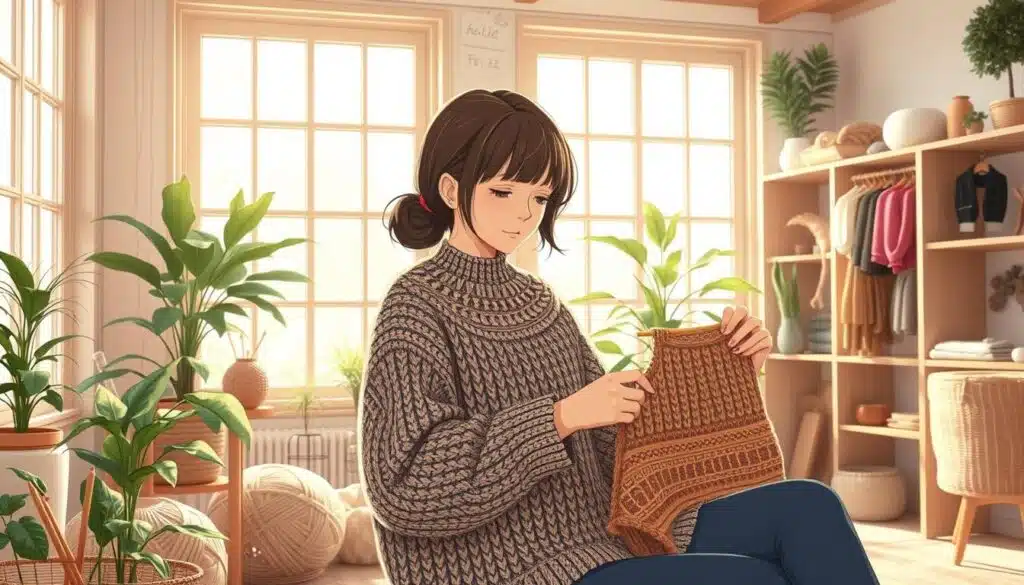
Think about how your knit is made. Use reinforced seams, clear care instructions, and strong stitch patterns. This makes your sweater last longer and reduces waste over time.
Design for real bodies by making patterns in multiple sizes. Include clear fit notes and options for adjusting measurements. Designers like Tincan Knits and Chris Knits are great examples of inclusive patterns and easy-to-follow fit guidance.
Make your patterns adaptable. Add options like short-row bust shaping, customizable sleeve lengths, and waist shaping. These small changes help more people use your patterns, supporting size-inclusive knitting.
Repurpose old sweaters by unraveling them or adding new panels. Clean the yarn well before using it to remove odors and contaminants. Repurposing keeps materials in use and reduces the need for new production.
Design pieces that can do more than one thing. Use modular designs so a single garment can serve many roles. This approach helps reduce waste by making each item last longer.
| Design Focus | Practical Tip | Benefit |
|---|---|---|
| Yarn choice | Pick organic cotton, bamboo, or recycled yarn from trusted mills | Longevity, lower environmental impact, supports local producers |
| Pattern grading | Include multiple sizes, graded ease, and fit notes | Better fit, wider audience, promotes size-inclusive knitting |
| Construction | Use reinforced hems, thoughtful seaming, and clear blocking instructions | Durable garments, fewer repairs, aligns with sustainable knitting design |
| Upcycling | Reclaim yarn from thrift finds and add patching or extensions | Reduces waste, invites creativity, helps repurpose garments |
| Pattern accessibility | Offer written, charted, and video guidance for key techniques | Inclusive knitting patterns reach more makers and skill levels |
Conclusion
Practical habits like ripping, washing, and swatching are key in modern knitting. They help you work with yarn in new ways. You can choose to keep the yarn’s texture or wash it to start fresh.
Testing your yarn can save you time and trouble. It helps you see how it changes when washed or unraveled. You might notice small differences in how it feels and looks.
The knitting world is full of possibilities. Online tutorials and digital platforms make it easy for everyone to join in. Yarn shops and online groups keep the community vibrant.
By exploring online patterns and joining stitch circles, you learn fast. You get tips and support that improve your skills. This makes knitting more fun and rewarding.
Sustainability is shaping the future of knitting. Choosing eco-friendly yarns and making things to last is important. New technologies like smart yarns and 3D tools will also play a role.
But the most important thing is to swatch well and listen to others. This way, you can make sure your projects turn out right. It’s all about making things that last and are good for the planet.
If you want to know more about the knitting world, check out this article: knitting industry trends. Now, pick a project, swatch wisely, and enjoy the journey. The future of knitting is bright, sustainable, and full of community.
FAQ
What is driving knitting’s comeback beyond the “grandmother” stereotype?
Knitting has become a trendy, mindful craft. It combines sustainability, self-expression, and practicality. Designers like Andrea Mowry and Caitlin Hunter offer modern patterns for all. Social media and workshops make learning easy, placing knitting between slow fashion and everyday wear.
Why are so many knitters reclaiming yarn from WIPs, thrifted sweaters, and UFOs?
Knitters are saving yarn for practical and ethical reasons. They fix poor fits, rescue projects, and find unique fibers. This reduces waste and lets them embrace texture or luxury yarns. The process requires extra prep to ensure the yarn works for new projects.
How do you properly reset reclaimed yarn after ripping it from a garment?
Wind the yarn loosely and tie it in four places. Soak it in warm water with wool wash to clean it. Roll it in a towel, then hang to dry. Wind it into cakes on a ball winder to smooth out kinks.
What are the risks of steam-resetting yarn and how can I avoid them?
Steam-resetting can stretch yarn and introduce moisture. This can alter gauge or cause mildew. Use minimal tension, a swift, and never wind damp skeins. Always dry skeins fully and swatch to check gauge.
Will reclaimed yarn knit up the same as new, washed yarn?
Not always. Unwashed reclaimed yarn is often kinky. Washing and blocking can narrow the gauge gap. But, tactile differences may remain. Always swatch and plan for gauge adjustments.
Which projects are best for using reclaimed yarn?
Use it for practice projects, rustic accessories, and textured pieces. Avoid high-precision garments unless the yarn is well-reset. Start with chunky scarves or color-stripe experiments.
What tools make reclaiming and reusing yarn easier?
A swift and ball winder help with skeins and cakes. Circular needles make larger pieces easier. Use stitch markers, blocking mats, and a good wool wash. Apps and platforms like Ravelry help manage patterns.
How should I swatch when working with reclaimed or thrifted yarn?
Swatch in the stitch pattern and needle size you’ll use. Wash and block the swatch like the finished piece. Compare pre- and post-wash gauge. Swatching twice helps predict final measurements.
Are there sustainable yarn options to choose instead of reclaiming?
Yes. Eco-friendly fibers like Tencel and organic cotton are available. Brands like Green Mountain Spinnery offer traceable, low-impact yarns for modern patterns.
Which techniques should I learn to make the most of reclaimed yarn and modern patterns?
Learn the basics and then textured skills like cables and brioche. Colorwork and shaping are also important. These skills help adapt patterns to yarn quirks and create inclusive garments.
Can reclaimed yarn be used for advanced techniques like brioche and lace?
Yes, but it needs proper processing first. Washing and resetting improve loft and stitch definition. Use patterns with forgiving texture or larger needles for kinkiness or splitting.
How do modern designers and communities support inclusive and sustainable knitting?
Designers focus on size-inclusive patterns and slow-fashion values. Communities support traceability, education, and projects that reduce waste. This encourages responsible sourcing.
What are the common pitfalls that lead to abandoned projects (UFOs) and how can you avoid them?
Avoid unclear instructions, poor fit, and gauge surprises. Use beginner-friendly patterns and larger needles. Break projects into milestones to build finishing discipline.
Where can I find patterns suitable for reclaimed yarn or eco-friendly projects?
Ravelry and Etsy have vast pattern libraries. Sites like AllFreeKnitting list beginner projects. Filter for gauge flexibility or rustic textures when using reclaimed yarn.
How do festivals and small farms influence yarn choice and sustainability?
Fiber festivals and farms offer unique, traceable yarns. Buying directly supports local producers and reduces waste. It gives you tactile knowledge of the fiber.
What role do digital tools and 3D-printed accessories play in modern knitting?
Digital tools like KnitCompanion simplify pattern reading. 3D printing creates ergonomic tools that reduce strain. These innovations make knitting more accessible and adaptable.
How can blocking help when knitting with reclaimed yarn?
Blocking evens stitches and stabilizes gauge. It can make reclaimed-yarn fabric look like washed yarn. Always test on a swatch first.
Is there a community for sharing reclaimed-yarn techniques and outcomes?
Yes. Instagram, Pinterest, Ravelry, TikTok, and YouTube have vibrant conversations. Virtual circles, workshops, and pattern testers offer feedback and tips.
What final checks should you do before starting a project with reclaimed yarn?
Wind and tie the skein, wash and dry it, then wind into cakes. Knit a swatch in the intended stitch pattern. Wash and block the swatch, then measure gauge. Confirm color consistency and yardage, and plan for possible yardage shortfalls or gauge shifts before you cast on.