Hat Making Machine: 10 Powerful Best Models in 2025
Why Hat Making Machines Are Revolutionizing Custom Headwear
Hat making machines are specialized equipment designed to automate the production of custom headwear through embroidery, knitting, or heat pressing processes. These machines range from home-use combo units to commercial-grade systems capable of producing hundreds of hats per day.
Key Types of Hat Making Machines:
– Embroidery machines – Add designs to pre-made caps using needle and thread
– Knitting machines – Create beanies and knit caps from yarn
– Heat press machines – Apply vinyl designs or patches to hat surfaces
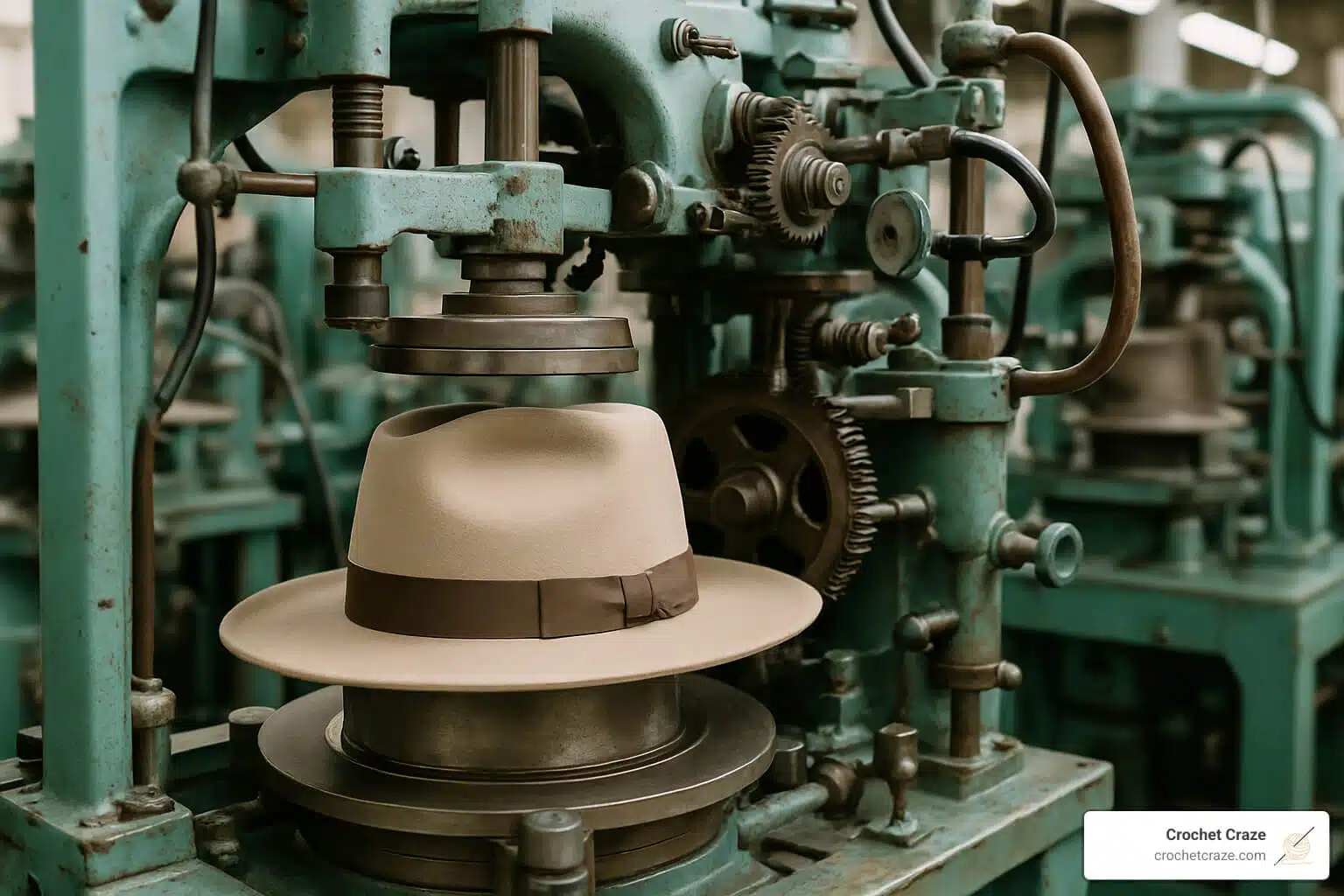
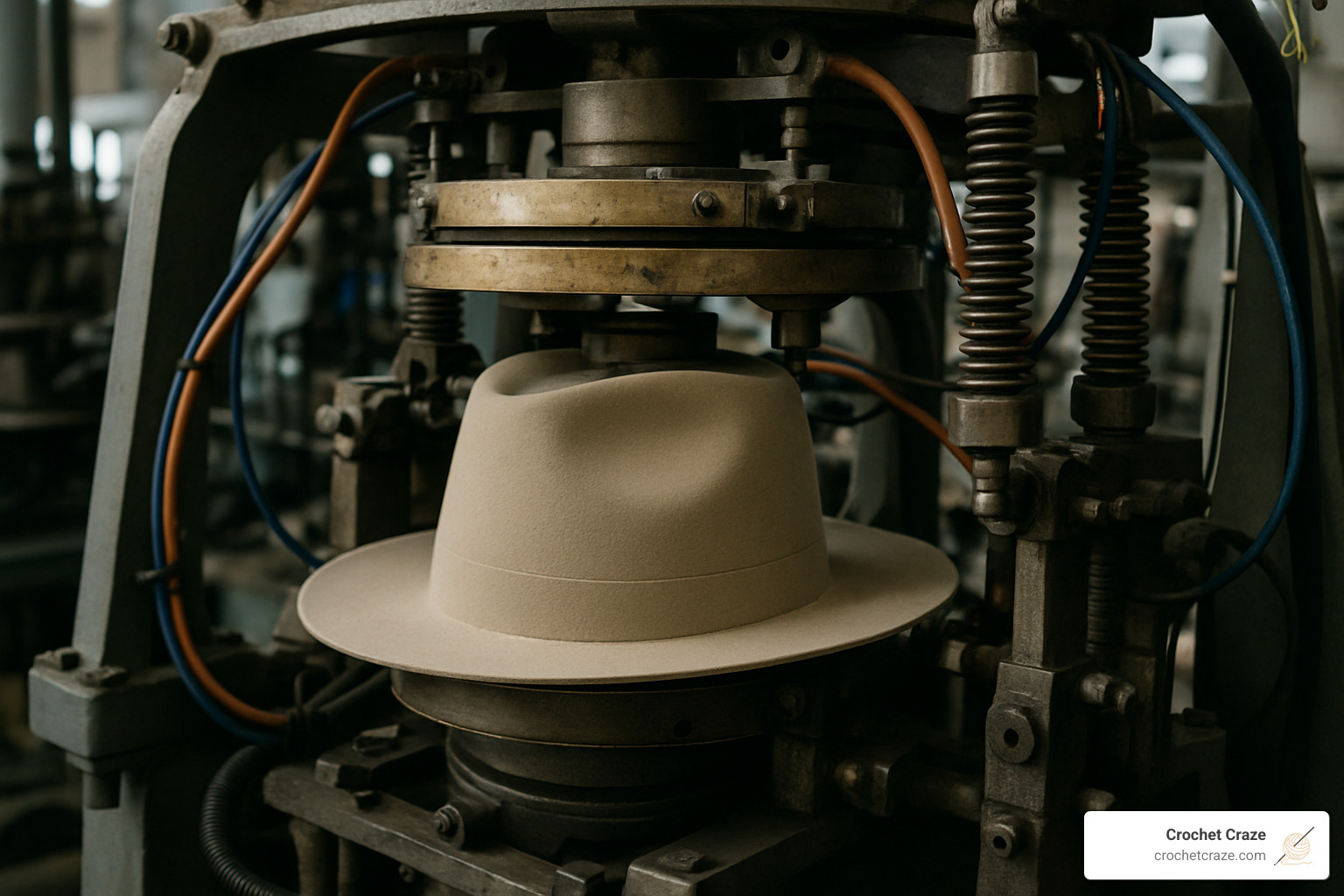
– Blocking machines – Shape and finish felt or knitted hats
The custom hat market has exploded as people seek personalized accessories for businesses, sports teams, and personal expression. What once required expensive outsourcing can now be done in-house with the right equipment.
Modern hat making machines combine traditional craftsmanship with digital technology. Commercial embroidery machines can stitch at up to 1,200 stitches per minute, while home models typically run around 400 SPM. Features like WiFi connectivity, touchscreen controls, and automatic thread cutting make these machines accessible to beginners while still meeting professional production needs.
I’m Sonja Huerta, and as someone passionate about crafting and DIY projects, I’ve been exploring how hat making machines can expand creative possibilities beyond traditional hand techniques. My attention to detail and patience with learning new skills has helped me understand the technical aspects of these fascinating machines.

Similar topics to hat making machine:
– circular knitting machine
– double bed knitting machine
How Do Hat Making Machines Work?
Ever wondered what magic happens inside a hat making machine when you hit that start button? The process starts with your design being translated into instructions the machine can understand through digitizing software.
Embroidery machines coordinate multiple moving parts with incredible precision. The embroidery heads position needles exactly where they need to go, while specialized hoops hold your cap at just the right angle. Thread feed systems maintain perfect tension throughout the stitching process.
Heat press machines use heated platens that curve to match your cap’s shape. The key is getting even heat distribution across that curved surface without creating creases or burn marks through controlled pressure and temperature.
For knitting machines, yarn feeders and tiny latch needles arranged in circles work like dozens of expert knitters in perfect harmony, controlling everything from stitch density to yarn tension for consistent fabric gauge.
Modern machines monitor thread tension, detect breaks before they become problems, and adjust speed based on design complexity. Scientific research on modular embroidery shows that newer systems can work independently, preventing small issues from shutting down entire production lines.
Inside an Embroidery Head
The embroidery head is where the real action happens. The needle bar drives precise up-and-down motion at up to 1,200 stitches per minute while maintaining incredible accuracy. Commercial units typically pack 15-16 needles for automatic color changes.
The rotary hook catches the upper thread and forms perfect lock stitches with the bobbin thread using millisecond precision timing. Thread tensioners automatically adjust for different thread types and fabric thicknesses, with advanced systems like Acti-Feed™ technology monitoring thread usage and adjusting feed rates in real-time.
The 270-degree cap frame enables embroidery from ear to ear, providing coverage that standard flat embroidery machines with typical 180-degree coverage simply can’t match.
Inside a Circular Knitter
Circular knitting machines create seamless tubes perfect for beanies through continuous circular motion rather than flat knitting. Yarn feeders control multiple yarn streams positioned around the machine’s circumference, making color changes and pattern creation straightforward.
Each latch needle grabs yarn and forms loops independently, allowing complex patterns and hat shaping during knitting. The cylinder gauge (needles per inch) determines fabric fineness, while take-down rollers control fabric tension as the knitted tube emerges.
More info about circular knitting machines can help you dive deeper into needle selection and yarn compatibility.
Main Types of Hat Making Machines
Understanding different types of hat making machines is essential for choosing the right tool for your creative vision.
Embroidery machines are the workhorses of custom hat creation, adding beautiful logos, text, or decorative patterns to existing structured caps. They’re like having a digital needle that never gets tired, working with pre-made caps to skip the complicated hat construction process.
Heat press machines offer the simplest entry into hat customization, using controlled heat and pressure to apply vinyl graphics, patches, or sublimation transfers. While limited to surface applications, they’re incredibly cost-effective for small operations.
Knitting machines create entire hats from yarn, offering unlimited creative freedom for beanies and knit styles. They require more skill but provide the satisfaction of watching complete hats emerge from just yarn and creativity.
Blocking and finishing machines include hat blocks, crown irons, and brim cutters that transform raw materials into polished, finished headwear – separating hobby-level projects from professional-quality results.
Hat Making Machine for Embroidery: Single vs Multi-Needle
Single-needle embroidery machines are perfect for beginners, typically running at 400 stitches per minute with manual color changes. Models like the Brother SE700 combine sewing and embroidery functions for versatile crafting.
Multi-needle machines feature 12-16 pre-threaded needles enabling automatic color changes at speeds up to 1,200 stitches per minute. Commercial units like the Smartstitch S-1501 offer WiFi connectivity and tireless precision.
| Feature | Single-Needle | Multi-Needle |
|---|---|---|
| Speed | 400-600 SPM | 1000-1200 SPM |
| Color Changes | Manual | Automatic |
| Learning Curve | 5-10 hours | 15-25 hours |
| Production Volume | 1-50 hats/week | 100+ hats/week |
Hat Making Machine for Heat Press & Patches
Heat press machines designed for caps feature curved platens that hug hat shapes without creating creases. Cap platen sizes typically range from 6″ x 3″ to 6.7″ x 3.8″ for different design requirements.
Sublimation printing works beautifully on polyester caps, creating photo-quality images that become part of the fabric. HTV (Heat Transfer Vinyl) provides durable graphics for cotton caps, while patch kits offer an alternative approach for complex designs.
Hat Making Machine for Knitting & Beanies
Circular knitting machines like the IMS 365 produce seamless tubes perfect for beanies, offering features for ribbed cuffs, crown shaping, and colorwork in single production cycles.
Gauge options determine fabric characteristics – fine gauges (18-22 needles per inch) work with sport and DK weight yarns for smooth fabrics, while coarser gauges (7-12 needles per inch) accommodate bulky yarns for chunky winter beanies.
More info about double bed machines explains complex stitch patterns for professional knitted hats.
Choosing the Right Hat Embroidery Machine: Features, Costs & ROI
Finding the perfect hat making machine for embroidery requires understanding which features matter for your specific needs and how they translate into real-world results.
Needle count makes the biggest workflow difference. While single-needle machines work for simple designs, those 15-16 needles on commercial machines eliminate manual color changes for complex logos.
The 270-degree sew field separates true cap embroidery machines from regular units, enabling ear-to-ear embroidery that standard 180-degree machines can’t handle.
WiFi connectivity and touchscreen controls eliminate USB transfers and simplify operation through large 7-12 inch displays. Financing options make commercial-grade machines accessible through monthly lease payments that preserve cash flow.
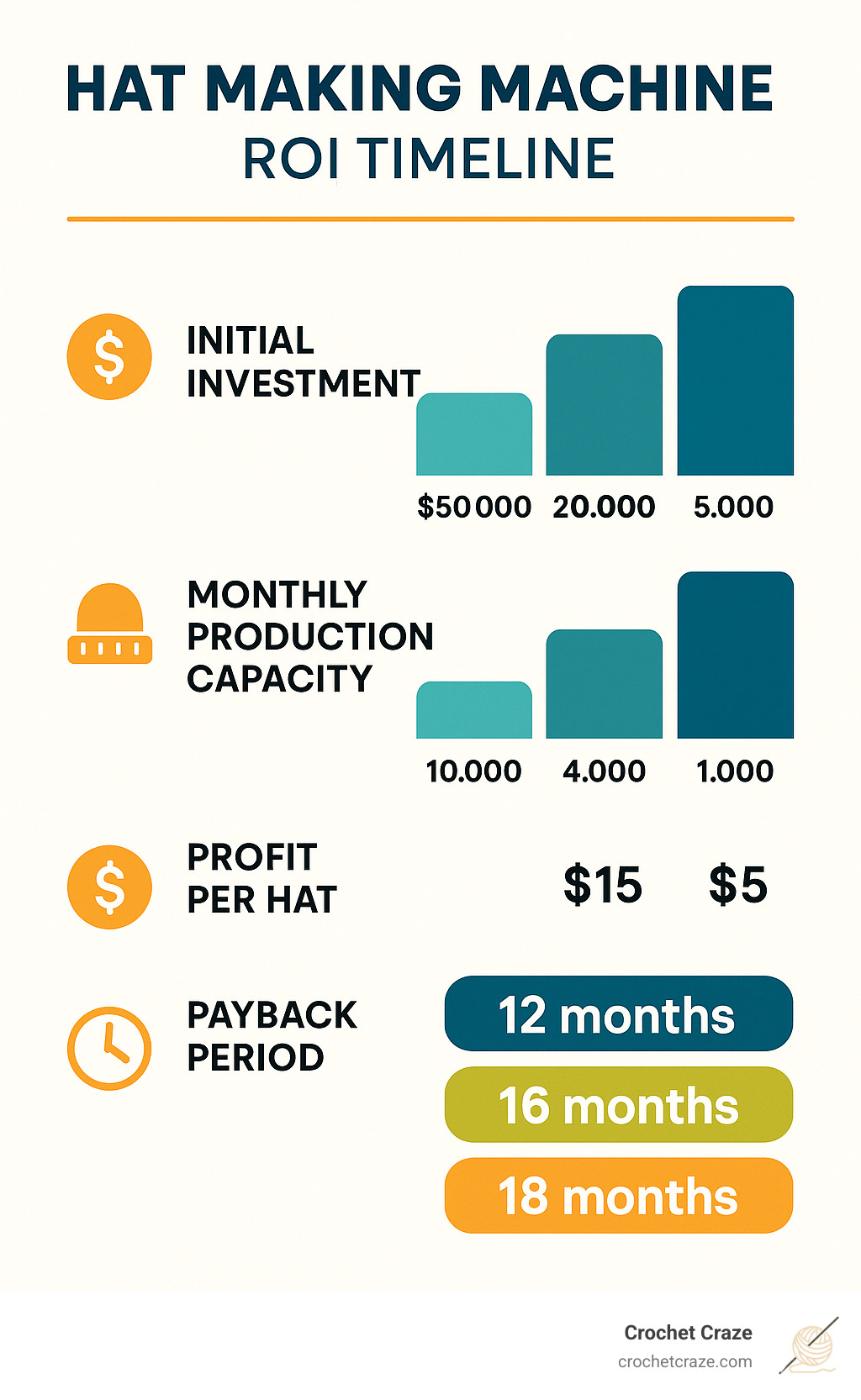
ROI calculations show machines producing just 50 hats weekly can often pay for themselves within 12-18 months with decent profit margins.
Budget & Price Bands (Home to Commercial)
Under $1,000 combo machines like the Brother SE700 offer 4″ x 4″ embroidery areas perfect for testing the waters with basic cap designs.
The $5,000-$8,000 prosumer range includes machines like the BAi Mirror with 15 needles and speeds up to 1,200 stitches per minute – ideal for serious production while remaining manageable for solo operators.
Industrial systems ($10,000-$20,000) like the Melco EMT16X feature modular designs and advanced automation for continuous commercial operation.
Leasing options preserve working capital and often include maintenance packages, while used machines from reputable dealers offer commercial-grade equipment on tighter budgets.
Essential Accessories & Attachments
Cap drivers adjust to different cap styles while maintaining perfect positioning. Specialized cap hoops provide crucial 270-degree access for curved surfaces that standard flat hoops can’t handle.
3D foam kits create dimensional embroidery effects, while proper backing materials prevent puckering and distortion. Thread racks keep workspaces organized and prevent tangles during production.
More info about knitting machine reviews offers insights into accessory compatibility for different machine types.
Operating & Maintaining Your Hat Making Machine
Mastering your hat making machine feels intimidating at first but becomes natural with proper habits. Taking time to learn basics upfront prevents countless headaches later.
Threading your machine properly is crucial – each thread must follow its designated path through tensioners, guides, and needle eyes precisely. Most modern machines include clear diagrams, with newer models offering automatic threading systems.
Hooping techniques make or break embroidery quality. Your cap needs secure positioning without fabric distortion – firm enough to prevent shifting, gentle enough to avoid damage. The cap driver should cradle your hat while giving needles clear design area access.
Tension adjustments find the sweet spot where everything works harmoniously. Many machines handle this automatically, but understanding manual adjustments helps with tricky fabrics.
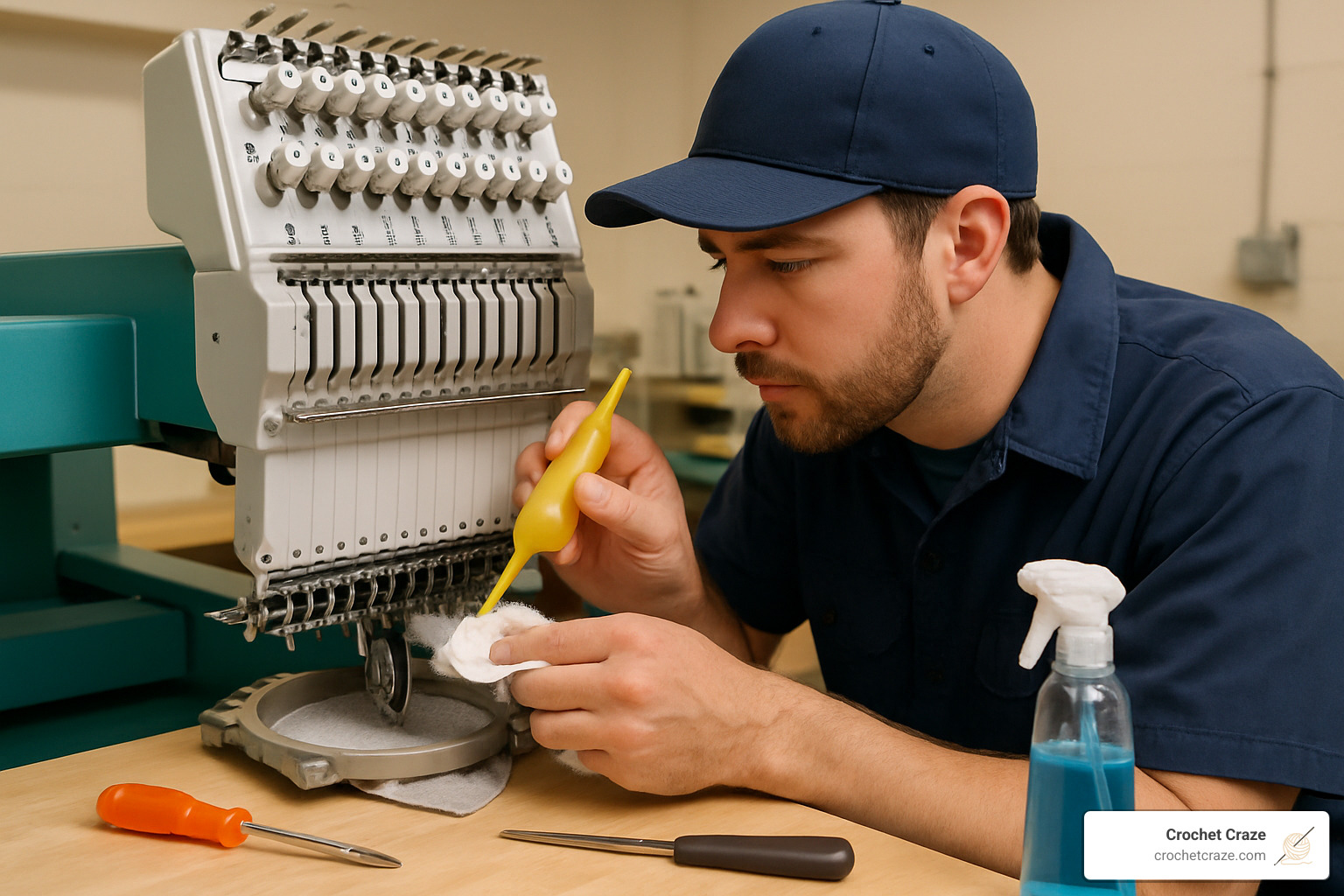
Firmware updates provide free feature additions and compatibility improvements. Preventive maintenance through regular cleaning and lubrication keeps machines running smoothly – much easier than dealing with major repairs.
Expect 10-20 hours to learn your machine’s personality, including controls, hooping skills, and basic troubleshooting.
Tips for High-Quality Hat Stitching
Quality stabilizer creates the foundation for professional results. Cut-away stabilizers provide permanent support for stretchy materials, while tear-away works for stable fabrics. Smart design placement starts from center and works outward, avoiding thick seam areas when possible.
Slow down for the first 500 stitches – this simple habit prevents costly mistakes on expensive caps by allowing setup verification before full-speed production.
High-quality embroidery threads reduce breaks and provide consistent colors. Cheap threads often cause production delays that cost more than the initial savings.
Troubleshooting & Support Channels
Thread breaks usually stem from incorrect threading, poor thread quality, or tension issues. Start by re-threading completely and checking for obstructions.
Registration shift typically points to hooping problems – loose hooping, worn cap drivers, or machines needing calibration. Support forums provide practical advice from experienced users, while YouTube demonstrations offer visual learning for complex procedures.
Quality manufacturers offer comprehensive support through phone, email, and remote diagnostics when serious technical issues arise.
Latest Tech & Top Hat Making Machine Models for 2024
This year’s hat making machine models blend reliability with smart features that make custom hat creation easier than ever.
The Melco EMT16X leads commercial cap embroidery with 1,200 stitches per minute and modular design for business growth. The Acti-Feed™ system automatically adjusts to different cap thicknesses for consistent results.
The Smartstitch S-1501 brings commercial features without intimidating complexity – 15 needles, WiFi connectivity, and 14″ x 20″ embroidery area with 4.9-star customer ratings.
The BAi Mirror series hits the sweet spot with 10-inch touchscreens, 15-needle setup, and improved thread cutting that reduces waste. The Brother PRS100 deserves mention for serious hobbyists with single-needle precision and free-arm design.
VEVOR heat press machines offer reliability with multiple platen sizes and digital controls. The IMS 365 knitting machine creates complex beanie patterns including cables and colorwork automatically.
What matters most is the support included – comprehensive training programs, detailed documentation, and responsive technical support make the difference.
Future Trends to Watch
AI-powered auto-digitizing will soon convert artwork into embroidery files automatically, eliminating the need for specialized digitizing skills.
Cloud design libraries provide subscription access to thousands of patterns – like Netflix for embroidery designs. Modular scaling means equipment grows with your business, while eco-fiber knitting addresses environmental concerns with recycled materials.
IoT maintenance alerts use smart sensors to predict maintenance needs, preventing surprise breakdowns through advance warning systems.
Frequently Asked Questions about Hat Making Machines
When investing in a hat making machine, common concerns arise repeatedly. Let’s address the most important ones.
What features matter most for small businesses?
Reliability should be your top priority – machines that break down frequently cost more in lost orders than initial purchase savings. Look for brands with solid reputations and good warranty coverage.
Ease of use comes next. A 12-15 needle machine with good cap hooping and 270-degree sew field handles most commercial jobs without overwhelming complexity.
WiFi connectivity and touchscreen controls save hours weekly through wireless design transfer and simple navigation. Don’t overlook local dealer support – having nearby technicians matters more than you might think.
How hard is it to learn cap embroidery?
Most people get comfortable with basics in 10-20 hours of hands-on practice, including proper cap hooping, machine controls, and troubleshooting.
Start simple and work up – practice with basic text on cheap caps before tackling complex logos. Hooping technique makes or breaks results – learning proper cap positioning takes practice but makes everything else easier.
Many dealers offer training programs that fast-track progress, often included in machine packages.
Can one machine handle both beanies and baseball caps?
Embroidery machines are versatile for different hat styles with the right accessories. You’ll need different hooping systems, but many machines include both types.
Knitting machines are specialists for creating hats from yarn – they excel at beanies but can’t work with pre-made structured caps.
Heat press machines work great for both, though beanies require gentler technique to avoid flattening knitted texture. The real question is whether you want to serve both markets with their different expectations and seasonal patterns.
Conclusion
What an exciting journey through hat making machines! From embroidery needles to circular knitters, these devices are changing how we approach custom headwear.
This technology has become remarkably accessible. Whether you’re dreaming of starting a small embroidery business or expanding your crafting repertoire, there’s a hat making machine that fits your needs and budget.
The versatility is remarkable – embroidery machines transform plain caps into personalized masterpieces, heat presses offer instant vinyl application, and knitting machines create complete hats from yarn like tireless crafting partners.
Don’t let technology intimidate you. The learning curve is typically 10-20 hours, and every expert started as a beginner. According to the Craft and Hobby Association, crafting with modern equipment has grown significantly as technology becomes more user-friendly.
At Crochet Craze, we believe the best crafting happens when traditional skills meet modern innovation. Hat making machines perfectly exemplify this philosophy, amplifying creativity rather than replacing handcrafting joy.
The investment often pays back through business income, creative satisfaction, and skill mastery pride. Ready to explore more? Our techniques section offers guides that complement your hat making machine trips.
Every amazing hat started as an idea and raw materials. With the right machine and practice, you’ll be amazed at your creations. Happy crafting!