There is nothing quite like the feeling of a thick, squishy blanket draped over your lap on a cold evening — especially when you made it yourself. Chunky yarn has made hand knitting blankets faster, more accessible, and more satisfying than ever before. Instead of spending months on a fingering-weight project, you can finish a cozy throw in a weekend with the right yarn and a couple of large needles. Pairing that yarn with the best circular knitting needles keeps a big blanket from getting unwieldy on your lap.
But walk into any craft store or scroll through an online yarn shop in 2026, and you’ll find dozens of options labeled “chunky,” “super bulky,” and “jumbo.” They are not all created equal, and the wrong choice can leave you with a blanket that pills, stretches, or sheds all over your couch. This guide breaks down what to look for, which yarns work best, and how to match your yarn to the blanket you want to make.
What Counts as Chunky Yarn?
In the yarn industry, “chunky” is an official weight category. Here is a quick reference so you know exactly what you are buying:

- Bulky (Weight 5): Typically knit on US 9–11 needles. Works up quickly and is the lightest option most people still call “chunky.”
- Super Bulky (Weight 6): Typically knit on US 11–17 needles. This is the sweet spot for hand-knit blankets — fast, thick, and drapey.
- Jumbo (Weight 7): Knit on needles US 17 and up, often with arm knitting or giant circular needles. Dramatic and fast, but heavier and pricier.
For blankets, super bulky is usually the best balance. It knits up fast enough to keep you interested, but it is not so massive that your arms ache after twenty minutes.
What to Look For in Blanket-Worthy Chunky Yarn
A blanket takes more wear and tear than a hat or scarf. It gets sat on, washed, dragged around, and cuddled. Keep these five factors in mind:
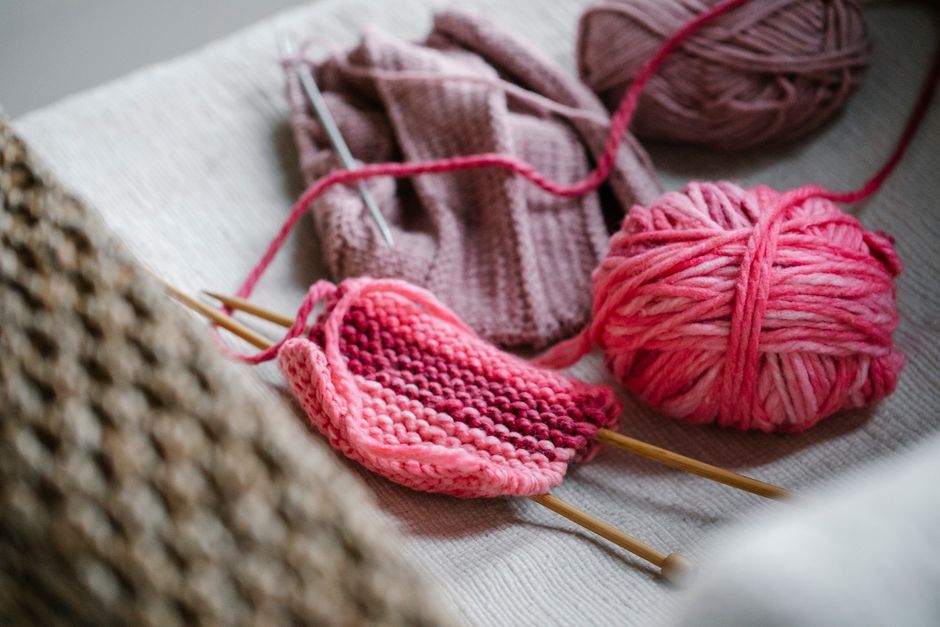
1. Durability and Pill-Resistance
Loosely spun single-ply yarns look gorgeous in the skein but pill badly on a blanket. Look for yarns described as tightly spun, plied, or “anti-pill.” Blends with a bit of acrylic or nylon mixed into the wool hold up noticeably better under friction.
2. Softness
You will be pressing this blanket against your face, so scratchiness matters. Merino, alpaca, and chenille-style yarns are reliably soft. Some budget acrylics soften considerably after a wash with conditioner, but don’t count on it.
3. Yardage and Cost
Blankets eat yarn. A throw typically needs 600–1,200 yards of super bulky yarn, depending on size and stitch pattern. Always check yardage per skein, not just price per skein — a cheap 60-yard ball is often more expensive per yard than a slightly pricier 120-yard one.
4. Care Requirements
Hand-wash-only yarn is fine for a decorative throw, but if the blanket will live on a family couch, machine washable is worth every penny. Superwash wool, acrylic, and cotton blends handle regular laundering best.
5. Color and Dye Lot Consistency
For a large project, buy all your skeins at once and check the dye lots. Slight color variations between batches are far more obvious across a big flat blanket than on a small project.
The Best Chunky Yarns for Hand-Knit Blankets in 2026
These yarns consistently earn top marks from blanket knitters for softness, durability, and value.

Best Overall: Superwash Merino Super Bulky
A superwash merino in a super bulky weight is the gold standard. It is soft against the skin, machine washable, takes dye beautifully, and holds its shape. Expect to pay a premium, but a merino throw feels genuinely luxurious and will last for years with basic care.
Best Budget Pick: Acrylic Super Bulky
Modern acrylic has come a long way. It is inexpensive, machine washable, available in hundreds of colors, and holds up well to repeated washing. The trade-off is breathability — acrylic can feel clammy — but for a kids’ blanket or a gift that needs to be practical, it is hard to beat.
Best for Warmth: Wool-Alpaca Blend
Alpaca is warmer than wool by weight and has a silky, drapey feel. A wool-alpaca blend in super bulky weight makes an incredibly cozy winter blanket. Just note that alpaca has less memory than wool, so pure alpaca blankets can stretch — a 50/50 blend keeps the warmth while adding structure.
Best for Texture: Chenille-Style Chunky
Chenille yarns create a velvety, plush fabric that looks like a store-bought throw. They are wonderful for baby blankets and decorative throws. Be aware that chenille can shed and is prone to “worming” (loops working their way out), so use simple stitch patterns and a slightly tighter gauge.
Best for Quick Projects: Jumbo Roving Yarn
If you want a blanket finished tonight, jumbo roving yarn and arm knitting are the answer. A queen-size blanket can take under two hours. The downside is cost, weight, and durability — roving yarns pill and shed more than spun yarns, so treat these blankets as statement pieces rather than everyday workhorses.
How Much Yarn Do You Need?
These are rough estimates for a simple garter or stockinette throw in super bulky weight (gauge of about 2–2.5 stitches per inch):
- Baby blanket (30″ x 40″): roughly 400–600 yards
- Lapghan (40″ x 50″): roughly 700–900 yards
- Throw (50″ x 60″): roughly 1,000–1,300 yards
- Full/queen (60″ x 80″): roughly 1,800–2,400 yards
Always buy 10–15% more than you think you need. Dye lots sell out, and running short mid-project is a knitter’s nightmare.
Tips for Knitting a Chunky Blanket That Lasts
- Swatch — really. A 4-inch swatch in chunky yarn takes fifteen minutes and tells you your true gauge, how the yarn behaves, and whether you like the fabric.
- Choose simple stitches. Chunky yarn hides intricate stitch patterns. Garter stitch, seed stitch, and simple cables look best at this scale.
- Go up a needle size for drape. Many knitters size up one needle from the yarn label recommendation to get a softer, more fluid blanket rather than a stiff mat.
- Add a border. A garter or seed stitch border prevents curling and gives the blanket a finished edge.
- Weave in ends securely. Chunky yarn ends are thick and prone to popping out. Weave them in multiple directions and consider felting wool ends with a tiny bit of water.
- Block gently. Lay the finished blanket flat, mist it, and let it dry completely before use. Avoid hanging a wet chunky blanket — the weight can stretch it permanently.
Frequently Asked Questions
Can I knit a blanket with yarn held double?
Absolutely. Holding two strands of worsted or bulky yarn together is a great way to use up stash and create custom color blends. Just swatch first, since doubling changes gauge dramatically.
Is chunky yarn good for beginners?
It is the best choice for beginners. Large stitches are easy to see, mistakes are easy to fix, and projects finish fast enough to keep motivation high. If you have only crocheted amigurumi before, a chunky blanket is a wonderful first knitting project, and guides like this learn to knit kit review can help you gather the right tools before you start.
How do I stop my chunky blanket from shedding?
Choose plied, tightly spun yarns over single-ply roving, avoid excessive friction during washing, and use a mesh laundry bag for machine washing. Some shedding in the first few weeks is normal; persistent shedding usually means the yarn was the wrong choice.
What is the warmest chunky yarn for a blanket?
Alpaca and wool blends are the warmest. Acrylic is warm but less breathable, and cotton is cooler and heavier — better suited to summer throws.
Conclusion
The best chunky yarn for hand knitting blankets comes down to your priorities: softness, durability, budget, or speed. A superwash merino super bulky is the all-around winner for a blanket you will use every day. Acrylic is the practical, affordable choice for families. Wool-alpaca blends deliver unmatched warmth, chenille creates irresistible texture, and jumbo roving lets you finish a blanket in a single evening.
Whatever you choose, buy enough yardage, swatch before you commit, and keep your stitch patterns simple — the same patience you would apply to a seamless sweater knitting pattern pays off on a large blanket. A chunky blanket is one of the most rewarding projects in all of knitting — quick enough to finish, substantial enough to become an heirloom. And if you love handmade treasures of all kinds, our crafting community at Crochet Craze celebrates makers of every skill level, from first-time knitters to seasoned artisans creating amigurumi and beyond. Happy knitting!