
If you know how to chain, single crochet, and double crochet, you can do this stitch. This tutorial shows a four-row repeat that creates a dramatic texture. It’s great for making scarves, cowls, blankets, cushions, and bags.
This guide is for beginners and uses US terms. It suggests using Lion Brand Heartland yarn for the best results. You’ll learn about turning chains, row interactions, and how the pattern works. Just follow the steps, use photos and videos for help, and practice until you get it right.
Key Takeaways
- This alpine stitch beginner tutorial is a four-row repeat using fpdc around dc two rows below.
- Turning chains do not count as stitches—this keeps your stitch count stable.
- Use worsted-weight yarn examples like Lion Brand Heartland for clear texture.
- Match written instructions with photos and video to learn fpdc placement confidently.
- Practice small swatches first to learn tension and avoid edge gaps.
Why You’ll Love the Alpine Stitch: Texture, Versatility, and Calm
The alpine stitch offers a woven, modern texture. It looks like a crafted fabric, not bulky cables. This texture is clear and defined, making it great for both wearables and homewares.
Choosing your yarn changes the fabric’s feel. A worsted-weight yarn makes a dense, sturdy cloth. This is perfect for bags and cushions. On the other hand, lofty yarns soften the pattern while keeping the stitch’s lines.
The alpine stitch is very adaptable. It works well for scarves, cowls, blankets, pillows, dishcloths, and tote bags. You can change yarns, adjust width, or try a front post treble for a bolder look. Many prefer fpdc for a neater finish and fewer holes.
The stitch’s four-row repeat builds rhythm. This rhythm slows your breathing and focuses your hands. It’s why the alpine stitch is on lists of calming patterns for makers.
Don’t be intimidated by the stitch’s designer look. It’s advanced but easy for adventurous beginners who know fpdc. Clear tutorials speed up learning. Once you master it, the alpine stitch rewards you with a textile that performs and delights.
| Project | Recommended Yarn | Fabric Character | Why It Works |
|---|---|---|---|
| Scarf / Cowl | Worsted or DK | Defined texture, flexible drape | Shows stitch lines, wears well around neck |
| Blanket | Worsted or Bulky | Cozy, visible pattern | Repeating rows create comforting rhythm for large pieces |
| Pillow / Cushion | Worsted, tight tension | Opaque, sturdy | Dense fabric holds shape and shows texture |
| Bag / Tote | Worsted or cotton blend | Robust, low stretch | Durable structure, neat surface for colorwork |
| Dishcloth | Cotton | Textured, absorbent | Raised posts add scrubbing surface |
Materials, Gauge, and Suggested Yarn for Success
For crisp texture and predictable results, choose materials that highlight the stitch’s raised posts. Use yarn with good body to keep the stitch definition clear. Fluffy fibers will soften the ridges, while firmer strands will make them bold.
Yarn for alpine stitch can be acrylic, wool, or blends. Acrylic and wool blends are great for bags and pillows. For clothes, softer wool or acrylic-wool blends are better.
Worsted weight alpine stitch offers a good balance of texture and ease. A medium / #4 yarn shows the stitch detail well without needing small hooks. Lion Brand Heartland is a good example of how a worsted yarn presents the stitch.
Most crocheters start with a 5 mm hook alpine stitch gauge. This hook size is recommended by many yarn labels and keeps the fabric just right. If your tension is tight, use a larger hook for more drape. If it’s loose, try a 4.5 mm hook for a denser fabric.
Tension affects how the fabric looks and feels. Tight tension makes it dense and opaque, perfect for home items. Loose tension makes it airy and shows the post separation well. Test your stitch with a swatch to see what you like.
Here’s a real-world gauge to guide your swatch planning: using Heartland yarn with a 5 mm hook, you get about 14 stitches and 13 rows = 4″ (10 cm). Use this to scale your projects and check your fit early.
Project example: a cowl made with 2 skeins of Heartland on a 5 mm hook was 11.5″ (29 cm) wide by 41″ (104 cm) long after 136 rows. It started with a chain 41 and had 39 stitches across after adjustments.
Yardage tip: alpine stitch uses more yarn than simple stitches. Plan extra yardage to avoid surprises. Swatch, measure, and calculate before buying.
Stitches, Abbreviations, and US Terms You Need to Know
Before you start, get familiar with the shorthand used in patterns. This guide covers the main crochet abbreviations you’ll see. It also explains why this tutorial sticks to US terms.
Essential abbreviations to keep handy
Knowing a few common codes makes patterns easy to follow. Here’s a list to help you quickly understand patterns:
- ch = chain
- dc = double crochet (US)
- sc = single crochet (US)
- fpdc = front post double crochet
- fptr = front post treble (US triple-style post)
- st = stitch
- RS = right side
- WS = wrong side
These abbreviations help keep instructions short and clear. For a quick visual guide, check this visual tutorial.
US vs UK crochet terms: what this guide uses
Using one set of terms saves time. This guide uses US terms, so dc is double crochet and sc is single crochet. If you’re used to UK patterns, remember US dc is UK treble and US sc is UK double.
When switching patterns, pay attention to post stitches like fpdc and fptr. The fptr creates taller, more noticeable ridges than fpdc. This affects the texture and drape of your fabric.
Quick refresh: working fpdc and fptr
Here’s a simple fpdc tutorial:
- Yarn over, insert the hook from front to back to front around the post of the target stitch.
- Yarn over, draw up a loop around the post.
- Yarn over, pull through two loops, yarn over, pull through the remaining two loops.
In alpine stitch, fpdc is worked around the post of a dc two rows below. This rule keeps the pattern tight and prevents holes at the edge.
To make a fptr, add one extra yarn over and work it like a US treble/post. This creates a taller, more pronounced ridge. Many crocheters prefer fpdc for a tighter texture and fewer gaps.
Getting Started: Choosing a Foundation and Stitch Multiple
Before you start crocheting, think about how the edge will look. The foundation you pick affects the stretch, neatness, and the first row’s appearance. A foundation single crochet (fsc) gives a clean, elastic edge that matches the pattern’s texture.
If you want a simple start, a traditional starting chain plus a first row of single crochets works well. This method is common in many patterns.
Choosing between fsc and chain-start changes your finishing work. Use fsc for a clean, balanced border. Use chain then sc for speed or when following standard counts.
Stitch count is key because the alpine stitch looks best with an odd number of stitches. An odd stitch multiple keeps the pattern centered. Start with an odd number of fsc for a centered look, or chain one more and add a row of sc to reach the correct count.
Starting with the right multiple improves visual balance. This makes stripes and color changes clearer. Many designers suggest starting with chain 41, then working into the 3rd chain from hook for a comfortable width.
Turning chain rules for alpine stitch are simple and forgiving. Treat turning chains as helpers, not stitches. Use chain 1 or chain 2 to bring the yarn to height, but do not count those chains as part of the stitch total. Ignoring this rule can cause accidental increases or decreases.
Mark your first and last working stitches until the repeat feels natural. If the pattern calls for starting Row 1 in the 3rd chain from hook for a dc, follow that note to preserve the intended gauge and placement of posts. For more stitch definitions and images, check a reliable stitch guide like this crochet stitch guide to compare techniques and choose what suits your project.
Foundation single crochet vs. starting chain—pros and cons
FSC: neat, elastic, matches fabric edge; slightly slower to work. Chain + sc: quicker to set up; edge may be less stretchy and can look separate from body.
Why start with an odd number of stitches and how it affects balance
Odd counts center the motif. You get an even arrangement of raised posts and a symmetrical edge on both sides. Count carefully and check after Row 1 to confirm alignment.
Turning chain rules: why turning chains do not count as stitches
Turning chains set height only. Excluding them from stitch counts keeps the repeat stable. If you include turning chains by mistake you will change the fabric width and the placement of alpine posts.
Alpine Stitch Tutorial
This section offers a detailed guide to the alpine stitch pattern. It explains the core idea and the row structure. The stitch creates a raised, staggered texture by working front post stitches around posts two rows below. It fills the spaces with regular dc and sc.
Remember to keep your starting chain odd and your turns consistent for tidy edges.
The alpine stitch pattern involves a four-row interaction. Odd-numbered rows pair dc with fpdc (or fptr in some versions). Even rows are single crochet across. The fpdc reaches around the post two rows down, creating a plush, vertical ribs.
Row-by-row written instructions
Start with a foundation chain with an odd number of chains. The sample rectangle uses chain 41 → 39 usable stitches. Row 1 (RS): begin in third chain from hook, dc across; turn.
Row 2 (WS): ch 1 (does not count), sc in each stitch to end; turn. Row 3: ch 2 (does not count), dc in first stitch, *fpdc around the post of the dc two rows below, dc in next stitch; repeat to end; turn.
Row 4: repeat Row 2. Row 5: ch 2, fpdc around the dc two rows below in the first position, *dc in next stitch, fpdc around the dc two rows below; repeat; finish with dc in last stitch; turn. Row 6: repeat Row 2. For the continuous alpine stitch repeat, work Rows 3–6 until desired length, ending on an sc row for a clean edge.
How to maintain stitch count and avoid accidental increases
Count remains constant by treating each fpdc as belonging to the stitch two rows below. After wrapping a post, skip the top of that post when placing the next dc. Place the dc into the next available current-row stitch. This simple skip rule prevents unintended increases.
Edge tips: if the final fpdc at a row edge opens a gap, substitute a shorter fpdc or use a standard fpdc instead of a tall front post treble. For a working example and visuals that match these alpine stitch written instructions, see a practical tutorial from All About Ami with a Heartland yarn sample at the alpine stitch tutorial.
Use the sample count and repeat to test gauge: the Heartland rectangle used chain 41 for 39 stitches, following the alpine stitch rows across 136 rows to reach a finished measurement similar to many cowl and scarf projects. Practice a small swatch to lock in tension before committing to a large piece.
alpine stitch tutorial
Ready to pair your written pattern with visual help that actually saves time? Start by gathering an alpine stitch video and a set of alpine stitch photos. These should show the same row from both sides. Use the photos to check exact post placement. Use the video to watch rhythm, tension, and how the fabric grows as you work.
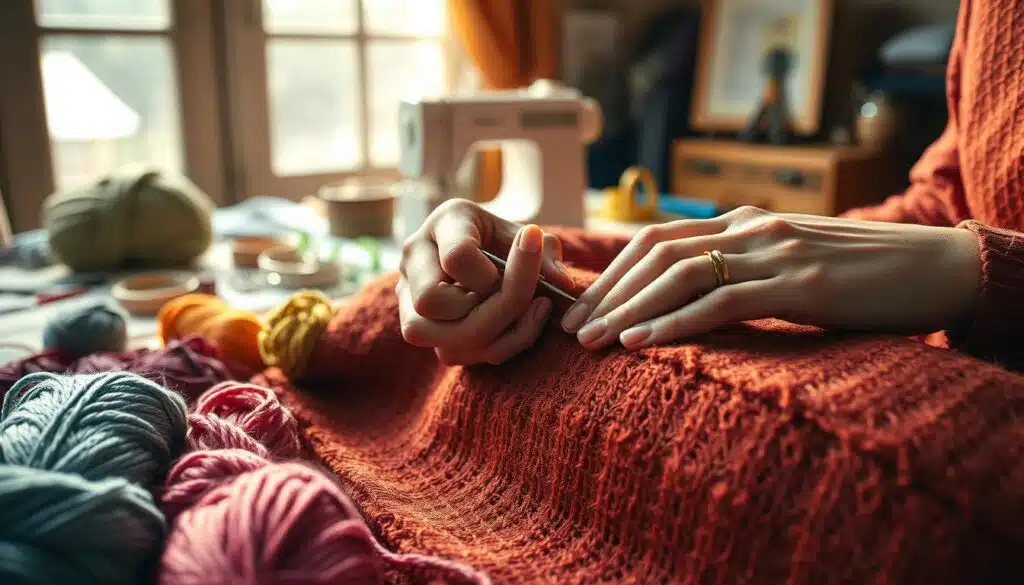
Videos break each row into bite-sized moves. A good fpdc video tutorial will show you how to insert the hook behind the posts two rows below. It will also show where to skip a stitch and how to keep the stitch count stable. Pause often. Replay the frame where the hook enters the post. Practice those motions on a small swatch.
Close-up alpine stitch photos let you inspect alignment in detail. Look for images that label the dc row and the post you wrap. Good photos reveal how the next sc sits relative to the wrapped post. This makes it easier to spot mistakes before they become a tangle.
Many creators provide right-handed left-handed crochet tutorials. If a left-handed option is missing, mirror a right-handed video and rewind slowly as you mimic movements. Some teachers place a left-handed video side-by-side with captions indicating reversed hook direction. Use whichever orientation matches how you hold your hook.
Combine resources for faster mastery: follow written rows for structure, consult alpine stitch photos for placement, and learn rhythm from an alpine stitch video. While watching an fpdc video tutorial, pause on one move, compare the freeze-frame to a photo, then repeat the stitch until it feels natural.
Practical tip: focus your attention on the dc two rows below that becomes the post you wrap. When your eyes lock on that single post in photos, you’ll stop inserting into the wrong column. That little shift clears up most confusion and keeps your count steady.
| Resource Type | What to Watch For | Best Use |
|---|---|---|
| Video (right- or left-handed) | Hook entry angle, yarn tension, row rhythm | Learn motion and timing; practice with pause/replay |
| Close-up photos | Post alignment, RS vs WS appearance, exact insertion point | Static reference for accuracy and troubleshooting |
| Written pattern | Row sequence, stitch counts, repeats | Structural map to follow while using images and video |
| Combined approach | Match video frames to photos and written rows | Best for mastering fpdc and reducing repeated mistakes |
Photo Walkthrough: What to Look For Step by Step
Give your eyes a mission: find the vertical post of the double crochet two rows down. This post is where you’ll place the extended front post double crochet. Take photos of row markers, chain counts, and that first fpdc moment for comparison.
When reviewing fpdc placement photos, look for the hook entering front-to-back-to-front around the dc post. It should not go into the sc above it. Good photos show the hook path and the loop pulled up just above the working row. This helps prevent curling and keeps the texture tidy.
Identify the dc you’ll work into versus the post you’ll wrap by checking stitch height. The regular dc tops sit on the single crochet row. The post you wrap will be taller and sit two rows below. This staggered placement creates the alpine texture you want.
To spot correct alignment, zoom in on the raised posts. Each fpdc should sit between two raised posts from adjacent rows. If you see two raised posts side by side, you have a placement error. Use close-up fpdc placement photos to confirm spacing as you work.
Troubleshooting photos make it easier to fix alpine stitch mistakes early. Gaps at row ends often show up in images where an fpdc lands as the final stitch. Swap to a shorter front-post stitch such as a front post double crochet variant or replace the end fpdc with a fptr to close that gap.
If a post looks shifted, your photo will reveal whether you wrapped the sc instead of the dc below. Unravel to the last clear row and rework that section. Clear photos of the problem row speed up this correction.
Skipped stitches and accidental increases are common photo-identified issues. In pictures, you’ll see an extra top worked where the fpdc already counts for the stitch two rows below. Do not work a dc into that same top again. Compare your photo sequence to a trusted guide like this alpine stitch photo tutorial to confirm counting rules.
Practical tip: make a small swatch and photograph each stage—chain count, Row 1 setup, Row 2 setup, first fpdc with hook position, alternating sequence, and the swatch back. That step-by-step photo walkthrough alpine stitch habit gives you a visual record to fix alpine stitch mistakes before they multiply.
Common Mistakes and How to Fix Them
Working with alpine stitch can sometimes lead to problems. But, most issues have simple solutions. Just follow these quick tips to keep your work smooth and avoid future problems.
Gaps at the end of rows are a common problem. This usually happens when the last stitch is a tall post. To fix this, end with a dc instead of a tall post. This keeps the edge flat and prevents gaps.
For a denser fabric, use fpdc instead of fptr. Fpdc makes your fabric tighter and neater. Fptr, on the other hand, can make your fabric more open and prone to curling. Choose fpdc for a more solid look in your projects.
Edge curl is normal, but it can be fixed. First, check if your starting chain is too tight. If it is, loosen it a bit. You can also add a single crochet border or a slip-stitch trim to keep the edges in place.
Blocking is a great way to fix your work. Wet or steam block your finished pieces to flatten the edges and set the drape. Steam blocking works best on thicker yarns and textured panels. For a quick fix, a neat edging can hide small flaws.
To keep your stitches even, stagger them. Work each fpdc around the dc two rows below, then place the next dc into the current-row stitch. This keeps the pattern smooth and prevents posts from getting mixed up.
If you notice a misplaced post early, go back to the last correct row. If it’s later, insert your hook behind the post and rework a few stitches. This will align the columns again.
Keeping track of your stitches is key. Remember, the fpdc belongs to a stitch two rows below. Don’t work a separate stitch in the same spot on the current row. Count your stitches after each repeat to avoid mistakes.
Here are some quick fixes you can use right away:
- Replace a final fptr with an fpdc to close large edge gaps.
- Add a narrow sc border to stop wobble at corners.
- If a post is off, reinsert and redo three to five stitches instead of redoing the whole piece.
| Problem | Likely Cause | Quick Fix | Long-Term Fix |
|---|---|---|---|
| Gaps at row ends | Ending with tall post (fptr) or tight starting chain | Swap final fptr for fpdc or end with dc | Adjust starting chain tension; plan row start/end with dc |
| Curled edges | Uneven tension or fabric memory | Add sc border or steam-block edges | Practice even tension; use fpdc for less openness |
| Adjacent raised posts | Posts worked into wrong stitch or missed stagger | Rework a few stitches behind error | Always wrap fpdc around dc two rows below to keep staggered posts alpine stitch |
| Lost stitch count | Double-working tops or skipping post ownership | Count stitches after each repeat | Mark your repeat with a stitch marker and follow pattern math |
Variations, Pattern Uses, and Design Ideas
Experiment with texture and size to make the alpine stitch perfect for any project. Below, you’ll find tips on stitch height, color placement, and practical uses. This will help your next project look intentional and polished.
Using fpdc vs fptr
Pick fpdc for tight, neat ribs and fewer holes. It’s great for scarves, cowls, and bags because it provides firm structure. Choose fptr for bigger ribs and more openness. The taller post is perfect for lightweight shawls or loose blankets, adding a dramatic, airy feel.
Color playing and stripes
Alpine stitch looks great in bands. For sharp stripes, change colors at the end of a single crochet row. This keeps bands clean. Try alternating two colors every few repeats for a ripple-like effect that highlights the stitch’s woven look. For a subtle texture, use tonal shades in worsted weight yarn.
Project ideas
Use this stitch for warm cowls and scarves that keep their shape. For a dense blanket, use heavy worsted or aran yarn and plan your yardage. Alpine stitch uses more yarn than basic stitches. Tight tension and sturdy yarn make long-lasting pillows and cushions. Use cotton and a smaller hook for scrubby dishcloths. For bags, line or stabilize the piece to handle weight.
| Project | Best Stitch Choice | Yarn & Hook | Design Tip |
|---|---|---|---|
| Cowl / Scarf | fpdc for structure | Worsted weight, 5 mm | Match repeats for clean seaming |
| Blanket | fpdc for density, fptr for openness | Aran or bulky, 6–8 mm | Plan extra yardage; block for even edges |
| Pillow / Cushion | fpdc for opacity | Worsted cotton or acrylic, 5 mm | Use sturdier yarn for durability |
| Dishcloth | fpdc for scrubbing texture | Cotton, 3.5–4.5 mm | Smaller hook yields better scrub power |
| Bag | fpdc for firm body | Worsted or cotton blend, 5–6 mm | Line or add interfacing for strength |
When planning seams, align pattern repeats so ribs meet cleanly. For airy pieces, pick fptr or a bigger hook at the start. For dramatic color shifts, use alpine stitch color changes at row ends and repeat rhythmically. Use these alpine stitch project ideas to guide materials and repeat counts for balanced, stylish results.
Tips for a Neat Finish and Long-Lasting Pieces
Finishing your alpine stitch pieces with care is key. It keeps the texture crisp and edges neat. Small details like how you join, block, edge, and wash make a big difference.
Seaming rectangles for cowls and scarves
When sewing a rectangle into a cowl or scarf, use mattress stitch or whipstitch. Make sure the alpine texture flows smoothly across the seam. Use a blunt yarn needle and the same yarn for a perfect match.
Blocking and steam blocking to improve shape
Wet blocking makes edges even and relaxes tight starts. It helps blankets and homewares lie flat. Steam blocking is great for thicker fabrics, flattening curls and setting drape.
Finishing touches: edging options and care
Simple single crochet borders tidy and stabilize textured edges. For a lined look, use back-loop-only single crochet or half double crochet. Decorative flair like picot or shell edging adds a special touch to scarves and blankets.
Care for alpine stitch projects
Always check the yarn label for washing instructions. Many worsted acrylics can be machine washed on gentle cycles. Wool and blends might need hand washing or a delicate cycle. Store textured items flat to avoid crushing.
Practical durability tips
For items like bags and cushions, add a fabric lining for durability. Secure all ends well and use consistent tension. Thoughtful seaming keeps the fabric from stretching out of shape over time.
Conclusion
You’ve learned about the alpine stitch, why it’s loved by knitters and crocheters, and how to start and finish it. This summary covers the basics: the four-row pattern, important abbreviations, and how to fix common issues.
For your next steps, try swatching with worsted-weight yarn and a 5 mm hook. Practice making fpdc around dc two rows down. Use videos or photos if you need help.
Start with a simple project like a scarf or cowl. This will help you get better and see how the fabric looks with different colors and blocking.
Remember a few key things: start with an odd number of stitches, turning chains don’t count as stitches, and fpdc makes the fabric denser. Block your finished pieces for flat edges. You might also want to line bags or cushions for extra durability.
Get hooked on the alpine stitch! It’s easier than it seems and makes your projects look like you conquered texture from a mountain. Happy hooking and enjoy the pattern’s rhythm.
FAQ
What is the alpine stitch and why should I try it?
The alpine stitch is a pattern that combines double crochets (dc) with front post double crochets (fpdc). It’s worked around double crochets two rows below, with single crochet (sc) rows in between. This stitch creates a textured look that’s easy to do and looks fancy.
It’s great for beginners who want to try something new. It works well with worsted-weight yarn like Lion Brand Heartland. You can make scarves, cowls, blankets, cushions, and bags that look professional without complicated cables.
What materials and hook should I use to get the best Alpine Stitch fabric?
Use worsted-weight yarn for a crisp texture. Lion Brand Heartland is a good example. Start with a 5 mm (H) hook, but adjust based on your tension and the yarn’s label.
For sturdy items like bags and pillows, choose yarn with body. For softer, drapey accessories, go for loftier fibers.
How does tension affect the alpine stitch fabric?
Tighter tension makes the fabric opaque and sturdy. It’s great for pillows, bags, and warm blankets. Looser tension makes it softer and more drapey, perfect for scarves and shawls.
Because alpine stitch uses a lot of yarn, swatch to check your gauge. With Heartland on a 5 mm hook, the gauge is about 14 sts and 13 rows = 4″ (10 cm).
What abbreviations and terminology does this tutorial use?
This tutorial uses US terms. You’ll see ch = chain, dc = double crochet, sc = single crochet, and more. Remember, US dc = UK tr, and US sc = UK dc.
Front post double crochet (fpdc) creates tighter posts. Front post treble (fptr) makes taller posts and bigger holes.
How do I work a front post double crochet (fpdc) around a stitch two rows below?
Yarn over, then insert your hook from front to back to front around the post of the dc two rows below. Yarn over and draw up a loop around that post. Yarn over and pull through two loops, then yarn over and pull through the last two loops.
This creates a raised post in front of the fabric. Always target the dc two rows below for the alpine effect.
Do turning chains count as stitches in the alpine stitch?
No, turning chains don’t count as stitches. Use ch 1 or ch 2 as your turn but exclude them from stitch counts.
How many starting chains do I need and why does it say odd numbers?
The alpine stitch works best over an odd number of stitches. This keeps the posts staggered and balanced. Many tutorials suggest chaining an odd number or using foundation single crochet (fsc) in an odd multiple.
For example, chaining 41 gives 39 working stitches after starting adjustments. This produces balanced repeats for cowls and scarves.
Can I start with foundation single crochet (fsc) instead of a chain?
Yes, you can start with foundation single crochet (fsc). It gives a stretchier, neater edge that matches the fabric. Traditional chain + a first row of sc is also fine.
Choose fsc if you want a cleaner starting edge that behaves like the rest of the fabric.
What is the written four-row repeat for the alpine stitch?
The four-row repeat is as follows: Row 1 (RS) – dc across; Row 2 (WS) – ch 1, sc across; Row 3 (RS) – ch 2, dc in first st, *fpdc around dc two rows below, dc in next st; repeat; Row 4 (WS) – repeat Row 2.
Repeat Rows 3–6 (or Rows 3–4 if condensed) until your project is the desired length. Finish on an sc row for a tidy edge. Remember, turn chains never count as stitches.
How do I maintain stitch count so I don’t accidentally increase?
Remember, the fpdc you work around a dc two rows below belongs to that earlier stitch. Don’t also work a dc into that same top on the current row.
After each repeat, count your stitches (for example, 39 in the sample) to catch increases early. Visual cues and photos help confirm you’re not placing a dc into the same top as a post.
Should I use fpdc or fptr for alpine stitch—what’s the difference?
fpdc produces a neater, denser fabric with smaller holes. It’s recommended for most uses (homewares, bags, pillows). fptr makes taller posts, a more pronounced rib, and larger gaps.
Choose fptr if you want open texture and drama. For fewer gaps and a modern woven look, stick with fpdc.
Why do I get gaps at row ends and how can I fix them?
Gaps often appear when a tall post (like fptr) is the final stitch in a row. To fix, swap the final tall post for a shorter fpdc, adjust the starting/ending sequence, or add a sc border to stabilize edges.
Blocking also helps even out ends.
My edges curl — how do I stop that?
Edge curl is usually due to tight tension. Prevent it by avoiding an overly tight starting chain and using consistent tension. Add a single crochet border or back-loop-only rounds for stability.
Wet blocking or steam blocking the finished piece will flatten edges and set drape—steam blocking is effective for thicker alpine fabrics.
What if my posts end up next to each other instead of staggered?
This happens when you worked around the wrong stitch (often the sc above instead of the dc two rows below). Frog to the last clear row and rework that section, or carefully insert your hook behind the intended post and correct a few stitches.
Checking alignment against photos or video frames helps prevent repeats of the mistake.
Are there good video and photo resources for learning the alpine stitch?
Yes. Reputable tutorial videos show right- and left-handed techniques, where to insert the hook behind the dc two rows below, and the rhythm of the four-row repeat. Close-up photo step-throughs let you pause and inspect fpdc placement and post alignment.
Use written instructions for structure, photos for static reference, and videos to learn timing and motion.
How can I combine photos and video to master fpdc placement?
Practice on a swatch: follow the written row, pause the video when the tutor inserts the hook, match that moment to the close-up photo showing the post, then try it yourself. Photograph your swatch and compare it to tutorial images to catch misplaced posts early.
How does colorwork or striping affect the alpine stitch?
Alpine stitch reads beautifully in stripes. Change colors at the end of an sc (single crochet) row for crisp bands. Alternating two colors every few repeats gives dramatic, woven-looking texture.
Toning down with tonal colors and worsted yarns yields a sophisticated, modern effect.
Is alpine stitch suitable for bags and cushions?
Yes—worked tightly with worsted yarn and sturdy fibers, alpine stitch becomes opaque and robust, great for bags and pillows. For durability and shape, line bags and cushions. The stitch’s tactile raised posts give homewares a stylish, tactile surface.
How much yarn will I need and is alpine stitch yarn-hungry?
Alpine stitch can use more yarn than simple stitches because of its texture. Yardage depends on project size and yarn weight—swatch first and scale up. The sample cowl (Heartland, 5 mm hook) used two skeins to reach 41″ in length; plan extra yardage for blankets and large items.
How should I finish and care for alpine stitch projects?
Finish edges with a sc border, ribbed hdc rounds, or a decorative shell/picot as preferred. Steam block or wet block to flatten edges and set drape—steam blocking is effective for thicker alpine fabrics.
Follow yarn label care—many worsted acrylics are machine-washable; wool may need hand wash. Store textured items flat to prevent crushing raised posts, and secure ends and seams for longevity.
Any quick troubleshooting tips for common mistakes?
If you see skipped stitches or accidental increases, recount after each repeat. If posts shift, check that you’re wrapping the dc two rows below, not the sc above. For end-row gaps, swap a final fptr for fpdc or add an edging.
If tension is uneven, try a different hook size or block the piece to even things out.
What’s a good first project to practice the alpine stitch?
Start with a scarf or cowl—small, rectangular, and forgiving. Use worsted-weight yarn like Lion Brand Heartland and a 5 mm hook, swatch to confirm gauge, and practice the four-row repeat until it feels rhythmic. Once confident, move to blankets, cushions, or bags.
Where can I find left-handed versions of tutorials?
Many reputable video creators offer left-handed versions or clearly explain mirror techniques. Look for tutorials that explicitly state right- and left-handed options, or use photos and video mirrored instructions to follow along comfortably.
Any encouraging final note for a nervous beginner?
You’ve got this. The alpine stitch looks complex but is just rhythm and repetition—fpdc around a dc two rows below plus alternating sc rows. Swatch, watch a short video, and you’ll be making textured scarves and cushions that look like a designer made them. Get hooked—you’ll win the texture game.