ravelry free toy knitting patterns: 10 Best Fun Picks 2025
Find Your Perfect Free Toy Knitting Pattern on Ravelry
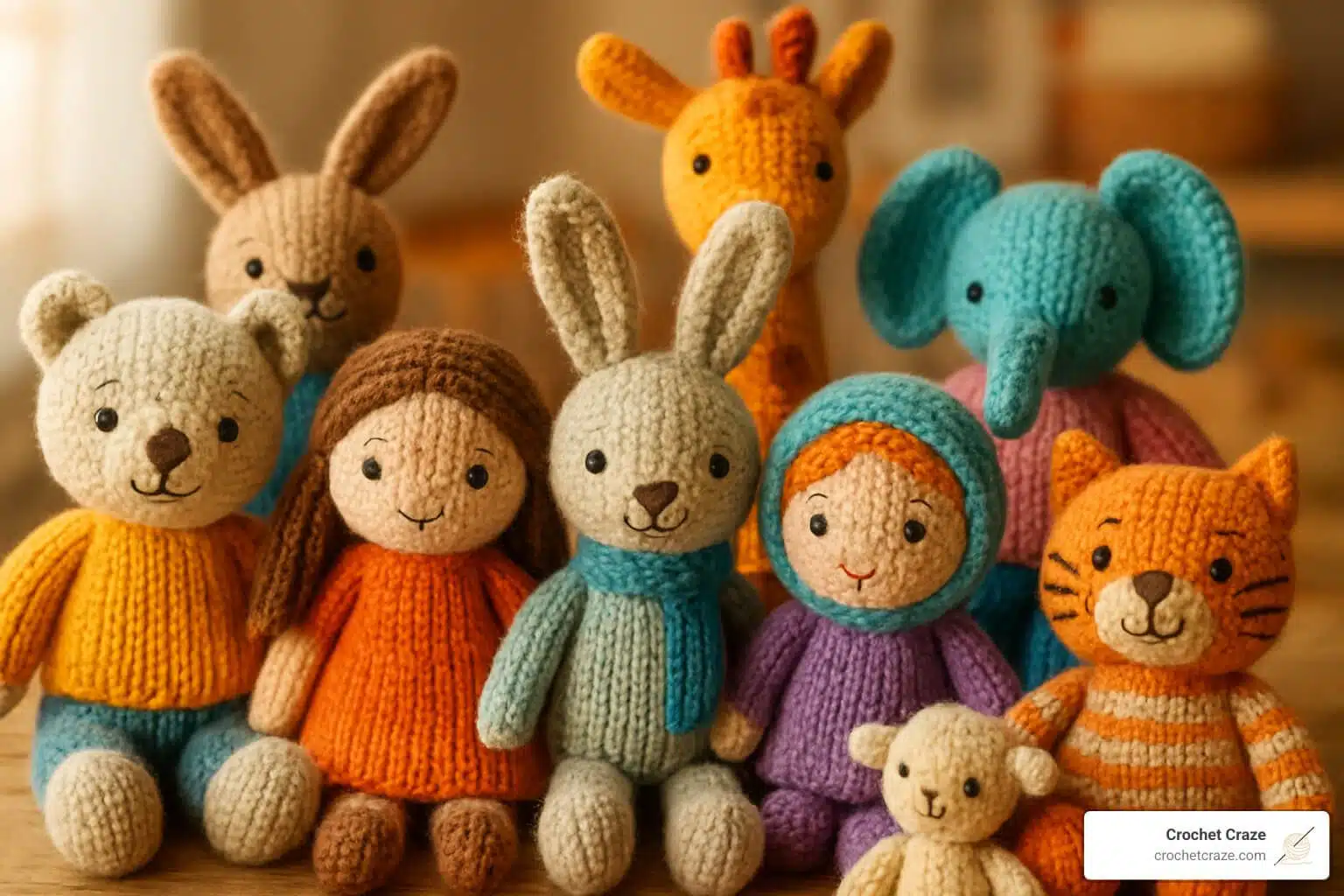
The world of knitted toys awaits you on Ravelry! When I first finded ravelry free toy knitting patterns, I felt like a kid in a candy store. The sheer variety of adorable creatures and characters you can create with just some yarn and needles is absolutely delightful.
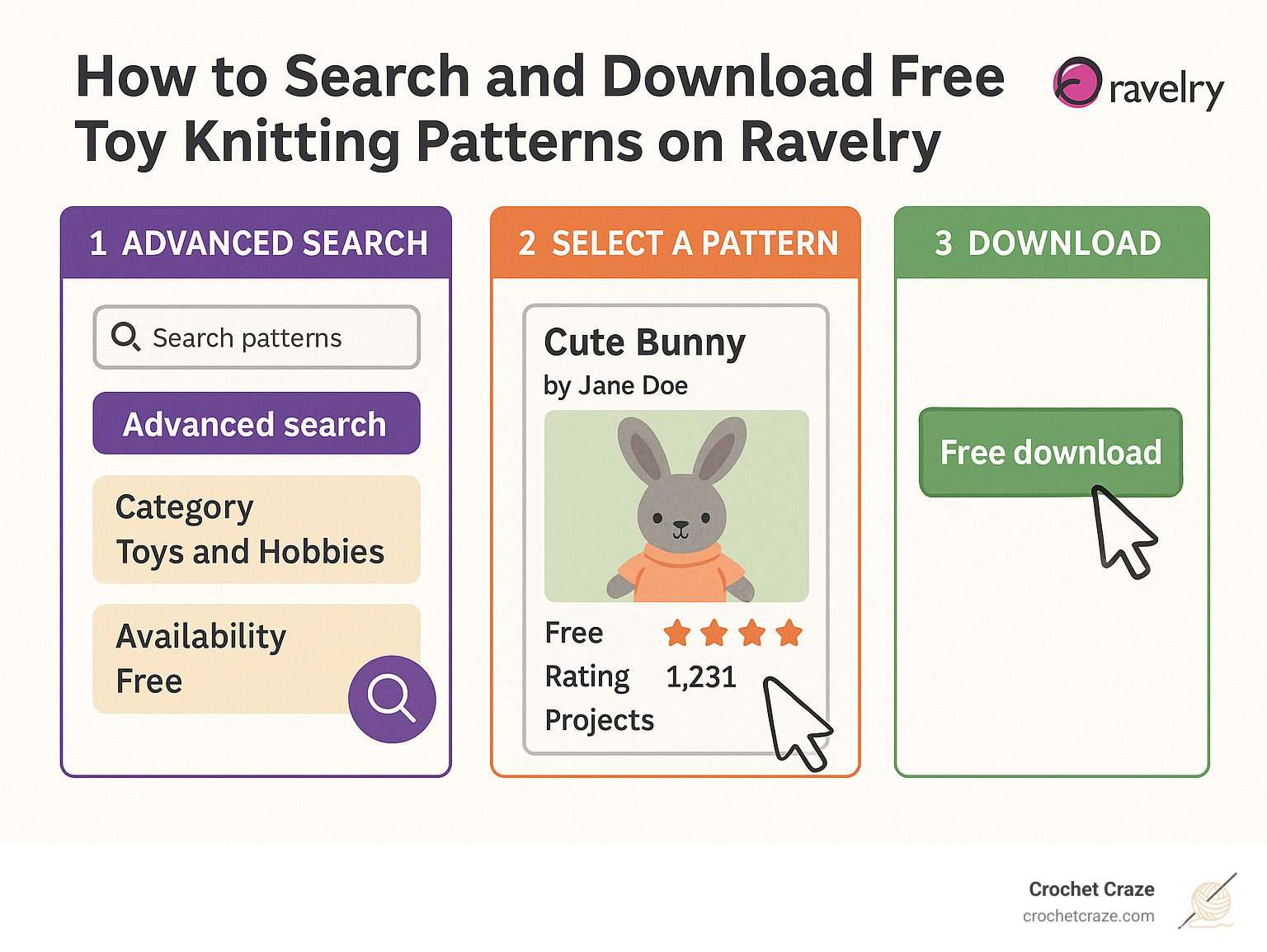
Getting started is super simple. First, create your free Ravelry account at Ravelry.com – it takes just a minute and opens the door to thousands of patterns. Once you’re in, the Advanced Search feature becomes your best friend. Click on “Toys and Hobbies” under Category, check the “Free” box under Availability, and voilà – you’ve open uped a treasure trove of no-cost creative possibilities!
Want to find the community favorites? Try sorting by “Most Projects” or “Highest Rated” to see which patterns other knitters have loved. This insider tip has helped me avoid frustration with unclear instructions more times than I can count.
Ravelry free toy knitting patterns truly offer something for everyone. If you’re just starting out, look for patterns labeled “beginner” that use simple stitches and minimal shaping. More experienced? You might enjoy the challenge of intricate colorwork or tiny details that bring character to your creations.
One thing I adore about Ravelry’s community is how generous crafters are with their feedback. Before starting a new project, I always scroll through the comments section to see real-life photos from other makers and read their helpful tips. Sometimes they’ll mention modifications that made the pattern even better!
These free patterns make perfect projects for using up leftover yarn, creating meaningful handmade gifts, or crafting items for charity drives. There’s something incredibly satisfying about changing a simple ball of yarn into a huggable friend that might become someone’s treasured companion.
Hi! I’m Sonji Huerta, a newcomer to the fiber arts world who has spent countless hours exploring ravelry free toy knitting patterns as I build my crafting skills. I’ve found the community feedback and detailed pattern information on Ravelry invaluable for selecting beginner-friendly projects.
What Is Ravelry & Why It’s a Toy-Knitter’s Paradise
Imagine walking into a cozy yarn shop where thousands of knitters are sharing their projects, helping each other, and offering free patterns – that’s Ravelry in a nutshell! This wonderful online platform has become the digital home for fiber enthusiasts since its launch in 2007, growing into a vibrant community that connects crafters from around the globe.
For toy knitters specifically, Ravelry is nothing short of magical. It houses an incredible collection of patterns ranging from adorable animals to whimsical characters, with many available completely free. Unlike flipping through a single pattern book or browsing a static website, Ravelry brings together designs from independent creators, yarn companies, magazines, and books all in one searchable treasure trove.
What makes Ravelry truly special is how it helps you organize your crafting journey. You can save patterns to your favorites when something catches your eye, add projects to your queue for future crafting sessions, and document your works-in-progress with notes and photos. For those of us who love creating knitted toys, being able to see hundreds (sometimes thousands!) of completed versions of a pattern is invaluable – you can see how different yarns look, what modifications others made, and get a realistic sense of the difficulty level before casting on.
How Ravelry Serves the Community
The heart of Ravelry isn’t just its pattern database – it’s the people. When you’re struggling with a tricky part of your toy pattern (we’ve all been there with those tiny fingers and ears!), help is just a post away. The forums are filled with knitters eager to offer guidance, share techniques, and cheer you on.
Need to ask the designer a specific question? You can message them directly through Ravelry. Many designers actively participate in discussions about their patterns, offering clarification and support that you simply wouldn’t get from a printed book.
Ravelry also beautifully facilitates charity knitting. Groups dedicated to creating toys for children’s hospitals, comfort dolls for trauma survivors, and stuffed animals for shelter pets coordinate their heartwarming efforts through the platform. The community aspect shines when knitters come together for these causes – sharing pattern suggestions, organizing distribution, and posting photos of their charitable creations.
Key Benefits Over Other Sites
While other websites offer knitting patterns, ravelry free toy knitting patterns stand out for several reasons:
First, Ravelry provides real-time pattern updates. When designers find and fix errors or add improvements to their patterns, you’ll receive notifications if you’ve downloaded that pattern – no more working from outdated instructions!
Second, the wealth of project data is best anywhere else online. Each pattern page shows exactly how many users have made the project, their average rating, difficulty assessments, and clever modifications. This community wisdom helps you choose patterns that match your skill level and available materials.
Third, the designer interaction creates a unique learning environment. Many creators actively participate in discussions about their ravelry free toy knitting patterns, offering tips and answering questions that improve your knitting experience.
Finally, Ravelry’s search functionality is incredibly powerful. You can filter patterns by specific criteria like yarn weight, needle size, difficulty level, and even the amount of yarn required – perfect for finding just the right toy pattern for that leftover skein in your stash.
As one enthusiastic Ravelry user put it: “It’s like having a knitting club, pattern library, and crafting mentor all available 24/7, right at my fingertips.”
ravelry free toy knitting patterns: How to Search Like a Pro
Finding the perfect ravelry free toy knitting patterns feels a bit like a treasure hunt – exciting but potentially overwhelming! Don’t worry though – I’ll guide you through Ravelry’s powerful search tools so you can uncover those hidden gems without the frustration.
While the basic search bar at the top of Ravelry works for general browsing, toy hunters will want to become best friends with the Advanced Search feature. Here’s your treasure map:
- Click on “Patterns” in the top navigation bar
- Select “Search” from the dropdown menu
- You’ll see a page with filter options running down the left side
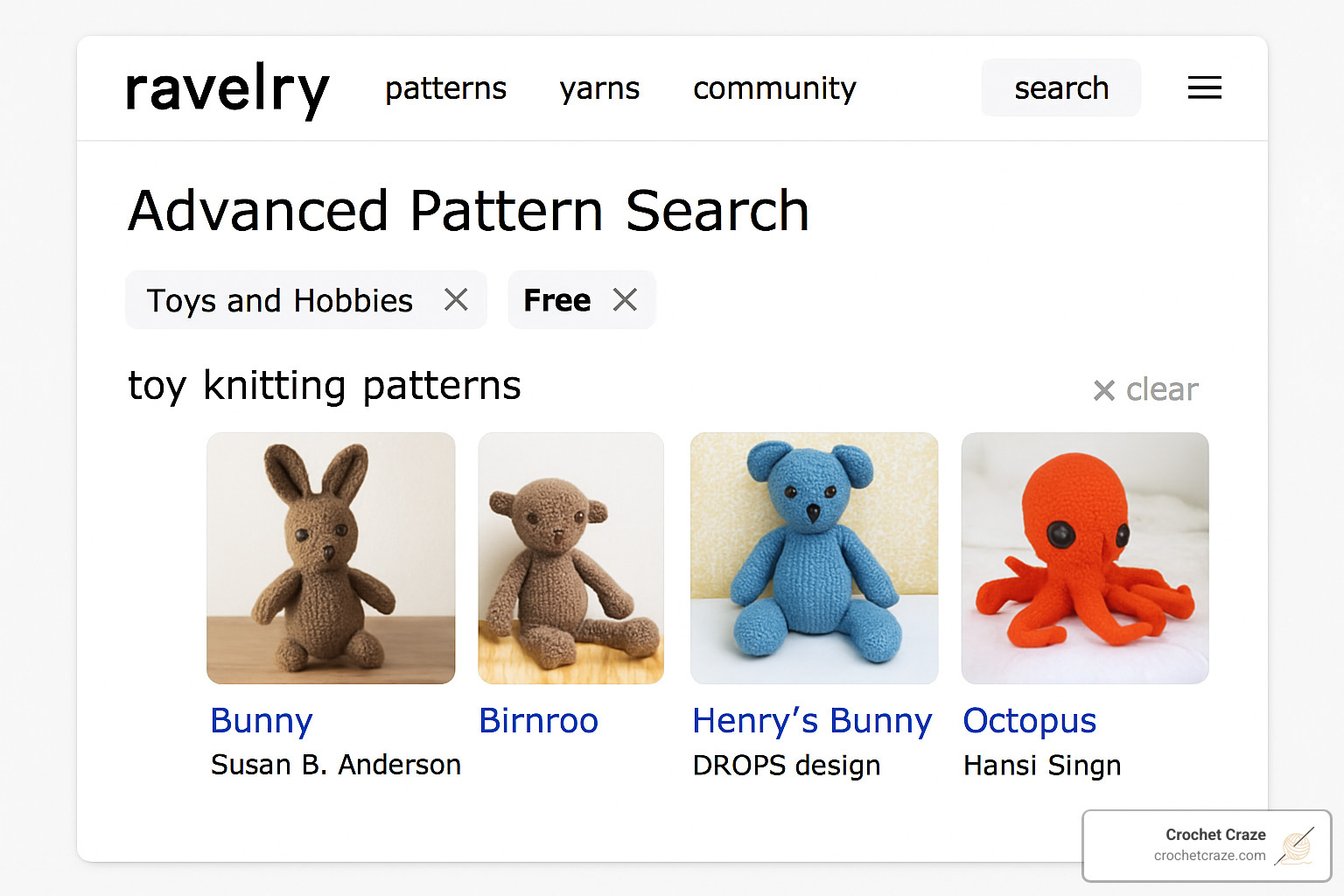
To zero in on those adorable free toy patterns, simply check “Toys and Hobbies” under Category and tick “Free” under Availability. From there, I recommend sorting by “Most Projects” to see community favorites or “Highest Rating” to find the most successful patterns.
This basic filtering will reveal hundreds of options, but what makes Ravelry truly special is how precisely you can refine your search. Need a pattern that uses worsted weight yarn from your stash? Have only size 7 needles available? Looking for something that knits up in under 100 yards? The filters have you covered for all these scenarios and more.
“I used to spend hours scrolling through patterns until I learned how to use these filters,” shares one of our Crochet Craze community members. “Now I can find exactly what I want to knit in minutes!”
For more knitting inspiration beyond Ravelry, check out our Knitting Tips collection.
Step-By-Step Quick Search
When you need a pattern in a hurry (perhaps a last-minute baby shower gift?), here’s the express route:
On desktop, start at the Ravelry homepage, click “Patterns,” then “Search,” select “Toys and Hobbies” under Category, check “Free” under Availability, and click “Apply.” Voilà – instant gratification!
The mobile experience works similarly, though you’ll need to tap the filter icon to access the same options. I find switching to landscape mode makes navigating the filter options much easier when I’m searching on my phone.
One of my favorite features is the Queue function. When you spot a pattern you love but aren’t ready to start, just click “Add to Queue.” This creates your personalized knitting bucket list that you can prioritize and reference anytime inspiration strikes.
Using Bundles & Tags to Save Time
Bundles are like having a knowledgeable friend curate pattern collections for you – and they’re one of Ravelry’s most underused treasures. These are collections grouped by theme, created by fellow Ravelry users who’ve already done the searching for you.
To find toy-specific bundles, go to the “Search” page and click on “Bundles” instead of “Patterns.” Then search for terms like “free toys” or “toy knitting.”
The community has created some incredibly helpful collections. The “Free patterns” bundle by ‘fluffandfuzz’ has been viewed over 52,000 times and favorited by nearly a thousand users. Another popular collection, the “Free patterns” bundle by ‘bunnyknitter,’ has helped over 40,000 fellow crafters find their next project.
Tags work similarly to hashtags, helping you find patterns with specific characteristics. When you’re toy hunting, look for helpful tags like #quickknit, #stashbuster, and #beginner to find patterns that match your needs.
I’ve found these community-curated collections save hours of searching and often introduce me to delightful patterns I would have otherwise missed in Ravelry’s vast library. Happy pattern hunting!
Essential Tools, Yarns & Safety Tips for Toy Knitters
Creating adorable knitted toys doesn’t require an elaborate crafting studio, but having the right supplies makes all the difference between a frustrating experience and a joyful one. Let’s explore what you’ll need to bring those ravelry free toy knitting patterns to life!
Choosing the Right Yarn for Toys
The yarn you select can make or break your toy knitting trip. When browsing those cute ravelry free toy knitting patterns, pay attention to the recommended yarn types for good reason!
Washability matters tremendously for toys. I learned this lesson the hard way after creating an adorable bunny from hand-wash-only wool that became a felted mess after one trip through the laundry! Stick with superwash wool or acrylic yarns that can handle regular cleaning. As one Fuzzy Mitten Lamb pattern maker wisely notes, “If you make the toy from acrylic or superwash wool, you can even throw it in the washing machine (on delicate, since softies are sensitive).”
Durability is non-negotiable for toys that will be loved and squeezed. Look for tightly plied yarns rather than loosely spun options that might pill or fall apart quickly. Your handmade creation should withstand years of cuddles!
For the littlest recipients, safety takes priority. Avoid yarns with mohair or angora that shed fuzzy fibers which could potentially be inhaled. Similarly, choose yarns with excellent color retention so your toy’s cheerful face doesn’t fade after a few washes.
Most toy patterns call for medium-weight yarns, with DK weight (11 wpi) being particularly popular for its balance of detail and knitting speed. Worsted weight (10 wpi) creates sturdier toys with fewer stitches, while fingering weight (14 wpi) allows for delicate details on smaller toys. For quick gratification projects, super bulky (5-6 wpi) yarns work up into huggable friends in record time.
If you’re just starting out, light-colored DK or worsted weight yarns are your best friends—they’re easier to see while you work and forgive minor tension inconsistencies.
Needle Sizes & Techniques by Skill Level
Your comfort with different knitting techniques will guide your project choices from the vast library of ravelry free toy knitting patterns.
For beginners, the path of least resistance involves toys knitted flat on straight needles and later seamed together. Bamboo or wooden needles provide just enough grip to prevent stitches from sliding off while you’re learning. For most starter toy projects using DK or worsted yarn, US 3-6 (3.25-4.0mm) needles create a nice, tight fabric.
Once you’ve mastered the basics, intermediate knitters can venture into three-dimensional knitting with double-pointed needles (DPNs). These allow you to create tubes and rounded shapes without seaming. This is when those adorable seamless animal patterns become approachable! Jogless stripe techniques also enter your toolkit here, perfect for creating rainbow-striped toys without obvious jogs where the colors change.
Advanced knitters might enjoy tackling the magic loop technique, which eliminates the need for multiple DPNs and allows for seamless construction of even the tiniest toy parts. Creating matching limbs simultaneously (like two arms or two legs) using two-at-once techniques ensures perfect symmetry in your finished toy.
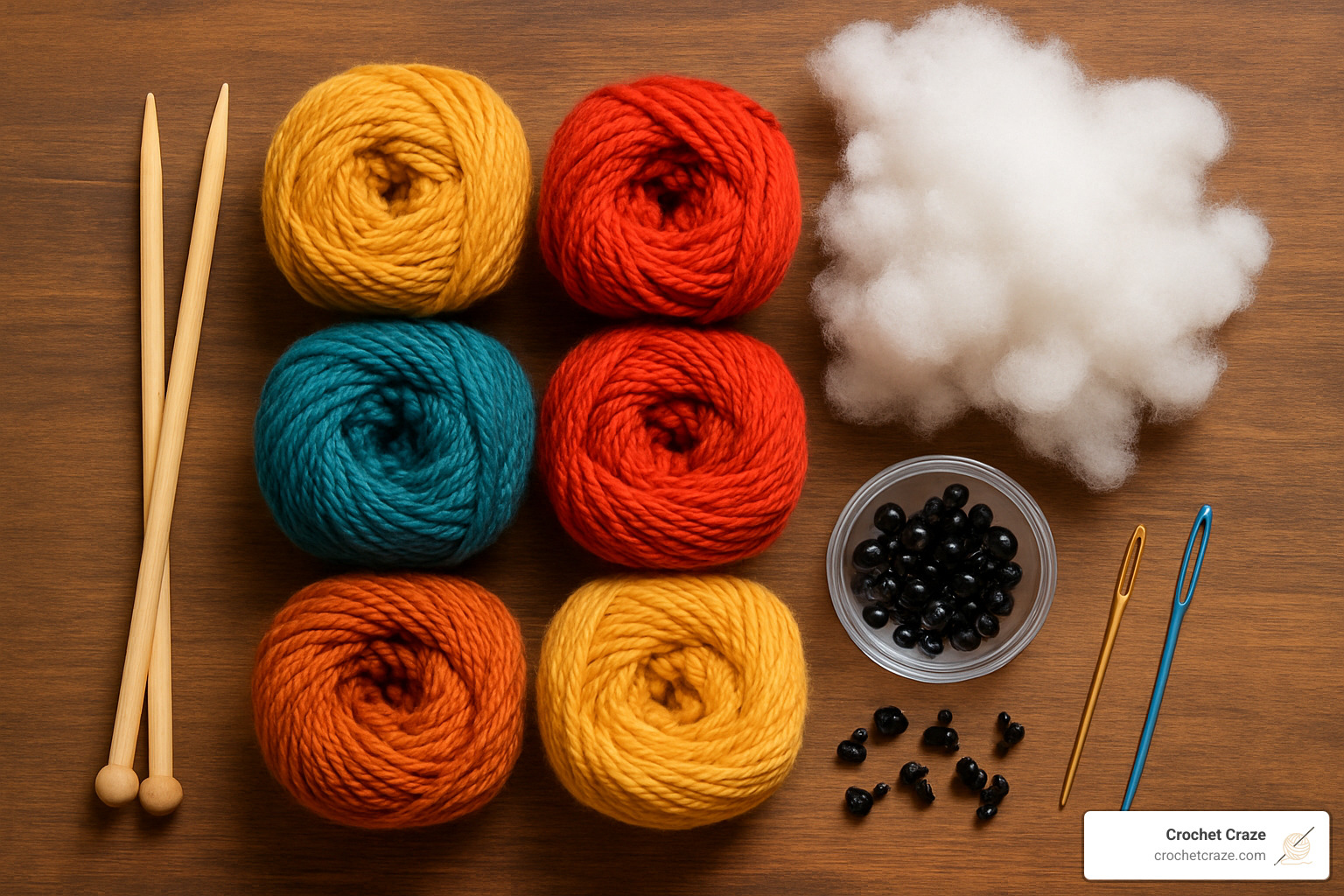
Beyond needles, your toy-making toolkit should include a mix needle for seaming and weaving in ends, stitch markers to track pattern sections, hypoallergenic polyester fiberfill for stuffing, safety eyes (or embroidery floss for facial features), small scissors, and a measuring tape.
Toy knitting typically requires a tighter fabric than garment knitting. This prevents stuffing from showing through and helps maintain the toy’s shape over time. A good rule of thumb: drop down one needle size from what you’d normally use for a particular yarn.
For more detailed information about which fibers work best for different toy projects, check out our guide on Fibers for Knitting.
Skill Levels & Materials at a Glance
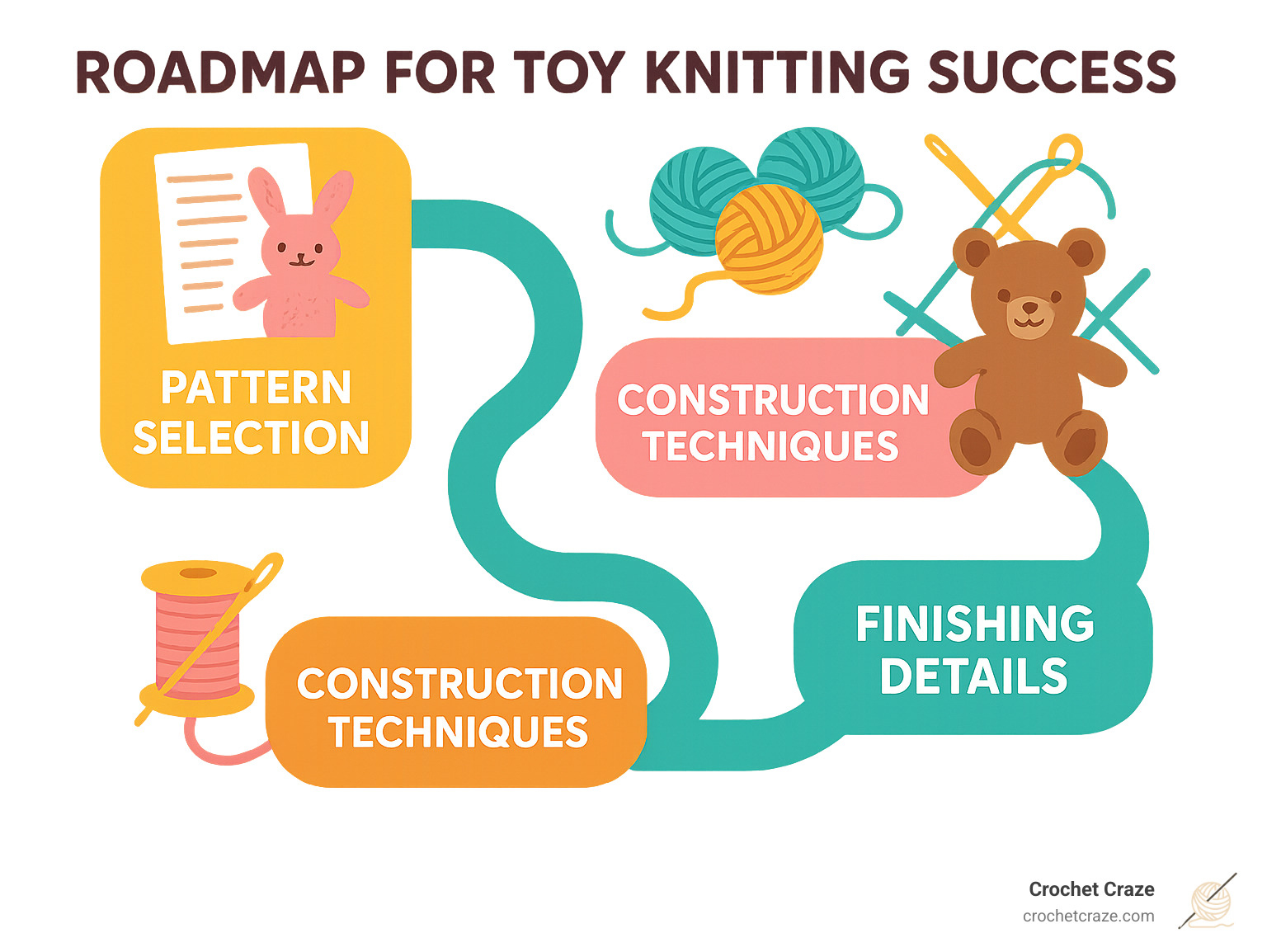
When exploring the wonderful world of ravelry free toy knitting patterns, understanding skill levels becomes your secret weapon for choosing projects that match your abilities and confidence. Think of it as your personal roadmap to toy-knitting success!
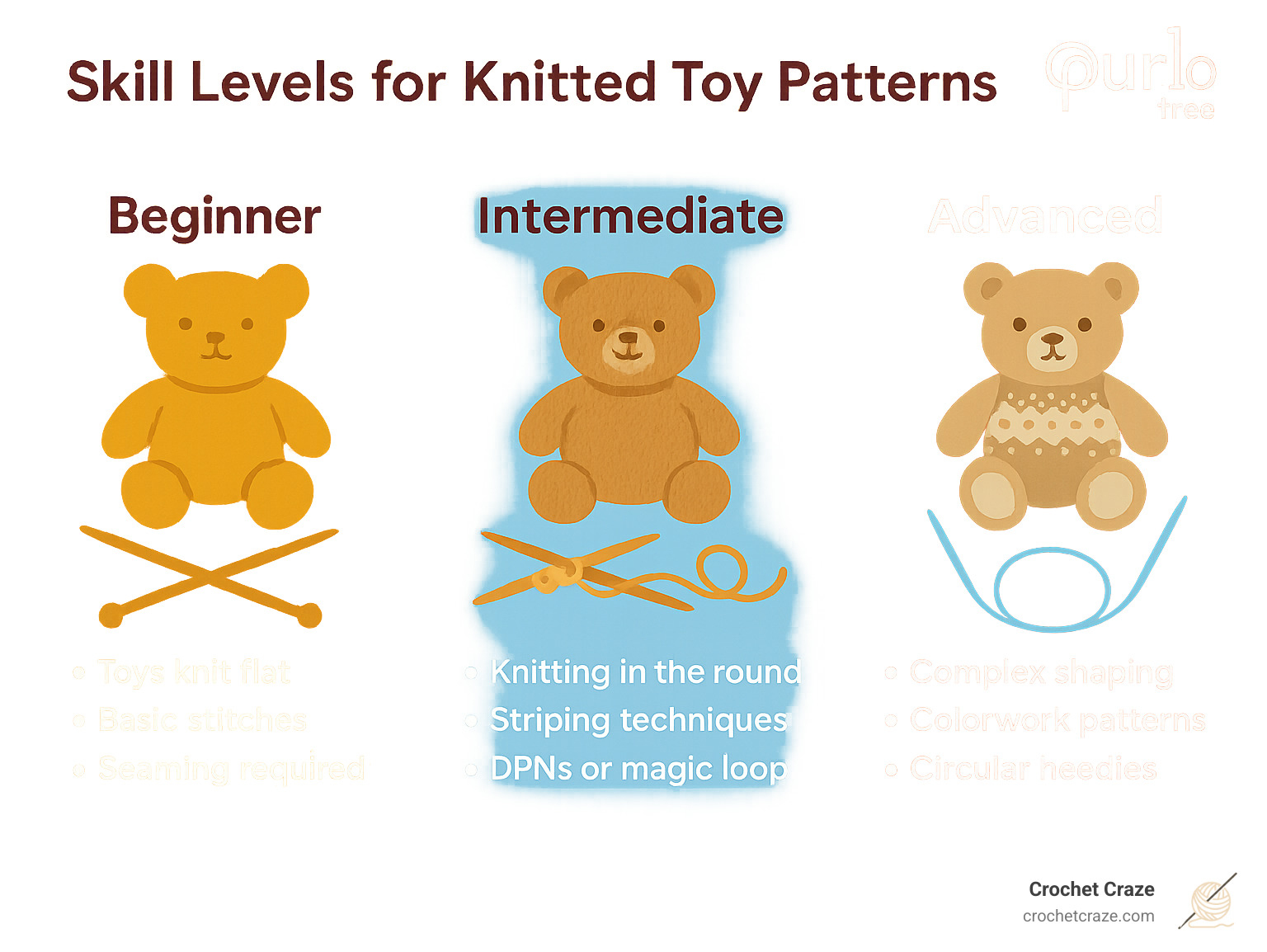
Beginner Patterns feel like friendly companions on your knitting journey. They typically feature simple shapes knit flat – think rectangles and squares that feel approachable even on day one. You’ll work with basic stitches like knit, purl, and maybe some k2tog decreases, with minimal seaming to worry about. The instructions read like a supportive friend guiding you step by step. Blanket Bob and Catnip Bunny welcome beginners with open arms, building confidence with each stitch.
Moving into Intermediate Patterns, you’ll find the joy of creating more three-dimensional shapes. These toys might involve multiple pattern pieces that come together like a puzzle. You’ll flex your skills with various increases and decreases, and perhaps dip your toes into simple colorwork. The Fuzzy Mitten Lamb and Old Fashioned Sheep Toy sit comfortably in this middle ground – challenging enough to keep things interesting without overwhelming you.
Advanced Patterns invite you to spread your wings with complex shaping techniques that create more realistic or intricate creatures. These projects often blend multiple techniques into one magical toy and feature detailed finishing work that brings your creation to life. You might tackle intricate colorwork or textured stitches that add remarkable character. The reward? Detailed animal patterns with lifelike features that showcase your growing mastery.
One of the most delightful surprises about toy knitting is how little yarn they typically require. Most toys are wonderful stash-busters, letting you transform those lonely leftover skeins into charming creatures. As a general guide, small toys under 6 inches might need just 50-100 yards of your main color, while medium toys between 6-12 inches usually require 100-200 yards. Larger toys exceeding 12 inches might ask for 200+ yards. Your contrast colors often need just 10-50 yards each – perfect for using up those tiny balls of leftover yarn!
The beautiful flexibility of toy knitting means you can often substitute yarns freely. Simply adjust your needle size to maintain the right fabric density, and you’re good to go. This adaptability makes toys the perfect playground for creativity and experimentation with your existing yarn collection.
Whether you’re casting on your very first stitches or you’re a seasoned knitter looking for a quick project, ravelry free toy knitting patterns offer something for every skill level and yarn stash situation. The joy of creating something huggable from simple materials never gets old!
Legal & Sharing FAQs for Free Ravelry Patterns
Navigating the legal side of ravelry free toy knitting patterns doesn’t have to be intimidating! Understanding these basics helps you enjoy your crafting while respecting the designers who generously share their creativity.
Can I sell toys made from free Ravelry patterns?
This is probably the most-asked question in the toy knitting community, and the answer depends entirely on the designer’s terms. Each designer sets their own rules, which you’ll typically find in the pattern notes or description.
For example, the beloved Knubbelchen doll pattern clearly states: “Dear knitting friends, this pattern, the original Knubbelchen, is provided to you at no cost and is only available through Ravelry. Please respect my copyright!”
Some designers are completely fine with small-batch selling, while others request that their patterns be used for personal projects only. Many will allow sales if you credit them as the designer of the pattern. When in doubt, simply send the designer a friendly message through Ravelry—most are happy to clarify their preferences!
What about making toys for charity?
Good news for kind-hearted knitters! Most designers enthusiastically support charity knitting, even when they restrict commercial sales. The Knubbelchen pattern is a wonderful example of this spirit of giving—the designer notes that “thousands of these little dolls have been created by kind knitters and mailed to children around the globe through various charitable projects.”
Charity knitting connects our crafting community with those in need, creating a beautiful ripple effect of kindness. Many Ravelry groups coordinate charity projects specifically for knitted toys, making it easy to find worthy causes for your creations.
Pattern updates and improvements
One of Ravelry’s most helpful features is its pattern update system. When designers spot errors or think of ways to improve their instructions:
1. They upload the revised file to Ravelry
2. Users who have downloaded or favorited the pattern receive notifications
3. Previous downloaders can access the updated version without any additional cost
This wonderful system ensures you always have access to the most current version, which is especially helpful for complex toy patterns where clarity matters.
Can I modify free patterns for my own use?
Absolutely! Customizing patterns is part of the joy of knitting. Many crafters share their clever modifications in their project notes, which helps inspire the wider community. You might change colors, adjust sizing, or add embellishments to make the toy uniquely yours.
However, publishing a substantially modified version as your own pattern generally crosses an ethical line unless you’ve received permission from the original designer. The knitting community values respecting creative work while encouraging personal expression.
What if a free pattern link is broken?
It happens to the best of us—you find the perfect ravelry free toy knitting patterns only to find the link doesn’t work. Before giving up, try these steps:
First, check the designer’s Ravelry store or personal website, as they may have moved the pattern. You can also search for the pattern name directly in Ravelry’s search function. If that doesn’t work, try reaching out to the designer through Ravelry messaging—many are happy to help.
As a last resort, ask in relevant Ravelry forums if others have access to the pattern. The knitting community is incredibly supportive and often comes through with solutions!
Now that we understand the ground rules, let’s dive into some of the most beloved ravelry free toy knitting patterns available today! These community favorites will have you reaching for your needles in no time.
For more detailed information about copyright in crafting, check out this research on copyright from LoveCrafts.
Fuzzy Mitten Lamb
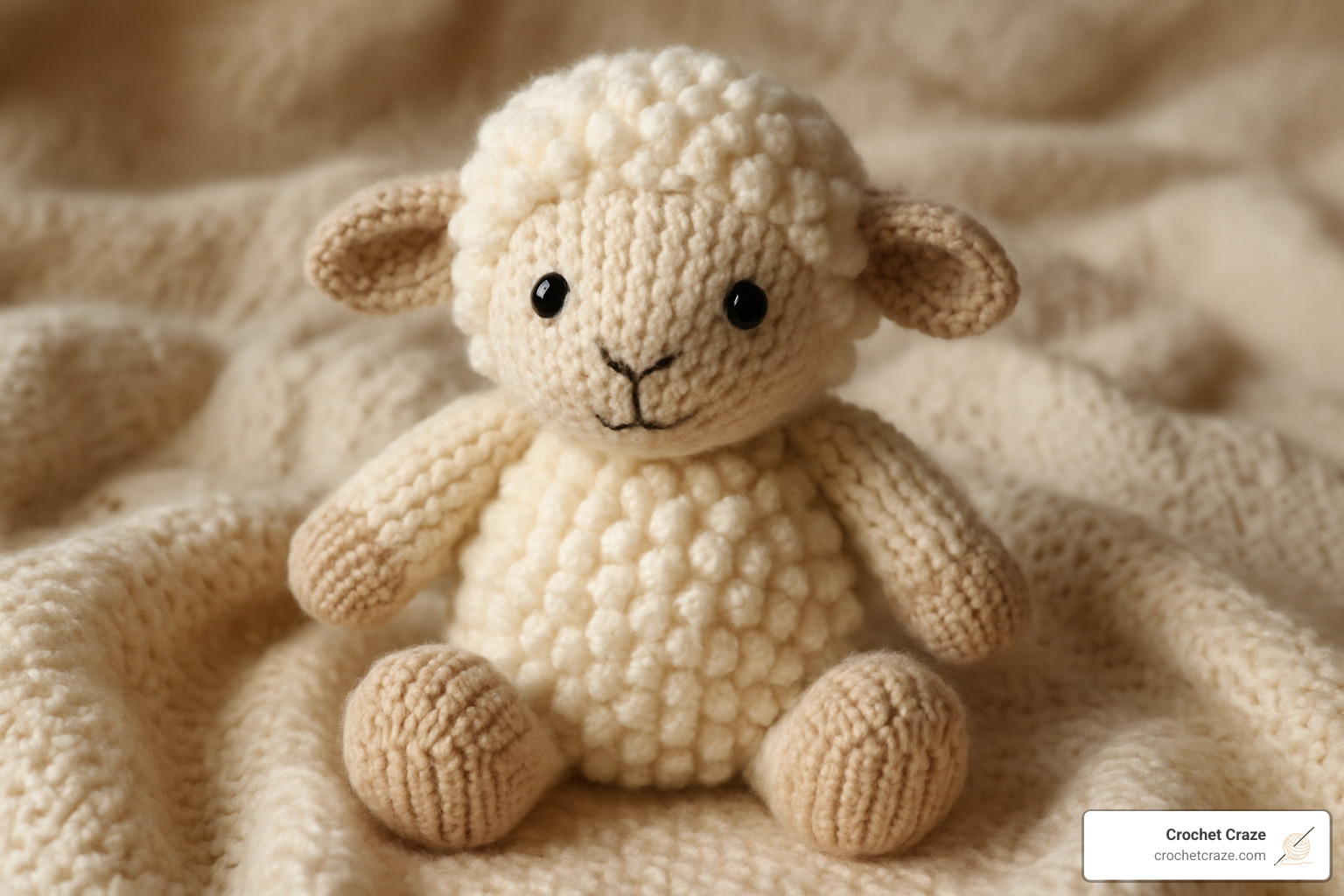
If you’re browsing through ravelry free toy knitting patterns, you’ll likely stumble upon a true community favorite: the Fuzzy Mitten Lamb by Barbara Prime. This adorable little sheep has captured the hearts of knitters worldwide, with some impressive numbers to back up its popularity – 2,480 completed projects, addition to 3,660 queues, and a stellar 4.4 overall rating from 960 voters.
“A great beginner project if you want to try knitting toys,” says Barbara herself about this pattern. And she’s absolutely right! This sweet, huggable lamb is perfectly sized for little hands, making it an ideal gift for toddlers and small children who’ll love its soft, squishy texture.
What makes this lamb so special isn’t just its cuteness (though there’s plenty of that!). It’s the thoughtful design that welcomes knitters of all skill levels. The body is constructed in simple pieces that are later seamed together – no complicated shaping or techniques required. You can use fuzzy or boucle yarn for the body to create that authentic woolly texture, while a contrasting yarn for the face and legs adds character and charm.
I love how flexible this pattern is for yarn substitutions. As Barbara notes, “If the yarn you want to use is a bit heavier and needs larger needles, you will simply get a larger toy.” This kind of adaptability is perfect for stash-busting or when you just can’t wait to start knitting and need to use whatever yarn you have on hand.
To create your own Fuzzy Mitten Lamb, you’ll need about 50g of fuzzy or boucle yarn for that adorable woolly body, plus around 25g of contrasting yarn in the same weight for the face and legs. Add some small black buttons or safety eyes, stuffing, and optionally a bell and ribbon for the neck, and you’re all set to start knitting.
What truly sets this pattern apart is its exceptional clarity – knitters have given it a 4.7 clarity rating from 62 votes. The instructions are straightforward enough that even those who’ve just mastered knit and purl stitches can successfully complete this project. It’s the perfect first toy for beginners looking to expand their skills beyond scarves and dishcloths.
One Ravelry user commented, “This was my first toy and I’m so pleased with how it turned out! The instructions were easy to follow, and my daughter hasn’t put it down since I finished it.” That’s the kind of joy that makes knitting toys so rewarding – creating something that brings happiness to both the maker and the recipient.
Old Fashioned Sheep Toy
There’s something wonderfully nostalgic about the Old Fashioned Sheep Toy by Sara Elizabeth Kellner. This pattern has quietly built a devoted following on Ravelry, with 108 completed projects and an impressive 4.6 rating from 31 votes. It’s the kind of pattern that reminds us why we fell in love with handmade toys in the first place.
The designer captures the pattern’s essence perfectly with her simple note: “Because toys don’t have to be electronic to be fun…” In our screen-dominated world, this sentiment strikes a chord with many knitters who appreciate returning to simpler pleasures.
What makes this sheep so special is its accessibility. Knit with super bulky yarn, the project works up remarkably quickly—perfect for when you need a last-minute gift or want the satisfaction of completing a project in just a weekend. The pattern features minimal seaming since it’s worked in the round, making it approachable even for those who dread the finishing process.
Perhaps most refreshingly, the designer notes that gauge isn’t crucial for this project—a rare freedom in knitting patterns! This flexibility removes a common stumbling block for newer knitters who might still be mastering tension consistency.
“I loved how forgiving this pattern was,” shares one Ravelry user. “My sheep turned out a bit larger than the original, but it just meant more to love!”
The finished toy has a substantial, squeezable quality that invites cuddles. Its classic design appeals across generations—children love its huggable size, while adults appreciate its vintage charm and handcrafted character. This timeless appeal explains why 501 knitters have added this pattern to their queues, waiting for the perfect moment to cast on.
With its blend of simplicity and charm, the Old Fashioned Sheep Toy embodies what makes ravelry free toy knitting patterns so special—accessible designs that create lasting treasures without breaking the bank. Whether you’re making it as a gift or for yourself, this woolly friend brings a touch of nostalgia to any toy collection.
Knubbelchen Doll
The Knubbelchen doll, designed by pezi888, is truly a phenomenon in ravelry free toy knitting patterns. With a jaw-dropping 5,714 completed projects and a stellar 4.7 rating from 1,336 votes, this little doll has woven its way into the hearts of knitters worldwide.
What makes this sweet little creation so special? It’s the perfect blend of simplicity and soul. As the designer lovingly describes, it’s a doll that “can snuggle, comfort, encourage or just conjure a little smile on someone’s face.” In a world of complicated patterns, the Knubbelchen offers a refreshing breath of crafting air.
You’ll love that this pattern features seamless construction (knitted in the round) and a clever top-down design that minimizes finishing work. The fingering weight yarn creates delicate, huggable details, while the portable size fits perfectly in small hands. Many knitters appreciate the customizable clothing options that let you personalize each doll.
Why This Doll Tops ravelry free toy knitting patterns
There are countless reasons why the Knubbelchen has earned its crown as one of the most beloved ravelry free toy knitting patterns available:
First, its community impact is remarkable. Since 2012, knitters around the globe have created thousands of these dolls for charitable donations. Each stitch becomes part of something bigger – bringing comfort to children facing difficult circumstances. This pattern isn’t just about making a toy; it’s about making a difference.
The stash-friendly design makes it a practical favorite too. With relatively small amounts of fingering weight yarn required, it’s perfect for using up those leftover bits from larger projects. I’ve seen knitters proudly display rainbow armies of Knubbelchen dolls, each one a unique combination of colors rescued from the bottom of their yarn baskets.
Its travel-friendly size is another winning feature. As the designer notes, “Knitting up quickly and small enough to fit into a travel bag, it makes for a nice little gift for any occasion!” I’ve spotted these dolls being worked on during commutes, in waiting rooms, and even at the beach – they truly go anywhere.
Finally, the pattern offers a wonderful skill-building opportunity. It introduces several techniques (like raglan increases and seamless construction) in an approachable way, making it educational as well as enjoyable. The clarity rating of 4.7 from 358 votes speaks volumes about how well-written and accessible this pattern is, even for those trying these techniques for the first time.
Whether you’re knitting for charity, using up scraps, or looking for a portable project, the Knubbelchen doll delivers with heart and simplicity – exactly why it continues to charm the Ravelry community year after year.
Catnip Bunny
The Catnip Bunny by Selina Kyle offers a unique twist on toy knitting: a pattern designed with both human and feline recipients in mind! With 769 completed projects and a stellar rating of 4.6 from 272 votes, this versatile pattern has captured the hearts of knitters and cats alike.
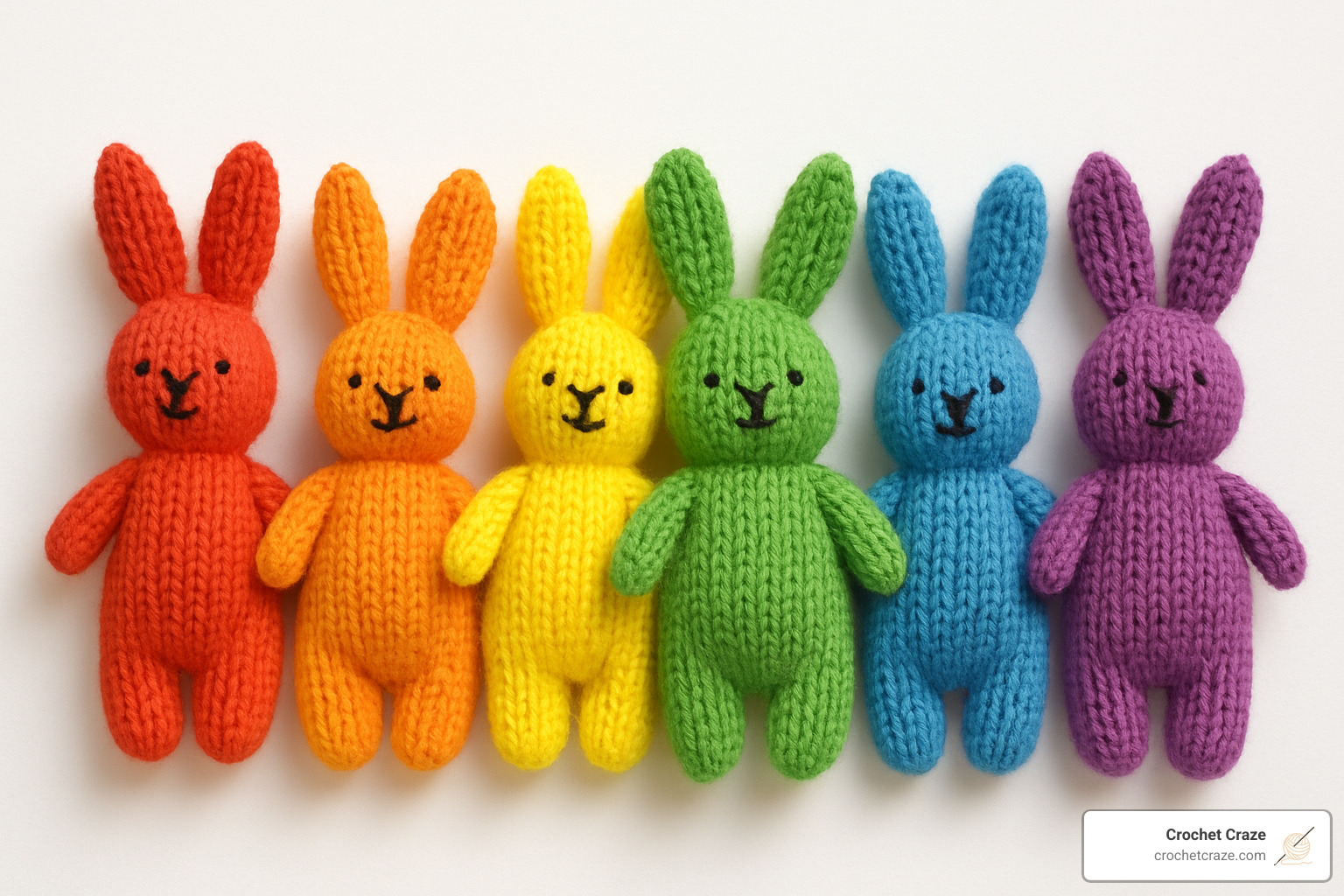
“A rainbow of bunnies, filled with catnip to treat your kitty at Easter,” the designer describes with playful enthusiasm. This multi-purpose approach makes the pattern especially appealing – you can knit it as a cat toy, a child’s plaything, or even a decorative item for your home.
What makes this little bunny special is its bottom-up, nearly seamless construction. Worked in DK weight yarn, it provides good definition and durability – important qualities whether your recipient has paws or hands! The simple embroidered features give each bunny character without requiring advanced embroidery skills, and the quick completion time means you can create a whole warren of bunnies in a weekend.
I love how honest the designer is about her pattern-writing experience. “This pattern is written up (badly – I’m a novice!) on my blog, with lots of pictures to make it even easier,” she notes with charming candor. Despite her modesty, the pattern has earned a clarity rating of 4.5 from 24 votes, suggesting that the abundance of photos helps visual learners follow along beautifully.
The ravelry free toy knitting patterns community has acceptd this versatile bunny in creative ways. Some knitters fill them with catnip for their feline friends, while others create strings of bunnies as colorful pram toys. Parents have used rainbow-colored sets as color-learning aids for young children, and many crafters make batches for charity fundraising events.
Speaking of charity, the designer explicitly encourages making these bunnies for good causes: “Please make these to raise funds for charity,” she writes, embodying the generous spirit that makes the Ravelry community so special.
The versatile size – small enough for cats to bat around yet safe enough for children to play with – makes this pattern a go-to choice when you want to create something that brings joy to multiple members of the household. Who knew that one little bunny pattern could bring so much happiness to both the two-legged and four-legged members of your family?
Sugar Bunny
The Sugar Bunny by Raynor Gellatly has hopped its way into the hearts of many Ravelry users, with 196 completed projects and a spot in 459 knitters’ queues. This adorable pattern has earned a solid 4.1 rating from 82 votes, making it one of the more beloved ravelry free toy knitting patterns for those seeking a classic bunny design.
What makes this pattern particularly appealing is its accessibility. The bunny is worked flat and then seamed together, perfect for knitters who aren’t quite ready to tackle circular needles or double-pointed needles. This approach makes it an excellent stepping stone for beginners looking to move beyond basic rectangles into three-dimensional toy knitting.
The Sugar Bunny’s charm lies in its traditional silhouette combined with customizable features. The facial details are created through simple embroidery, allowing each knitter to give their bunny a unique personality. Some crafters create sleepy-eyed bunnies, while others opt for alert, bright-eyed expressions – the choice is entirely yours!
Using DK weight yarn gives the finished toy excellent stitch definition, highlighting the texture and making the bunny satisfyingly squeezable. The pattern’s clear written instructions walk you through each step of the process, from casting on to adding those final embroidered touches.
“I made this bunny for my niece’s first Easter,” shares one Crochet Craze community member. “The pattern was so straightforward that I ended up making three more in different colors for her siblings!”
The designer has created a warm community around this pattern, inviting knitters to join a dedicated Flickr group to showcase their finished bunnies. “If you make a toy from any of my patterns I’d love to see the finished product so please join my flickr group,” Gellatly notes, fostering connections between crafters who’ve fallen in love with this sweet design.
Versatility is another hallmark of the Sugar Bunny. It works beautifully as a seasonal Easter decoration, a year-round nursery companion, or a heartfelt handmade gift. Its moderate size strikes the perfect balance – substantial enough to cuddle but small enough to complete without overwhelming your time or yarn stash.
Whether you’re creating Sugar Bunnies for charity projects, craft fairs, or simply for the joy of seeing a child’s face light up, this pattern delivers that perfect blend of achievable technique and irresistible charm that makes ravelry free toy knitting patterns so addictive to craft-loving souls.
Nibbles the Mouse
If you’re looking for a project that delivers maximum cuteness with minimal time investment, Nibbles the Mouse by Kathryn Williams is your perfect match. This diminutive delight has captured the hearts of Ravelry users, with 110 completed projects, 131 queues, and an impressive 4.5 rating from 40 votes.
“A fun little knit, takes no time at all!” the designer enthusiastically shares. “Great for kids, also makes a wicked cat toy; try filling it with catnip as well as stuffing…. :-D” This versatility is part of what makes Nibbles so appealing – one pattern, multiple possibilities.
What gives this tiny mouse its outsized charm? Several features make it stand out among ravelry free toy knitting patterns. The project works up quickly in DK weight yarn, giving you that satisfying “finished project” feeling in just a single sitting. The construction techniques are straightforward enough for confident beginners, yet the result has remarkable character and expression.
Many knitters have found creative uses for their completed mice. The designer herself notes, “Mine sits by my monitor,” suggesting Nibbles makes for a cheerful workspace companion. Others have created them as stocking stuffers, cat toys (especially when stuffed with a bit of catnip), or as pocket-sized comfort objects for children.
The pattern’s clarity rating of 4.8 from 5 votes speaks volumes about how well-written the instructions are. Even if you’re relatively new to toy knitting, you’ll find the directions easy to follow and the results delightful.
I particularly love how Nibbles demonstrates that you don’t need complex techniques or expensive materials to create something charming. A small amount of DK yarn (perfect for using up those leftover bits from bigger projects), some stuffing, and a few hours of your time will result in a little mouse with big personality.
Whether you’re making a desk buddy for yourself, a playmate for your cat, or a little friend for a child, Nibbles the Mouse offers a quick, satisfying knitting experience that’s bound to make you smile.
Tiny Piggy
The Tiny Piggy by Claire Garland offers a delightful solution for those bits of yarn that seem too small for any project. With 24 completed projects and 40 queues, this adorable pattern has earned an impressive 4.6 rating from 10 votes, with knitters particularly praising its clarity (4.8 from 5 votes).
“Oink oink! This Tiny Piggy is a quick little knitting project to use up odds and ends of yarn to avoid waste,” the designer enthusiastically shares. “Make pigs for bag charms, key chains, or just for fun!”
What makes this little piggy truly special is its eco-friendly approach. We all have those small balls of leftover yarn from bigger projects – too precious to throw away but seemingly too small for anything useful. This pattern transforms those scraps into something utterly charming.
At just about 4 cm tall when finished, these pigs pack a lot of personality into a tiny package. The pattern calls for Hayfield Bonus DK, but virtually any DK weight yarn works beautifully, making it perfect for stash-busting. The design features simple garter stitch details that give the pig dimension and character without requiring advanced techniques.
I’ve found these little piggies to be conversation starters when attached to my project bag. They work up so quickly that you can create a whole barnyard in an evening! Their miniature size makes them perfect for ravelry free toy knitting patterns beginners who want to practice toy construction techniques without committing to a larger project.
The dense fabric created (23 stitches and 29 rows per 4 inches) ensures the stuffing stays hidden and the pig maintains its shape through plenty of handling. Many knitters in the Ravelry community have commented on how these tiny toys make thoughtful last-minute gifts or sweet additions to greeting cards.
For those concerned about sustainability in their crafting, these little pigs represent a perfect way to honor the “use every scrap” philosophy that many of our grandmothers practiced. Why buy new yarn when these adorable creatures can help you transform your leftovers into something that brings joy?
Blanket Bob
Blanket Bob by Susan B. Anderson might just be the friendliest introduction to toy knitting you could hope for. With 121 completed projects and a heartwarming 4.4 rating from 47 knitters, this little character has become a beloved first project for many beginners stepping into toy making.
“Easy and quick knit! Garter stitch only, great for beginner knitters,” explains Susan in her pattern description. There’s something wonderfully approachable about Blanket Bob – he doesn’t demand fancy techniques or complicated stitches, just your basic knit stitch and a little imagination.
What makes Blanket Bob so special is his simplicity that doesn’t sacrifice charm. Using just garter stitch (no purling required!), you create a simple rectangular shape that transforms into a huggable friend with minimal finishing. The sport weight yarn creates a soft, cuddly texture that’s perfect for little hands – or as Susan playfully notes, he makes “A small carry-around toy for kids or adults ;-)” because let’s be honest, we all need a pocket-sized companion sometimes!
You’ll only need about 100-110 yards of sport weight yarn and US 3 (3.25 mm) needles to bring Blanket Bob to life. The gauge is approximately 6 stitches per inch in garter stitch, but this is one of those rare patterns where absolute precision isn’t crucial – Bob will have personality regardless of small variations.
The suggested yarn is Blue Sky Fibers Baby Alpaca Solid, which has earned its own impressive community rating of 4.7 from 2,138 votes. The alpaca creates an especially soft, luxurious feel, but don’t worry if you don’t have that specific yarn on hand. Blanket Bob works beautifully with virtually any sport weight yarn, making him perfect for using up those partial skeins lurking in your stash.
For absolute beginners who feel intimidated by toy knitting, Blanket Bob offers a gentle entry point with a satisfying result. You’ll learn basic shaping, simple finishing techniques, and gain confidence that will prepare you for more complex ravelry free toy knitting patterns in the future. Best of all, you’ll have an adorable little friend to show for your efforts!
Frequently Asked Questions about ravelry free toy knitting patterns
How do I know if a free pattern is beginner-friendly?
When you’re just starting your toy knitting journey, finding the right pattern can make all the difference between frustration and joy. Fortunately, ravelry free toy knitting patterns come with several clues to help you determine if they’re suitable for beginners.
The difficulty rating is your first best friend. Ravelry’s community ratings system allows users to vote on pattern difficulty, so look for patterns with many ratings in the “easy” or “piece of cake” categories. These community assessments are invaluable since they come from real knitters who’ve completed the project.
Pay close attention to the pattern description too. Designers who create beginner-friendly patterns are usually proud to say so! They’ll often use phrases like “great first toy” or “perfect for beginners” right in the description. The Blanket Bob pattern we discussed earlier makes this crystal clear with its “great for beginner knitters” description.
“When I started knitting toys, I was overwhelmed until I learned to read pattern descriptions carefully,” shares a Crochet Craze community member. “Now I look for patterns that specifically mention being beginner-friendly.”
The techniques required in a pattern tell you a lot about its difficulty level. Beginner-friendly designs typically stick to basic stitches like knit, purl, and simple decreases like k2tog. They avoid advanced techniques like short rows, intricate colorwork, or complex shaping. The construction method matters too—patterns worked flat and then seamed are generally more accessible than those requiring double-pointed needles or magic loop techniques.
Finally, don’t overlook project notes from other knitters. These goldmines of information often mention if a pattern was easier or harder than expected, and sometimes include helpful tips for navigating tricky sections.
Can I sell toys made from these free Ravelry patterns?
The question of selling handmade items created from ravelry free toy knitting patterns isn’t always straightforward, but understanding the basics will keep you on the right side of designers’ wishes.
Always start by reading the pattern notes carefully. Many designers include clear statements about commercial use rights. Some patterns explicitly prohibit any selling with phrases like “for personal use only,” while others welcome small-batch production. Some designers even support different levels of commercial use—allowing individual crafters to sell finished items while requiring larger operations to purchase a special license.
When designer Sara notes in her pattern, “Feel free to sell the finished toys at craft fairs and for charity events, just please credit me as the designer,” she’s giving clear permission with a simple condition. This kind of straightforward guidance makes it easy to respect the creator’s wishes.
If you can’t find specific language about selling, it’s best to reach out directly. Most designers respond quickly to polite inquiries through Ravelry’s messaging system. A simple message asking, “I love your pattern and would like to make a few to sell at my local craft fair. Would this be okay with you?” shows respect for their creative work.
Even when selling isn’t permitted, many designers make exceptions for charity. The Catnip Bunny pattern explicitly encourages makers to “make these to raise funds for charity,” showing how designers often support good causes even when they restrict commercial use.
If you do receive permission to sell, always credit the designer in your product descriptions or on attached tags. This not only fulfills any conditions they may have set but also helps spread awareness of their work—a win-win for the knitting community.
What if a free pattern link is broken or outdated?
It’s a familiar frustration—you’ve found the perfect ravelry free toy knitting pattern, but when you click the link, you get an error message. Don’t worry! There are several ways to track down that missing pattern.
First, try searching by the pattern name within Ravelry. Designers sometimes move patterns to different locations or rename them while keeping them available. The search function might lead you right to the relocated pattern.
“I once spent hours looking for a discontinued free pattern until another knitter suggested checking the designer’s Ravelry store,” shares a community member. “It turned out the pattern had been updated and moved to a new location!”
Checking the designer’s profile page often yields results. Many designers maintain a complete catalog of their work on their Ravelry page or personal website, even if individual links have changed. Sometimes patterns move from free to paid status or become part of collections, but you can still find information about their current availability.
For truly disappeared patterns, the Internet Archive’s Wayback Machine (archive.org) can be a lifesaver. This digital archive captures snapshots of websites over time, sometimes preserving pattern pages that have since vanished from the active internet.
The Ravelry community itself is another valuable resource. The “Patterns” forum is filled with helpful members who might have downloaded the pattern previously or know where it’s been relocated. A polite post describing the pattern you’re looking for often brings helpful responses.
As a last resort, consider contacting the designer directly. Many are happy to help reconnect knitters with their patterns, especially if they’ve simply moved them to a new platform or updated the links.
Designers occasionally remove patterns for legitimate reasons—they might be publishing them in books or magazines, or they may have finded issues they want to fix before making them available again. In these cases, respecting the designer’s decision is important, even if it means looking for an alternative pattern.
Conclusion
Exploring ravelry free toy knitting patterns opens up a world of creative possibilities that extend far beyond just making cute playthings. These patterns offer so much more – they’re skill-builders, stash-busters, quick gift solutions, and even vehicles for charitable giving.
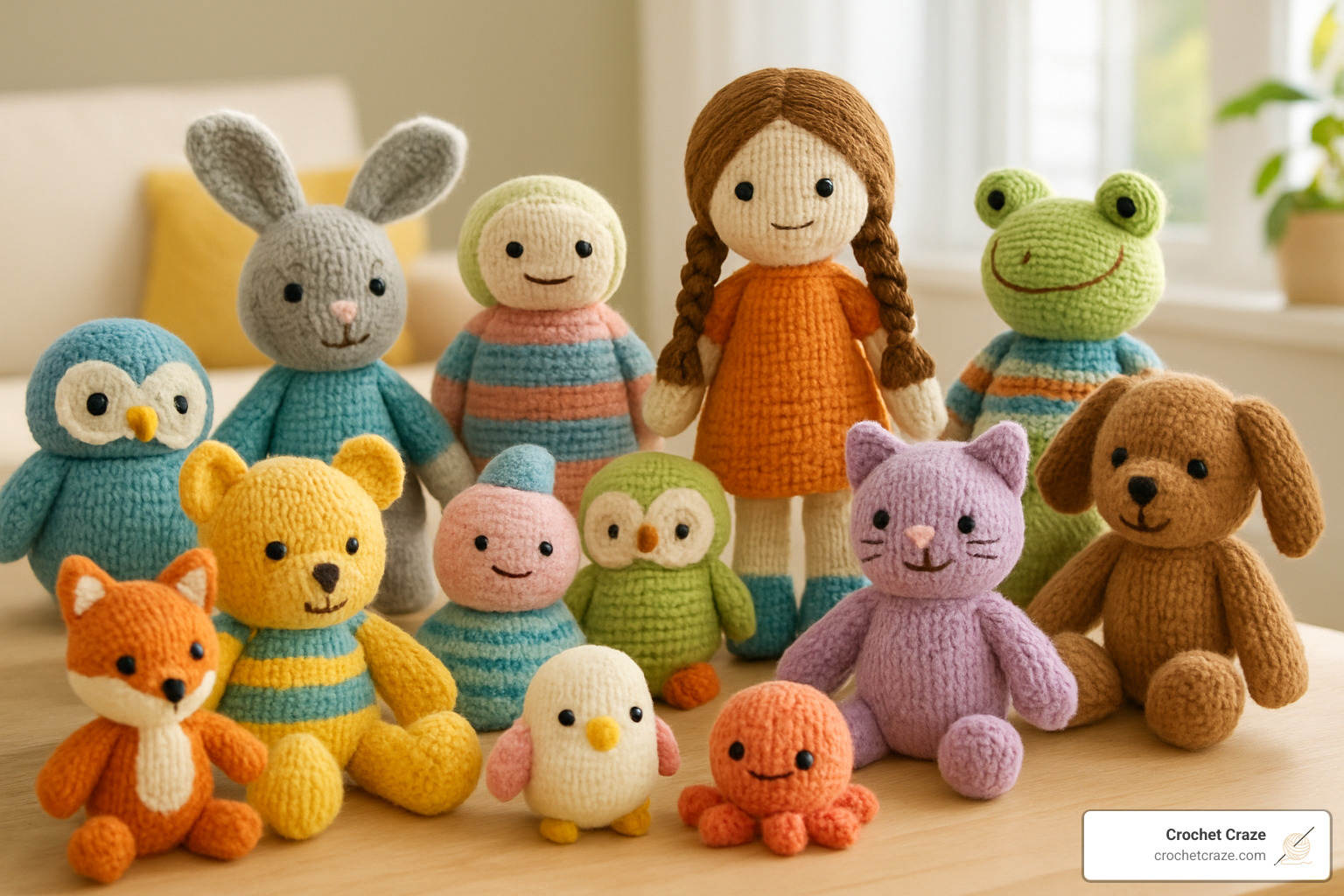
What makes Ravelry’s free toy pattern collection truly special is the community surrounding it. When you download and create from these patterns, you’re joining thousands of other crafters who have shared their experiences, modifications, and enthusiasm. This collective knowledge transforms your knitting journey into something richer and more connected than simply following instructions on a page.
I’ve watched countless members of our Crochet Craze community find the joy of toy knitting through these free patterns. Many start with simple projects like Blanket Bob and soon find themselves confidently tackling the seamless construction of the Knubbelchen doll. There’s something magical about watching a flat piece of yarn transform into a three-dimensional creature with personality and charm.
The beauty of these patterns is their accessibility. Whether you have just a few yards of leftover yarn perfect for a Tiny Piggy keychain or a full skein waiting to become a Fuzzy Mitten Lamb, there’s a project that fits your materials and skill level. Many knitters tell us they keep a “toy drawer” of small amounts of yarn specifically for these quick, satisfying projects.
Don’t be afraid to make these patterns your own. Some of the most delightful creations come from personal touches – a different color scheme, embroidered details, or even slight modifications to the shape. The designers who generously share these free patterns often encourage creativity and personalization.
The “best” pattern isn’t necessarily the most popular or highest-rated – it’s the one that speaks to you personally. Maybe you’re drawn to the practical charm of the Catnip Bunny that doubles as a pet toy, or perhaps the whimsical character of Nibbles the Mouse matches your aesthetic perfectly. Trust your instincts and choose projects that make your heart happy.
We at Crochet Craze love seeing your finished creations and hearing the stories behind them. Was your Sugar Bunny made for a new baby’s first Easter? Did your Knubbelchen doll travel to comfort a child in need? These narratives weave together to form the rich mix of our crafting community.
For more inspiration and guidance on your fiber arts journey, explore our patterns library and find additional knitting tips to improve your crafting trips. Happy knitting, and may your toy creations bring smiles to faces both young and old!