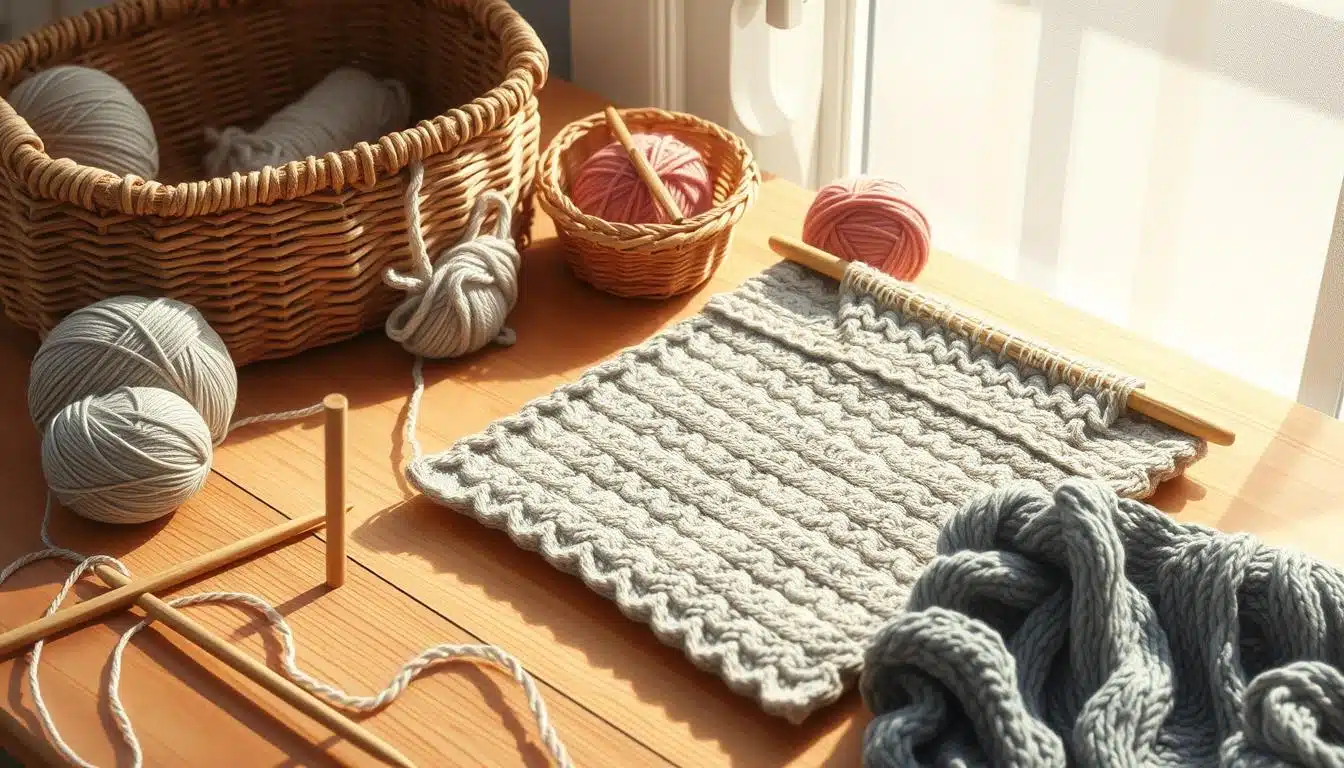
You’ve made a sweater, shawl, or baby blanket. Now, it’s time to give it the finish it deserves. Blocking knitting is a simple step that makes your homemade items look high-end. This guide will teach you how to block with confidence, achieving crisp stitches, correct sizing, and smooth edges.
Blocking techniques are like the final tailoring session for your project. Wet blocking relaxes fibers and sets the shape. Steam blocking smooths without soaking the yarn. Spray blocking is gentle for delicate yarns. This article will show you which method is best for your yarn and pattern.
This guide is for everyone, from beginners to seasoned knitters in the United States. It starts with the basics and moves to tools and techniques. By the end, you’ll know how to block and choose the right method. You’ll also learn a step-by-step wet-blocking process and quick steam or spray tricks for a final touch.
Key Takeaways
- Blocking knitting is the essential finishing step to improve stitch definition and fit.
- Wet blocking, steam blocking, and spray blocking each serve different yarns and goals.
- You’ll get a clear wet-blocking workflow plus quick steam and spray tips.
- Tools range from household items to pro gear for precise shaping.
- The guide covers troubleshooting and designer tricks to rescue tricky projects.
What Is Blocking and Why It Makes Your Knits Shine
Think of a spa day for your knitted pieces. You give them a bath or a gentle steam. Then, you coax the stitches into place and let them rest until they dry. This simple routine is what blocking knitting is all about.
The blocking metaphor helps you remember the goal. Fibers relax, stitches even out, and patterns reveal themselves. You can see lace open, cables pop, and edges smooth into neat lines.
So why block knitting? You do it to get a better fit and a cleaner look. Blocking brings your work to pattern gauge, improves stitch definition, and gives a polished finish that looks like a designer made it.
Expect clear benefits of blocking when you take the time. First, size and shape become reliable, which matters for garments. Next, lace and textured stitches show their detail. You get softer drape as fibers relax. Small tension differences blend into a uniform fabric.
Blocking matters most for projects where drape and clarity are everything. Lace shawls, intricately cabled pieces, blankets, and garments with crisp lines benefit heavily. You might gain several extra centimeters in a natural-fiber sweater after blocking, so plan for that when you pick a size.
Use these basics to decide whether a piece needs blocking. When you want neat edges, open patternwork, or a smoother hang, you’ll see why block knitting transforms good work into great work.
blocking knitting: Methods Compared — Wet, Steam, and Spray
You want your knitwear to look sharp and finished. Choosing the right method is key. Here’s a clear guide on wet blocking, steam blocking, and spray blocking to help you pick the best for your project.
Wet blocking explained
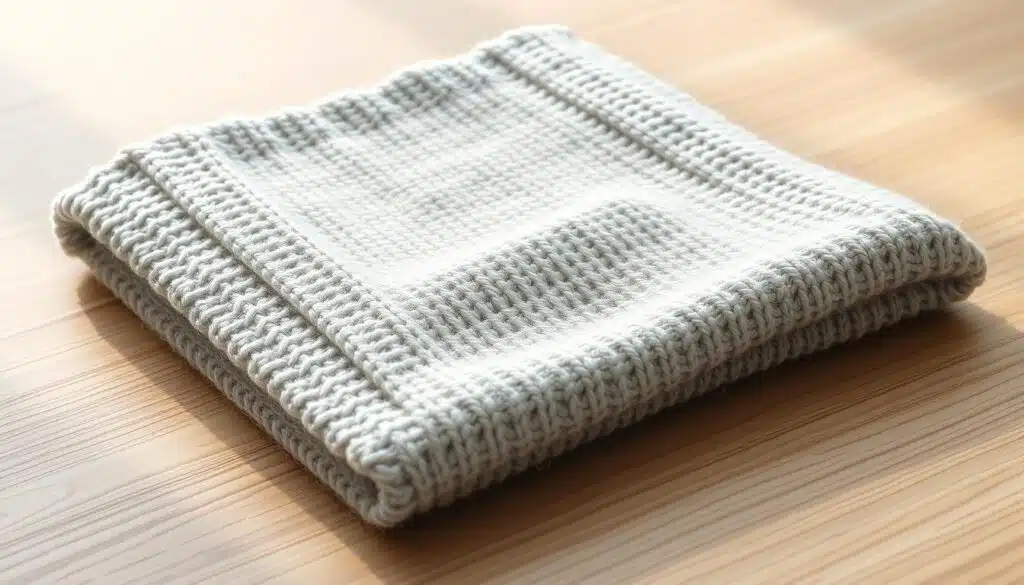
Wet blocking means soaking the piece fully. Check the yarn label for water temperature. For many natural fibers, soak for about 20 minutes, then gently press out excess water and pin to shape.
Wet blocking is great for wool, alpaca, and cotton. It’s perfect for major reshaping or a crisp finish. Always check care notes from brands like Morris & Sons for specific temperature guidelines before soaking.
Steam blocking explained
Steam blocking uses steam from an iron or steamer without soaking fibers. It’s good for synthetics or pieces that can’t be soaked.
Designers like Arne & Carlos use steam blocking for quick fixes and to tame curling edges. Keep the steamer away to avoid flattening texture. Short bursts of steam help shape without crushing cables or lace.
Spray blocking explained
Spray blocking involves pinning a dry piece to shape and misting it until damp. It’s the gentlest method, perfect for angora, silk, or delicate lace that can’t handle full immersion.
Spray blocking is ideal for a light reshape or if you prefer minimal handling. It reduces the risk of stretching. For more tips and crochet-specific advice, check out a practical guide from blocking crochet projects.
| Method | Best for | Intensity | Speed |
|---|---|---|---|
| Wet blocking | Wool, cotton, heavy reshaping | High | Slow (drying time) |
| Steam blocking | Synthetics, quick fixes, curling edges | Medium | Fast |
| Spray blocking | Delicate fibers, fine lace | Low | Moderate |
When comparing blocking methods, think about the fiber, texture, and reshaping needed. Try small swatches to find your best method without risking a finished piece.
Choosing the Right Blocking Method for Your Yarn
Choosing a blocking method is like picking the right tool for a job. The yarn you use affects how it reacts to water, heat, and tension. Reading these guides will help you care for your fibers and achieve the best finish for your project.
Natural fibers and their response
Wool and alpaca do well with wet blocking. Soaking pieces made from Morris & Sons Empire 100% Merino or Maya 100% Baby Alpaca opens stitches, improves drape, and may grow slightly. For many, the best blocking for wool gives garments and shawls that soft, even look.
Cotton works well when pinned while damp but can stiffen if over-blocked. Use measured tension and a grid to keep shape. When blocking alpaca, work gently; it blooms beautifully but can lose loft under heavy stretching.
Delicate fibers and cautions
Silk and angora need careful handling. Wet blocking can alter silk’s sheen and damage angora’s halo. Always test on a swatch first. For preserving sheen or bounce, prefer spray techniques over full immersion when blocking silk.
Always check the yarn label. If unsure, use a light spray and reshape by hand. This reduces risk and keeps the delicate hand intact while letting you tame small unevenness without harm.
Synthetic and novelty yarn considerations
Acrylic rarely changes size like natural fibers. You can use gentle wet or steam methods to even out stitches when blocking acrylic, but expect modest results in shaping. Heat can help smooth loops, but avoid high temperatures that warp synthetic fibers.
Novelty yarns pose a special challenge. Heavily textured or handspun novelty yarns may lose character if you force them flat. For blocking novelty yarn, weigh the texture against neatness. If texture is the main feature, skip aggressive blocking and accept a hand-crafted, uneven charm.
| Fiber | Recommended Method | Key Caution |
|---|---|---|
| Merino wool (example: Morris & Sons Empire) | Wet blocking | Don’t over-stretch; measure gauge after drying |
| Baby alpaca (example: Maya 100% Baby Alpaca) | Gentle wet blocking or light pinning | Avoid heavy tension to keep loft |
| Silk | Spray blocking or steam with caution | Wet can dull sheen; test a swatch first |
| Acrylic | Light steam or spray; gentle wet if needed | Heat can warp; expect limited shape change |
| Novelty yarns | Minimal blocking; spot-spray only when necessary | May lose texture or special effects when flattened |
Blocking Tools and Setups That Actually Work
You want your knitting to look perfect, with neat edges and even lace. The right tools and a simple setup can make it happen. Here are the essentials, professional options, and budget-friendly hacks you need.
Essential tools
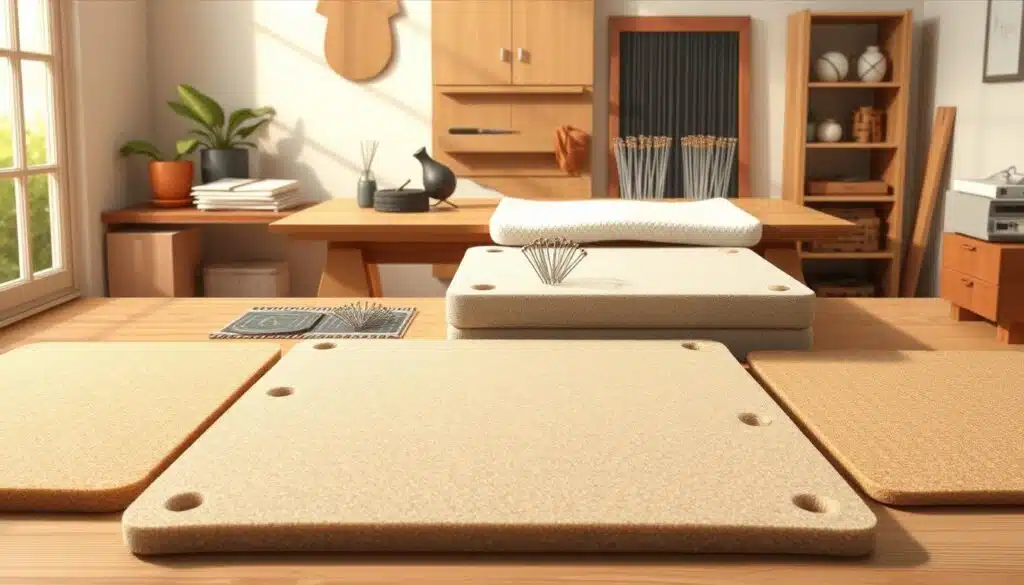
Begin with a clean basin or sink for soaking. Use two old towels to squeeze out water. A mild wool wash, like Soak, is best for cleaning.
Choose rust-proof blocking pins to avoid stains. Pick a surface that won’t rust and can hold pins. Make sure all items are free of bleach or residue to protect your yarn.
Have a spray bottle for misting and a ruler or tape for measuring. Use a basin or bucket to keep your sink clear. Always test on a swatch first to see how your yarn behaves.
Optional pro tools
For salon-quality finishing, consider blocking wires for straight edges. KnitPro blockers help with quick, consistent pinning. Blocking mats that clip together are great for any size surface.
A standing garment steamer or iron with vertical steam is useful for structured pieces. These tools make your work faster and more precise. Always check your final dimensions with a measuring tape as you pin.
DIY and budget-friendly tips
You don’t need expensive gear for great results. Use children’s EVA play mats or camping foam pads as blocking mats. Clean bath towels can soak up excess water before pinning.
Buy rust-proof T-pins instead of regular pins to avoid rust spots. Set up in a quiet, well-ventilated area away from pets. For more ideas and comparisons, check this guide on blocking tools.
For a budget-friendly setup, mix DIY mats, quality blocking pins, and a few professional tools. This way, you can control the shape, drape, and size of your knitting without spending a lot.
Step-by-Step Wet Blocking Guide You Can Actually Follow
Wet blocking can make a swatch look great. This guide will show you how to prepare, remove water, pin, and dry. Follow each step carefully and practice on a swatch first. This will help you feel ready for real projects.
Preparation and washing
Start by filling a basin or sink with clean water. Make sure the water is at the right temperature for your yarn. Morris & Sons Empire suggests keeping it under 30°C for wool blends. Add a wool wash if you prefer.
Submerge the piece fully and gently press to remove trapped air. Don’t rub or swish it too much to avoid distortion. Let it soak for about 20 minutes or follow the yarn maker’s advice.
Removing excess water without wrecking your piece
Use a scooping motion to lift the piece from the water. Never drag it or hang it wet. Gently squeeze out water and lay it flat on a clean towel.
Unfold the towel, then cover with another one to make a sandwich. Roll the towels together and press to absorb moisture. Press firmly but don’t rub. Unroll to find a damp, workable fabric.
Pinning, shaping, and measuring
Move the damp piece to blocking mats you set up earlier. Spread it into shape and pin the edges regularly to prevent scalloping. Use KnitPro blockers or blocking wires for long edges to keep lines straight.
Check the dimensions with a measuring tape against your pattern or previous notes. Gently stretch and re-pin until you reach the desired fit. Keep the tension even to avoid warping lace or cables.
Drying and finishing touches
Leave the piece in a well-ventilated, undisturbed area until it’s completely dry. Drying time can vary depending on humidity and thickness. Only unpin once the yarn is fully dry; wool will spring back a bit, which is normal.
Expect subtle changes in the first 24 hours as fibers relax further. Fold and store garments when not wearing to keep the shape intact.
Practice soak and pin knitting on a swatch first. For garments that are already seamed, try them on before blocking to note fit adjustments. Use this blocking step-by-step routine to make your projects look like you meant them to.
| Step | Action | Tip |
|---|---|---|
| 1 | Prepare basin with lukewarm water and wool wash | Follow yarn label; under 30°C for many wools |
| 2 | Soak piece fully, press out trapped air | Soak ~20 minutes or as yarn recommends |
| 3 | Lift with scooping motion; avoid dragging | Never hang wet to prevent stretching |
| 4 | Roll in towels and press to remove excess water | Press, do not rub; goal is damp, not dripping |
| 5 | Pin and shape on blocking mats; measure carefully | Use blocking wires or KnitPro pins for straight edges |
| 6 | Let dry in a ventilated area until completely dry | Unpin only when totally dry; expect slight spring-back |
Steam and Spray Blocking: Quick Fixes and When to Use Them
Steam and spray blocking are quick fixes for knits that can’t get wet. They help set stitches, tame edges, and refresh garments. Choose based on fiber, texture, and needed shaping.
When steam blocking is the smart choice
Steam blocking is best for fibers that handle heat well. It’s great for wool blends, synthetics, and light shaping. Arne & Carlos recommend it for fast setting without water.
Use a steamer or a hand to protect fibers from the iron. Always test on a swatch first.
How to spray block like a pro
Pin your dry item to shape on a board, then mist evenly. Spray blocking is perfect for angora, silk, and lace. Re-pin after spraying to correct tension.
Use a fine mister and test colorfastness first. This prevents dye surprises.
Common mistakes with heat and moisture
Avoid pressing a hot iron directly onto knits. Over-steaming can flatten texture. Over-spraying can cause uneven drying and dye bleeding.
Keep a safe distance from steam and check a swatch for colorfastness. Don’t rush drying; patience saves texture.
Use this quick reference to compare tactics and risks so you can pick the right fix for your next blocking job.
| Method | Best for | Risk | Pro tip |
|---|---|---|---|
| Steam blocking | Wool blends, synthetics, quick fixes | Flattening texture if overdone | Keep steam mobile and test a swatch |
| Spray blocking | Delicate fibers like silk, angora, lace | Uneven dampness and dye bleeding | Mist evenly and re-pin before drying |
| Wet blocking (for comparison) | Natural fibers needing full shaping | Felting or stretching if mishandled | Squeeze gently and block flat to shape |
Troubleshooting: Fixes for Common Blocking Problems
When blocking goes wrong, you need fast fixes to get your project back on track. Here are quick solutions for common issues like uneven edges, size surprises, dye worries, and lost texture.
Uneven edges and scalloping
Uneven edges often come from uneven pinning or too-wide spacing. Try re-pinning with closer intervals and keep the tension even from start to finish.
Blocking wires or tools like KnitPro blockers can give you a straight edge with less effort. For scalloped edges on lace or delicate trims, lay the piece flat. Anchor a blocking wire through stitch edges and pin the wire taut. This helps fix scalloped edges without warping your motifs.
Size is off after blocking
First, double-check your measuring method and compare it to the pattern gauge while pinning. If the garment is too small and you used natural fibers, it might need more stretch while damp. Pin it to slightly larger dimensions in stages to avoid over-stretching.
If the piece is too large, let it relax on a flat surface. This allows fibers to spring back naturally. Light steam from a distance can tame an over-stretched area without soaking. Use size correction blocking to pin and measure as you go.
Color bleeding or felting worries
Before full blocking, test for dye release by blotting with two towels when washing the swatch. If color bleeds, keep towels under the piece and replace water until it runs clear. For suspect dyes, a short soak with a wool-safe detergent and careful rinsing reduces risk.
Felting is caused by agitation, heat, or both. Avoid vigorous rubbing and hot water with wool, alpaca, or other protein fibers. If felting starts, prevention is key. For more help, see blocking tips and washing techniques.
When blocking ruins texture
Sometimes blocking flattens the texture you wanted to keep. Novelty yarns, bouclé, and heavily textured stitches can lose their texture if soaked and stretched. Use gentle spray blocking to preserve surface interest.
If texture disappears, consider selective reworking or partial reblocking after testing on a scrap. When structural changes are needed, altering with careful cutting and reworking is an option. Practice the knit-snipping method on scraps first to protect stitch alignment.
| Problem | Quick Fix | Prevention |
|---|---|---|
| Wavy or scalloped edges | Re-pin closer, use blocking wire or KnitPro blockers | Even tension and consistent pin spacing |
| Too small | Dampen and pin to larger dimensions gradually | Check gauge and measure while pinning |
| Too large | Let piece relax, use light steaming to reduce | Avoid over-stretching during initial block |
| Color bleed | Change towels and water; use wool-safe detergent | Test swatch, pre-wash if dye is suspect |
| Felting | Stop agitation, cool water soak, gentle handling | Use gentle wash products and no hot water |
| Flattened texture | Try spray blocking or selective reworking | Test method on scrap yarn first |
Keep a small notebook of what worked for each yarn. This record saves time and heartache next project. If you face stubborn blocking problems, methodical adjustments and measured retries usually win—patience beats panic every time.
Advanced Tips and Designer Tricks to Make Your Projects Pop
You want your knits to look like a pro made them, not a practice piece. These tips help shape lace, define cables, and fix sleeves easily. Think of blocking as a design tool, not a task.
Pattern-specific pointers
Wet blocking opens up lace patterns, showing off yarn-over holes. Use wires or fine pins to keep edges sharp. For garter ridges and colorwork, pin to highlight separations and twists.
Shawls need strict pinning to keep their drape. Antonia Shankland’s Shadow shawl shows how cotton/alpaca combos look when pinned right.
Fixing structural mistakes with cutting and reworking
Cutting your knitting can fix sleeves or cast-ons. Cut above a stitch, pull out the yarn, and rework the loops. You might lose a stitch or two; plan for it.
Use paired increases and decreases to hide stitch changes. When joining pieces, check the texture first. If it’s off, cut and rework the seam to match the pattern.
Using blocking to enhance lace and cables
Blocking cables makes them stand out. Wet blocking and pinning cables firmly deepens their definition. For shawls, use wires or blockers to keep edges even.
Use rust-proof wires and blockers to avoid stains. Measure while pinned to adjust fit. Let pieces dry completely for the final polish.
For a guide on blocking accessories and DIY blockers, check this: blocking accessories guide.
Conclusion
Blocking knitting summary: blocking is key to finishing your knitting. It relaxes fibers, defines stitches, and sets the size. This gives your work a professional look.
There are three main methods: wet, steam, and spray. Wet blocking is for big changes, steam for quick fixes and synthetic fibers, and spray for delicate items.
To block your knitting right, choose the method based on the fiber and what you want to achieve. You’ll need a clean basin, towels, rust-proof pins, and blocking mats. For straight edges or precise gauge, use blocking wires or KnitPro blockers.
Blocking tips recap: always test on a swatch, follow the yarn label, and measure while pinning. Avoid over-blocking. For big changes, try the snip-and-rework method with paired increases and decreases.
Now, give your knits a spa day. Block smart, measure twice, pin once, and show off your projects. They should look like they came from a boutique and smell great, like Soak.
FAQ
What exactly is blocking and why should I bother?
Blocking is a finishing step where you wet or steam your finished knit. Then, you shape it and let it dry. It’s like a spa day for your knits, relaxing fibers and even out stitches.
It opens lace, makes cables pop, and sets the shape to match the pattern gauge. If you like crisp edges and a predictable fit, blocking matters.
What are the main benefits I’ll see after blocking?
You’ll see four clear wins. First, your project will have the correct shape and size. Second, stitch definition will improve, making lace open and cables stand out.
Third, the drape will be softer as fibers relax. Lastly, you’ll get a polished finish that evens out tension differences and smooths edges.
Which projects really need blocking?
Blocking is key for lace shawls, openwork, cables, blankets, and garments needing crisp lines or particular drape. It makes your handmade item look boutique-ready.
What’s the difference between wet, steam, and spray blocking?
Wet blocking soaks the piece, reshaping it while damp. It’s best for natural fibers and big reshaping. Steam blocking uses steam to set stitches without immersion, handy for synthetics or quick fixes.
Spray blocking pins a dry piece then mists it. It’s the gentlest option for delicate fibers like angora or silk.
When should I choose wet blocking?
Choose wet blocking for wool, alpaca, cotton, or any natural fiber. It’s best for opening lace and setting drape. It can also add a few centimeters to natural-fiber garments.
Is steam blocking safe for all yarns?
Steam blocking is great for many synthetics and quick fixes. It’s useful when soaking isn’t an option. But use gentle steam and keep distance; excessive heat or direct iron contact can crush texture. Always test a swatch first.
When should I use spray blocking?
Use spray blocking for delicate fibers like angora and silk or for ultralight lace where a full soak might damage the yarn. Pin first, mist evenly until damp, and let it dry. You’ll get subtle shaping without heavy handling.
Can all yarns be blocked the same way?
No. Natural fibers like Merino and baby alpaca respond spectacularly to wet blocking and can grow slightly. Delicates (angora, silk) need gentler spray methods or none at all. Synthetics like acrylic won’t change much but can benefit from light blocking to even stitches.
Novelty handspun textures may lose their character when blocked, so proceed cautiously.
What tools do I absolutely need?
Essentials include a clean basin or sink for soaking, two clean towels for water removal, and a gentle wool wash such as Soak (optional). You’ll also need rust-proof T-pins and a suitable blocking surface like foam blocking mats or EVA play mats. Keep everything free of bleach or harsh residues.
Any pro tools worth the splurge?
Yes. Blocking wires or KnitPro blockers make straight edges and points much easier. A measuring tape helps hit pattern dimensions precisely. Modular camping mats or children’s EVA mats make excellent, budget-friendly blocking surfaces when clipped together.
How do I prepare and wash a piece for wet blocking?
Fill a basin with water at the temperature recommended on the yarn label (for example, under 30°C for many merinos). Add wool wash if you like. Submerge the piece fully, avoid agitation, and let it soak for about 20 minutes.
Gently press out air — don’t wring or twist.
How do I remove excess water without wrecking my knitting?
Lift the piece with a scooping motion, never hang it to drip. Lay it flat on a clean towel, cover with a second towel, roll into a sausage, and press gently to absorb moisture. Unroll to a damp but manageable fabric ready for pinning.
How should I pin and shape my piece?
Move the damp piece to your blocking mat, spread it to shape, then pin at regular intervals to avoid scallops. Use blocking wires or KnitPro blockers for straight edges. Measure against the pattern while pinning and apply even tension to preserve motifs.
How long does drying take and when can I unpin?
Drying varies — overnight or longer depending on humidity and thickness. Only unpin when the piece is completely dry. Expect a bit of spring-back in wool; fibers may relax a bit more in the first 24 hours after unpinning.
When is steam blocking the smart choice?
Choose steam when you can’t soak a piece, when working with heat-tolerant synthetics, or for quick fixes like taming curling edges. Use gentle steam from a distance and always test on a swatch to protect texture.
How do I spray block like a pro?
Pin the dry piece into the shape you want, then mist evenly until damp. Re-pin if needed to maintain tension. This opens stitches slightly without heavy handling — ideal for delicate fibers and fragile lace.
What common heat and moisture mistakes should I avoid?
Don’t press a hot iron directly onto knits — use steam at a safe distance. Avoid over-steaming and repeated aggressive steaming which flattens texture. Don’t over-spray; uneven dampness can cause dye bleed. Always test colorfastness and technique on a swatch first.
Why are my edges scalloped after blocking?
Scalloping usually means uneven or too-wide pin spacing. Re-pin more frequently, or use blocking wires or KnitPro blockers to create straighter, evenly tensioned edges.
My garment is not the right size after blocking. Now what?
Re-check your measuring method and pattern gauge. If the yarn is natural, you may need to dampen and stretch more, pinning to the correct dimensions. If it’s too large, allow some relaxation or a gentle steam to reduce over-stretching. Measure while pinning for accuracy.
How do I prevent color bleeding or felting?
Test for dye release with towels during soaking. Change water if needed and avoid hot water and vigorous agitation to prevent felting. For suspect dyes, keep towels underneath and rinse until water runs clear. Prevention is better than trying to un-felt wool.
My yarn lost its texture after blocking — can I fix it?
If texture flattened from over-blocking or the wrong method, gentle steam or light re-shaping sometimes restores bounce. If texture is irreversibly altered, consider reworking the area or accepting it as a design shift. For future projects, favor spray blocking for novelty or textured yarns.
Can I cut and rework knitting to fix structural problems?
Yes. Carefully snipping and picking up live loops is a valid repair technique for sleeves or cast-on errors. Practice on scraps, then use paired increases/decreases (M1K, SSK, M1P, K2tog) to hide half-stitch transitions and preserve patterns like basketweave.
How can blocking enhance lace and cables?
Wet blocking will open lace and set points, and it makes cables pop by relaxing surrounding stitches. Use blocking wires or fine pin spacing to emphasize scallops and points so that patterns read clearly across the piece.
Any final professional tricks to make my projects pop?
Measure while pinning, use rust-proof wires and blockers for crisp edges, and always test on a swatch. Treat blocking as a designer tool: it can correct fit, disguise small construction quirks, and dramatically elevate stitch definition. When in doubt, practice the snip-and-repair technique on scraps first.