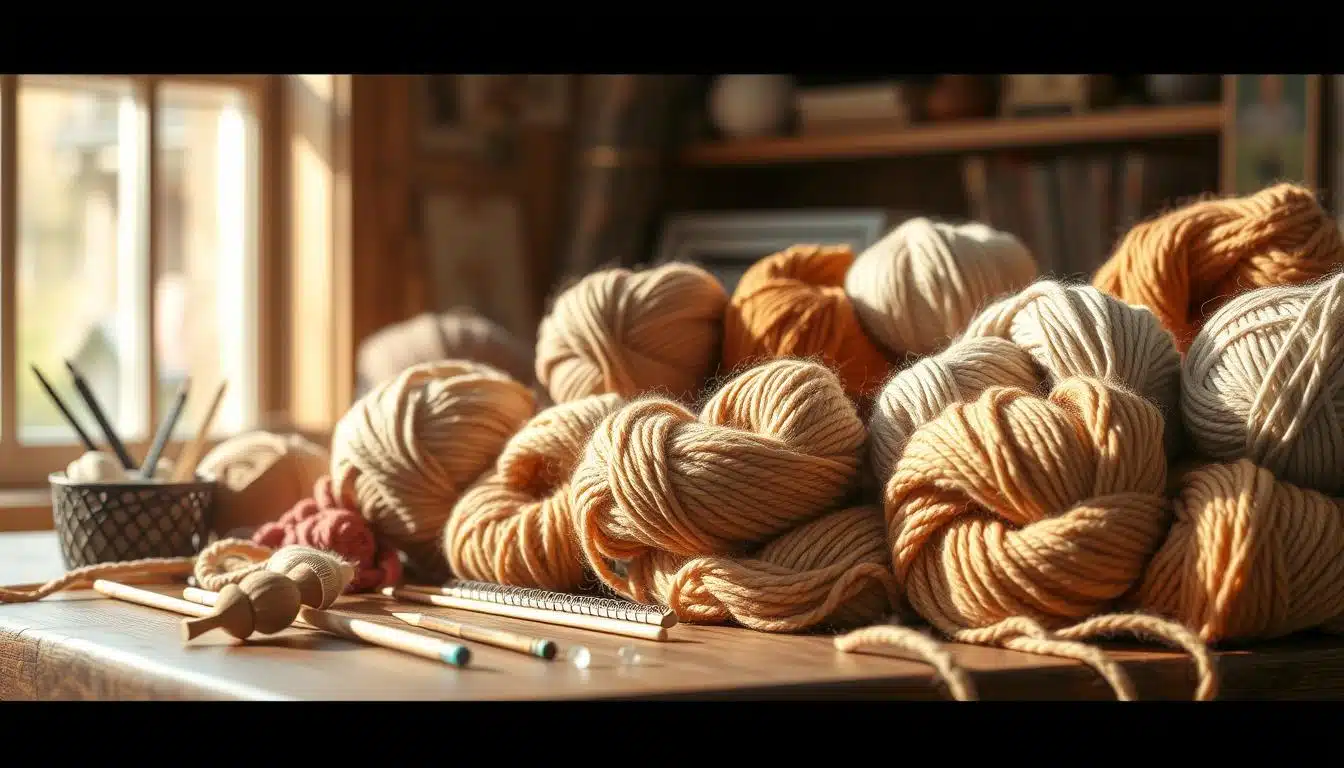
As a knitting enthusiast, you know the love and care that goes into your projects. But have you thought about the importance of yarn care? Taking care of your yarn can extend its life and your projects’ beauty. By following simple yarn care tips, your knits will stay beautiful for years.
When it comes to yarn maintenance, there are many things to consider. From storage to washing and handling, each step is important. Proper care can prevent damage, fading, and other issues that harm your projects’ quality.
Key Takeaways
- Store yarn in a dry place away from direct sunlight and extreme temperatures.
- Use breathable bags or bins for yarn storage.
- Hand wash delicate fibers like wool and alpaca.
- Lay items flat to dry, reshaping as needed.
- Fold finished knits for storage to prevent stretching.
The Tangled Truth: Why Yarn Care Makes or Breaks Your Projects
Yarn care is key to making your projects great. It keeps your yarn in top shape for your project. This way, your yarn is ready to become the beautiful thing you dream of.
From Fabulous to Frayed: The Lifespan of Neglected Yarn
Not taking care of your yarn can shorten its life. Dust, sunlight, and moisture can damage it. Wool can shrink, and cotton and linen can get brittle.
Color Me Impressed: Preserving Vibrancy and Texture
The look and feel of your yarn are important. Storing it in a cool, dry place helps keep it looking good. Use acid-free tissue or breathable bags to stop colors from running.
Project Perfection: How Proper Care Affects Your Finished Items
Good yarn care means your projects will last longer. They’ll stay beautiful and strong. Your items will keep their shape and color over time.
| Yarn Type | Care Requirement | Benefit of Proper Care |
|---|---|---|
| Wool | Store in a cool, dry place | Prevents felting and shrinkage |
| Cotton/Linen | Avoid direct sunlight | Preserves color and prevents brittleness |
| Synthetic | Keep away from heat sources | Maintains texture and prevents deformation |
Fiber Personalities: Tailoring Care to Your Yarn’s DNA
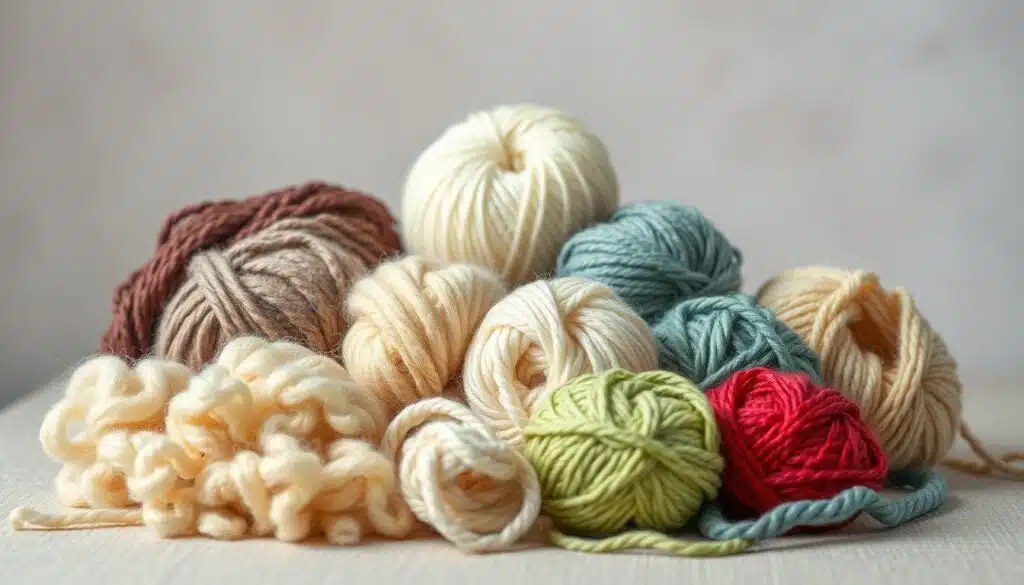
Knowing your yarn’s unique traits is key to keeping it in top shape. Each fiber has its own care needs. Some can handle machine washing, while others need hand washing. As you learn about yarn care, you’ll see that each type has its own set of requirements.
Wooly Wonders: Caring for Sheep, Alpaca, and Other Animal Fibers
Animal fibers like wool, alpaca, and mohair are loved for their warmth and softness. To care for them, avoid harsh chemicals and hot water to prevent shrinkage. Hand washing in cold water with a mild detergent is best. For example, merino wool can be washed in cold water, but angora might need dry cleaning.
Plant Power: Nurturing Cotton, Linen, Bamboo, and Hemp
Plant fibers like cotton, linen, bamboo, and hemp are known for their breathability. They can usually be machine washed, but always check the label for specific care. Cotton and linen can handle warmer water, but bamboo and hemp need gentler care to avoid damage.
| Fiber Type | Washing Method | Drying Method |
|---|---|---|
| Wool/Alpaca | Hand wash cold | Lay flat to dry |
| Cotton/Linen | Machine wash cold/warm | Tumble dry low |
| Bamboo/Hemp | Hand wash cold | Lay flat to dry |
| Acrylic/Blends | Machine wash cold | Tumble dry low |
Synthetic Situations: Managing Acrylics and Blended Beauties
Synthetic fibers like acrylic are durable and easy to care for. They can be machine washed and dried, but a gentle cycle helps prevent pilling. Blended yarns need a care approach that balances the needs of each fiber type.
Luxury Lane: Handling Cashmere, Silk, and Other Fancy Fibers
Luxury fibers like cashmere and silk need extra care because they’re delicate. Hand washing in cold water with a mild detergent is best. For more on different yarn types, check out specialized resources for detailed care tips.
Stash Sanctuary: Creating the Perfect Yarn Storage System
Turning your yarn stash into a peaceful space is simpler than you might think. A well-organized yarn storage system does more than just protect your yarn. It also sparks creativity. To make this happen, focus on a few key points to keep your yarn in top shape.
Climate Control: The Goldilocks Zone for Yarn Storage
It’s important to store yarn in a cool, dry place away from sunlight. Extreme temperatures can harm the fibers. You want a spot that’s just right, not too hot or too cold. Using breathable containers helps keep the environment stable, stopping moisture from damaging your yarn.
Organization Nation: Systems That Actually Work
An organized yarn stash is a delight to see. Sort your yarn by fiber type, color, or project. Choose storage like baskets, bins, or shelves that match your space and taste. Adding labels to your containers makes it easy to find what you need, saving time and preventing tangles or lost yarn.
Pest Patrol: Keeping Critters from Your Precious Fibers
Pests like moths and carpet beetles can harm your yarn. Store your yarn in airtight containers or use natural repellents like cedar chips or lavender sachets. Regular checks on your stash can catch any pest problems early.
Label Love: Why Documentation Saves Future Heartbreak
Labeling your yarn with details like fiber, weight, and dye lot can prevent future problems. This info is key when starting a new project. It ensures you use the right yarn for the best results.
Splash Zone: The Art and Science of Washing Yarn
Cleaning your yarn is the first step to making beautiful projects. Washing yarn might seem hard, but with the right methods, you’ll get it quickly. It’s all about knowing when to wash, how to wash gently, and how to dry without damage.
Timing is Everything: When to Wash in the Project Lifecycle
When to wash yarn depends on your project. For some, wash the yarn before starting. For others, wait until it’s done. If your yarn felts or shrinks a lot, wash it first.
Hand-Washing Heroes: Gentle Techniques for Delicate Fibers
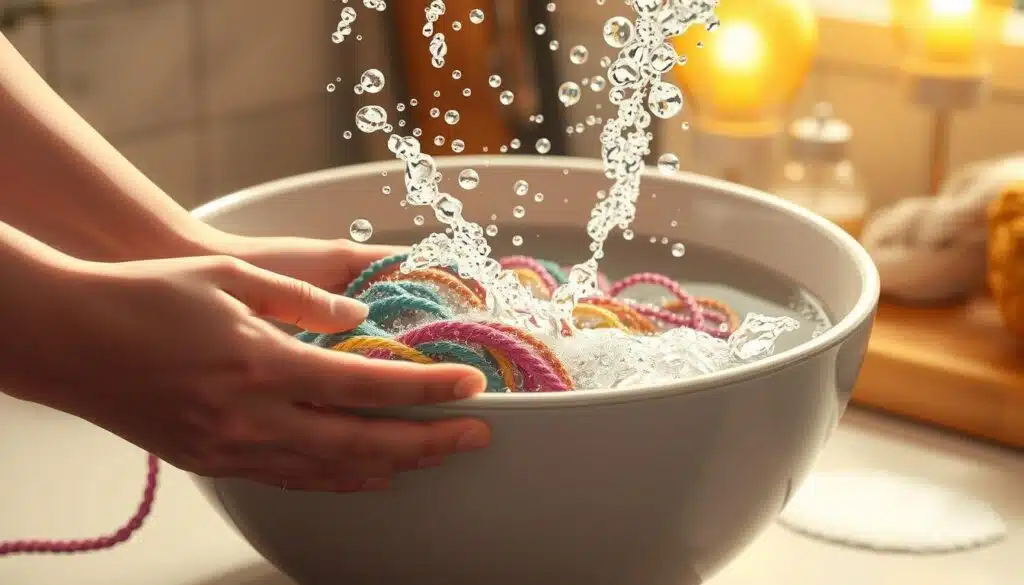
For soft fibers like wool, cashmere, or silk, hand washing is best. Use cold water and a mild detergent made for delicate fibers. Gently move the yarn around, then soak for 20 minutes. Rinse with cold water and squeeze out water without wringing.
For more tips on delicate fibers, see this guide on washing and caring for plant-dyed clothing.
Machine Washing Mysteries: Settings, Soaps, and Safety Nets
For sturdier yarns, machine washing is easy. Choose a gentle cycle with cold water and a mild detergent. Use a mesh bag to stop tangling or snagging. Don’t use fabric softener or bleach, as they can harm the yarn.
The Drying Game: Methods That Won’t Stretch or Shrink
Drying yarn needs care to avoid stretching or shrinking. Lay most yarns flat on a towel to dry, reshaping them. Don’t hang yarn to dry, as it stretches. For some yarns, use a dry towel to blot before laying flat to dry.
Yarn911: Preventing Disasters Before They Happen
Keeping your yarn projects safe is key. Whether you’re new or experienced, protecting your yarn is vital. This way, your creations will last longer.
Moth Warfare: Strategies to Protect Your Woolly Treasures
Moths can harm your yarn, mainly if it’s wool. Store your yarn in sealed containers or bags. Use moth-repellent products like cedar or lavender. Freezing your yarn can also kill moths.
“The use of cedar chips or lavender sachets can be an effective and non-toxic way to repel moths from your yarn stash.”
Tangle Taming: Prevention is Better Than Cure
Tangles are frustrating with yarn. Use a yarn ball winder to keep it tidy. Store yarn in baskets with dividers. A yarn swift helps manage yarn and prevent tangles.
Sun and Environment: The Silent Yarn Killers
Sunlight and the environment can damage yarn. Store yarn in a cool, dry place. Use UV-filtering windows or keep it shaded. Keep yarn away from moisture to prevent damage.
| Environmental Factor | Effect on Yarn | Prevention Method |
|---|---|---|
| Direct Sunlight | Fading or discoloration | UV-filtering windows or shaded storage |
| High Humidity | Moisture damage or mold | Maintain stable humidity levels |
| Dust and Pollutants | Yarn degradation | Store in airtight containers |
Pet Predicaments: Keeping Fur-Babies and Fiber Friends Separate
Keep pets away from your yarn. They might get tangled or think it’s a toy. Use yarn storage solutions that pets can’t reach.
Yarn Resurrection: Bringing Sad Skeins Back to Life
Reviving a neglected yarn stash can be very rewarding. It turns sad skeins into vibrant, usable fibers. Whether your yarn is tangled, felted, or faded, there are ways to make it look new again.
Detangling Disasters: From Knot to Not in 10 Steps
Detangling yarn can seem hard, but with a plan, you can tackle even the toughest tangles. Here’s a simple 10-step guide:
- Start by gently removing any debris or dirt.
- Identify the center of the tangle.
- Work from the outside in, teasing out strands.
- Use a yarn needle to gently pick apart knots.
- For stubborn tangles, try soaking the yarn.
- Use a detangling spray or conditioner to help ease the process.
- Work slowly and patiently, taking breaks as needed.
- As you make progress, wind the yarn into a ball.
- Check your work regularly to avoid re-tangling.
- Lastly, wash and block the yarn to restore its texture.
Felting Fiascos: Can They Be Saved?
Felting can ruin yarn for knitting or crochet, but it’s not always a lost cause. Felted yarn can be re-spun or used for felting or needle felting.
“The art of felting is not just about creating something new, but also about transforming the old into something unique.”
Thrift Store Treasures: Rehabilitating Secondhand Yarn
Secondhand yarn can be a goldmine for crafters, but it often needs fixing. First, check the yarn for damage. Then, clean it gently. If it’s felted or matted, you might need to re-spin it or use it for projects that don’t require it to be perfect.
| Yarn Condition | Rehabilitation Method |
|---|---|
| Dirty or stained | Wash gently in cold water |
| Felted or matted | Re-spin or use for felting projects |
| Tangled or knotted | Detangle carefully, working from the outside in |
Color Catastrophes: Fixing Bleeding and Fading Issues
Color bleeding or fading can ruin a beautiful yarn. To fix these issues, try re-dyeing the yarn or using a color-catching sheet in the wash. For fading, you can try to re-dye the yarn to its original color or a deeper shade.
Tip: Always test a small sample before attempting to fix color issues to ensure the desired outcome.
Tools of the Trade: Must-Have Gear for Serious Yarn Care
Take your yarn crafting to the next level with essential tools. These tools will turn a tedious task into a fun experience. As a yarn lover, you know the right gear is key to keeping your yarn in top shape and making crafting easier.
Winding Wonders: Swifts, Winders, and Nostepinnes
Swifts, winders, and nostepinnes are must-haves for yarn management. A yarn swift keeps your yarn tangle-free while you wind it. A yarn winder makes a neat ball of yarn. The nostepinne is a traditional tool for winding yarn into a center-pull ball.
Using a swift and winder together can save a lot of time. A study found that crafters using both tools saw up to 70% fewer yarn tangles.
Washing Wizardry: Specialized Soaps and Soaking Containers
It’s important to care for your yarn gently. Specialized yarn soaps clean your fibers without harming them. Use a soaking container to let the yarn relax without any movement.
Storage Superstars: Containers, Bags, and Labels
Good storage keeps your yarn organized and safe. Choose airtight containers or breathable bags for your yarn. Labels help you identify different yarns and colors. Here’s a look at some popular storage options:
| Storage Option | Pros | Cons |
|---|---|---|
| Airtight Containers | Protects from pests and moisture | Can be bulky, may not be breathable |
| Breathable Bags | Allows for airflow, compact storage | May not protect against pests |
| Labels | Easy identification, customizable | May not be durable, requires maintenance |
Blocking Brilliance: Tools for Finishing Perfection
Blocking is key to finishing your projects perfectly. Blocking mats provide a smooth surface for shaping. T-pins and blocking wires help you achieve a professional look. Get a good set of blocking tools to improve your finished projects.
Essential Yarn Care Tips Every Fiber Artist Should Know
When you first open a new skein of yarn, how you handle and store it matters a lot. Good yarn care is not just about keeping your materials in top shape. It’s also about making sure your projects last for a long time.
Handling Habits: Daily Practices for Yarn Longevity
It’s important to handle your yarn carefully to make it last longer. Always be gentle with your yarn to avoid breaking or distorting the fibers. Keep your yarn organized to prevent tangles and knots.
Using a yarn bowl or container can help keep your yarn clean and untangled. This makes your work easier and keeps your yarn in good condition.
Seasonal Shifts: Adjusting Care with the Calendar
The weather can change how your yarn feels. In humid places, moisture can cause mold or mildew on natural fibers. On the other hand, dry air can make some yarns brittle.
Change how you store your yarn with the seasons. Use containers that breathe in wet weather and humidifiers in dry places. This helps keep your yarn stash in the best condition.
Yarn on the Go: Travel Tips for Mobile Crafters
If you’re always on the move, you need to plan how to take your yarn. Use protective cases or bags to keep it safe from dust and damage. Wind your yarn into easy-to-carry formats like center-pull balls or small skeins to avoid tangles.
| Yarn Care Tip | Benefit |
|---|---|
| Gentle handling | Prevents fiber breakage |
| Proper storage | Maintains yarn quality |
| Seasonal adjustments | Protects against environmental damage |
Conclusion: Wrapped Up in Proper Care
Proper yarn care is more than a simple task. It’s an art that keeps your creations looking great for a long time. By knowing your yarn’s type, organizing your stash, and learning how to wash and store it, you’re making your projects last longer.
It’s not just about keeping your yarn in good shape. It’s also about keeping the story of each stitch alive. Whether you work with wool, plant-based fibers, or synthetic yarns, the right care makes a big difference.
A good yarn care summary covers handling tips, seasonal changes, and travel advice. By following these tips, your projects will stay beautiful for years. This shows the importance of taking good care of your yarn.
With the right care, your yarn becomes a trusted friend in your creative journey. So, treat your yarn with love. It will continue to inspire you to make something new and special.
FAQ
How often should I wash my yarn?
Washing frequency depends on the yarn’s fiber and use. It’s wise to wash yarn before starting a project. This removes dirt or oils that could harm the final product.
What’s the best way to store yarn to prevent pests?
Store yarn in airtight containers or bags to keep pests away. Adding natural deterrents like cedar chips or lavender sachets can also help.
Can I machine wash all types of yarn?
No, not all yarns can be machine washed. Delicate fibers like silk and cashmere need hand washing. But, fibers like acrylic and cotton can usually be machine washed on a gentle cycle.
How do I prevent yarn from tangling?
To avoid tangling, store yarn to unwind smoothly. Use a yarn ball winder or yarn cake. Yarn storage bags or containers with dividers also help keep skeins separate.
What’s the best way to dry yarn after washing?
Drying methods vary by fiber type. Most yarns should dry flat, away from sunlight. Wool can be dried on a rack or hung to keep its shape.
How can I revive a yarn that’s been damaged or neglected?
To revive damaged yarn, start by gently cleaning it. Then, use detangling, blocking, or re-carding to restore its texture and look.
What are the essential tools for yarn care?
Key tools for yarn care include yarn ball winders and storage containers. You’ll also need specialized soaps and blocking tools like mats and pins.
How do I care for yarn when traveling?
When traveling with yarn, use a protective case or bag. Keep it away from sunlight. Pack a small yarn care kit with essentials like a yarn needle and scissors.
Can I use regular laundry detergent to wash my yarn?
No, regular laundry detergent is too harsh for yarn. Use a mild soap or yarn wash designed for delicate fibers instead.