Micro crochet represents one of the most delicate and intricate forms of needlework in the fiber arts world. Working with thread-sized yarns and hooks smaller than 1.5mm, crafters create impossibly small objects that challenge both skill and patience. As of 2026, this specialized technique has gained significant attention among crocheters seeking new challenges, particularly in the amigurumi community where miniature creations delight collectors and artisans alike.
Understanding micro crochet’s unique characteristics, inherent challenges, and the satisfying rewards it offers can help beginners decide whether to venture into this demanding yet fulfilling craft. While the learning curve may seem steep, the journey offers unexpected benefits that extend far beyond creating tiny treasures.
What Makes Micro Crochet Unique
Micro crochet distinguishes itself through its specialized materials and extraordinary attention to detail. Unlike standard crochet that uses worsted weight yarn and hooks ranging from 3.5mm to 6mm, micro crochet employs steel hooks as small as 0.6mm or 0.75mm, working with fine crochet thread, embroidery floss, or ultra-thin yarn. The resulting stitches measure mere millimeters across, creating finished pieces that can sit comfortably on a fingertip.

This miniature scale enables crafters to produce remarkably detailed work. Each stitch becomes visible and significant, allowing for intricate patterns that would be impossible to achieve with larger materials. Texture variations, color work, and shaping techniques take on entirely new dimensions when executed at this scale. A micro crochet flower might measure only one centimeter across yet contain dozens of precisely placed stitches.
The portability of micro crochet projects offers another distinctive advantage. A complete project with all necessary materials can fit inside a small pouch or even a pocket. This convenience allows crafters to work virtually anywhere, transforming waiting rooms, commutes, and travel time into productive creative sessions. The compact nature of materials and works-in-progress makes micro crochet ideal for crafters with limited storage space.
Physical and Technical Challenges
Working at micro scale presents significant physical demands that differ substantially from standard crochet. The tiny hooks require a modified grip, often held more like a pencil than the traditional knife or pencil hold used with larger hooks. This adjustment can cause hand fatigue initially as muscles adapt to the unfamiliar position and the delicate control required.
Eye strain represents perhaps the most common complaint among micro crocheters. Focusing on stitches measuring one or two millimeters for extended periods taxes the visual system considerably. Many practitioners invest in magnifying lamps, clip-on magnifiers, or specialized craft glasses to reduce strain. According to research on eye health and detailed work, taking regular breaks every twenty minutes helps prevent fatigue and maintains focus during intricate tasks.
Tension control becomes exponentially more challenging at micro scale. With standard crochet, slight variations in tension may go unnoticed or cause minor inconsistencies. In micro crochet, however, even tiny tension differences create visible irregularities that can distort the final piece. Developing consistent tension requires considerable practice, as the fine thread provides less tactile feedback than thicker yarns.
Thread management also demands attention. Fine crochet threads tangle more easily than yarn, and working with multiple colors simultaneously for intricate patterns requires careful organization. The thread can split when pierced by the hook, creating frustration for beginners. Learning to recognize when the hook has caught only part of the thread versus the full strand takes time and experience.
Mental Benefits and Cognitive Rewards
Despite its challenges, micro crochet offers remarkable cognitive benefits that extend beyond the craft itself. The intense concentration required engages the mind fully, creating a meditative state that reduces stress and anxiety. This focused attention pushes aside worrying thoughts and daily concerns, providing mental respite similar to mindfulness practices. As documented by researchers studying textile arts, repetitive crafting activities promote relaxation and mental well-being.
Problem-solving skills develop naturally through micro crochet practice. The scale requires crafters to think spatially about how stitches interact, how increases and decreases affect shape, and how to achieve desired results with minimal material. Adapting standard patterns to micro scale demands mathematical thinking and creative engineering, strengthening analytical capabilities.
The precision required by micro crochet cultivates patience and attention to detail that transfers to other life areas. Practitioners report improved focus in professional settings, greater tolerance for complex tasks, and enhanced ability to notice subtle details in their environment. These cognitive benefits accumulate gradually, rewarding consistent practice with improved mental acuity.
Beginner-Friendly Starting Points
New micro crocheters should begin with simple shapes and gradually progress to more complex forms. Starting with basic circles, spheres, or simple flowers allows beginners to develop tension control and hook handling without the frustration of complicated patterns. These foundational skills transfer directly to more ambitious projects once mastered.
Selecting appropriate materials significantly impacts the beginner experience. Size 10 or 8 crochet thread paired with a 1.25mm or 1.5mm steel hook provides an accessible entry point. These materials remain small enough to qualify as micro crochet while offering more forgiveness than the tiniest options. As skills improve, crafters can gradually transition to finer threads and smaller hooks.
Proper lighting and magnification tools prove invaluable for beginners. A bright, focused light source positioned to eliminate shadows combined with a magnifying lens or glasses reduces eye strain substantially. Many crafters find that investing in quality lighting equipment early prevents discouragement and supports longer, more enjoyable practice sessions.
Working in short sessions helps prevent physical fatigue while building skills progressively. Fifteen to twenty-minute practice periods maintain focus without overtaxing hands or eyes. According to sleep and rest research, taking regular breaks during detailed work supports better performance and reduces the risk of repetitive strain injuries.
Creating Miniature Amigurumi
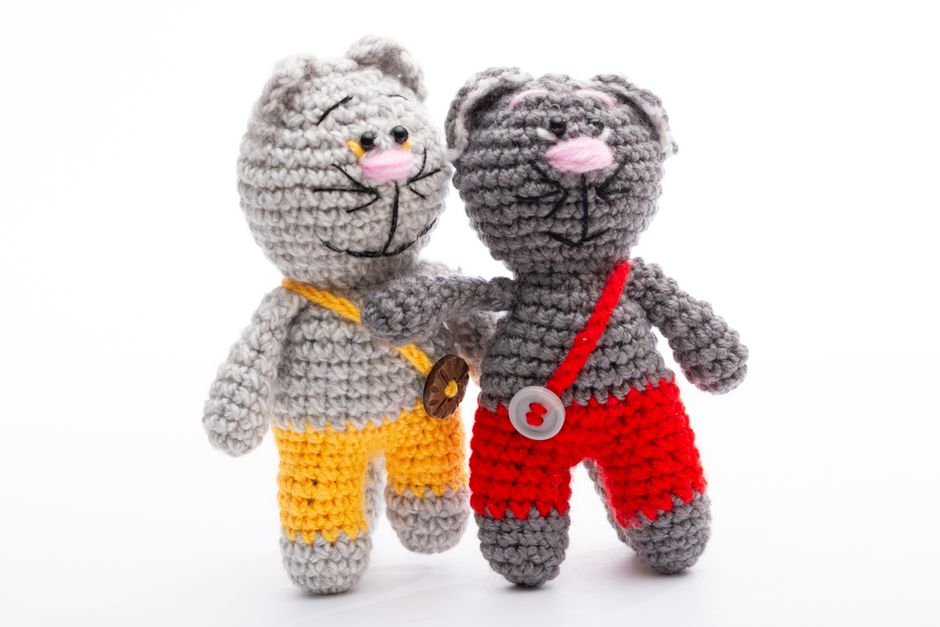
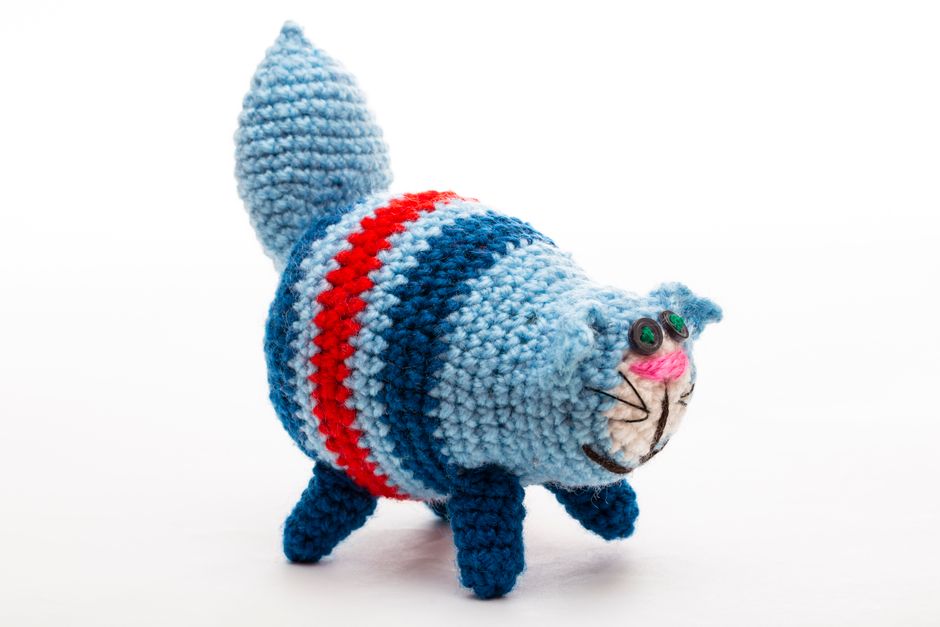
Micro amigurumi represents one of the most popular applications of this technique, creating adorable miniature creatures and characters. These tiny treasures work up quickly despite their small size, with simple projects completing in just a few hours. The satisfaction of creating a perfectly formed miniature animal or character provides immediate gratification that motivates continued practice.
Pattern reading skills develop rapidly through micro amigurumi projects. The abbreviated nature of miniature patterns requires crafters to understand construction principles rather than following lengthy row-by-row instructions. This deeper comprehension enables pattern adaptation and original design development, empowering crafters to create unique pieces.
Finishing techniques take on particular importance in micro amigurumi. Weaving in ends, attaching tiny features, and achieving clean edges become critical skills at this scale. Learning to work invisible decreases, create smooth color transitions, and attach parts seamlessly produces professional-looking results that showcase craftsmanship.
Building Skills and Community
The micro crochet community offers exceptional support for beginners navigating this challenging craft. Online forums, social media groups, and video tutorials provide abundant resources for troubleshooting common issues. Experienced practitioners generously share tips for tension control, material selection, and technique refinement, creating a welcoming environment for newcomers.
Documenting progress through photography celebrates achievements and tracks skill development. Comparing early attempts with later projects reveals growth that might otherwise go unnoticed during daily practice. Many crafters maintain project journals or social media accounts dedicated to their micro crochet journey, finding motivation in visible improvement over time.
Setting incremental goals maintains momentum during the learning process. Rather than attempting complex patterns immediately, successful beginners establish progressive challenges that build competence systematically. Completing a series of simple shapes, mastering color changes, or creating a set of miniature items provides structured advancement that prevents overwhelm while ensuring steady progress.
Conclusion
Micro crochet challenges practitioners with unique physical and technical demands while rewarding dedication with exceptional cognitive benefits and creative satisfaction. The specialized nature of this craft requires patience during the learning phase, but beginners who approach it systematically discover a deeply rewarding artistic practice. Starting with appropriate materials, maintaining realistic expectations, and engaging with the supportive micro crochet community creates conditions for success. As skills develop through consistent practice, the seemingly impossible becomes achievable, transforming tiny threads into extraordinary miniature creations that showcase both technical mastery and artistic vision.