The term “doppelbett strickmaschine” refers to a double-bed knitting machine, a sophisticated textile creation tool that has revolutionized how crafters approach knitting projects. While traditional hand-knitting techniques remain beloved by artisans worldwide, understanding machine knitting opens new possibilities for creators who want to expand their textile crafting repertoire. In 2026, the intersection of traditional techniques and modern machinery continues to fascinate makers across all skill levels.
Understanding Double-Bed Knitting Machines
A double-bed knitting machine, or doppelbett strickmaschine in German, consists of two needle beds positioned opposite each other. This configuration allows crafters to create complex stitch patterns, ribbing, and double-knit fabrics that would be extremely time-consuming to produce by hand. The dual-bed system enables needles from both beds to work together, creating intricate textures and structural possibilities that single-bed machines cannot achieve.
The fundamental advantage of double-bed machines lies in their versatility. Crafters can produce everything from simple ribbed edges to elaborate Fair Isle patterns, tuck stitches, and fully reversible fabrics. The mechanical precision ensures consistent tension and stitch size throughout projects, making these machines particularly valuable for creating garments, accessories, and home textiles that require uniformity.
Understanding textile machinery enriches any crafter’s perspective on fabric construction. According to Britannica’s overview of knitting machines, the development of mechanical knitting technology transformed textile production and continues to influence how we create fabric today.
How Double-Bed Machines Differ From Hand Crafting
While hand crochet and knitting provide intimate control over every stitch, machine knitting offers speed and consistency. A double-bed knitting machine can produce fabric at rates dozens of times faster than hand-knitting, making it ideal for production work or large projects. However, this doesn’t diminish the value of hand techniques—rather, it represents a different approach to textile creation.

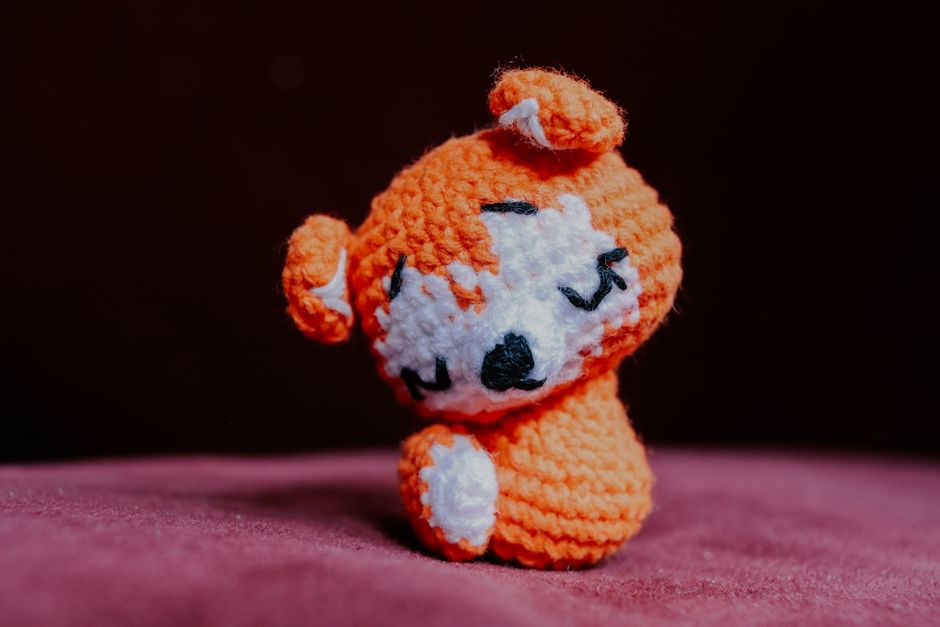
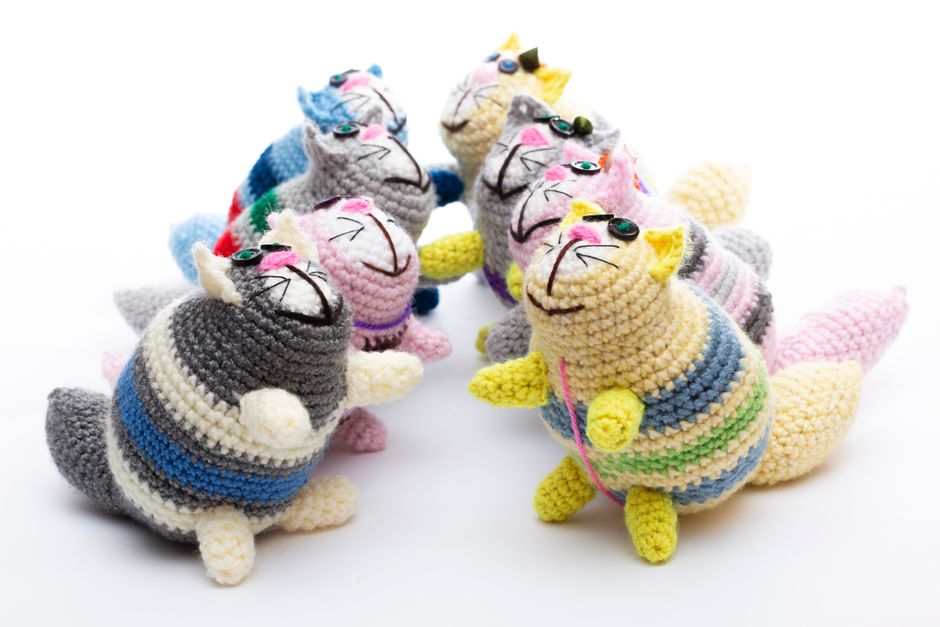
Hand crochet, for instance, creates a fundamentally different fabric structure than knitting machines produce. Crochet stitches interlock in unique ways that machines cannot replicate, which is why amigurumi patterns remain exclusively hand-crafted. The dimensional shaping, texture variations, and creative freedom of crochet make it irreplaceable for projects like stuffed toys, decorative items, and sculptural textiles.
Many textile artists in 2026 embrace both approaches, using machine knitting for base fabrics and garments while employing hand techniques for embellishments, finishing touches, and specialized projects. This hybrid approach maximizes efficiency while preserving the artistry that makes handmade items special.
Applications for Machine-Knitted Projects
Double-bed knitting machines excel at creating specific types of projects. Sweaters, scarves, blankets, and socks benefit enormously from the speed and consistency these machines provide. The ability to create ribbed cuffs and hems seamlessly integrated into garments saves countless hours compared to hand-knitting these structural elements.

Commercial knitwear designers rely heavily on double-bed machines for sampling and small-batch production. The machines allow rapid prototyping of design ideas, enabling creators to test patterns, gauge swatches, and colorwork combinations before committing to full production. This iterative design process would be prohibitively time-consuming using only hand techniques.
Home textile crafters use these machines to create coordinated items for interior design projects. Matching pillow covers, throws, and curtain panels can be produced with consistent quality and texture. The precision of machine knitting ensures that all pieces in a set maintain identical gauge and appearance, creating professional-looking results.
Why Hand Crochet Remains Essential
Despite the efficiency of knitting machines, hand crochet maintains its unique position in textile arts. The structure of crochet stitches—created by pulling loops through other loops using a single hook—produces fabric with properties machines cannot duplicate. Crochet fabric typically has more body, drapes differently, and offers three-dimensional shaping possibilities that make it perfect for sculptural projects.
Amigurumi, the Japanese art of crocheting small stuffed creatures and objects, demonstrates why hand techniques remain irreplaceable. The ability to work in continuous rounds, increase and decrease strategically, and create organic shapes requires the flexibility and decision-making that only hand-crafting provides. Each stitch can be adjusted on the fly, and the fabric naturally forms rounded, stuffed shapes that define amigurumi aesthetics.
The tactile connection between crafter and project matters too. Many makers in 2026 report that hand-crocheting provides meditative benefits and creative satisfaction that machine work cannot replicate. The rhythm of stitching, the immediate feedback of yarn and hook, and the portable nature of crochet projects contribute to its enduring popularity.
Research into crafting and wellbeing continues to demonstrate positive effects. While not specific to crochet, studies on repetitive handwork show promise for stress reduction, which many crafters experience firsthand. The focused attention required for following relaxation routines shares characteristics with the meditative aspects of crafting.
Choosing Between Machine and Hand Techniques
Selecting the appropriate technique depends entirely on project goals, available time, and desired outcomes. Machine knitting suits projects requiring large quantities of flat or tubular knitted fabric with consistent gauge. Hand techniques excel when flexibility, portability, texture variety, or sculptural shaping takes priority.
Beginners in textile arts often start with hand techniques because the initial investment is minimal—a hook or needles and some yarn suffice to begin creating. Machine knitting requires significant upfront costs, space for equipment, and a steeper learning curve regarding machine operation and maintenance. However, for those committed to producing knitted items in quantity, the investment pays dividends in time savings.
For crocheters specifically, understanding knitting—whether by hand or machine—provides valuable insight into fabric structure and garment construction. Many experienced makers develop skills across multiple techniques, selecting the best tool for each project. This comprehensive skill set enables greater creative expression and practical versatility.
Integrating Different Textile Techniques
The most innovative textile projects in 2026 often combine multiple techniques. A machine-knitted sweater body might feature hand-crocheted edging, buttons, or appliqués. Conversely, hand-crocheted garments sometimes incorporate machine-knitted panels for areas requiring fine gauge or specific drape characteristics.
Understanding diverse techniques enriches any maker’s creative practice. A crocheter who learns about knitting machines gains appreciation for different fabric properties and construction methods. This knowledge informs design choices even when working exclusively by hand, as it expands understanding of how textiles behave and can be manipulated.
Pattern designers increasingly create hybrid projects that leverage multiple techniques’ strengths. These innovative designs push boundaries of what handmade textiles can achieve, creating items that showcase the maker’s versatile skill set while optimizing the creation process for both efficiency and aesthetic impact.
Conclusion
While double-bed knitting machines represent impressive technological achievements in textile creation, they occupy a different niche than hand techniques like crochet. Each approach offers unique advantages: machines provide speed and consistency for knitted fabrics, while hand crochet enables sculptural creativity, portability, and meditative crafting experiences. Understanding both worlds enriches any maker’s perspective, even if they choose to specialize in one technique. For those passionate about amigurumi and hand crochet, appreciating machine knitting’s capabilities contextualizes their chosen craft’s special qualities—the intimate control, creative flexibility, and personal connection that make hand-crocheted items truly unique treasures in 2026’s diverse textile landscape.