The world of yarn crafting has evolved dramatically, with knitting machines offering crafters the ability to create projects faster than traditional hand knitting. Whether you’re a dedicated crocheter exploring new creative avenues or a knitter looking to expand your capabilities, understanding the landscape of knitting machines can help you make an informed decision. This comprehensive guide reviews the latest knitting machines available in 2026, helping you choose the right tool for your crafting journey.
Understanding Different Types of Knitting Machines
Knitting machines come in various configurations, each suited to different skill levels and project types. Flatbed knitting machines are the most common for home crafters, featuring a stationary bed with needles that create flat panels of knitted fabric. These machines range from simple manual models to sophisticated electronic versions with multiple needle beds.
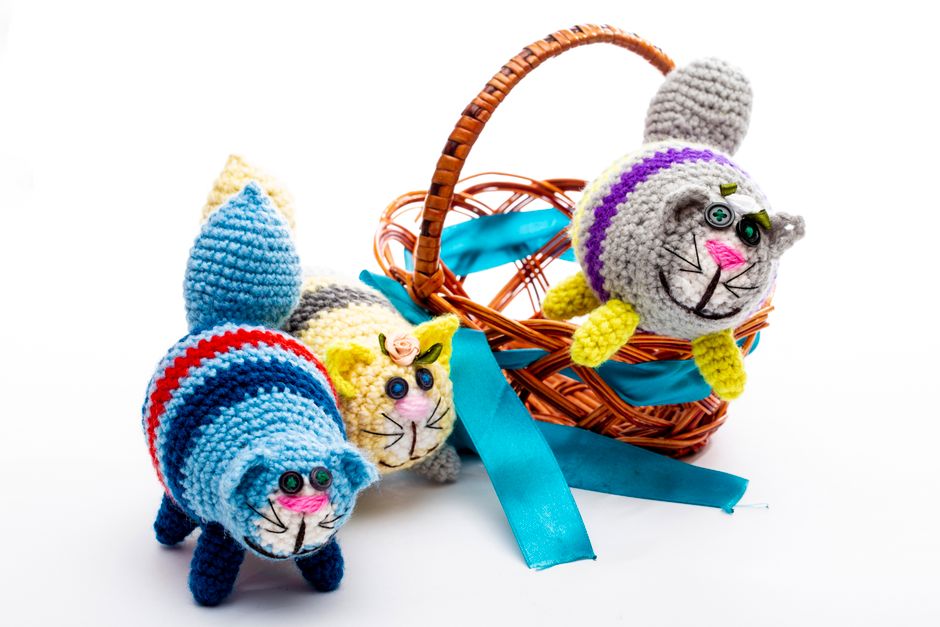
Circular knitting machines create tubular fabric, making them ideal for hats, socks, and seamless garments. They’re particularly popular among crafters who want to produce items quickly for sale or charity. For those interested in creating three-dimensional items similar to amigurumi, understanding how knitting machines can complement your existing crochet skills opens new creative possibilities.
Bond-style machines represent the entry-level category, offering simplicity and affordability. These manual machines typically have 100 needles and work well for beginners learning machine knitting basics. Mid-gauge machines like punch card models provide more versatility with pattern creation, while electronic machines offer computerized pattern control and advanced features that experienced crafters appreciate.
Top-Rated Manual Knitting Machines
Manual knitting machines remain popular among crafters who appreciate hands-on control and don’t require electronic complexity. The Addi Express King Size consistently receives high marks for its user-friendly design and ability to create scarves, blankets, and circular projects. Its 46-needle capacity makes it suitable for a variety of projects, and the manual crank system gives crafters direct feedback on tension and stitch formation.
The Sentro Knitting Machine has gained significant attention in crafting communities for its affordability and reliability. With options ranging from 22 to 48 needles, these machines excel at creating tubes for hats, scarves, and even sleeves. Many crocheters find the Sentro an excellent complement to their existing skills, allowing them to quickly produce knitted bases that can be embellished with crochet details.
For those seeking more traditional flatbed options, refurbished vintage machines like the Bond Classic or Singer machines offer robust construction and simplicity. These machines may require some learning curve, but they provide excellent value and can handle a wide range of yarn weights. The mechanical nature of these machines means fewer electronic components to malfunction, contributing to their longevity.
Just as regular physical activity contributes to overall wellness according to CDC guidelines, engaging in regular crafting activities provides both mental stimulation and fine motor skill development that benefits crafters of all ages.
Electronic and Computerized Machine Options
Electronic knitting machines represent a significant investment but offer capabilities that manual machines cannot match. The Silver Reed LK150 mid-gauge machine stands out as an excellent intermediate option, featuring 150 needles and compatibility with electronic patterning devices. This machine handles yarns from lace weight to worsted, making it versatile for various project types.

For crafters ready to invest in professional-grade equipment, the Brother KH970 electronic machine remains a gold standard despite being a vintage model. These machines command premium prices on the secondary market because of their reliability and advanced patterning capabilities. The built-in pattern memory and automatic carriage functions streamline the knitting process significantly.
The Prym Maxi Knitting Mill offers a bridge between simple manual machines and complex flatbed options. Its large format and easy threading system make it accessible to beginners while still providing enough functionality for experienced crafters. The ability to create wide panels quickly makes it particularly appealing for those producing blankets, shawls, or other large accessories.
Modern electronic machines often include USB connectivity, allowing crafters to upload custom patterns directly from design software. This integration between digital design and physical production mirrors the way modern crocheters use PDF patterns, creating a seamless workflow from inspiration to finished product.
Key Features to Consider Before Buying
Gauge selection significantly impacts what projects you can create with your knitting machine. Standard gauge machines (typically 4.5mm needle spacing) work well with worsted and DK weight yarns, covering the majority of common projects. Fine gauge machines accommodate thinner yarns for delicate work, while bulky gauge machines handle chunky yarns that create quick, cozy projects.
Needle count determines the maximum width of your knitted panels. Consider what types of projects you plan to create most frequently. A 100-needle machine produces panels approximately 18 inches wide with standard gauge, suitable for scarves and smaller garments. Larger machines with 200+ needles can create adult sweater bodies in single pieces.
Pattern capability varies dramatically across machine types. Manual machines rely on hand-manipulated techniques for patterns, while punch card machines use perforated cards to control needle selection. Electronic machines offer the most flexibility, storing hundreds of patterns and allowing custom design uploads. Consider whether you’ll primarily create simple stockinette or desire complex colorwork and lace patterns.
Portability matters for crafters with limited space or those who attend crafting groups. Circular machines and smaller manual options fold down and store easily, while large flatbed machines require dedicated workspace. Understanding the historical development of textile machinery, as documented by Britannica, helps contextualize these modern crafting tools.
Integrating Machine Knitting with Crochet Projects
Many experienced crocheters discover that knitting machines complement rather than replace their existing skills. Machine-knitted bases provide smooth, even fabric perfect for adding crochet embellishments. Creating machine-knitted sweater bodies and then finishing with crocheted edges, collars, or decorative elements combines the speed of machine work with the textural interest of handwork.
For amigurumi enthusiasts, machine knitting opens possibilities for creating knitted components that can be assembled and embellished using crochet techniques. While true amigurumi relies on crochet’s ability to create tight, sculptural stitches, hybrid projects incorporating machine-knitted elements expand creative options. Flat-knitted pieces can become backgrounds for appliqué work or components in mixed-media fiber art.
The repetitive nature of machine knitting handles production of simple, consistent fabric efficiently, freeing crafters to focus their hand-crafting energy on detailed work requiring personal touch. This division of labor approach maximizes productivity while maintaining the satisfaction of handmade creation. Many crafters report that dedicating time to both machine and hand techniques, much like maintaining good sleep hygiene as recommended by the Sleep Foundation, creates a balanced and sustainable crafting practice.
Maintenance and Long-Term Ownership Costs
Proper maintenance extends the life of any knitting machine significantly. Regular cleaning removes fiber debris that accumulates in the needle bed and carriage mechanisms. Most manufacturers recommend brushing out the machine after each use and applying specialized machine oil to moving parts monthly. This simple routine prevents most common mechanical failures.
Replacement parts availability varies considerably between brands and models. Popular current-production machines like the Silver Reed line have readily available parts through official distributors. Vintage machines may require sourcing parts through specialty suppliers or online marketplaces. Before purchasing any machine, research parts availability and typical maintenance requirements.
Investment in quality yarn pays dividends with machine knitting. While machines can technically handle budget yarns, high-quality fibers with consistent thickness and minimal debris produce better results and cause fewer mechanical issues. Many machine knitters find that the yarn savings from avoiding hand-knitting time offsets the initial machine investment within the first year of regular use.
Learning resources significantly impact the ownership experience. Machines with active user communities, comprehensive manuals, and available video tutorials provide smoother learning curves. Online forums and social media groups dedicated to specific machine brands offer troubleshooting help and pattern inspiration that enhances the overall crafting experience.
Conclusion
Choosing the right knitting machine depends on your specific goals, budget, and existing crafting skills. Manual circular machines offer excellent entry points for crocheters curious about machine knitting, providing quick results without overwhelming complexity. Mid-range flatbed machines suit dedicated crafters ready to invest in versatile equipment capable of handling diverse projects. Electronic machines reward experienced crafters with advanced capabilities and pattern flexibility.
The best machine for you aligns with your creative vision and production needs. Whether you’re supplementing your crochet work with machine-knitted elements or diving fully into machine knitting, the current market offers options for every skill level and budget. Research thoroughly, join communities of users, and consider starting with a more modest machine to develop skills before investing in professional-grade equipment. The combination of traditional handcrafting skills with modern machine capabilities creates exciting possibilities for fiber artists in 2026 and beyond. For more detailed insights, check out our Knitting Machines Reviews: Expert Guide 2026 to help you make an informed decision. You might also be interested in other crafting tools like finding quality looms near me in 2026, which can complement your machine knitting endeavors. If you’re looking for projects, consider a simple waistcoat pattern free beginner guide.