The world of crochet has expanded dramatically in recent years, with amigurumi—the Japanese art of crocheting small, stuffed yarn creatures—leading the charge in popularity. While digital patterns have become increasingly accessible, crochet books remain an invaluable resource for crafters seeking comprehensive guidance, inspiration, and structured learning. Whether you’re a complete beginner or an experienced crocheter looking to expand your skills, understanding what makes a great crochet book can transform your crafting journey.
Why Crochet Books Still Matter in the Digital Age
In 2026, despite the abundance of online tutorials and downloadable PDF patterns, physical and digital crochet books continue to offer unique advantages. Books provide curated collections of patterns with consistent styling, terminology, and difficulty progression that random internet searches simply cannot match. They offer a cohesive learning experience, taking you from basic stitches to complex creations without the fragmentation of jumping between multiple websites.
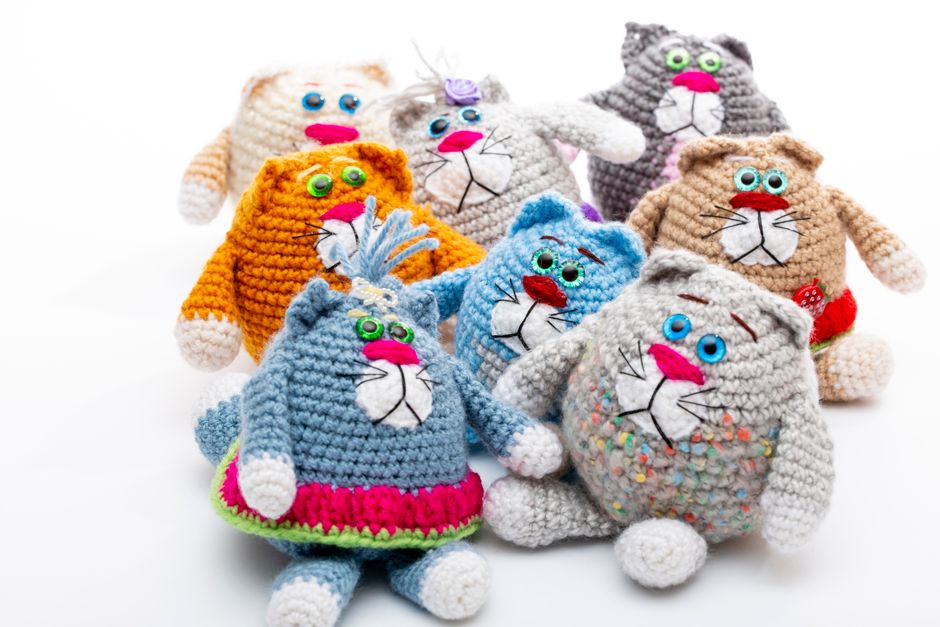
Many crocheters find that books reduce screen fatigue during crafting sessions. While following a pattern on a tablet or phone requires constant unlocking and scrolling, a book stays open to your page, marked with a simple bookmark or clip. This tactile experience also allows you to make notes directly in margins, track modifications, and create a personalized reference that grows with your skills.
For amigurumi enthusiasts specifically, books often include comprehensive sections on essential techniques like invisible decreases, color changes, and assembly methods that transform separate crocheted pieces into cohesive stuffed creations. This structured approach helps crafters build a solid foundation rather than picking up fragmented skills from various sources.
The Benefits of Physical Reference Materials
According to research on learning and retention, physical books can enhance comprehension and memory formation. When learning a new craft skill, the ability to flip back and forth between instruction pages, compare diagrams side-by-side, and create a spatial memory of where information appears in a book can significantly improve skill acquisition. This tactile engagement creates multiple pathways for information retention that purely digital experiences may not replicate.
Types of Crochet Books for Different Learning Styles
Not all crochet books serve the same purpose, and understanding the different categories can help you build a reference library that truly supports your crafting goals. Beginner books focus on foundational techniques, often featuring large photographs, step-by-step diagrams, and simple projects that build confidence. These books typically explain yarn weights, hook sizes, reading patterns, and basic stitch types in detail.
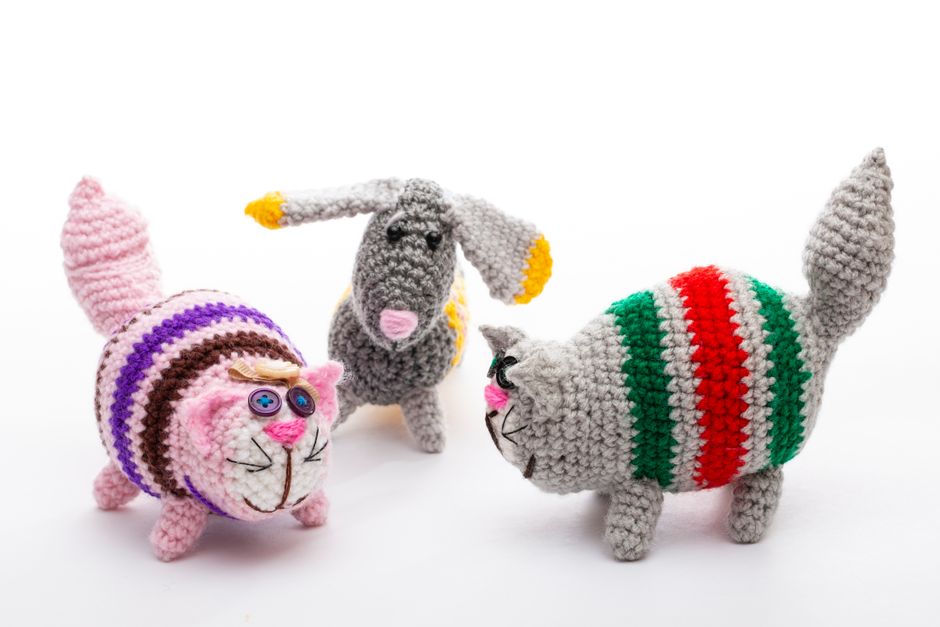
Pattern collection books, on the other hand, assume basic competency and offer dozens of projects within a specific theme or style. Amigurumi pattern books might feature entire menageries of animals, fantasy creatures, or seasonal decorations. These collections provide variety while maintaining consistent difficulty levels and design aesthetics.
Technique-focused books dive deep into specific aspects of crochet, such as colorwork, texture stitches, or advanced shaping methods. For amigurumi crafters, specialized technique books might cover topics like creating realistic features, working with wire armatures for poseable figures, or mastering seamless construction methods.
Reference encyclopedias serve as comprehensive guides to stitches, techniques, and problem-solving. These books belong on every serious crocheter’s shelf, offering solutions when patterns use unfamiliar terminology or when you need to troubleshoot gauge issues, yarn substitutions, or construction challenges.
Essential Features to Look for in Quality Crochet Books
When selecting crochet books, certain features distinguish exceptional resources from mediocre ones. Clear, well-lit photography showing projects from multiple angles helps you visualize the finished result and identify whether you’ve correctly executed techniques. Many modern crochet books include supplementary video content accessible through QR codes, bridging the gap between traditional books and digital resources.
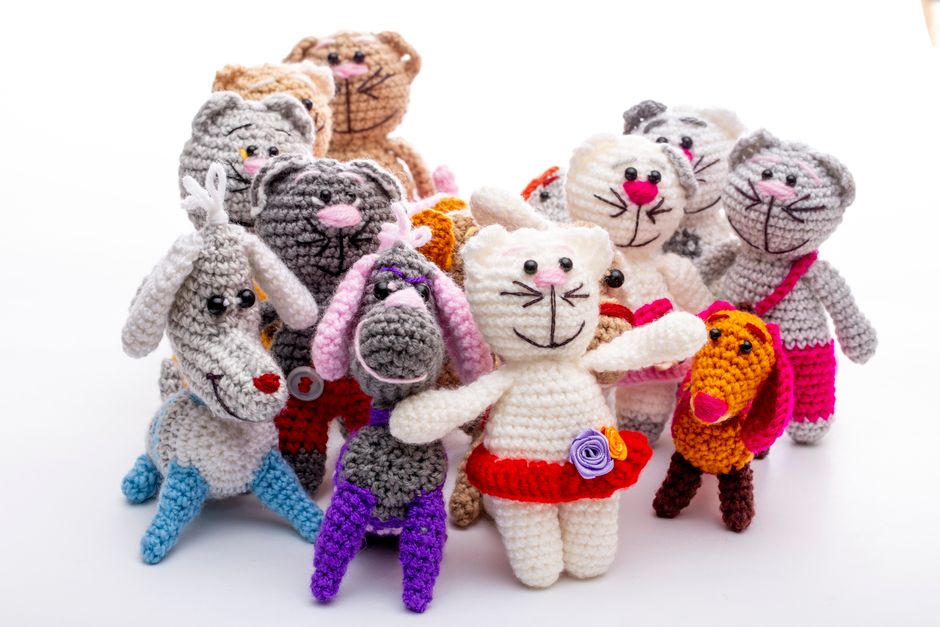
Pattern clarity is paramount. Look for books that use standard crochet abbreviations with a comprehensive key, provide both written instructions and chart representations when appropriate, and include detailed materials lists with specific yarn weights and yardage requirements. For amigurumi books specifically, assembly instructions should be thorough, ideally accompanied by diagrams showing how pieces connect.
Skill level indicators help you choose appropriate projects, though it’s worth noting that these ratings aren’t standardized across publishers. A “beginner” project in one book might be more challenging than an “intermediate” project in another. Reading through pattern instructions before starting can help you accurately assess whether a project matches your current abilities.
Helpful books also include sections on troubleshooting common mistakes, adapting patterns for different sizes or yarn weights, and understanding gauge—the number of stitches and rows per inch that determines finished project dimensions. These educational components transform a simple pattern collection into a true learning resource.
Building Your Crochet Book Collection Strategically
Rather than accumulating crochet books randomly, thoughtful collection building ensures you have references that genuinely support your crafting journey. Start with one comprehensive beginner’s guide that covers all basic techniques, stitch types, and foundational skills. This becomes your go-to reference when you encounter unfamiliar terms or need to refresh your memory on specific techniques.
Next, add books that align with your specific interests. If amigurumi captivates you, invest in pattern collections featuring the types of creatures or characters you want to create. Look for books by designers whose aesthetic matches your preferences—some amigurumi artists favor realistic proportions, while others embrace cartoonish exaggeration.
As your skills progress, technique-specific books become valuable investments. Books focusing on advanced colorwork, texture stitches, or sculptural shaping can elevate your projects from simple to sophisticated. These specialized resources often reveal techniques that transform basic patterns into unique, personalized creations.
Consider the long-term value of each book purchase. Collections with timeless designs rather than trendy characters offer lasting inspiration. Books printed on durable paper with lay-flat binding provide better usability than those with tight binding that won’t stay open on your work surface.
The Value of Craft Time for Well-being
Beyond skill development, engaging in regular craft activities like crochet offers measurable benefits for mental and physical well-being. The rhythmic, repetitive nature of crochet can create a meditative state that reduces stress and anxiety. Research on sleep quality suggests that engaging in calming, focused activities before bedtime can improve sleep onset and quality, making evening crochet sessions particularly beneficial.
The gentle movements involved in crochet also provide light physical activity that keeps hands and fingers nimble. While crochet shouldn’t replace more vigorous exercise recommended by CDC physical activity guidelines, the fine motor skills it develops contribute to overall hand health and dexterity maintenance.
Digital Versus Physical: Finding Your Balance
Modern crocheters aren’t limited to choosing between physical books and digital patterns—the most successful crafters leverage both formats strategically. Physical books excel for learning new techniques, providing reliable references, and offering inspiration during casual browsing. Their permanence means you won’t lose access if a website goes offline or a digital file becomes corrupted.
Digital patterns, like those available through Crochet Craze’s extensive PDF pattern library, offer immediacy, searchability, and space efficiency. You can instantly download patterns at any hour, store thousands of designs without physical storage requirements, and easily search your digital library for specific terms or project types.
Many crafters maintain a hybrid approach: investing in physical books for foundational references and favorite designers while building a digital library of specific patterns for individual projects. This strategy provides the best of both worlds—the tactile satisfaction and reliability of physical books combined with the convenience and variety of instant digital downloads.
According to historical records on textile arts, crochet techniques have been passed down through generations via both written and oral traditions, with patterns evolving as they traveled across cultures and communities. Today’s combination of physical books and digital resources continues this rich tradition of knowledge sharing while leveraging modern technology for accessibility.
Making the Most of Your Crochet Books
Owning excellent crochet books is only valuable if you actively use them. Create a system for organizing your collection—whether by technique, project type, or difficulty level—so you can quickly locate the resource you need. Consider keeping a crafting journal where you note which patterns you’ve completed from each book, modifications you made, and ideas for future projects.
Don’t be afraid to mark up your books with notes, corrections, or personal modifications. Use sticky notes to flag favorite patterns, highlight particularly useful technique explanations, or mark pages you want to return to. These personal annotations transform generic books into customized references tailored to your specific crafting style and preferences.
Join online communities where you can discuss books with other crocheters, share pattern reviews, and discover new titles you might have overlooked. Many publishers and designers maintain active social media presences where they share behind-the-scenes content, answer questions about their books, and announce new releases.
Conclusion
Crochet books remain essential tools for crafters at every skill level, offering structured learning experiences, curated pattern collections, and reliable references that complement the immediacy of digital resources. By thoughtfully building a collection that matches your interests and skill progression, you create a personal library that supports your creative journey for years to come. Whether you’re drawn to detailed amigurumi creatures, textured garments, or decorative home accessories, the right books provide both inspiration and instruction to bring your crochet visions to life. Combined with accessible digital patterns and supportive crafting communities, crochet books help transform simple yarn and hooks into handmade treasures that reflect your unique creative voice.