Amigurumi, the Japanese art of crocheting adorable stuffed toys and figures, has captured the hearts of crafters worldwide. Whether you’re a beginner picking up a hook for the first time or an experienced crocheter looking to expand your repertoire, free amigurumi crochet patterns offer an accessible entry point into this delightful craft. This comprehensive guide explores everything you need to know about finding, using, and mastering free amigurumi patterns in 2026.
Understanding Amigurumi Basics
Amigurumi combines simple crochet techniques to create three-dimensional figures ranging from cute animals and fantasy creatures to food items and everyday objects. The craft typically uses basic stitches like single crochet, increases, and decreases worked in continuous rounds or joined rounds to create seamless shapes. Unlike traditional crochet projects, amigurumi pieces are usually worked with a smaller hook relative to the yarn weight, creating a tight fabric that prevents stuffing from showing through.

The beauty of amigurumi lies in its versatility and the satisfaction of watching a simple ball of yarn transform into a charming character. Most patterns follow a similar construction method: creating individual body parts separately and then assembling them to form the finished piece. This modular approach makes amigurumi particularly forgiving for beginners, as you can perfect each component before moving to the next.
Engaging in creative activities like crochet can also contribute to overall wellness. According to CDC physical activity guidance, while crochet itself isn’t aerobic exercise, incorporating movement breaks during crafting sessions supports a balanced lifestyle.
Where to Find Quality Free Patterns
The internet offers an abundance of free amigurumi patterns, but quality varies significantly. Reputable sources include established craft blogs, designer websites, and dedicated crochet communities. When searching for free patterns, look for those that include clear written instructions, stitch abbreviation guides, and ideally, photographs of the finished product from multiple angles.

Many independent designers offer a selection of free patterns as introductions to their work, with more complex designs available for purchase. These free offerings often showcase the designer’s instruction style and pattern clarity, helping you determine if their premium patterns might suit your needs. Pattern libraries and databases aggregate free patterns from across the web, making it easier to browse by category, difficulty level, or yarn weight.
Community-driven platforms allow crocheters to share their own patterns and modifications, creating a collaborative environment where crafters support one another. When using these resources, pay attention to user reviews and completed project photos, which provide valuable insights into pattern accuracy and potential challenges.
Essential Supplies for Amigurumi Success
Starting your amigurumi journey requires relatively minimal investment, making it an accessible hobby for budget-conscious crafters. The essential supplies include crochet hooks in various sizes, typically ranging from 2.0mm to 4.0mm for most projects. Yarn selection significantly impacts the final appearance—acrylic and cotton yarns are popular choices due to their affordability, washability, and wide color range.

Additional tools that enhance the amigurumi experience include stitch markers to track round beginnings, tapestry needles for weaving in ends and sewing pieces together, and stuffing material like polyester fiberfill. Safety eyes in various sizes add personality to animal creations, though embroidered eyes work well for baby-safe toys. A good pair of scissors and optionally a row counter complete the basic toolkit.
Quality materials don’t necessarily mean expensive ones. Many successful amigurumi creators work exclusively with budget-friendly acrylic yarn, proving that creativity and technique matter more than premium supplies. As you develop your skills, you’ll discover which materials work best for your preferred projects and style.
Reading and Following Amigurumi Patterns
Amigurumi patterns use standardized abbreviations and formatting conventions that become second nature with practice. Common abbreviations include sc (single crochet), inc (increase), dec (decrease), ch (chain), and magic ring (mr). Patterns typically indicate the number of stitches expected at the end of each round in parentheses or brackets, helping you verify accuracy as you work.
Understanding pattern anatomy helps prevent mistakes and frustration. Most patterns begin with a materials list, gauge information, and finished size specifications. The instructions then proceed sequentially through each component, often starting with the head or body. Special techniques like color changes, invisible decreases, or surface embellishments receive detailed explanations within the pattern.
When tackling a new pattern, read through all instructions before starting. This preview helps you understand the construction sequence, identify unfamiliar techniques requiring research, and gather all necessary materials. Many crocheters find it helpful to highlight completed rounds or use sticky notes to mark their progress through longer patterns.
Tips for Amigurumi Beginners
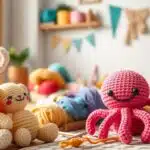
Starting with simple projects builds confidence and foundational skills. Sphere-based animals like basic bears, bunnies, or octopi offer ideal beginner projects, as they use repetitive stitching patterns and straightforward shaping. Choose patterns labeled as “beginner-friendly” or “easy” that include helpful photos or video tutorial links.
Tension consistency remains one of the most important factors in creating professional-looking amigurumi. Practice maintaining even tension by working several rounds and observing whether your stitches appear uniform. Too-tight tension makes it difficult to insert your hook, while too-loose tension creates gaps that expose stuffing. The fabric should feel firm but not rigid.
Don’t hesitate to practice specific techniques in isolation before incorporating them into projects. Creating sample swatches of increases, decreases, and color changes helps build muscle memory without the pressure of potentially ruining a larger piece. Interestingly, the focused attention required for crochet can promote relaxation, and establishing a regular crafting routine—much like Sleep Foundation recommends for sleep hygiene—can provide stress relief and a sense of accomplishment.
Join online communities where experienced amigurumi creators share advice and troubleshoot common problems. These supportive environments welcome questions and celebrate finished projects, providing motivation during challenging patterns.
Advanced Techniques and Pattern Modifications
As your skills progress, you’ll want to explore advanced techniques that add depth and personality to your creations. Wire armatures inserted into limbs create poseable figures, while needle felting adds subtle shading and texture. Thread crochet produces miniature amigurumi perfect for keychains or dollhouse accessories, though it requires patience and fine motor control.
Pattern modification allows you to personalize designs and develop your creative voice. Simple changes like adjusting color schemes or adding accessories require no special knowledge, while more complex modifications—changing proportions, combining elements from different patterns, or creating entirely new features—demand understanding of how increases and decreases affect shaping.
Documenting your modifications proves invaluable for recreating successful variations or sharing them with others. Keep a craft journal noting yarn brands, hook sizes, and specific changes made to patterns. This reference becomes increasingly valuable as your project library grows.
According to Britannica, handicrafts like crochet have rich cultural histories spanning centuries, connecting modern crafters to global artistic traditions. Understanding this context enriches the amigurumi experience beyond simple craft projects.
Conclusion
Free amigurumi crochet patterns provide an excellent gateway into the creative world of yarn crafting, offering projects for every skill level and interest. By understanding pattern conventions, gathering essential supplies, and practicing fundamental techniques, you’ll develop the confidence to tackle increasingly complex designs. The amigurumi community welcomes newcomers with generous free resources, supportive forums, and endless inspiration. Whether you’re crocheting gifts for loved ones, creating handmade inventory for a small business, or simply enjoying the meditative rhythm of stitching, amigurumi offers rewards far beyond the finished products themselves. Perhaps you want to understand the cost of professional crochet services if you ever decide to sell your own creations or need repair. Or, if you prefer local support, check out our guide on local crochet services cost. Start your journey today with a simple free pattern, and discover the joy of bringing adorable characters to life one stitch at a time. If you’re also interested in overall crafting project costs, our Crochet Craze Cost Guide for 2026 provides helpful insights.