You want to crochet for hours without your hands getting tired. Ergonomic crochet hooks help with that. They make your hands feel comfortable and your stitches even.
Many crocheters have different hooks for different projects. They switch to avoid getting bored or to prevent hand strain. You can find a wide range of ergonomic hooks at places like Hooks & Needles.
Clover Amour and Furls are often praised for their comfort. But, some cheap metal hooks can be rough and cause pain. The best hook is one you hardly notice while crocheting. For tips on avoiding hand pain, check out this resource on crochet hand pain.
This article will cover why ergonomics are important. We’ll talk about the different types and materials of hooks. You’ll learn about in-line versus tapered heads and the differences between brands like Clover and Furls.
We’ll also share tips on testing and maintaining your hooks. Plus, we’ll discuss budget-friendly options and how choosing the right hook can affect your projects and yarn choices.
Key Takeaways
- Ergonomic crochet hooks aim to reduce hand fatigue and improve crochet precision for longer, steadier sessions.
- Many crocheters own multiple hooks and swap them to avoid strain and find the best fit for their hands.
- Top-tested options like Clover Amour and Furls often excel for comfort, but personal fit matters most.
- Retailers and specialist shops offer a wide variety of hand-friendly crochet hooks across materials and prices.
- Use a hook that feels like an extension of your hand—when you hardly notice it, you’ve likely found the right one.
Why ergonomic crochet hooks matter for your hands and projects
Do your hands hurt after crocheting for a while? That’s not something to be proud of. Crocheting can cause hand fatigue and even tendon strain. You need tools that help you crochet longer without feeling sore.
Hand fatigue, tendon strain, and repetitive motion explained
Your fingers, wrist, and forearm do the same thing over and over. This can lead to injury and tendon inflammation. It makes your hands tired, slower, and you might even want to put your project away.
Watch for early signs like aching thumbs or stiff wrists. Taking breaks and choosing the right hook can help. These simple steps can prevent bigger problems.
How handle shape, weight, and material reduce pain and improve endurance
The shape of the handle is key. Handles that spread out pressure on your palm are better. They reduce strain on your joints. Brands like Furls offer weighted handles for easier motion.
Weight and balance matter too. A slightly heavier hook can make your stitches smoother. Others prefer lightweight materials for longer sessions without getting tired.
The material of the hook affects how it moves. Smooth metal shafts help yarn slide smoothly, making your work faster. But handles that stick can cause friction and make your hands hurt more.
When an ergonomic hook changes stitch consistency and precision
An ergonomic hook does more than just ease hand pain. It helps you crochet more evenly and with better tension. This makes your stitches more consistent.
The shape of the hook’s head is important too. Sharp heads help you place stitches accurately but can catch yarn. Tapered heads offer softer control, which is great for adjusting your work.
Want to see how ergonomic hooks can change your crochet? Check out Furls ergonomic crochet hooks for real feedback. For tips on preventing hand pain, visit Crochet Craze hand pain.
Types of ergonomic crochet hooks and how they feel to use
Choosing the right hook can change your crochet experience. You want it to be comfortable, give you control, and reduce wrist pain. Here’s a comparison to help you find the perfect fit.
Soft-grip polymer handles offer a cushiony, non-slip grip. They reduce pressure points during long crochet sessions. Brands like Tulip Etimo and Clover Amour combine soft polymer with smooth shafts for a balance of grip and speed.
Soft-grip hooks are great for those who prefer a gentle touch. They reduce finger soreness and help maintain even tension.
Rubberized crochet handles provide a tackier grip than polymer. They prevent slipping when your hands get warm. Brands like Prym and Tulip are praised for their rubberized designs, which reduce hand effort.
Rubberized grips are better for slippery yarns. They offer a firmer hold, making your crochet experience more secure.
Paddle handle crochet hook designs and built-up grips offer broad surfaces for palm support. They spread pressure across your hand, supporting both pencil and knife grips. Ergonomic hooks from Happy Hooks and Pony provide a chunky, supportive feel.
These hooks are more comfortable than thin aluminum shafts. They offer instant comfort for many crocheters.
Tapered grips narrow toward the throat, allowing your fingers to ride closer to the hook head. This design can reduce wrist motion and ease repetitive strain. If you prefer control with less arm movement, try a tapered head with a modest handle.
Weighted crochet hooks add deliberate heft and balance. Brands like Furls Odyssey offer weighted hooks for a smooth, flowing rhythm. These hooks can reduce strain by stabilizing motion.
Unweighted aluminum or polymer hooks are faster and lighter. They’re great for making large blankets or working quickly. Brands like Clover Amour keep arm fatigue low, allowing for quick stitching.
Practical feel varies by brand and shape. Addi Swing has a deep curved handle that takes practice but rewards those who like a pronounced contour. Pony and midrange options offer surprising comfort for beginners.
It may take a few tries to find the right mix of weight, width, and neck finish. Experiment with different styles to find what works best for you.
If you switch grips between projects, keep a small rotation of styles. Soft-grip hooks are good for detailed lace, rubberized handles for slick yarns, paddle handles for long rows, weighted hooks for rhythmic stitching, and built-up ergonomic hooks for marathon sessions.
In line vs tapered hooks: what your grip prefers
Switching hooks can change how you feel while crocheting. This change often comes from the hook’s shape, not magic. Knowing if you like in-line or tapered hooks helps you choose the right one for your style and yarn.
Characteristics of in line (Bates-style) hooks and who they suit
Bates-style hooks have a straight edge and a sharp point. Their deeper groove and aligned head make inserting stitches precise. This is great for tight stitches and amigurumi.
Switching to in-line hooks from tapered ones can feel strange. They’re good for those who need tight control over their stitches. But, be careful not to snag delicate yarns with their sharp tips.
Characteristics of tapered (Boye-style) hooks and why many default to them
Tapered Boye hooks have a narrower throat and a rounder tip. This makes it easier to slide yarn and reduces wrist strain. Many people start with these hooks, so they feel natural.
If your stitches get tighter when you relax, tapered hooks might be better. They help loops settle and reduce hand tension. But, tight crocheters might find loops slipping too much.
How head shape affects yarn snagging, stitch insertion, and tension
The shape of the hook’s head is key for both speed and quality. Pointed heads are great for detailed work but can snag yarn. Rounder heads are better for smooth yarns and less snagging.
Smooth metal on hooks like Clover Amour or Furls helps prevent snagging. Rough metal can cause drag and mess up your stitches.
| Feature | In-line (Bates-style) | Tapered (Boye-style) |
|---|---|---|
| Head alignment | Aligned with shaft for precise insertion | Offset from shaft to promote loop movement |
| Tip profile | Sharper, pointier tip | Rounder, softer tip |
| Groove depth | Deeper groove holds yarn in place | Shallower throat allows loops to slip |
| Best for | Tight stitchers, precision work, amigurumi | Long sessions, relaxed stitchers, general use |
| Yarn snagging risk | Higher with pointy heads on textured yarns | Lower; smoother glide on bulky or textured yarns |
| Brands often praised | Clover Amour, Addi Premium for head precision | Boye classics; many starter sets and lessons use them |
Material choices: metal, wood, resin, and polymer for ergonomic hooks
Your hands will thank you when the hook material matches the project. Each material, like metal, wood, resin, and polymer, offers a unique feel. Consider speed, warmth, grip, and finish preference before choosing.
Aluminum and steel are great for fast stitching and smooth gliding. Top brands like Clover and Furls offer polished aluminum hooks. They help you stitch quickly and maintain even tension for big projects.
Steel hooks are perfect for detailed work like lace and doilies. They’re essential for precision. Make sure to check the shaft’s finish to avoid drag.
Wooden hooks offer warmth and a natural grip. They’re ideal for slower, more careful projects. Over time, wooden hooks become more comfortable to hold.
Resin hooks let you create custom shapes and colors. They focus on ergonomics, making handles that fit your hand well. While resin glides well, it’s not as smooth as the best metal shafts.
Polymer handles add cushioning and firm control. Brands like Tulip Etimo and Prym use soft grips. These handles reduce hand fatigue and add color to your tools. Remember, the metal shaft affects stitch performance.
Choose metal for speed and smoothness, wood for warmth and grip, and resin or polymer for style and comfort. Ensure the shaft and handle finishes match for a smooth crochet experience.
Popular ergonomic hook brands and what makes each unique
Looking for a hook that feels right in your hand? You want one that keeps your stitches even and your wrists happy. Here’s a quick look at the top brands, their feel, and who loves them.
Clover Amour perks and feel
The Clover Amour is often at the top of lists. It’s color-coded and easy to read. The smooth metal shafts make yarn flow smoothly, and the tapered head helps with stitches.
Many crocheters say it’s a great first choice. It offers consistent tension and comfort all day.
Furls Odyssey: luxury in hand
The Furls Odyssey is known for its luxury feel. It has weighted shafts and a premium finish. The weight helps reduce strain on your joints and speeds up your work.
It’s a bit pricey, and sometimes hard to find. But fans love the smooth feel.
Addi Comfort and Swing options
The Addi Swing gets mixed reviews. The Addi Comfort has round handles for different grip styles and is color-coded. The Addi Swing has a deep curve for knife grippers and a precise head.
Some users find the neck short and experience drag on certain sizes.
Handmade and decorative: Happy Hooks
Happy Hooks are handmade with polymer-clay handles. They come in different styles and lengths. They’re a bit more expensive but many buyers love the comfort and look.
Budget-friendly and value picks
Pony ergonomic hooks are affordable and surprisingly comfortable. Yarnology offers good comfort at a low price. But, some hooks may peel or feel sticky.
Where to shop and try sets
You can find many options online. Check out full reviews and curated lists at best crochet hooks.
Choosing the right ergonomic crochet hook for your grip style
Finding the right hook can make a big difference. It can help you crochet longer without hand pain. Try different styles to see what works best for you.
Pencil grip crocheters often prefer slim, round handles. These fit between your fingers comfortably. Try Addi Comfort or birch-handled hooks for this feel. A pencil grip hook helps keep your fingers relaxed.
Knife grip fans like deeper curves and paddle shapes. Addi Swing or wider handles with a ledge are good choices. Knife grip hooks reduce wrist strain and improve control.
For tight stitches, a tight crocheter hook is key. Look for in-line heads or shallow grooves. Avoid tapered heads to prevent small loops. In-line hooks with defined shoulders help control loop size.
To test a hook at home, make a small swatch and time yourself. Crochet for 10–15 minutes to check comfort. This helps you see how well the hook works.
Keep different hooks for various projects. A switch hooks toolkit is handy. You can mix premium hooks like Furls with more affordable ones like Prym.
Start with one hook that feels right. Then add more based on your projects. Switching hooks helps you find the best ones for your hands.
Ergonomic hook maintenance and care for long-term comfort
Keep your tools happy and your hands happier. Good crochet hook care extends smooth stitches, prevents snagging, and saves you money. A little routine maintenance prevents problems before they slow your rhythm.
Cleaning polymer and rubber handles without degrading grip
Wipe a clean polymer handle with mild soap and warm water. Use a soft cloth and gentle motion to lift grime without scrubbing away the finish.
Avoid harsh solvents that make grips peel or go sticky. Dry the handle completely after cleaning to stop mold and tackiness from forming.
Polishing metal hooks and treating wood to maintain smoothness
When a hook snags, polish crochet hook shafts with a soft cloth or 0000 steel wool to remove tiny burrs. Test on scrap yarn before you work on a favorite project.
Do not over-abrade the head; changing the profile alters stitch behavior. For wooden pieces, treat wooden hook surfaces by light sanding and rubbing in a small amount of beeswax or mineral oil to preserve warmth and glide.
When to retire a hook (peeling handles, rough metal, loss of grip)
Replace hooks when handles peel, go sticky, or the metal feels rough and drags yarn. Bent heads, flattened grooves, or persistent snagging are clear signs you should consider retirement.
Cheap no-name hooks that lose their finish or comfort usually deserve a one-way ticket out of your kit. If you try DIY fixes, remember added grips change balance and feel.
| Issue | Quick Fix | When to Replace |
|---|---|---|
| Sticky or peeling handle | Clean polymer handle with mild soap; add silicone sleeve or re-wrap with polymer clay | If peeling returns or grip feels unsafe |
| Small burrs on metal shaft | Polish crochet hook gently with polishing cloth or 0000 steel wool; test with scrap yarn | If snagging persists after polishing |
| Dry, rough wooden hook | Treat wooden hook by light sanding and apply beeswax or mineral oil | If splinters appear or wood cracks |
| Bent head or altered profile | Do not attempt reshaping; it often damages the head | Replace immediately to protect your stitches |
Ergonomics on a budget: affordable hook picks that help your hands
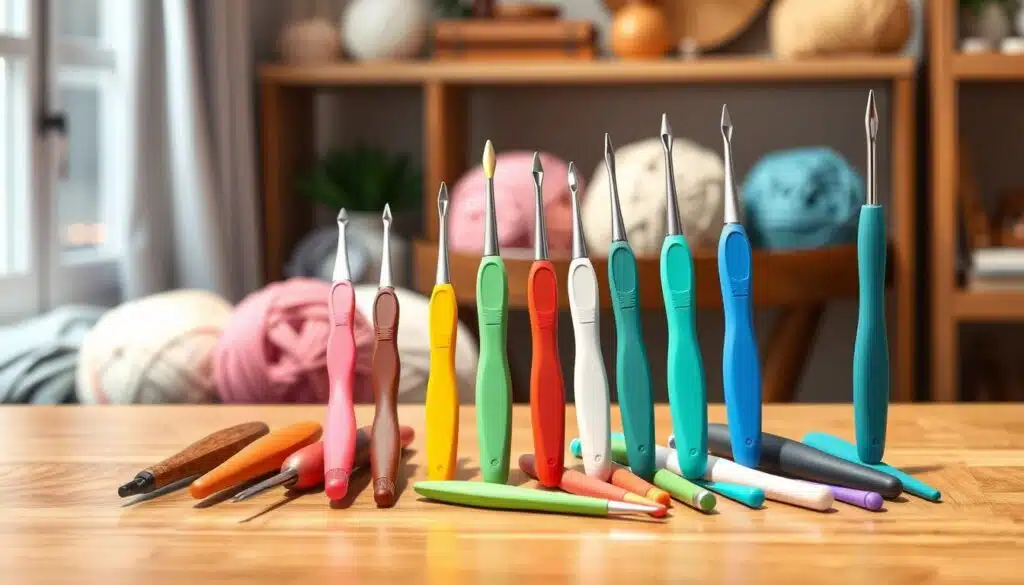
Want comfort without spending a lot? Try Pony Soft Ergonomic handles and basic Birch crochet hooks. These hooks are easy on your fingers and won’t empty your wallet. They’re perfect for beginners or as travel buddies.
Cheap ergonomic-ready options and what to watch out for
When shopping for cheap items, check the handles for peeling and the metal tips for drag. Some Amazon finds are okay as backups, but others might have sticky grips or flake off. If a handle peels or the shaft drags, stop using it to avoid damaging your yarn or stitches.
Best value sets and when it’s worth splurging
Yarnology and Prym sets offer good ergonomics at a low cost. These sets have rubbery handles that get better with use and come in reliable sizes. Brands like KXK add features like counters or lights for extra utility.
If you crochet a lot or have hand pain, consider a premium hook. A Furls Odyssey provides weight and smooth glide for long sessions. Clover Amour offers consistent performance and color-coded sizing for faster project completion. Spending on a single premium hook can save your hands and improve your stitches.
DIY upgrades: easy mods that turn cheap hooks into comfort tools
You can make a plain hook better with a DIY handle from polymer clay or silicone tube grips. Polymer clay wraps can look like boutique hooks like Happy Hooks. Tube grips add bulk quickly and inexpensively, letting you test a larger handle before buying an expensive set.
For a detailed guide and comparisons, check out this roundup at best ergonomic crochet hooks. Mix it up: have a few cheap hooks for backups, a versatile set, and a premium hook for daily use if needed.
How ergonomic crochet hooks affect project types and yarn choices
Choosing the right hook depends on your project. For amigurumi, you need a hook with a pointed head and smooth metal tip. This lets you insert the hook into small stitches easily. Clover Amour and Furls are top picks because they offer a smooth shaft and comfortable grip.
For large throws, a lightweight hook is best. Look for one with an ergonomic paddle or soft handle. This makes crocheting faster and eases wrist strain. Clover and Yarnology offer aluminum or polymer-handled hooks that work well with worsted and bulky yarns.
Working with fine lace requires tiny, consistent stitches. A small steel lace hook with a precise head is ideal. It allows for clean insertion and prevents snagging. In-line heads are also great for maintaining tight control over delicate patterns.
Chunky projects need a hook that’s big and sturdy. Look for a hook with a wide grip to avoid hand cramping. Pony oversized handles and other broad-grip hooks make working with bulky yarns easy.
Choosing the right head shape for your yarn is important. Smooth fibers like mercerized cotton and acrylics work best with smooth metal heads. This lets the yarn slide easily. For textured or fuzzy fibers, rounder heads prevent catches and pulls.
For tighter fabric, like in toys or amigurumi, use a smaller hook than recommended. Stuffed toys often require 2.5mm–3.5mm hooks with DK or sport yarn. A slightly smaller hook improves stuffing containment and stitch density.
For better tension control, use in-line hooks for tight stitches and tapered hooks for softer drape. Match your hook to your yarn for the desired result.
Steel hooks are best for lace and thread. For Tunisian or blanket projects, special hooks are needed. Try an aluminum or metal-tipped ergonomic hook for acrylic and wool blankets to maintain speed without sacrificing glide.
Reviews highlight the strengths of different hooks. Clover Amour is praised for its balance and ease of use. Furls Odyssey is known for its weight and luxury feel. Addi Comfort and Addi Premium hooks are commended for their head shape and grip. Budget options like Yarnology and Pony offer good ergonomics at lower cost.
Learn more about size pairings and buying tips at this buying guide. Check size charts and starter advice at a helpful size handbook. These resources help you find the perfect match for your hand, project, and yarn.
| Project Type | Recommended Hook Features | Why It Works |
|---|---|---|
| Amigurumi | Pointed metal head, smooth shaft, ergonomic grip | Precise insertion and tight fabric; reduces hand fatigue during fine work |
| Blankets | Lightweight aluminum or polymer, paddle handle option | Faster stitching and less wrist strain across long rows |
| Lace | Steel or small metal lace hook, in-line head | Accurate tiny stitches and minimal snagging for delicate patterns |
| Chunky | Large sturdy shaft, wide comfortable grip | Better leverage on bulky yarn and reduced hand cramping |
| Slippery fibers | Smooth metal heads (aluminum, polished steel) | Yarn glides for consistent tension and speed |
| Textured fibers | Rounder head, slightly less sharp tip | Prevents snagging and maintains smooth stitch flow |
Conclusion
Ergonomic crochet hooks are important because they help avoid hand pain, improve your work, and keep your stitches even. Look at the handle shape, head style, material, and weight. These features affect how comfortable a hook is during long sessions.
Try out different hooks to find the one that feels right in your hand. Use a tension swatch and practice with a short session. Also, think about whether you prefer a pencil or knife grip handle. Having a few hooks for different projects can make a big difference in comfort and quality.
Some top brands for comfort and smoothness are Clover Amour and Furls. Addi and Tulip offer options for different grip preferences. For budget or artisan choices, consider Prym, Yarnology, Pony, and Happy Hooks. But, avoid cheap hooks that can peel or snag. For more details, check out this Prym ergonomic tools review.
In short, the right ergonomic crochet hook reduces pain, fits your grip, and keeps your work neat. If you crochet a lot or experience discomfort, investing in a good ergonomic hook is worth it. Try Prym’s options and pair them with a wrist-and-hand care kit to protect your craft for years.
FAQ
What promise do ergonomic crochet hooks make for your hands and projects?
Ergonomic crochet hooks aim to reduce hand fatigue and tendon strain. They also improve stitch precision. This means you can crochet for longer without feeling tired, and your projects will turn out better.
How does repetitive crocheting cause hand strain?
Repetitive motion in crocheting can irritate tendons and cause wrist deviation. It also leads to grip fatigue. Ergonomic handles help by reducing pressure points and the force needed to hold the hook.
Do ergonomic hooks change stitch consistency or gauge?
Yes, ergonomic hooks can affect stitch consistency and gauge. The shape of the handle, the style of the head, and the material all play a role. In-line heads are better for precise stitches, while tapered heads are good for beginners.
What’s the difference between soft-grip polymer and rubberized handles?
Soft-grip polymer handles are comfortable and look nice. Rubberized handles offer better grip and last longer. Both types improve hand comfort, but the metal shaft is key for smooth yarn glide.
How do thick paddle, tapered, and built-up handles change how you hold a hook?
Thick paddle and built-up handles support the palm well, fitting both pencil and knife grips. Tapered grips are narrower and can reduce wrist motion. Try different styles to find what works best for you.
Should I choose a weighted or unweighted hook?
Weighted hooks, like Furls, make motion feel effortless. Lightweight hooks are faster and reduce arm fatigue. It’s up to you—some like the weight, others prefer light tools for long sessions.
What are the practical differences between in-line (Bates-style) and tapered (Boye-style) heads?
In-line heads are straighter and have a deeper groove for precise stitches. Tapered heads are rounder and let loops slip more easily. They’re good for beginners and those who prefer looser stitches.
Which head shape is better for avoiding yarn snagging?
Rounded heads glide over textured yarns without snagging. Pointed in-line heads are better for fine work but can snag on fuzzy yarns. Smooth metal shafts reduce snagging.
How do materials—metal, wood, resin, polymer—affect performance?
Metal hooks are fast and smooth, ideal for quick crocheting. Wood hooks are warm and natural, great for slow projects. Resin and polymer hooks offer custom shapes and colors, but the metal shaft is key.
Which brands are trusted for ergonomic comfort and performance?
Clover Amour is often praised for its smooth shafts and grips. Furls Odyssey is loved for its luxury and balance. Addi offers strong alternatives, and budget brands like Yarnology and Pony provide value.
I crochet with a pencil grip—what features should I look for?
Pencil grip crocheters prefer narrower, rounder handles. Look for slim profiles and smooth heads that let your fingers guide the hook.
I use a knife grip—which hooks suit me?
Knife grippers like deeper curved or paddle-style handles. Try Addi Swing, Furls, or built-up Happy Hooks for better wrist support.
How can I test a hook at home before committing to a full set?
Make a short tension swatch and time a speed run. Crochet for 10–15 minutes to check for comfort. Note the metal smoothness and handle feel.
Should I own more than one ergonomic hook?
Yes, having multiple hooks is useful. Switch styles based on project and hand comfort. Keep an in-line and a tapered option for flexibility.
How do I clean polymer and rubberized grips safely?
Wipe handles with mild soap and water, then dry them well. Avoid harsh chemicals that can damage the grips. Regular cleaning keeps them effective.
What’s the best way to polish rough metal hooks?
Use a fine metal polish or 0000 steel wool to remove burrs. Work carefully and test on scrap yarn. Avoid harsh abrasion that alters the hook.
How should I treat wooden hooks to keep them smooth?
Sand any rough spots and apply beeswax or mineral oil. Regular maintenance keeps the wood smooth and warm.
When is it time to retire a crochet hook?
Replace a hook when handles peel or become sticky, or when metal develops rough spots. If a cheap hook peels, it’s safer to retire it to avoid damage.
What affordable ergonomic options are worth trying?
Pony Soft Ergonomic, Yarnology, and Prym sets offer comfort at a low price. They may not match premium brands but are a good start. Watch for peeling grips and rough metal.
When should you splurge on a premium ergonomic hook?
If you crochet a lot or have hand pain, invest in a Furls Odyssey or Clover Amour. Try a single premium hook before buying a set.
Can I DIY upgrade a cheap hook to be ergonomic?
Yes, add polymer clay handles or silicone grips to a basic hook. DIY changes alter feel, so test carefully. It’s a low-cost way to improve comfort.
Which hooks are best for amigurumi, blankets, lace, and chunky projects?
Amigurumi needs precise, pointed in-line heads and smooth metal. Blankets and long projects favor lightweight hooks. Lace needs fine steel, and chunky projects need broad handles.
How should I match hook head style to yarn type and tension?
Smooth fibers work best with slick metal heads. Textured fibers need rounder tips to avoid snagging. Tight crocheters prefer in-line heads, while loose ones like tapered heads.
What are the common testing highlights across reviews?
Reviews often rank Clover Amour high for balance and smoothness. Furls is praised for luxury and weight. Addi offers alternatives, and budget brands like Yarnology and Pony provide value.
How do weight and balance affect long-term comfort?
Proper weight and balance reduce effort. Weighted hooks add momentum, while lightweight hooks are faster. Always test for balance and comfort.
Any final quick buying tips?
Try before you commit: buy one premium hook or sample affordable options. Keep in-line and tapered hooks in your toolkit. Match head style to project and yarn, and retire hooks that cause discomfort.