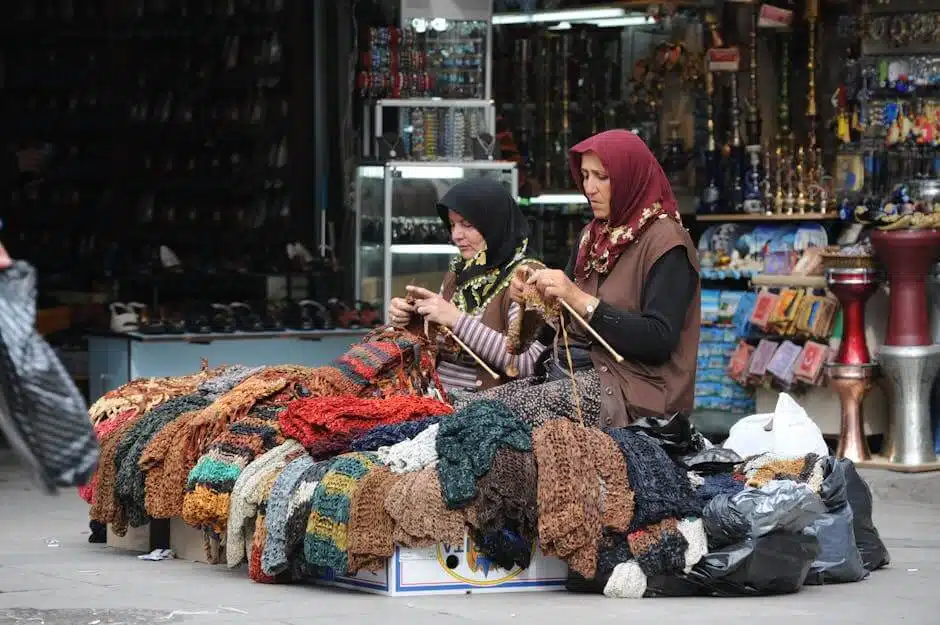
Easy Crochet Crafts to Make and Sell: 15 Best Profitable Ideas
Turn Your Crochet Skills Into Cash
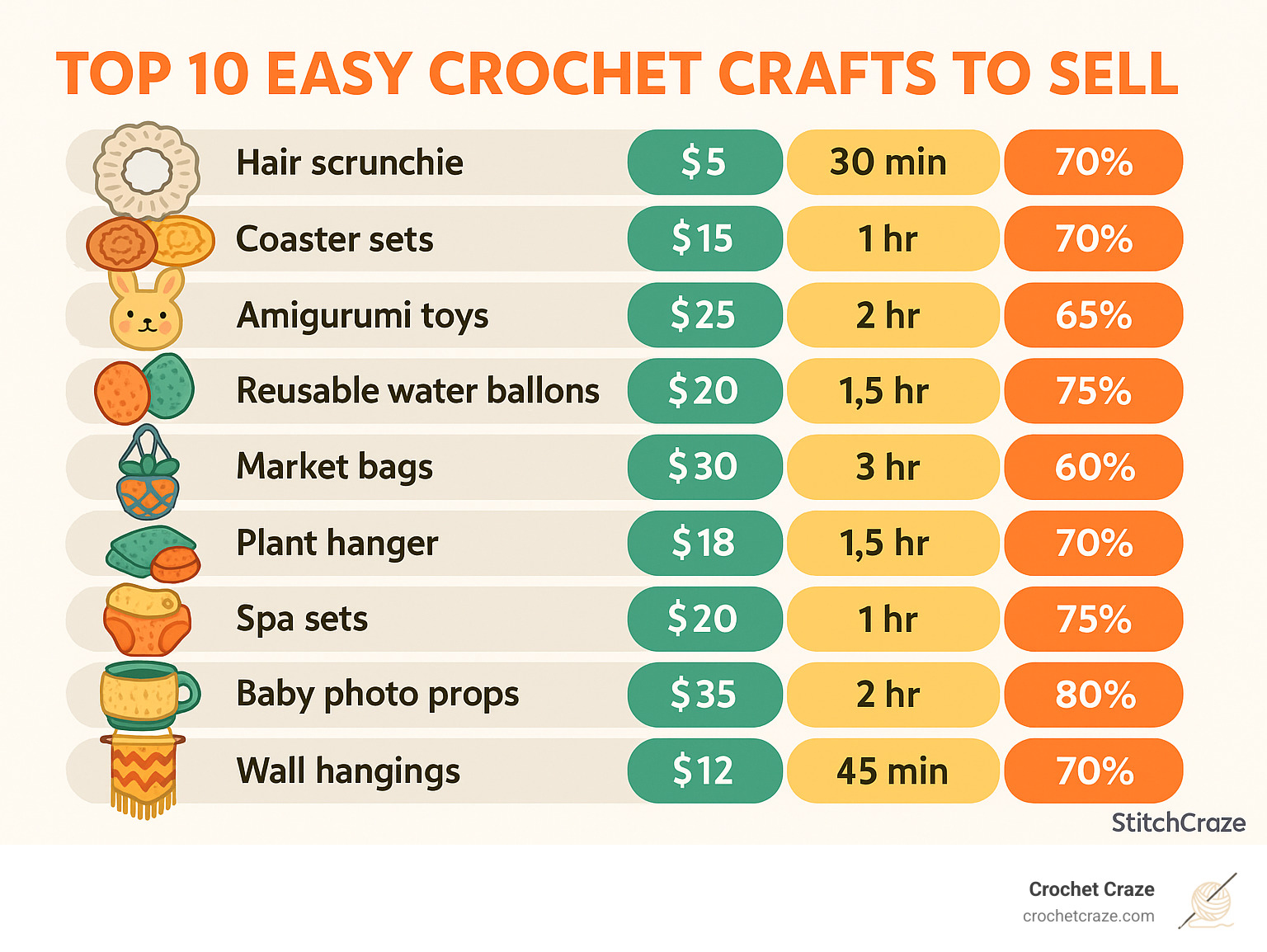
Looking for easy crochet crafts to make and sell? Here are the top 10 most profitable options that work well for beginners:
- Hair scrunchies – Quick to make, always in demand
- Coaster sets – Small projects that sell for $10-35 per set
- Amigurumi toys – Popular gift items that command higher prices
- Reusable water balloons – Eco-friendly summer sellers
- Market bags – Practical items with strong appeal at farmers markets
- Plant hangers – Trendy home décor that uses minimal yarn
- Spa sets (washcloths, face scrubbies) – Gift-ready items
- Baby photo props – High-margin seasonal sellers
- Mug cozies – Quick projects perfect for craft fairs
- Wall hangings – Boho-style décor with premium pricing
Turning your hobby into a side hustle doesn’t have to be complicated. The journey from casual crocheter to craft fair vendor or online seller can be both rewarding and profitable when you focus on the right projects.
The most successful crochet sellers don’t just make beautiful items – they strategically choose projects that balance material costs, production time, and market demand. Small items that use minimal yarn and take little time to complete often provide the best profit margins.
As a beginner, you might wonder which items are worth your time and effort. The good news? Many of the easiest crochet projects are also among the most profitable. Items like scrunchies, coasters, and small amigurumi toys require only basic stitches but can command respectable prices at craft fairs and online marketplaces.
I’m Sonji Huerta, a fellow beginner who recently finded the joy of creating handmade items and has been researching the most profitable easy crochet crafts to make and sell to turn my new hobby into a potential income stream. I’m excited to share what I’ve learned about which projects offer the best return on your time and investment.
Quick look at easy crochet crafts to make and sell:
– crochet coasters easy
– easy chunky crochet shawl
– easy crochet projects with thin yarn
Top 15 Easy Crochet Crafts to Make and Sell
Ready to turn your crochet hobby into a money-making venture? Finding the right easy crochet crafts to make and sell can make all the difference between frustration and success. At Crochet Craze, we’ve done the homework for you by analyzing what actually sells and talking with crafters who are already making it work.
Here’s a little secret from successful sellers: focus on mastering a handful of designs rather than creating dozens of different items. This approach helps you become faster at making each piece, perfect your technique, and create a cohesive collection that attracts customers. Think of it as your signature line!
Let’s explore the categories and specific items that consistently bring in sales, whether you’re setting up at a local craft fair or opening an Etsy shop.
Accessory Ideas: Easy Crochet Crafts to Make and Sell Fast
Accessories are the perfect starting point for your crochet business. They work up quickly, use minimal yarn (hello, profit margins!), and appeal to shoppers of all ages.
Scrunchies are absolute gold for beginners. You can whip one up in under 30 minutes, and they’re perfect for using up those small balls of leftover yarn. The best part? Customers rarely buy just one! Offer them in seasonal colors or themed bundles, and watch them fly off your table.
Headbands are another winner, especially during fall and winter. The twisted ear-warmer style looks impressively complex but uses only basic stitches. I’ve found that neutral colors sell best for everyday wear, while bolder patterns catch the eye at craft fairs.
Friendship bracelets with a crochet twist appeal to younger customers and make perfect impulse buys. Add some beads or bright colors, and price them affordably so kids can spend their pocket money.
Chapstick cozies might seem too small to bother with, but they’re incredibly profitable. These tiny accessories use just a few yards of yarn, take minutes to make, and solve a real problem (finding that lip balm at the bottom of your purse!).
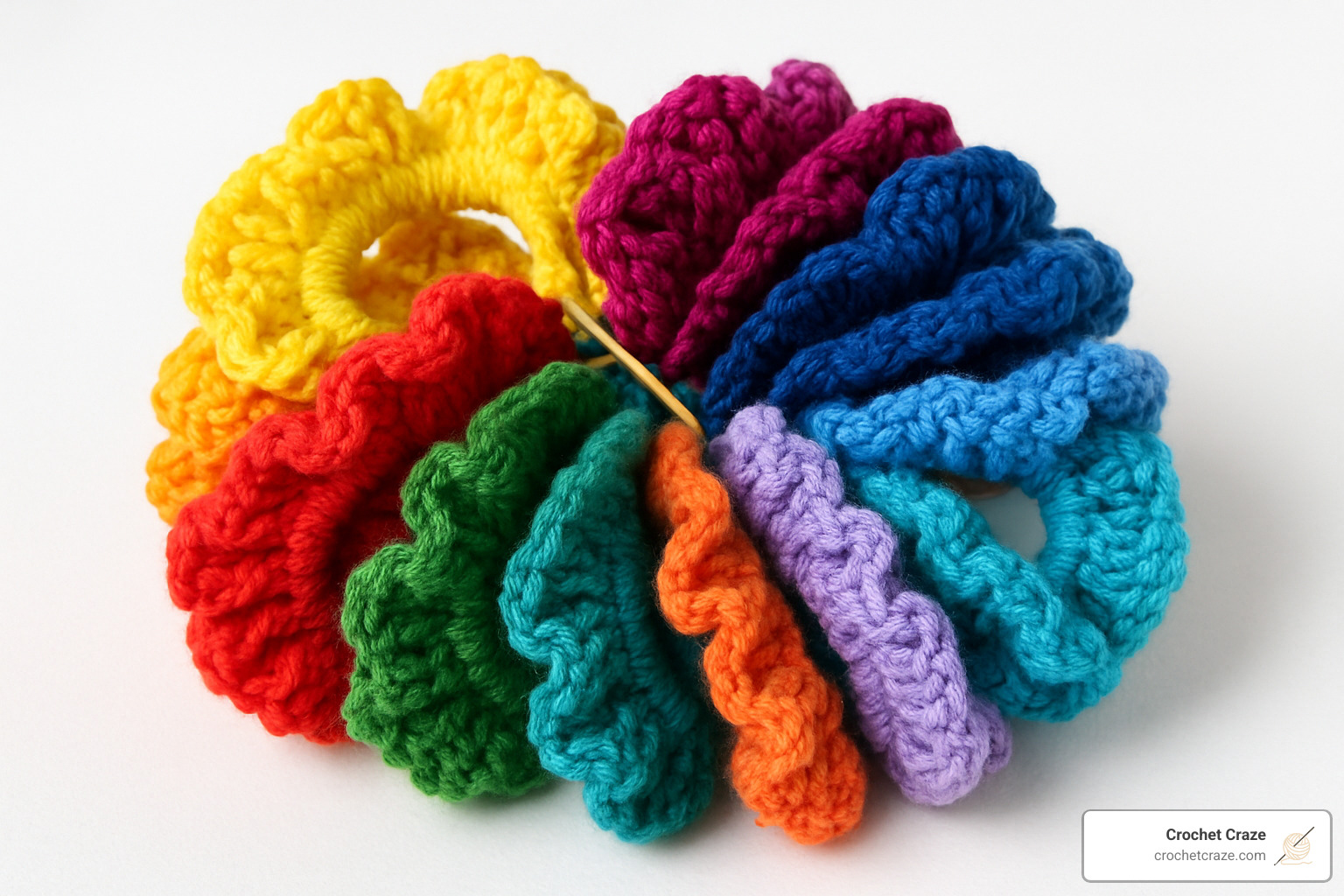
The beauty of these accessories is that they only require basic crochet skills. If you can chain stitch and do single and double crochets, you’re all set! They’re also perfect for shoppers who want something handmade without spending a fortune.
Want to round out your accessory offerings? Our Quick and Easy Crochet Coasters guide shows you how to create complementary items using the same basic techniques.
Home Décor Easy Crochet Crafts to Make and Sell
Home décor items let you charge higher prices while still keeping the projects relatively simple. With the current love for boho and eco-friendly home styling, handcrafted items are in high demand.
Wall hangings have become incredibly popular, especially in neutral tones that complement modern home décor. Even a simple design mounted on a wooden dowel can look stunning and command a good price. The best part? They’re mostly straight lines and basic stitches!
Fruit hammocks might sound quirky, but they’re conversation starters that actually sell surprisingly well. These practical kitchen items keep fruit from bruising and add a touch of handmade charm to any kitchen. They work up in about an hour once you’ve got the pattern down.
Nesting baskets are always in demand because, let’s face it, everyone needs more storage. Using t-shirt yarn (sometimes called “tarn”) creates sturdy baskets that hold their shape beautifully. Make them in graduated sizes, and shoppers often buy the whole set.
Pillowcases with textured stitches in neutral colors fit into almost any home. They’re a bit more time-consuming than smaller items but command higher prices that make them worth your time.
Trivets protect tables from hot dishes and make practical gifts. Create them in seasonal colors or themed sets for holiday gift-giving. They work up quickly and use basic stitches in thicker yarn.
According to Google Trends, searches for “crochet home décor” peak during fall as people prepare for holiday entertaining. Planning your inventory around these seasonal trends can significantly boost your sales. Start making autumn-themed items in late summer to have plenty of stock when demand rises!
At Crochet Craze, we believe anyone can turn their crochet skills into a profitable side hustle with the right projects. Choose items you enjoy making, and your enthusiasm will shine through in your finished products!
Materials, Tools & Pattern Toolkit
Every crochet seller needs the right supplies in their corner. The good news? You don’t need to break the bank to start creating easy crochet crafts to make and sell. A thoughtful collection of quality basics will help you work efficiently and create products your customers will love.
When I first started crocheting to sell, I was overwhelmed by all the fancy tools and expensive yarns. But I quickly learned that success comes from strategic choices, not splurging on every supply in the craft store.
The foundation of your crochet business toolkit should include comfortable hooks (sizes G/4mm through J/6mm cover most projects), with ergonomic handles to save your hands during marathon making sessions. Cotton yarn is perfect for kitchen items and washcloths, while bulky yarn helps you finish hats and scarves quickly, maximizing your hourly earnings. Don’t forget polyester fiberfill for those adorable amigurumi that fly off craft fair tables!
Stitch markers might seem like a small detail, but they’re crucial for creating consistent, professional-looking items. And while wooden rings aren’t necessary for every project, they add natural charm to wall hangings and baby teethers that customers happily pay extra for.
One thing many beginners overlook is presentation. Simple display stands like mannequin heads for hats or T-stands for scarves can dramatically increase your sales at craft fairs by helping customers visualize wearing your creations.
Ready to expand your skills while making sellable items? Our guide to Crochet Patterns for Beginners is packed with beginner-friendly patterns that customers love.
Sourcing Patterns & Supplies on a Budget
You don’t need to spend a fortune to start your crochet business. I’ve found some wonderfully creative ways to build my pattern library and yarn stash without emptying my wallet.
Free patterns are everywhere once you know where to look! Many talented designers offer complimentary patterns to build their following (just be sure to check if they allow selling the finished items). Ravelry has become my treasure trove for finding both free and budget-friendly patterns, with search filters that help me find exactly what I need based on difficulty level and materials.
When I want something a bit more professional, Etsy PDFs are my go-to. For the price of a coffee, you can purchase patterns that include clear instructions and often marketing tips from sellers who’ve already found success.
Smart yarn shopping has saved me hundreds of dollars. I watch for sales, join email lists for my favorite craft stores, and sometimes purchase discontinued colors in bulk. Some of my most profitable items are actually scrap-busters – projects like colorful scrunchies and coasters that transform leftover yarn into cash!
While saving money matters, quality creates reputation. Using materials that create durable, attractive products should always be your priority – your customers will notice the difference.
Building an Efficient Workstation
When you’re creating easy crochet crafts to make and sell, your workspace becomes your profit center. An organized, comfortable setup can dramatically increase how much you produce (and earn) per hour.
My crochet business transformed when I finally organized my supplies in clear storage bins labeled by project type. Being able to see what I have and grab exactly what I need saves countless hours of frustration.
Your hands are your most important tools, so treat them well! Ergonomic hooks might cost a bit more upfront, but they prevent the hand pain that can sideline your business during busy seasons.
One game-changer for my pricing strategy was using time-tracking apps like Toggl. By knowing exactly how long each project takes, I can price my work fairly for both my customers and myself.

Keep works-in-progress in separate project bags with all necessary supplies so you can grab and crochet whenever you have a spare moment – waiting rooms and coffee shops can become productive workspaces!
Your crochet station doesn’t need to be elaborate or take up an entire room. Even a cozy corner can become a profitable studio with thoughtful organization. The key is creating a space that makes you excited to sit down and create – because when you enjoy the process, it shows in your finished products.
Pricing, Profit & Inventory Planning
Let’s talk about one of the biggest problems you’ll face when selling your creations – pricing! I’ve seen so many talented crocheters (myself included) struggle with this. It’s easy to undervalue your beautiful work, which can quickly lead to burnout and wondering why your “business” feels more like an expensive hobby.
Quick Formula to Price Easy Crochet Crafts to Make and Sell
I’ve found this straightforward formula helps take the guesswork out of pricing:
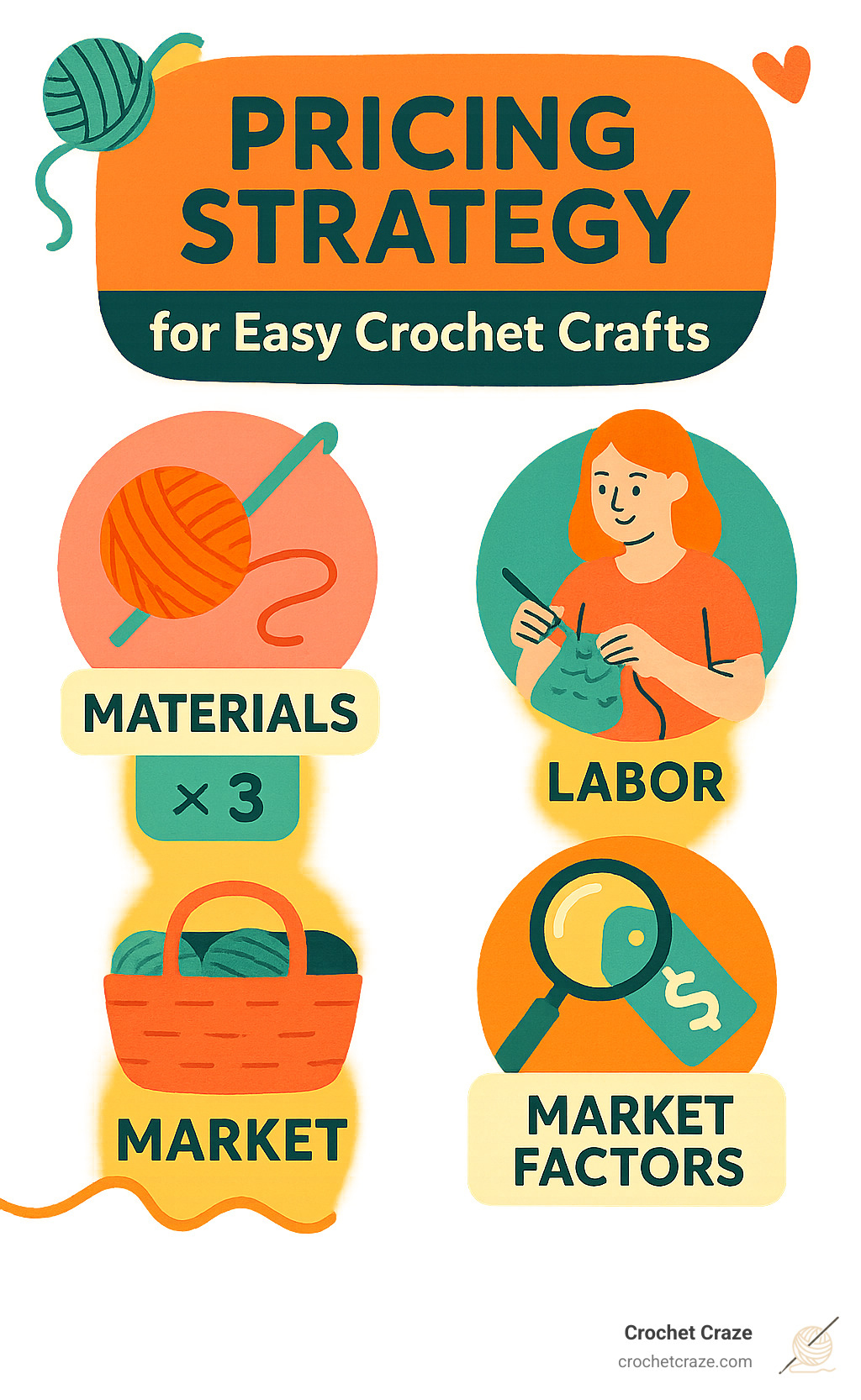
First, take your materials cost and multiply by three. This covers your yarn, buttons, or any embellishments, plus gives you a buffer for those “invisible” costs like electricity and wear on your hooks.
Next, add fair compensation for your time. Track how long each project takes and multiply by an hourly rate you deserve – and yes, even as a beginner, your time is valuable! Minimum wage should be your absolute floor here.
Don’t forget to do a competitor check by browsing Etsy or local craft fairs. This gives you a reality check on what the market will bear for similar items.
Finally, consider the perceived value of your work. That gorgeous texture on your wall hanging or the perfect color combination in your baby set might justify a premium price because it makes customers say “wow!”
Let me share a real-world example: Say you make a set of four cotton coasters that use $2 in materials and take you 2 hours. Valuing your time at $15/hour and using our formula, you’d calculate:
– Materials: $2 × 3 = $6
– Your time: 2 hours × $15 = $30
– Starting price: $36
But if similar handmade coasters typically sell for $20-25, you might need to adjust. This doesn’t mean undervaluing your work! Instead, look for ways to work more efficiently (like making coasters in batches) or find design tweaks that set your items apart from the competition.
For a deeper dive into getting your pricing just right, check out this research-based approach from Crochet Preneur.
Stock Levels & Turnaround Time
Once you’ve figured out pricing, you’ll need to tackle inventory management – another crucial piece of your crochet business puzzle.
Batch production has been a game-changer for me. Instead of making one scrunchie, then switching to a hat, then a coaster, try making multiples of the same item in one sitting. Your hands develop a rhythm, you don’t waste time switching patterns, and you’ll be amazed at how much faster items #5-10 come together compared to the first one!
I live by what I call the Make-10 Rule when preparing for craft fairs or launching an online shop. Having at least ten of each core product creates an impressive display and ensures you won’t run out of your bestsellers too quickly. Nothing’s more frustrating than selling out of your most popular item in the first hour of a day-long fair!
Creating a seasonal inventory chart has saved me from many late-night crochet marathons. Map out when demand peaks for different items – summer accessories in late spring, holiday gifts in early fall – and work ahead. Your future self will thank you!
Always keep materials on hand for your best-seller backup. If those rainbow scrunchies fly off your table every time, make sure you’ve got the yarn ready to whip up more. Running out of your hottest item means watching potential profits walk away.
Different selling venues have different inventory needs. Online shops can sometimes operate with less stock (especially for made-to-order items), while craft fairs require enough products to create an eye-catching display that doesn’t look picked-over by mid-day.
With thoughtful pricing and smart inventory planning, your easy crochet crafts to make and sell can become a genuinely profitable venture rather than just a hobby that occasionally pays for its own supplies.
Pro-Level Presentation & Marketing Hacks
Let’s face it – even the most gorgeous crochet items need a little marketing magic to catch a buyer’s eye. After creating your easy crochet crafts to make and sell, the next challenge is presenting them in a way that makes customers reach for their wallets!
Photography That Sells
Great product photos can make all the difference between scrolling past and clicking “buy now.” When I first started selling my crochet items, my dimly lit phone photos weren’t doing my work any justice. Now I know better!
Natural lighting is your best friend for showcasing your creations. Find a spot near a window (but avoid harsh direct sunlight) and use a clean, simple background that won’t distract from your item. Take multiple angles of each piece, including those close-up detail shots that show off your perfect stitches and special touches.
For wearables like hats and scarves, a mannequin head or torso makes a world of difference in showing how the item fits and drapes. Can’t afford a mannequin yet? A willing friend model works just as well!
I’ve found that lifestyle photos – showing your items actually being used – help customers imagine owning your products. That cute amigurumi looks even more appealing when a smiling child is playing with it, and your cozy hat seems more desirable when someone’s wearing it on a snowy hike.
Branding & Packaging
Even simple branding touches can transform your items from “homemade” to “handcrafted.” Small hang tags with your business name and care instructions not only look professional but also help with word-of-mouth marketing when recipients of gifts ask, “Where did you get this?”
Creating themed bundles is a fantastic way to increase your average sale value. A “self-care package” with face scrubbies, a soap saver, and a washcloth offers more value than each item sold separately. Plus, gift-ready packaging – even something as simple as twine and kraft paper – justifies premium pricing and saves your customers an extra step.
Online Visibility that Sells
The digital marketplace is vast, but with some strategic thinking, your crochet creations can stand out from the crowd. Think like a customer – what words would someone type when looking for your items? Use these relevant terms (known as keywords) in your product titles and descriptions.
If you’re selling on Etsy, take full advantage of all available tags with specific, descriptive terms. Instead of just “hat,” use “handmade winter beanie” or “chunky crochet slouch hat.” On social media, mix broad hashtags like #crochetlove with specific ones like #handmadebabyblanket to reach both general craft enthusiasts and targeted buyers.
Never underestimate the power of customer reviews! After a sale, a friendly follow-up message asking for feedback not only improves your online ranking but also builds relationships with customers. And speaking of relationships, short videos showing how you create your items or highlighting special features can dramatically increase engagement and demonstrate quality.
For a deeper dive into business strategies, our guide on Crafting a Profit offers comprehensive advice on turning your hobby into income.
Offline Tactics & Craft-Fair Magic
There’s something special about selling in person that online platforms just can’t match. At craft fairs, you get to connect face-to-face with customers and watch their reactions to your easy crochet crafts to make and sell.
A professional banner with your business name creates legitimacy and helps customers remember you long after the fair ends. I’ve found that bringing my hooks and yarn to demonstrate techniques draws curious crowds and showcases my skill – people love seeing the process behind the product!
One of my best-performing tactics is creating interactive displays where customers can touch or try on items. Hats, scarves, and other wearables sell much better when people can feel the softness or check the fit. And don’t forget to create some urgency with show specials like “Today only: Buy 3 scrunchies, get 1 free!”
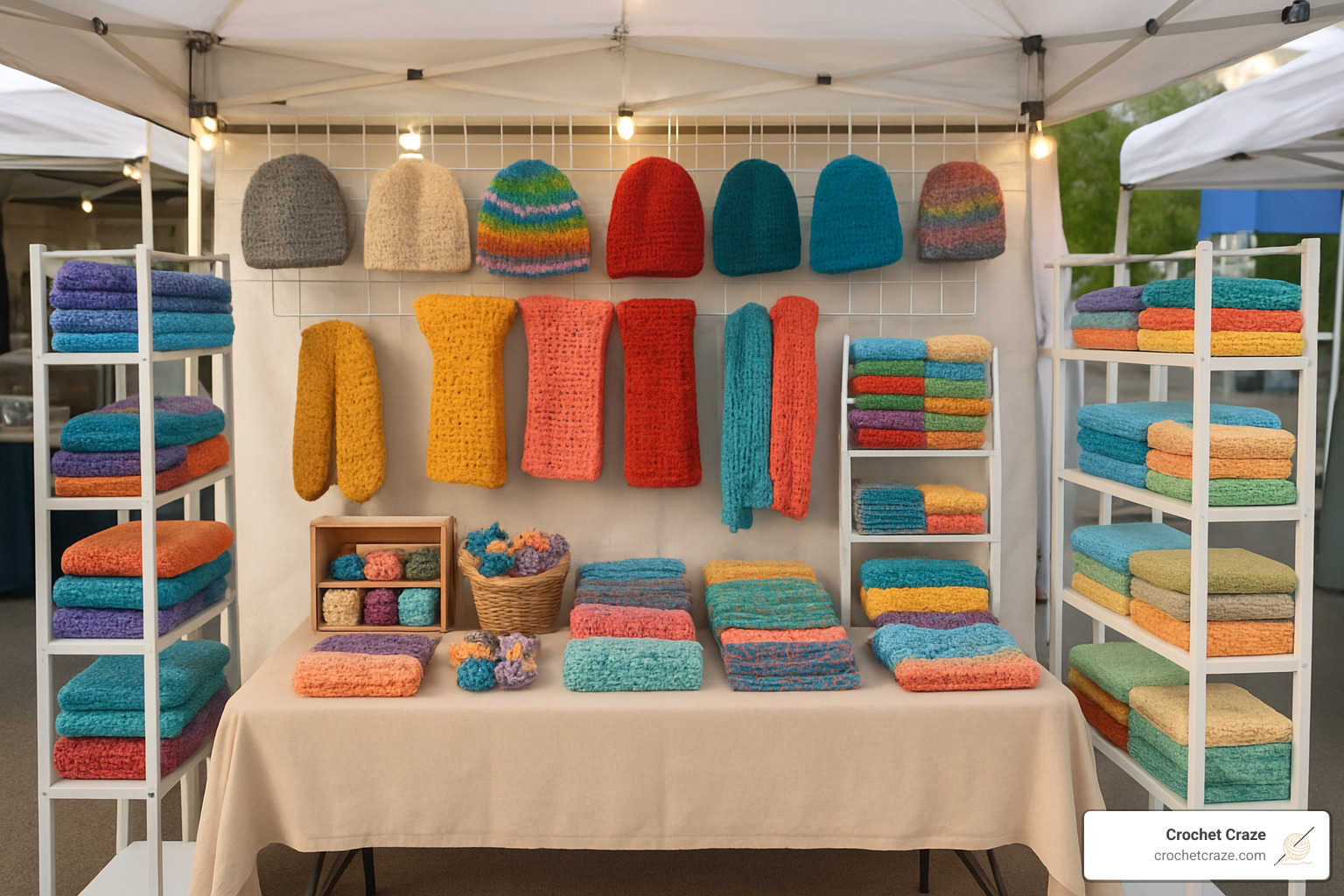
Craft fair success isn’t just about your products – it’s about the experience you create. A genuine smile, stories about your creative process, and a beautifully arranged booth all contribute to making sales. I’ve watched customers walk past dozens of booths only to stop at one with an engaging seller and thoughtful presentation.
Seasonal Trends & Custom Orders
Knowing when to stock what can make or break your easy crochet crafts to make and sell business. Like a good gardener who plants with the seasons in mind, savvy crochet entrepreneurs time their inventory to match what customers are looking for right now.
Seasonal Bestsellers
As the world outside changes, so do our crafting opportunities. In springtime, customers emerge from winter looking for lightweight market bags, colorful plant hangers, and pastel home décor. These items practically sell themselves as people refresh their spaces and prepare for farmers market season.
When summer heats up, so do sales of reusable water balloons, beach bags, and breezy cotton sun hats. I’ve found that eco-friendly water balloons in particular make fantastic conversation starters at summer craft fairs – parents love the sustainability angle, and kids love the fun!
Fall brings the cozy season, and with it, a rush for warm beanies, fingerless gloves, and anything pumpkin-themed. This is when many crochet sellers see their business peak, as customers prepare both for cooler weather and holiday gift-giving. If you’re only going to do one craft fair a year, autumn is often your sweet spot.
Winter calls for holiday ornaments, stockings, and warm accessories like scarves and ear warmers. Creating coordinated sets – like matching hat and scarf combinations – can encourage customers to spend a little more for the complete look.
Some items transcend seasons entirely. Baby gifts remain consistently popular year-round, so keeping a selection of gender-neutral baby hats, booties, or lovey blankets in your inventory ensures steady sales no matter the month.
Handling Personalized Requests Smoothly
Custom orders can be both a blessing and a challenge. They often command higher prices, but require clear boundaries to remain profitable. Think of your custom order process as a friendly but firm handshake agreement.
Start with a simple order form that captures all the essential details. Whether digital or paper, this form should document color preferences, size requirements, and that all-important deadline. Having everything written down prevents those “but I thought you said…” moments later.
When it comes to colors, seeing is believing! Offer customers physical yarn swatches or digital color options rather than relying on verbal descriptions. What one person calls “teal” might be another’s “turquoise,” leading to potential disappointment.
Always, always require a non-refundable deposit (typically 50%) before you begin a custom project. This isn’t just about securing payment – it’s about confirming the customer’s commitment. That deposit protects you from wasted time and materials if someone changes their mind halfway through.
Be realistic about your turnaround times, then add a buffer. I like to promise delivery in four weeks when I know I can finish in three – this builds in breathing room for life’s inevitable interruptions and lets you delight customers with “early” delivery.
Finally, know what customizations you’re willing to offer. Not every request will be worth your time or aligned with your skills. It’s perfectly okay to say, “I’m sorry, but that’s outside my current offerings” when necessary.
Trending Now & Next Quarter
Staying ahead of trends helps you capture early market interest before competition heats up. Right now, crochet plants continue their reign as popular décor items. These faux succulents and cacti appeal to plant lovers who may not have the time (or talent) for keeping real ones alive.
Boho bags with fringe details, wooden handles, or textured stitches align beautifully with current fashion trends. These pieces often command premium prices because they’re both functional and fashion-forward.
The eco-conscious consumer continues to drive demand for reusable products like makeup remover pads, water balloons, and produce bags. These items let you tap into both the crafting and sustainability markets simultaneously.
Don’t underestimate the power of social media in driving crochet trends! TikTok-inspired pieces like the viral “strawberry bag” and “granny square cardigan” can generate significant sales for crafters who move quickly. Spending just 15 minutes a day browsing trending hashtags can give you valuable market intelligence.
While chasing trends can boost short-term sales, building a reliable collection of steady sellers provides business stability. The smartest approach? Balance a core collection of timeless items with a rotating selection of trend-driven pieces. This gives both you and your customers the best of both worlds.
For more inspiration on turning your creative passion into profit, check out our guide on Crafting a Profit and explore our collection of creative crochet projects that appeal to today’s market.
Frequently Asked Questions about Selling Crochet Crafts
How do I choose which projects will actually sell?
I remember when I first started selling my crochet work – staring at my yarn stash and wondering “what on earth will people actually buy?” It’s the question every crafter struggles with at the beginning.
The secret to finding profitable projects isn’t complicated, but it does require some thoughtful consideration. Start by doing a bit of detective work – browse through Etsy shops, wander through local craft fairs, and scroll through Instagram hashtags to see what’s catching people’s attention right now. Notice which color palettes seem to be everywhere and which styles keep popping up.
Time efficiency is crucial when crafting for profit. I’ve learned (sometimes the hard way!) that projects taking more than 2-3 hours often don’t provide the best return unless you can command premium prices. Those quick-to-make scrunchies, coasters, and baby hats? They’re bestsellers for a reason – they maximize your hourly earnings.
Material-efficient projects tend to be profit superstars too. Items that use minimal yarn while still commanding good prices give you the best margins. This is why accessories and small home goods often outperform larger projects when you’re starting out.
Be honest about your skill level too. While it’s tempting to attempt that gorgeous complex pattern you saw on Pinterest, struggling through advanced techniques will slow you down and might result in products that don’t meet your quality standards. There’s plenty of time to expand your skills as your business grows.
Perhaps most importantly, choose projects you actually enjoy making. Your enthusiasm for your craft shines through in both your products and your marketing. Customers can sense when something is made with genuine care versus when it’s just churned out for profit.
Many successful sellers find their groove by focusing on a specific niche rather than trying to be everything to everyone. Perhaps you’ll become known for your adorable amigurumi animals or your luxurious home décor items. Finding your specialty helps you build a recognizable brand that customers remember.
What materials should a beginner stock first?
Opening that first wholesale catalog or walking into a yarn store with business intentions can feel overwhelming! Let me help you narrow things down to the essentials.
Start with versatile yarns that work for multiple project types. Medium-weight (worsted/size 4) cotton yarn is my top recommendation for beginners selling their work. I suggest getting a few neutral colors (cream, gray, black) plus a handful of seasonal colors. Cotton works beautifully for accessories, home goods, and baby items – giving you plenty of product options without overwhelming your storage space.
As your sales pick up, consider adding some bulky yarn to your collection. Thicker yarns work up quickly, making them perfect for winter accessories with appealing profit margins.
For hooks, you don’t need the entire alphabet range to start. A set containing sizes G/4mm, H/5mm, and I/5.5mm will cover most beginner-friendly projects. If you’re planning to crochet for hours at a time (and you probably will be!), ergonomic handles are absolutely worth the investment to prevent hand fatigue.
Don’t forget the small-but-mighty notions that make your crafting life easier: stitch markers, a yarn needle, and good scissors are absolute must-haves. Add a tape measure if you’ll be making sized items like hats or bags.
If amigurumi or plush items are in your product plan, invest in quality polyester fiberfill. The cheap stuff might save you a few dollars upfront, but it can clump or poke through stitches over time, leading to unhappy customers.
Finally, consider some simple packaging supplies – kraft paper tags, twine, and basic business cards create a professional presentation without major expense. Your packaging is often the final impression customers have of your product, so it deserves some thought.
You can always expand your supply collection as you find which products sell best for you. Many successful sellers start with just 5-10 colors and gradually build their inventory based on customer demand.
How do I calculate shipping without losing money?
Ah, shipping – that sneaky profit-eater that catches so many new sellers by surprise! I’ve been there, realizing too late that I’d actually lost money on an order because I underestimated shipping costs.
The most important step is to weigh everything accurately. A small postal scale is one of the best investments you’ll make for your business. Weigh your finished items along with all packaging materials you’ll use – mailers, tissue paper, thank you cards, everything. An ounce here or there might not seem like much, but it can push you into the next pricing bracket.
Developing standard packaging approaches for different product categories helps streamline your process and makes shipping costs more predictable. For example, all scrunchie orders might go in a small padded envelope, while all hats go in a particular size box.
Be crystal clear about your shipping policies – both for your own sanity and your customers’ expectations. Decide upfront about timeframes, shipping methods, and who covers the shipping costs. Having these details worked out prevents awkward conversations later.
Many successful sellers use flat-rate shipping options for consistent items. Instead of calculating exact shipping for each order, you might charge a standard $4.50 for all domestic scrunchie orders. This simplifies your listings and checkout process, though you’ll want to make sure your flat rate covers your actual costs.
Bundled shipping incentives encourage larger orders – “Add another item for just $1 more shipping” can be very effective. This increases your average order value while providing real value to customers.
If you’re selling online within your local community, consider offering free local pickup. It eliminates shipping costs entirely and can be a competitive advantage against larger sellers.
“Free shipping” is never truly free – you’re either building that cost into your product prices or accepting reduced profit margins. Choose the approach that best fits your business model and customer expectations.
For more insights on turning your crochet hobby into a profitable venture, check out our guide on Crafting a Profit or explore creative crochet projects for inspiration on what to make next.
Conclusion
Turning your easy crochet crafts to make and sell from a relaxing hobby into a source of income is truly one of the most satisfying journeys you can take as a maker. I’ve seen countless crocheters start with just a hook, some yarn, and a dream, only to build thriving businesses that bring joy to both themselves and their customers.
The most successful crochet entrepreneurs don’t try to make everything under the sun. They find their sweet spot with projects that balance enjoyment, efficiency, and profitability. Those simple scrunchies might seem basic to you, but to a customer, they’re a handcrafted treasure that solves a daily need.
Your path to crochet business success comes down to a few key principles that I’ve seen work time and again:
Start with manageable projects that don’t overwhelm you. Those market bags and coaster sets might not seem glamorous, but they build your confidence and inventory quickly. As one of my students told me, “I sold out of coasters at my very first craft fair—I wish I’d made twice as many!”
Value your time properly when pricing your items. I know it’s tempting to undercharge when you’re starting out (we’ve all been there!), but your skills are worth fair compensation. Your prices should reflect both material costs and the magic that happens when your hands create something from nothing.
Work smarter through batching. There’s something meditative about making five plant hangers in a row, with each one flowing more easily than the last. Plus, your muscle memory improves, making each item faster and more consistent than the last.
Think like a seasonal business even if you sell year-round. Those reusable water balloons might seem strange to make in February, but having them ready for the first warm days of spring puts you ahead of the competition.
Present your work with love and care. A simple kraft paper band with your logo or a thoughtfully arranged display can lift a $15 item to one that customers happily pay $25 for. The packaging often tells as much of a story as the item itself.
Building your crochet business is a marathon, not a sprint. Many makers I know started with just a handful of items at a local holiday bazaar or a few Etsy listings. With patience and persistence, they’ve grown into businesses that provide meaningful income while preserving the joy that drew them to crochet in the first place.
Ready to expand your crochet repertoire with fresh ideas? Our collection of creative crochet projects offers plenty of inspiration to keep your hooks moving and your creativity flowing.
I’d love to hear your own crochet selling stories! Have you found unexpected bestsellers? Finded brilliant ways to streamline your production? Share your experiences in the comments below—our Crochet Craze community grows stronger when we learn from each other. Here’s to turning loops of yarn into dollars and dreams!