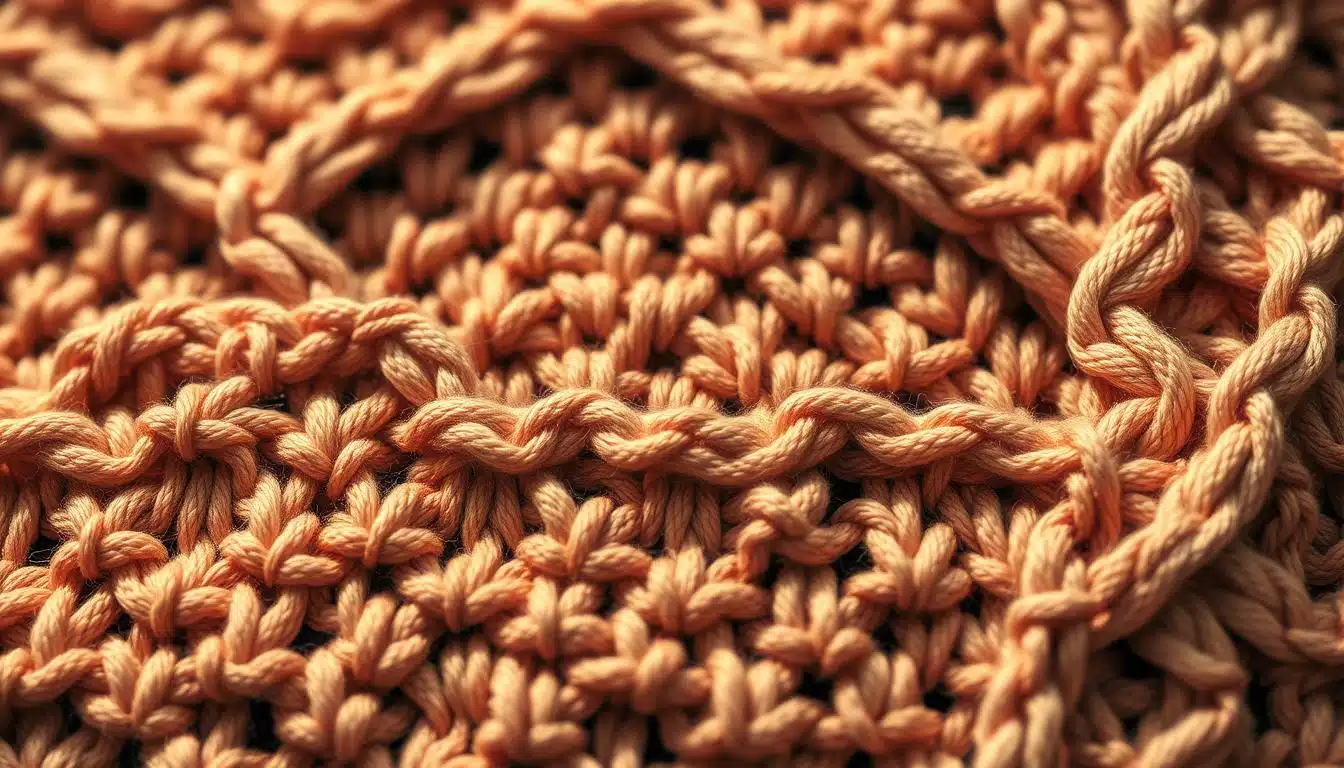
Get hooked on creativity! Discover how textured crochet stitches can transform your yarn projects into tactile masterpieces. You’ll get practical guidance on post stitches and cluster stitches. Plus, the confidence to try them with your favorite yarns and crochet hooks.
Textured crochet stitches are the secret sauce for cozy cowls, bold blankets, and striking garment panels. You’ll learn why post stitches and clusters like bobbles, puffs, and popcorn make crochet texture sing. Expect to learn about front post and back post work, waffle and basketweave, alpine and brickwork, trinity, mosaic, shell variations, and Tunisian purl-style textures in easy steps.
This article uses US crochet terminology and keeps things practical. You’ll find how-tos, material and tool guidance, stitch-height rules, and hole-reduction tips. Swatch data and links to helpful tutorials and patterns are included. Check out front and back post stitches and broader technique notes at Crochet Craze.
Read on for witty, second-person guidance that nudges you to swatch, experiment, and make texture choices that fit your project. You’ll leave this section ready to pick the right yarn, choose the right hook, and turn basic crochet stitch techniques into dimension and delight.
Key Takeaways
- Textured crochet stitches add visual and tactile interest to every project.
- Post stitches and cluster stitches (bobbles, puffs, popcorn) are central to texture.
- US crochet terminology is used; swatching and experimentation are encouraged.
- Hole-reduction tips include a single crochet row and the 2-together method.
- Helpful resources and patterns are linked for deeper technique practice.
Why Texture Matters: Benefits of Textured Crochet Stitches for Your Projects
You choose yarn and hook for a reason. Texture turns simple stitches into eye-catching features. It adds depth, pattern, and personality to your projects.
Visual and tactile appeal
Textured stitches make fabric feel three-dimensional. Ridges, waffles, and bobbles catch the light and draw attention. They also invite you to touch, making crochet a tactile delight.
Try a waffle grid for shadows and highlights. Basketweave gives a woven look, like upholstery. Add bobbles or puffs for playful dots on blankets or sweaters.
Functional advantages: warmth, drape, and structure
Some textures trap air, making fabric warmer. Waffle and all-front-post patterns are thick and cozy. They’re great for throws or winter hats.
Other patterns offer fluidity. Brickwork and certain post-stitch combos add texture without being stiff. The density of stitches affects structure. Dense ribs limit stretch, while open motifs add gentle drape.
When to choose textured stitches for accessories, blankets, and garments
Choose texture based on the project. Use reversible FPdc ridges for blankets and accessories that get a lot of use. Waffle is perfect for squishy dishcloths and throws.
For scarves and pieces where both sides show, try reversible alpine for a polished look. Use trinity or brickwork for decorative drape on panels and accents. Make sure your stitch selection matches the yarn and hook size. Always swatch first.
| Project | Best Texture | Why it Works |
|---|---|---|
| Throw blanket | Waffle stitch | Deep ridges trap heat, creates squishy, insulating fabric |
| Winter hat | All-front-post double crochet | Dense, reversible ridges hold shape and add crochet warmth and drape |
| Cowl or chunky scarf | Basketweave | Woven look, heavy hand, perfect for insulating neckwear |
| Dishcloth or scrubby | Waffle or popcorn | High texture for scrubbing; quick to show off tactile crochet |
| Garment panel or accent | Brickwork or trinity | Offers decorative patterning with moderate drape and clear textured stitch selection |
Essential materials and tools for textured crochet stitches
Before starting, pick materials that match your desired look and feel. The right yarn weight and fiber can change how your stitches look, feel, and drape. For clear stitch definition, try a DK or light worsted yarn like Sirdar Hayfield Soft Twist.
A worsted or aran yarn adds bulk for soft, squishy textures. Cotton or cotton-blends are great for crisp, summer pieces.
Some stitches use more yarn than others. Waffle and basketweave patterns, for example, can eat yarn quickly. This is important to remember when planning your project.
Yarn choice checklist:
- Match fiber to function: wool and blends for warmth, cotton for crispness.
- Pick weight for the stitch: DK for definition, worsted for squish.
- Factor in yardage needs for texture-hungry stitches.
Choosing the right hook size is key for texture. Start with the recommended size, then adjust as needed. For Hayfield-style DK, a 4mm (G/6) hook is often used.
Adjusting the hook size can change the fabric’s hand and movement. If you want a softer drape, try a larger hook.
Keep your tension even when working with raised stitches. Post stitches require consistent loop height. Remember, turning chains might not count as stitches in some patterns.
Hook and tension tips:
- Use US hook sizing and try a larger hook for softer drape.
- Keep loop height consistent for neat posts and ribs.
- Check turning chain rules for each pattern before you count rows.
Swatching is essential for a predictable result. Make swatches to test gauge and texture. Use these swatches to see how different stitches and yarns interact:
| Stitch | Stitch Count | Rows | Measured Size |
|---|---|---|---|
| All front post double crochet | 30 sts | 20 rows | 16 cm x 13 cm |
| Waffle stitch | 30 sts | 20 rows | 16 cm x 15 cm |
| Basketweave stitch | 26 sts | 20 rows | 15 cm x 15 cm |
| Reversible alpine stitch | 30 sts | 28 rows | 20 cm x 17 cm |
| Brickwork stitch | 33 sts | 23 rows | 19 cm x 13 cm |
Use a focused approach to swatching. Test multiple yarns, measure both blocked and unblocked fabric, and check both sides. This ensures the wrong side looks good, if needed.
Combine practicality with personal preference. Note the best yarn and hook size for each texture you like. Record your fiber choices for future projects.
Mastering post stitches: front post and back post techniques
Post stitches add lift and texture to any project. They work around the post of the previous row, not into the top loops. This gives your fabric depth without bulk.
Here are clear steps, useful uses, and two reliable fixes to reduce gaps behind post stitches.
How to work front post double crochet and back post double crochet
Start with the basics: yarn over, insert your hook around the post front-to-back for a front post double crochet. Then, yarn over, pull up a loop, yarn over, pull through two loops, yarn over, pull through the last two. For a back post double crochet, yarn over and insert the hook back-to-front around the post, then finish the double crochet the same way.
Remember, these stitches are worked around the stitch post instead of the top loops. They’re the foundation for post stitch ribbing, cables, basketweave, and waffle textures. For a step-by-step visual, check this front post double crochet tutorial from the Yarnspirations guide for extra clarity: post stitch techniques.
Using post stitches to create ribbing, cables, and raised motifs
Alternating front and back posts makes clear ribs that stand out. Use FP and BP double crochets in vertical repeats for classic ridges at hat brims and sweater hems. For bolder ribs, swap to treble front and back post stitches for deeper, more dramatic relief.
Post stitches can be crossed or slanted to form cables and diagonal motifs. Work post treble crosses by holding one post in front while you wrap and work the next, then finish them in sequence to create cable-like twists. These moves give you raised motifs that read like knitted cables but with crochet’s faster pace.
Tips to reduce holes behind post stitches
Gaps behind post stitches are common, specially with tall posts or crossed patterns. One simple fix is to add a row of single crochet between rows of posts. A row of single crochet gives a reliable foundation, flattens the wrong side, and ensures there’s a stitch under the post to close the space. Many designers use this approach to keep large cables tidy on the reverse side.
A second method uses 2-together techniques to fill voids. Work a dc2tog or combine a dc with a front post treble in a dc/fptr-tog or fptr/dc-tog pairing. That way the top of the neighboring stitch sits behind the post and fills the hole. These variations work well for angled or crossed post stitches, but you must track stitch count carefully when you use 2tog methods.
Both fixes help you reduce gaps behind post stitches without losing the sculpted look you want. Try small swatches to test which method suits your yarn and pattern before committing to a full project.
textured crochet stitches
You’re about to meet the stitches that turn flat crochet into something you’ll want to pet. This short guide defines common textures. It helps with choosing crochet textures for specific projects. And shows how color and shaping can make raised stitches sing.
Definition and scope: bobbles, puffs, waffle, basketweave, and more
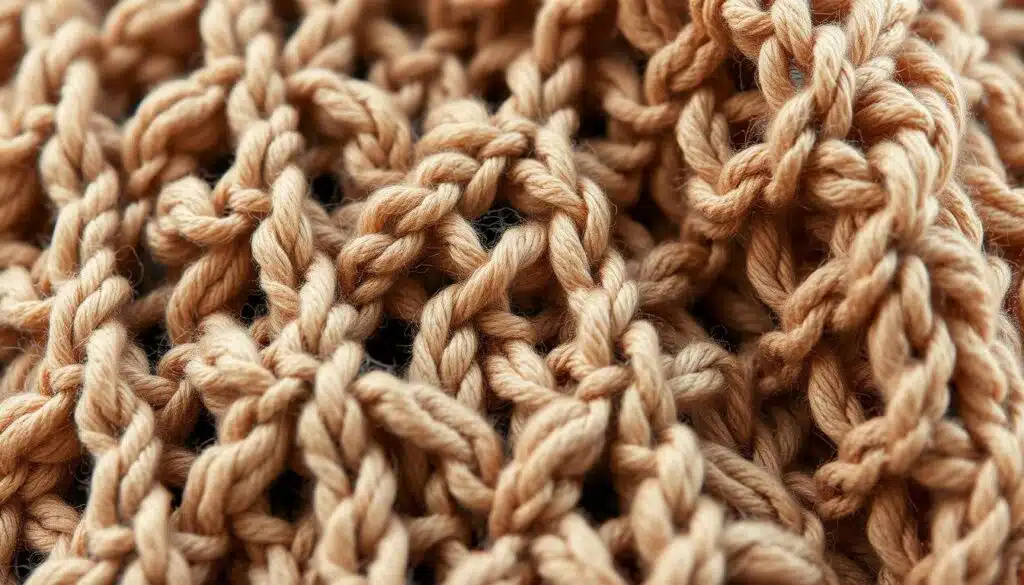
A bobble is a cluster of partial double crochets worked in the same stitch. It’s closed by pulling through all loops so a tight nub appears on the right side. A puff stitch pulls several loops up and draws them through together, giving a softer, airier lump.
Popcorn uses full stitches, often double crochets, worked into one stitch then cinched with a single crochet. This forms a compact pop. Waffle builds a grid by alternating double crochet rows with post stitches for a squishy, thermal fabric.
Basketweave relies on blocks of front post and back post double crochet to mimic woven panels. Other textures include trinity, mosaic, shell, griddle/cobble, Tunisian purl, and front- or back-loop-only variations.
Choosing the right textured stitch for your pattern goals
Think function first. If you want warmth and heft, pick waffle or basketweave; they trap air and make dense blankets and winter accessories. If you want surface interest, pick bobbles, puffs, or popcorn as accents on cuffs, hats, or a statement panel.
Consider yarn use and skill level. Textured patterns can eat yarn quickly and add row complexity. Beginners might try a simple waffle or an all-front-post ridge before tackling more complex patterns.
Combining textured stitches with color and shaping
Use color to highlight raised areas. Alternating a contrast color per row makes waffle grids pop. Mosaic patterns reward single-color rows that let texture read like a puzzle.
For shaping, mix textured panels with plain double crochet or half-double crochet sections. This simplifies increases and decreases. Keep post-stitch heights consistent by following the “one unit” rule for post stitch height; matching stitch units helps edges stay even and prevents unwanted slanting when shaping armholes or necklines.
Want a quick comparison to nail the choice? Think: bobble vs puff vs popcorn when you need to decide between soft, airy texture and tight, sculpted knobs. Use that mental checklist when choosing crochet textures for your next project.
Classic textured stitch patterns you’ll want to practice
Ready to build your textured stitch toolkit? Start with three reliable patterns. They teach rhythm, tension, and surface drama. Each pattern is forgiving, practical, and perfect for crochet practice stitches you can revisit between projects.
All front post double crochet
This pattern starts with a setup row of double crochet. Then, every row is worked in all front post double crochet. The result is a ridged, reversible fabric with deep vertical ribs and minimal stretch. It’s thick, insulating, and excellent for warm accessories or blankets where structure matters more than drape.
Swatch example: 30 sts x 20 rows = 16cm x 13cm. Difficulty: easy once you know fpdc. Stitch multiple: 1; row multiple: 1+1. Note that the pronounced ridges make it less suitable for stretchy cuffs but ideal when you want insulation without bulk in the seam.
Waffle stitch
Waffle stitch uses a repeat that is multiples of 3 + 2. You alternate rows of front post double crochet and regular double crochet to build the squishy, grid-like texture. The right side shows the classic waffle pockets. The wrong side is interesting, too, but less pronounced.
Properties: dense, squishy, and yarn-hungry. Great for blankets, beanies, and dishcloths because it traps air and feels plush. Swatch example: 30 sts x 20 rows = 16cm x 15cm. Difficulty: easy with fpdc knowledge. When making a waffle hat pattern, plan increases carefully so the texture stays even across crown shaping.
Basketweave stitch
Basketweave stitch tutorial often starts with a multiple of 6 + 2, though you can use a small weave of 4 + 2 or a large weave of 8 + 2 for different scales. The pattern alternates blocks of front and back post double crochet to mimic a woven surface.
Properties: thick and opaque with a woven look. Swatch example: 26 sts x 20 rows = 15cm x 15cm. This stitch eats yarn, so expect heavier yardage. If you want more drape, try going up a hook size or enlarging the block pattern to reduce density. Change block sizes to shift the visual scale without reworking the whole pattern.
Practice each pattern in small swatches to master tension and post placement. These three stitches teach how post work shapes fabric, which makes future textured projects easier and more satisfying. Keep your notes, measure your swatches, and let your hooks do the talking.
Advanced textured stitches and clusters: bobbles, puff, and popcorn
Ready to add more texture to your projects? This section will guide you through bobble and puff stitches. You’ll learn how to place them for bold accents or soft textures in scarves, blankets, and sweaters.
https://www.youtube.com/watch?v=W5MNPUwW7jQ
How to make bobble stitches
To make a bobble, start with a partial double crochet. Yarn over, insert the hook, pull up a loop, then yarn over and pull through two loops. Repeat this a few times, usually three to five. Finish with yarn over and pull through all loops to close the bobble.
Bobble stitches are often worked on the wrong side. This way, the bump faces the right side. Space them out for a neat grid or cluster them for a more organic look. Make sure to count stitches and plan rows to avoid distorting the shape.
Puff stitch construction and consistency
To make a puff, pull up multiple loops into one stitch. Use a consistent number of loops, like three or five, and pull each loop to the same height. When you have the right number of loops, yarn over and draw through all to finish the puff.
Puffs use more yarn and add a plush feel. Keep your tension even and use the same loop count for each row. Place puffs where you want softness, like in collar trims or blanket centers.
Popcorn vs bobble: visual and tactile choices
Popcorns are made from full stitches worked into one stitch and then cinched with a slip stitch or single crochet. This makes them denser and more sculpted than bobbles or puffs.
Choose popcorn for bold, tactile accents that stand out. Go for bobbles or puffs for a looser, more organic texture. Swatch both to see how your yarn and hook size affect the look and feel.
| Feature | Bobble | Puff | Popcorn |
|---|---|---|---|
| Construction | Partial double crochets closed together | Multiple loop pulls then closed together | Full stitches then cinched with sc/slst |
| Texture | Soft, slightly loose | Plush and soft | Firm, defined |
| Yarn use | Moderate | High | Moderate to high |
| Best use | Motifs, clustered patterns | Plush trims, cozy blankets | Statement accents, tactile focal points |
| Ease of placement | Plan stitch count carefully | Keep loop count consistent | Easy to place, watch tension |
| Visual impact | Organic clusters | Soft, even bumps | Tight, popping shapes |
Want to improve quickly? Follow a clear bobble stitch tutorial. Use puff stitch tips for uniform puffs. Test popcorn vs bobble on swatches to see the difference. Your next textured project will thank you.
Hybrid and specialty textures: alpine, brickwork, and trinity variations
You’re about to add some amazing texture to your projects. This section covers three hybrid techniques. They give scarves, blankets, and panels a unique look while being practical for daily use.
Reversible alpine styling for two-sided pieces
The reversible alpine stitch is a special post stitch. It adds texture on both sides, perfect for scarves and blankets. The pattern needs multiples of 2+2 with a row repeat of 4+1.
Work fptr and bptr around dc two rows below. Alternate rows of hdc and sc to balance the fabric.
Swatch example: 30 sts x 28 rows = 20cm x 17cm. For a flatter wrong side, add rows of single crochet between texture rows. Use this alpine technique when you need both sides to look good.
Brickwork stitch for cable-like panels
Brickwork crochet is inspired by Building Blocks patterns. It mixes dc and hdc post stitches for cable-like effects. The pattern multiple is 8+1 with a row repeat of 8+1.
This stitch has a good drape, making it perfect for throws and garment panels. Swatch example: 33 sts x 23 rows = 19cm x 13cm. Use brickwork for textured panels that are comfortable to wear.
Trinity clusters and mosaic-style patterning
Trinity stitch crochet creates small three-loop clusters. These clusters look like pebbles on the fabric. Mosaic crochet textures use color changes and slip-stitch methods for crisp geometric motifs.
Both techniques work well for panels and borders. Try mixing trinity rows with simpler textured rows for contrast. Combine mosaic panels with neutral textured bands for a modern look.
| Technique | Stitch Notes | Pattern Multiple | Swatch Example | Best Uses |
|---|---|---|---|---|
| Reversible alpine stitch | fptr/bptr around dc two rows below; includes hdc and sc rows to balance | 2+2; rows 4+1 | 30 sts x 28 rows = 20cm x 17cm | Scarves, blankets where both sides show |
| Brickwork crochet | Mix of dc and hdc post stitches to form horizontal/vertical cables | 8+1; rows 8+1 | 33 sts x 23 rows = 19cm x 13cm | Throws, garment panels needing drape |
| Trinity stitch crochet / mosaic | Three-loop clusters for trinity; color-and-slip methods for mosaic | Varies by pattern; often adapted into panel widths | Adjust swatch to color changes and cluster size | Accent panels, borders, mixed-texture garments |
Working smart with textured stitches: pattern notes and common pitfalls
Textured crochet can seem hard but is actually simple with planning. Always read the pattern notes and check your stitch counts. Swatching with the same hook and yarn you plan to use is key. This small step can save you from having to rip out long parts later.
Many textured patterns need exact stitch math. For example, waffle patterns often use a 3+2 setup. Basketweave patterns usually require 6+2. Alpine patterns might use 2+2, and brickwork patterns might use 8+1. When you see these numbers, make sure your foundation matches the required crochet stitch multiples before starting.
Turning chains can be tricky with post work. In most post-stitch patterns, the turning chain does not count as a stitch. Check the pattern notes or use a chainless foundation if you want the edge to match the body and avoid extra chains. This habit helps when counting crochet stitches row by row.
Post stitches need height planning. Use a simple unit scale to keep edges flat. Single crochet is 1 unit, half double is 2, double is 3, treble is 4, and double treble is 5. When working a post into the row below, make the post stitch one unit taller for one row down, two units taller for two rows down, and so on. This rule keeps ridges even and prevents lopsided rows.
To avoid holes in your crochet, try one of these anchors: add a row of single crochet between post rows or use 2-together methods that join tops behind posts. Both tactics lock the fabric and hide gaps that show when posts lean away from the cloth.
Count often. Post work exposes the tops of stitches, making skipped or extra loops obvious. Keep a stitch tally at the end of each row and place stitch markers at repeats. Consistent counting saves time and keeps pattern repeats aligned.
Keep tension steady, specially with bobbles and puffs. Those stitches trap extra yarn and can stretch a row if you pull hard. Swatch and measure across a few repeats to confirm gauge. If your fabric cups or stretches, adjust hook size or technique before starting a full piece.
| Issue | Quick Fix | Why it Works |
|---|---|---|
| Wrong foundation multiple | Unravel to the foundation and restart with correct multiple | Pattern repeats align; motifs sit centered |
| Turning chain counted incorrectly | Confirm pattern note; switch to chainless foundation if needed | Edge height matches body; reduces off-by-one errors |
| Uneven tops when working down rows | Apply the post stitch height rule (raise posts by units) | Rows stay level; cables and ribs look crisp |
| Visible holes behind posts | Add a single crochet row or use 2-together anchoring | Fills gaps and secures floating loops |
| Stitch count drifts | Mark repeats and count crochet stitches each row | Prevents cascading miscounts and skewed fabric |
| Inconsistent puff/bobble size | Practice tension and use a consistent number of yarn overs | Uniform texture and predictable gauge |
Project ideas and placements for textured crochet stitches
Want to highlight raised ribs, bobbles, or cables? Pick the right spot for them. Textured stitches add warmth and interest. Here are some practical ideas that match function with style.
Warm accessories
For cowls, hats, and mitts, choose all-front-post or waffle stitch for extra warmth. The waffle beanie traps air, keeping you warm on cold walks. Use post-stitch ribbing for hat brims and mitt cuffs to keep shape and stretch.
If you like long textured panels, use cable rows from the So What Sweater. This creates a standout column on a slouchy cowl.
Home decor
Textured blankets crochet beautifully in basketweave and waffle stitches. They make cozy throws and bed blankets. Use reversible alpine for scarves and guest blankets where both sides will be seen.
Brickwork creates bold panels for cushions and textured throw fronts. Remember, dense textures use more yarn. For drape, go up a hook size; for durability, stay smaller and tighter.
Garment accents
Show off post-stitch cables and diagonal post patterns on cuffs, brims, and front panels. This gives a knit-like polish. Add single crochet spacer rows behind textured panels to keep the wrong side flat and preserve fit.
Mix textured panels with smooth sections for balance. This keeps garments comfortable and flattering.
When planning, sketch placement before you cut yarn. Small tests help decide if the texture will overpower or enhance the piece. Use these ideas to plan focal points, trim, or all-over texture that matches function and style.
Troubleshooting and resources to level up quickly
Hit a snag with uneven posts or surprise holes? You’re not alone. Start by checking loop height and follow the “one unit” rule for post stitch height. For wrong-side gaps, try a row of single crochet or the dc/fptr-tog and fptr/dc-tog methods to pull angled posts snug. If your bobbles or puffs vary, standardize the number of loops and keep a steady tension across rows.
Common mistakes and quick fixes for uneven posts and holes
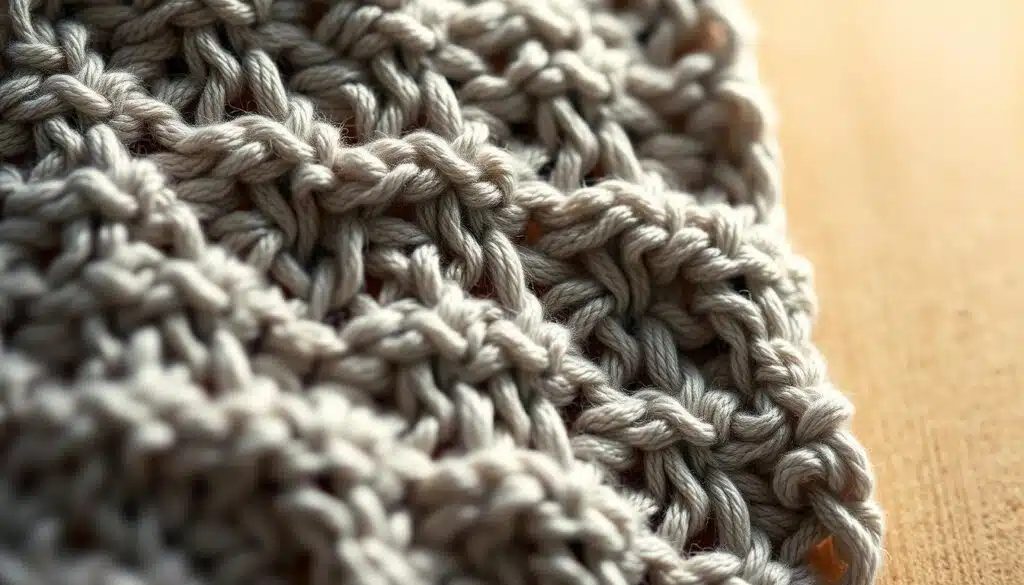
Count posts at the tops, not the bases, to avoid losing stitch count. Use stitch markers to mark repeats and turn rows. To fix tall posts, gently tug the post loops to match adjacent heights before continuing. When you see holes appear, work a short swatch using the dc/fptr-tog trick to see if the gap closes.
Video and photo tutorial recommendations for each stitch type
Visual guides speed learning. Seek front post double crochet and back post double crochet demos, waffle stitch video, and bobble, puff, and popcorn tutorials. Try searching exact phrases like “front post double crochet tutorial” or “puff stitch video” for step-by-step clarity. For a focused troubleshooting primer, check out mastering your crochet to walk through common errors with photos and tips.
Recommended patterns and swatch practice
Practice on small projects before committing. The So What Sweater teaches long cables and single crochet spacer rows that tame post height. Building Blocks Pillow and Throw are great for brickwork and modular practice. Make sample dishcloths in waffle and basketweave to test tension and texture.
When you swatch, follow Section 3’s measurements. Replicate small squares, count your rows, and log needle size, yarn, and tension. Use textured stitch video tutorials alongside swatching to match rhythm and stitch definitions. Keep a swatch notebook so you can reproduce the look when you return to larger projects.
| Problem | Quick Fix | Practice Pattern |
|---|---|---|
| Uneven post heights | Adjust loop height; apply “one unit” rule; block swatch | So What Sweater cable swatch |
| Wrong-side holes/gaps | Row of single crochet; dc/fptr-tog or fptr/dc-tog | Building Blocks throw sample |
| Inconsistent bobbles/puffs | Standardize loop count; steady tension; count loops | Popcorn dishcloth pattern |
| Losing stitch count | Use markers; count tops of posts; mark repeats | Brickwork pillow module |
Want a curated list of the best textured crochet patterns to build skills? Focus on patterns that include clear schematics, gauge notes, and spacer rows. Work in short practice sessions and pair each pattern with textured stitch video tutorials so you can match rhythm and fix errors in real time. That approach turns frustration into progress fast.
Conclusion
Textured crochet stitches conclusion: you now know about post stitches, bobbles, and more. These techniques add warmth and interest to your work. They can look like knitting or be something new.
Always swatch and follow stitch multiples. Use the right yarn and hook sizes for your project. This ensures the right drape or density.
For next steps textured crochet, start small. Practice basic stitches and then try waffle or basketweave swatches. Move to bobbles and puff clusters when you’re ready.
Use patterns like So What Sweater to apply your skills. Check out this textured stitch guide for help.
If you want to practice crochet textures, keep corrections simple. Add a row of single crochet or use 2-together methods. Balance tension and count carefully.
Treat mistakes as design choices until they’re not. Look for video lessons and step-by-step photos for learning. This will help you build confidence.
Wrap-up: texture makes crochet fun. Bumps, ridges, and waffles make your handmade pieces special. Dive into swatches, stitch with curiosity, and enjoy the depth textured stitches add to your projects.
FAQ
What are textured crochet stitches and why should you use them?
Textured crochet stitches create three-dimensional surfaces. They add interest and feel to your projects. You can make everything from cozy throws to sculpted garments.
They are perfect for adding warmth and dimension. They also make your projects fun to touch.
Which stitches form the core of textured crochet work?
Post stitches and cluster stitches are key. They include front post, back post, and bobbles. These stitches create ridges and dots.
Adding waffle, basketweave, and other textures gives you a full set. They work well with most yarns.
Are US crochet terms used in these patterns?
Yes, all patterns use US terms. So, a DC is a double crochet, and an HDC is a half double. If you follow UK patterns, convert them first.
What yarns work best for textured stitches?
Yarn weight and fiber affect texture. DK yarns like Sirdar Hayfield Soft Twist work well for post stitches. Worsted yarns add bulk.
Cotton yarns are great for crisp textures. Remember, some stitches use more yarn.
How should I choose a hook and set my tension for raised stitches?
Choose a hook that matches your yarn and desired fabric. Use a larger hook for softer textures. Keep your tension even for post stitches.
Typically, use a 4mm hook for DK samples. Remember, turning chains don’t count as stitches.
How important is swatching for textured crochet?
Swatching is very important. It helps test gauge, drape, and wrong-side appearance. Make swatches for different stitches.
For example, waffle swatches are 16cm×15cm. Basketweave swatches are 15cm×15cm. Test how stitches look in your yarn.
How do you work a front post double crochet (FPdc) and back post double crochet (BPdc)?
Yarn over, then insert the hook around the stitch post. For FPdc, go from front to back. For BPdc, go from back to front.
Yarn over, pull up a loop, then complete the DC. These stitches wrap around the post, creating ribs and cables.
How do post stitches create ribbing, cables, and raised motifs?
Alternating FPdc and BPdc makes ribbed textures. Taller post stitches create bold ribs and cables.
You can cross or slant post stitches for cabled motifs. They’re like knitted cables but in crochet.
My post stitch rows leave holes on the wrong side. How do I fix that?
Add a row of single crochet between post rows. This fills and stabilizes the wrong side.
Or, use a 2-together method to anchor stitches. This reduces gaps. Just watch your stitch count.
What’s the difference between bobble, puff, and popcorn stitches?
Bobble is a cluster of partial double crochets. It’s often worked on the wrong side. Puff pulls up multiple loops for a soft cluster.
Popcorn stitches are denser. They create a firm bump. Popcorn is more defined than bobbles or puffs.
When should I choose waffle, basketweave, or alpine stitches?
Choose based on function. Waffle is great for squishy throws. Basketweave is for woven fabric looks.
Reversible alpine is perfect for scarves. Brickwork and trinity are for drape.
How do I keep bobbles and puffs consistent across a project?
Use the same number of loops for each puff. Maintain even tension. Practice in a swatch.
For bobbles, keep the same number of partial DCs. Finish by pulling through all loops cleanly. Swatching helps with size and spacing.
Should I change hook size when working texture-heavy patterns?
Often yes. Use a larger hook for drape with yarn-hungry stitches. Stick to the recommended hook for denser fabrics.
Always swatch to confirm the fabric behavior you want.
What are quick fixes for uneven post heights or loose loops?
Check your loop height and apply the one-unit rule. If posts look loose, tighten your tension slightly.
For persistent gaps, add an SC spacer row. Or use 2tog anchoring techniques to tidy the wrong side.
Where can I find video and photo tutorials for these techniques?
Look for tutorials on YouTube, Craftsy, or crochet blogs. Visual step-bys are helpful for FPdc/BPdc and cluster stitches.
Which patterns are good practice projects for textured stitches?
Try the So What Sweater for long cable rows. Use the Building Blocks pillow/throw patterns for brickwork texture.
Small projects like waffle dishcloths and basketweave cushions are great for practice.
How do I plan yardage for texture-heavy projects?
Texture often increases yardage needs. Make a sizeable swatch and measure grams per square inch.
Scale up to your project size. If tight on yardage, choose lighter textures or larger hooks.
What’s the simplest way to start practicing textured stitches?
Learn FPdc and BPdc first. Then try a small waffle swatch (multiple 3+2) and a basketweave swatch (multiple 6+2).
Use DK yarn and a 4mm (G/6) hook. Add bobbles and puffs afterward. Swatch, measure, tweak, and repeat.